We travelled to China in September 2026, which is the ideal time due to good weather conditions. We visited three cities starting with Beijing, followed by Chengdu and lastly Chongqing. All the three cities had great tourist sites, and we really enjoyed all the three cities.
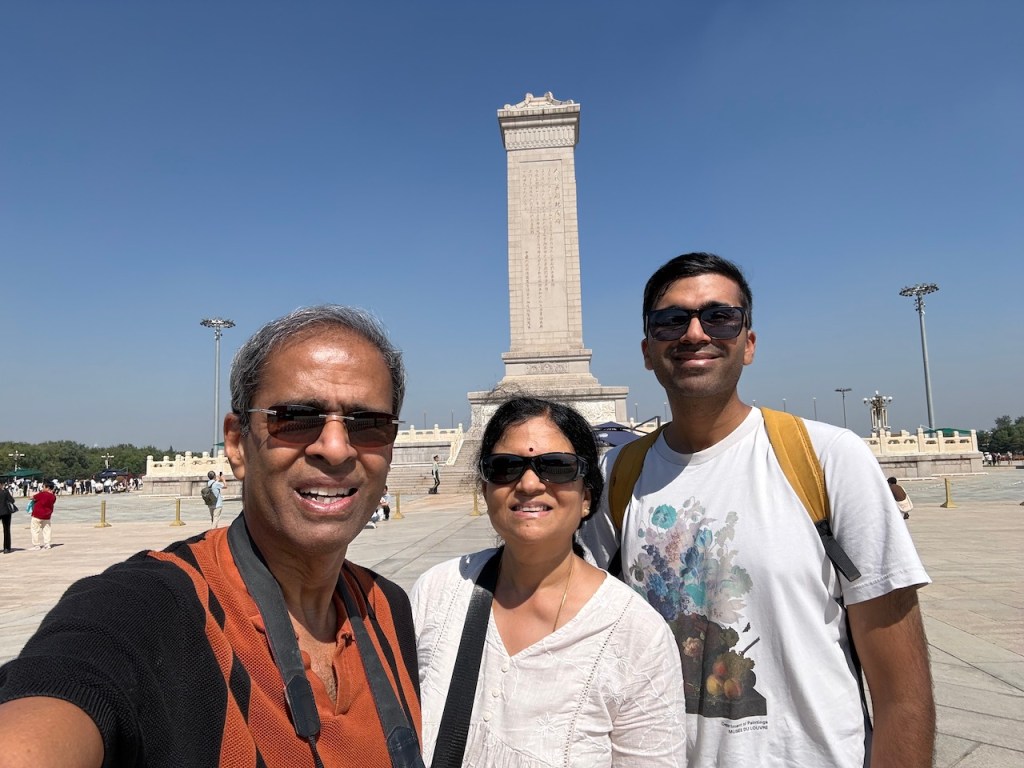
Our first visit was to Tiananmen Square, in Beijing. One needs to book tickets in advance, though it is a free ticket. Tiananmen Square is the world’s largest public square, serving as a vital political and historical focal point for the country since its construction in 1651. The square houses the Monument to the People’s Heroes, the Great Hall of the People, the National Museum of China, and the Chairman Mao Memorial Hall.
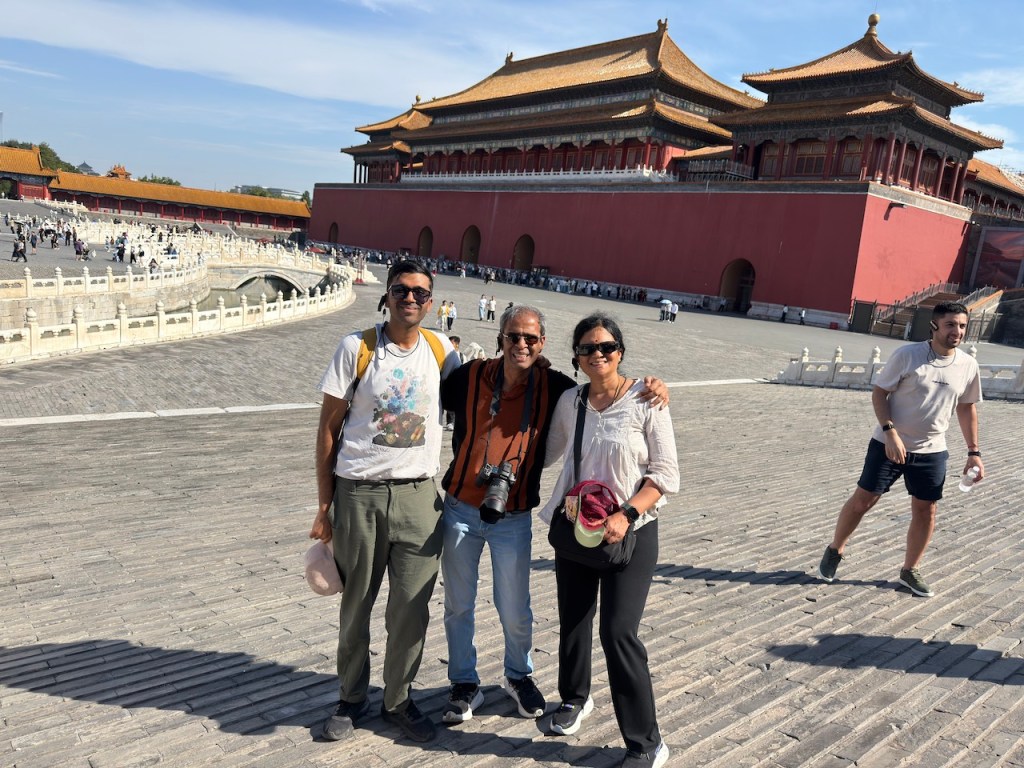
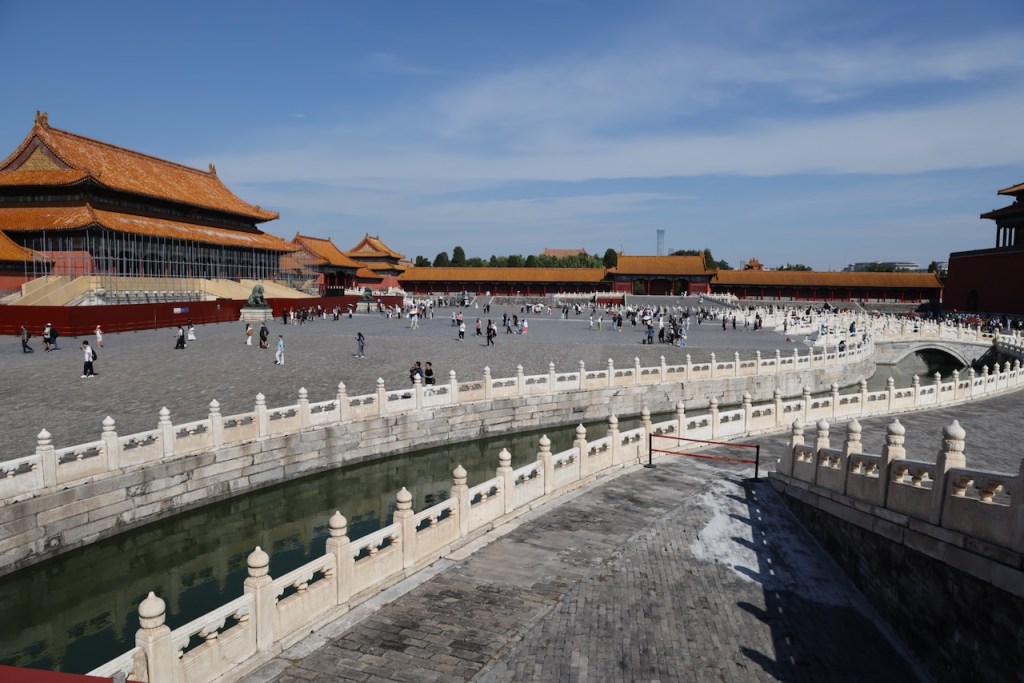
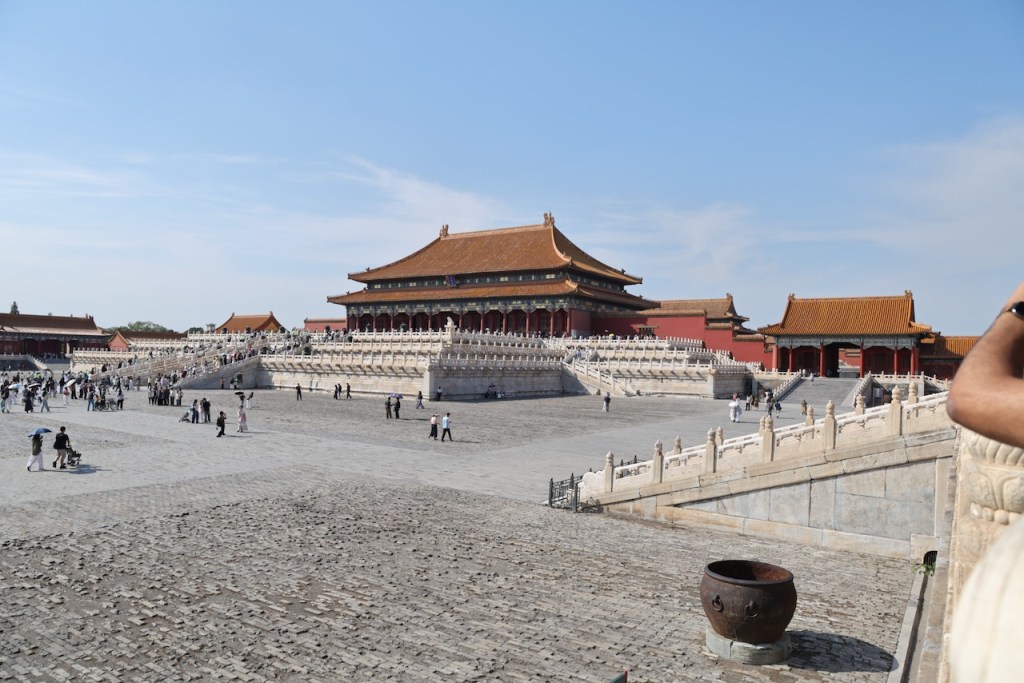
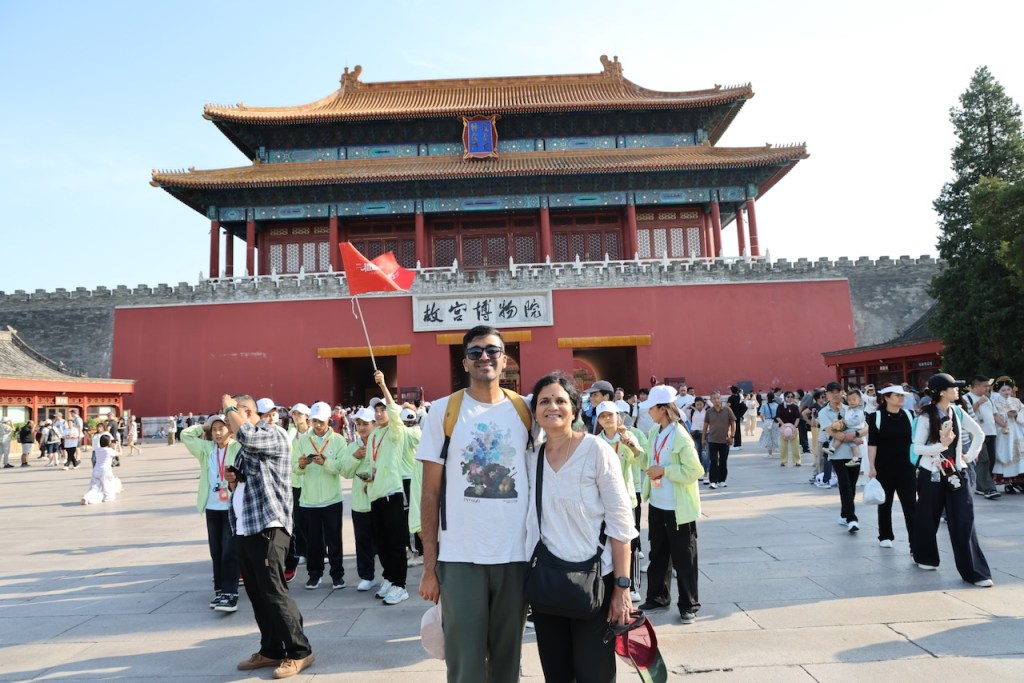
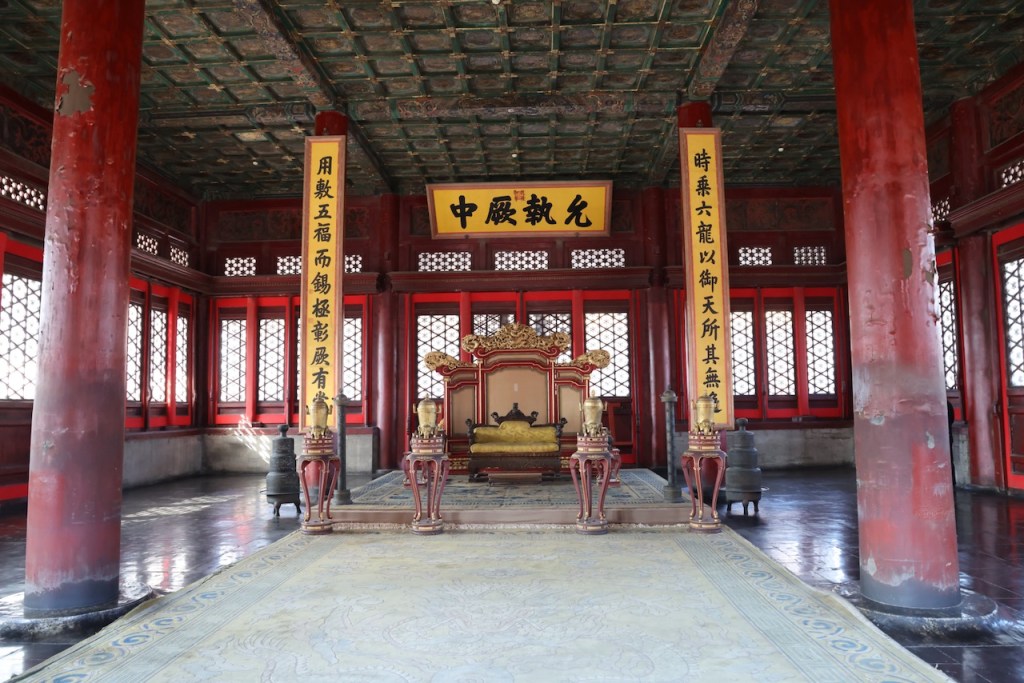
After Tiananmen Square, we did a guided tour of the Forbidden City. The Forbidden City served as the political and ritual center of the Chinese imperial court for over 500 years. The third Ming ruler, the Yongle Emperor, commissioned the construction of the palace after moving the capital from Nanjing to Beijing. Over one million workers spent 14 years building the massive complex, which was completed in 1420. It Was Called “Forbidden City” because ordinary citizens, government officials, and even extended royal family members faced strict entry limits.
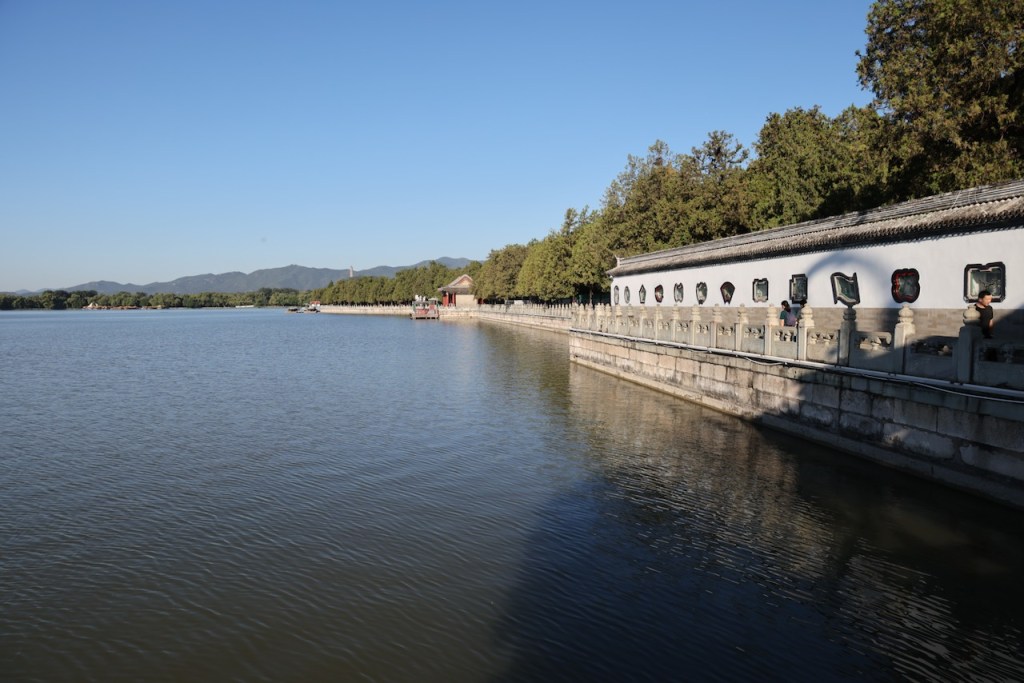
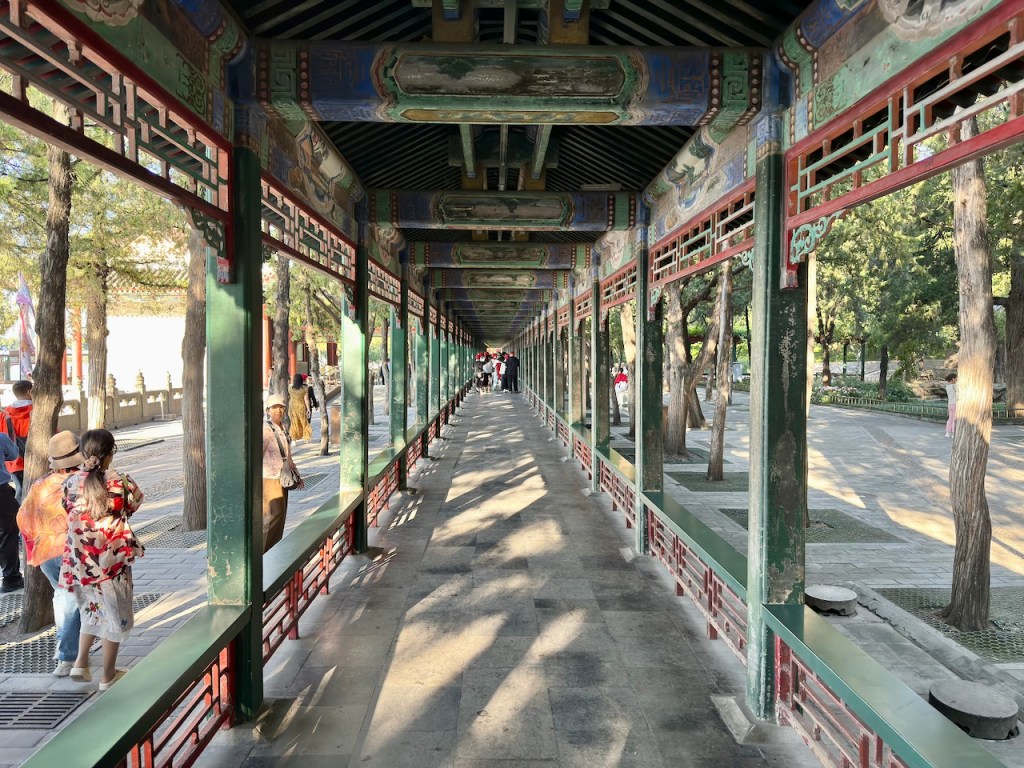
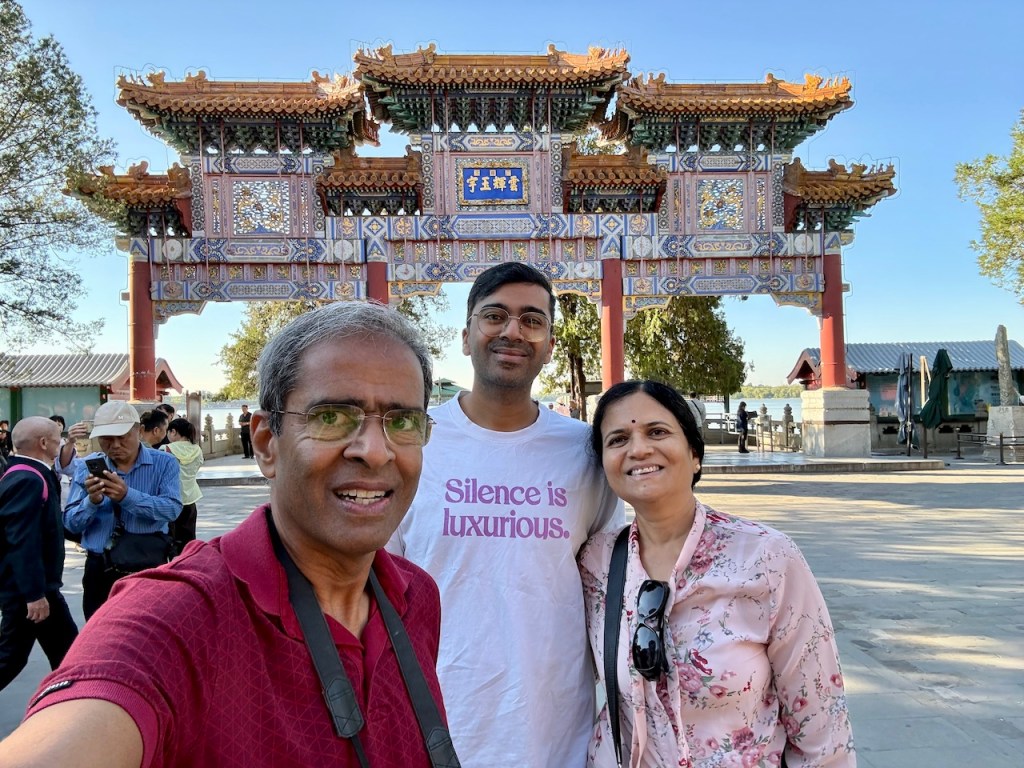
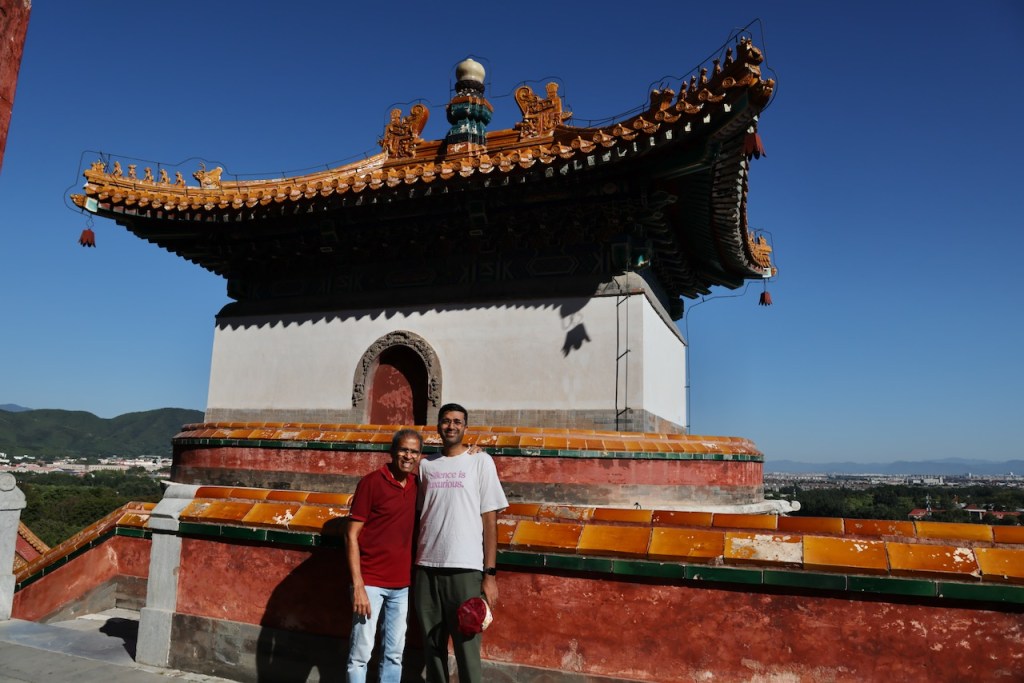
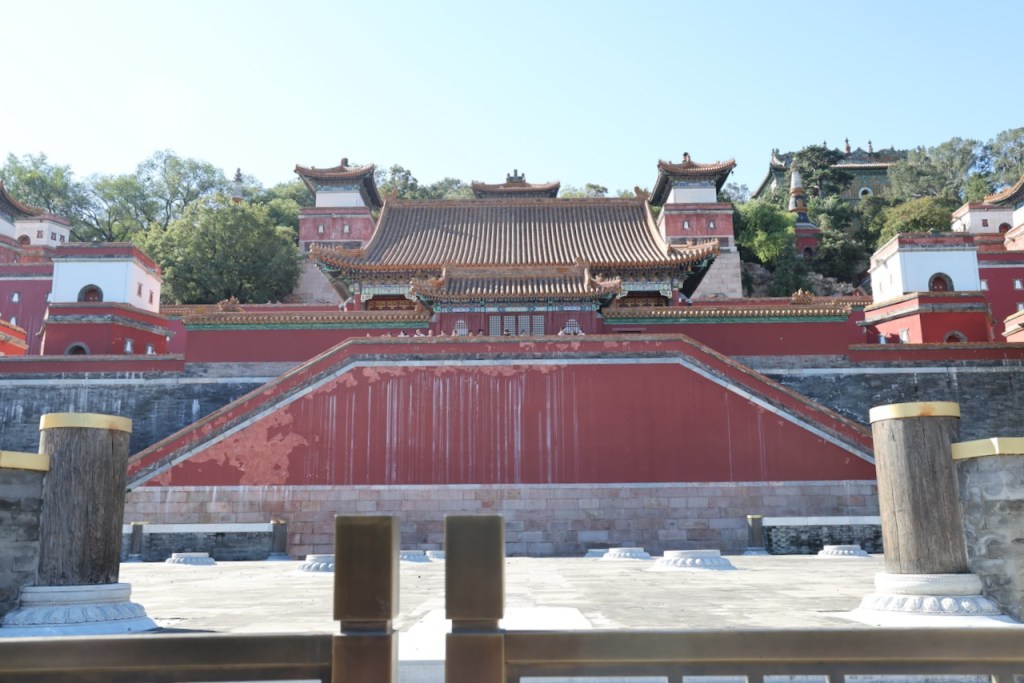
On our second day, we started with a visit to the Summer palace. The Summer Palace is a masterpiece of Chinese landscape design that evolved from an 18th-century imperial birthday gift into a resilient symbol of dynastic history. Workers excavated massive amounts of soil to expand the artificial lake and pile up the 60-meter hill, completing the core layout in 1764. Emperor Qianlong commissioned the construction in 1750 as a lavish birthday gift for his mother.
Tower of Buddhist Incense is the architectural heart of the complex. This three-story, 60-meter-tall octagonal pagoda stands proudly on the slopes of Longevity Hill. Climbing up requires navigating steep stone steps, but it rewards you with the best bird’s-eye view of Kunming Lake and the distant Beijing skyline.
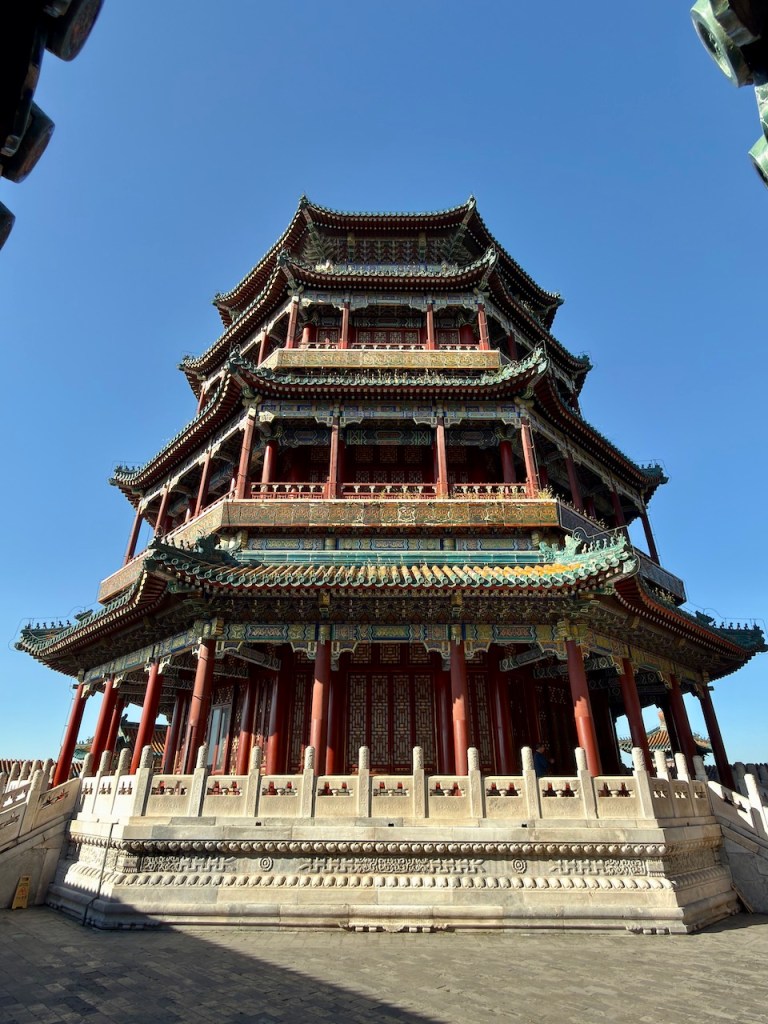
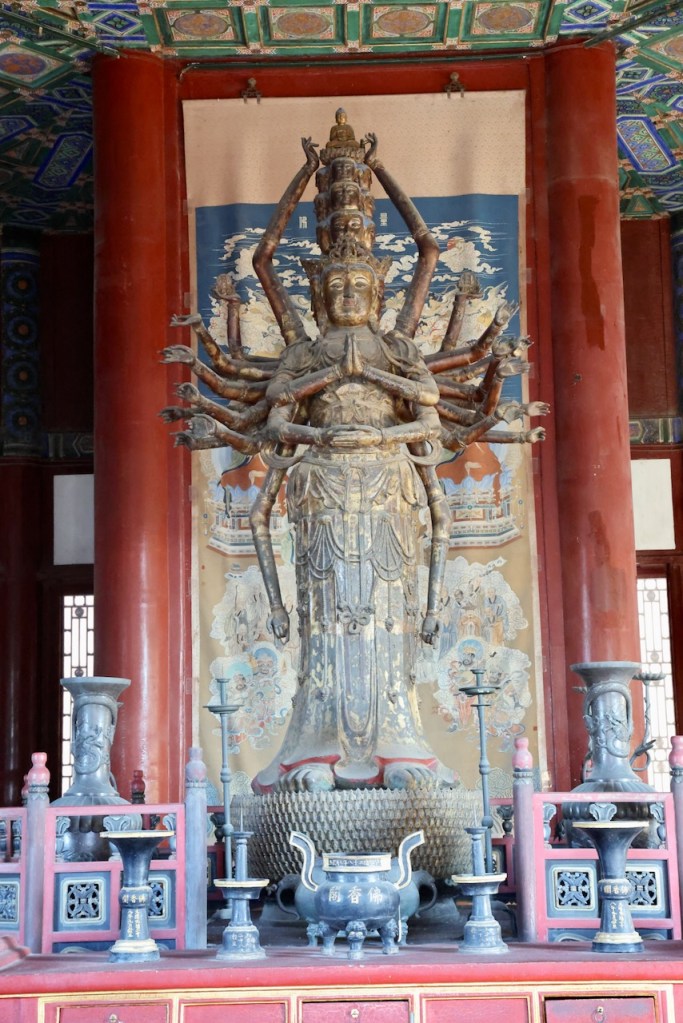
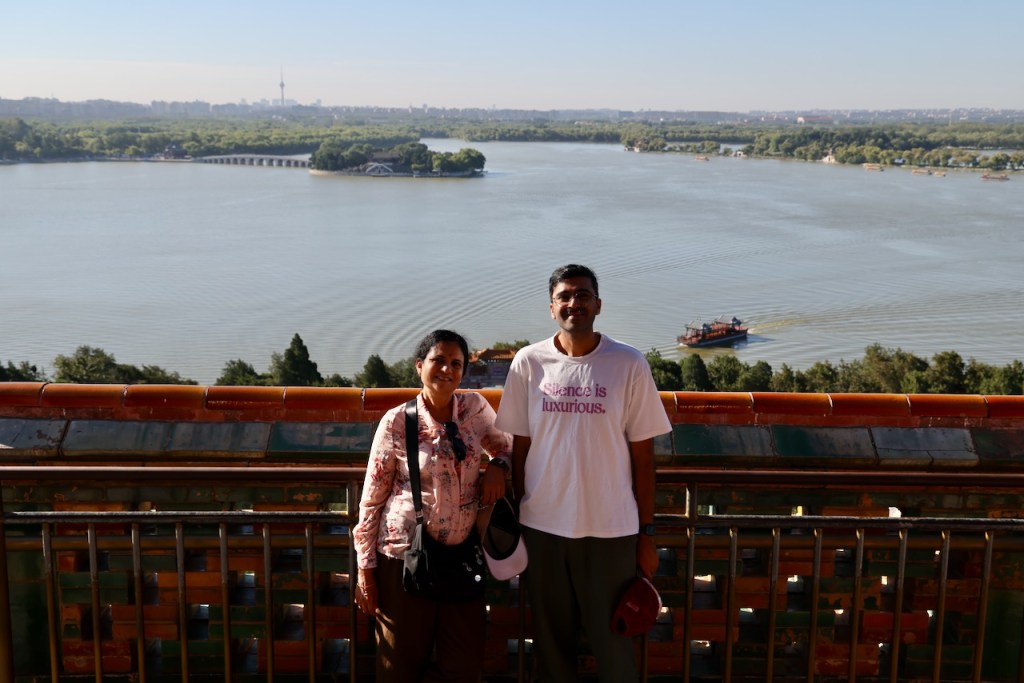
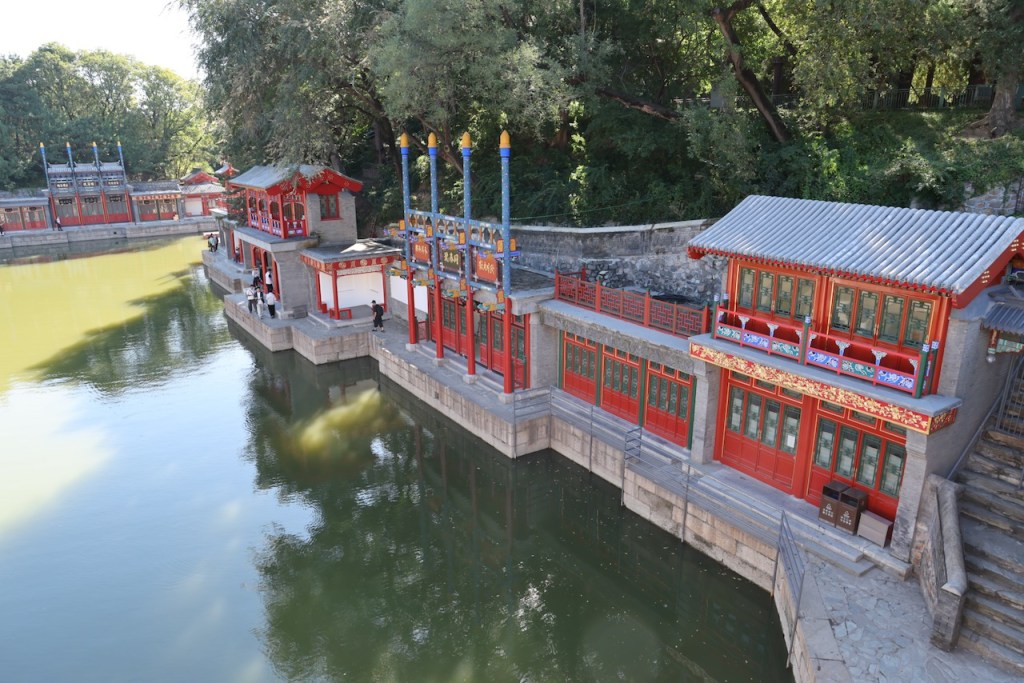
After visiting the Tower of Fragrance of Buddha, we walked around the various sites, including Suzhou Street.
Our second visit of the day was to Jingshan Park. Jingshan Park is a 23-hectare imperial garden-turned-public park with a rich history spanning nearly a thousand years, best known for its man-made hill that overlooks the Forbidden City. The hill took its signature form under the Yongle Emperor (1402–1424). Workers piled up debris from demolished old structures and soil excavated to dig the moats of the adjacent Forbidden City.
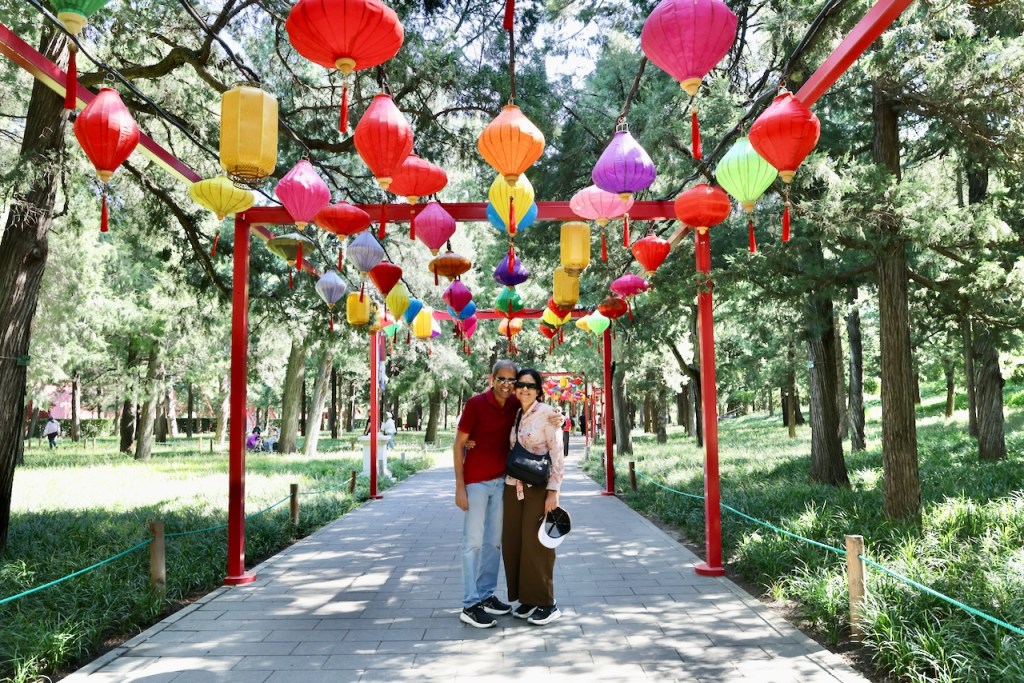
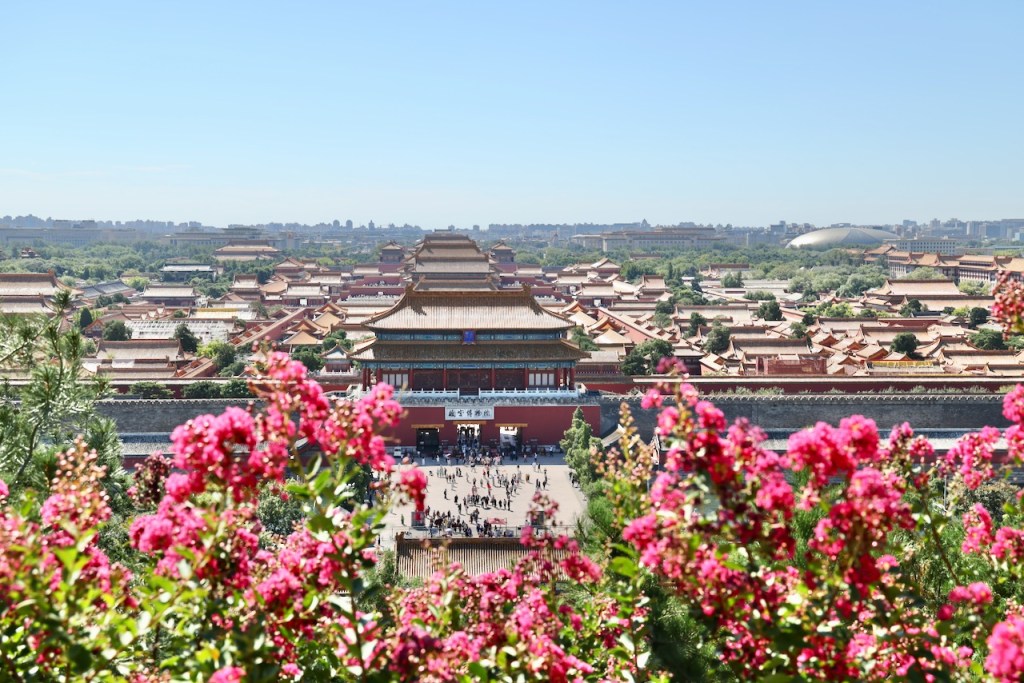
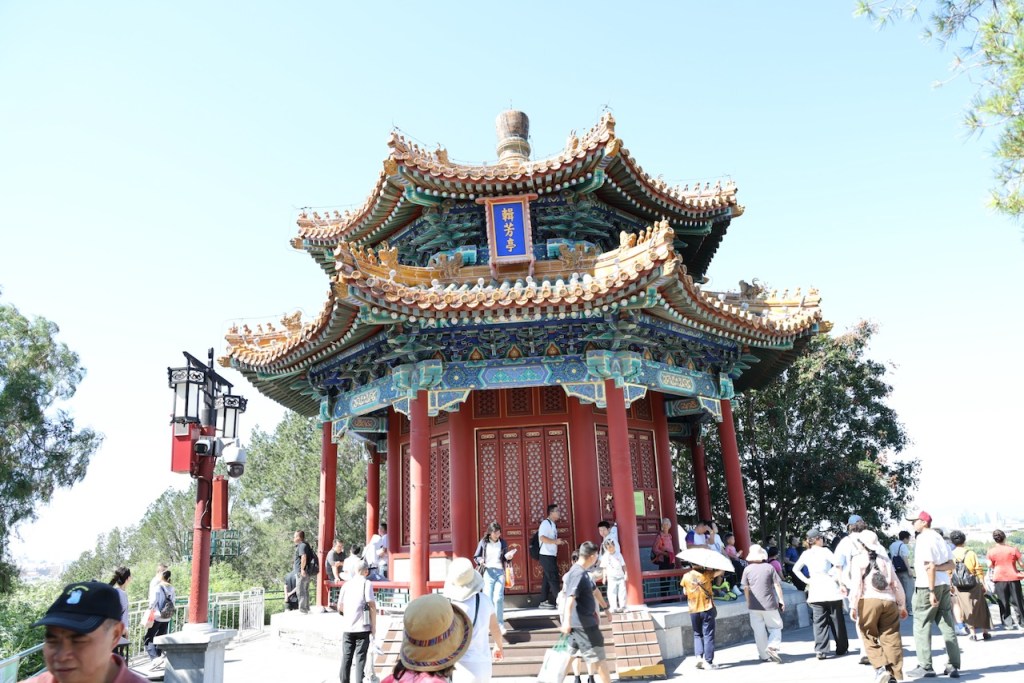
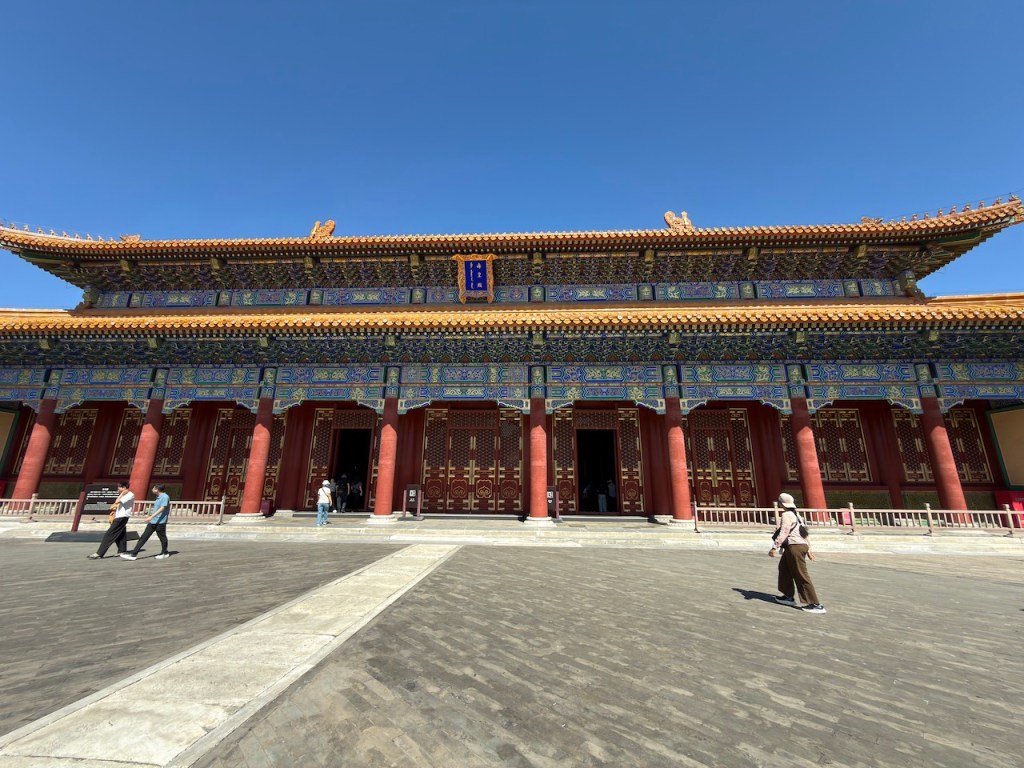
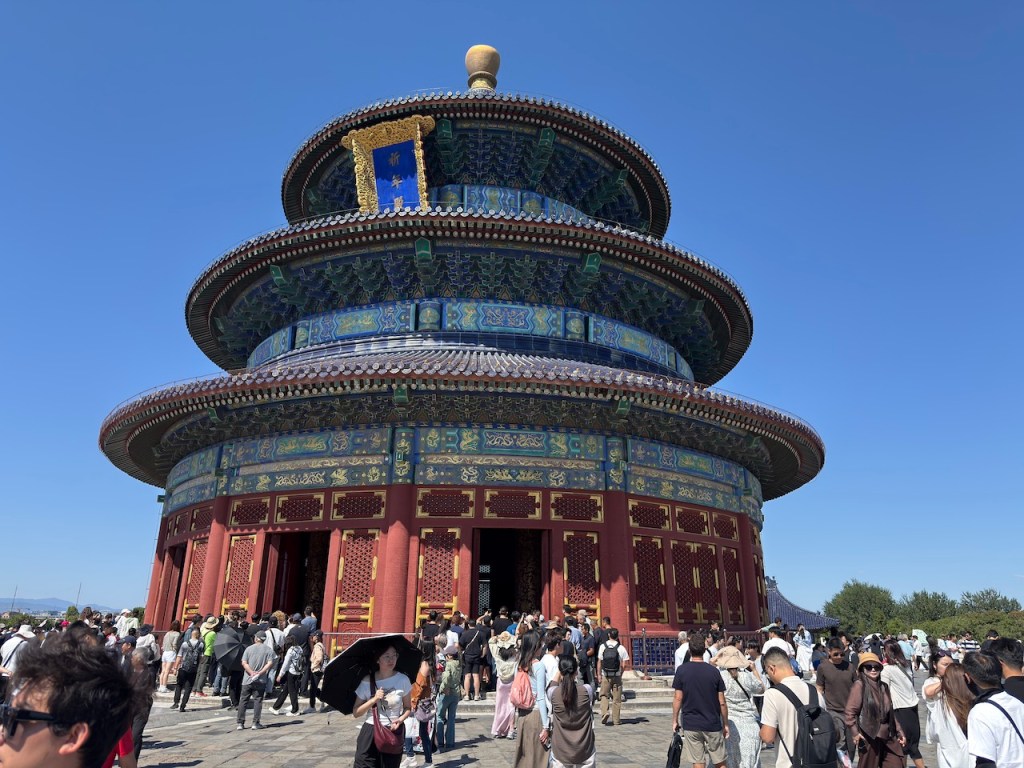
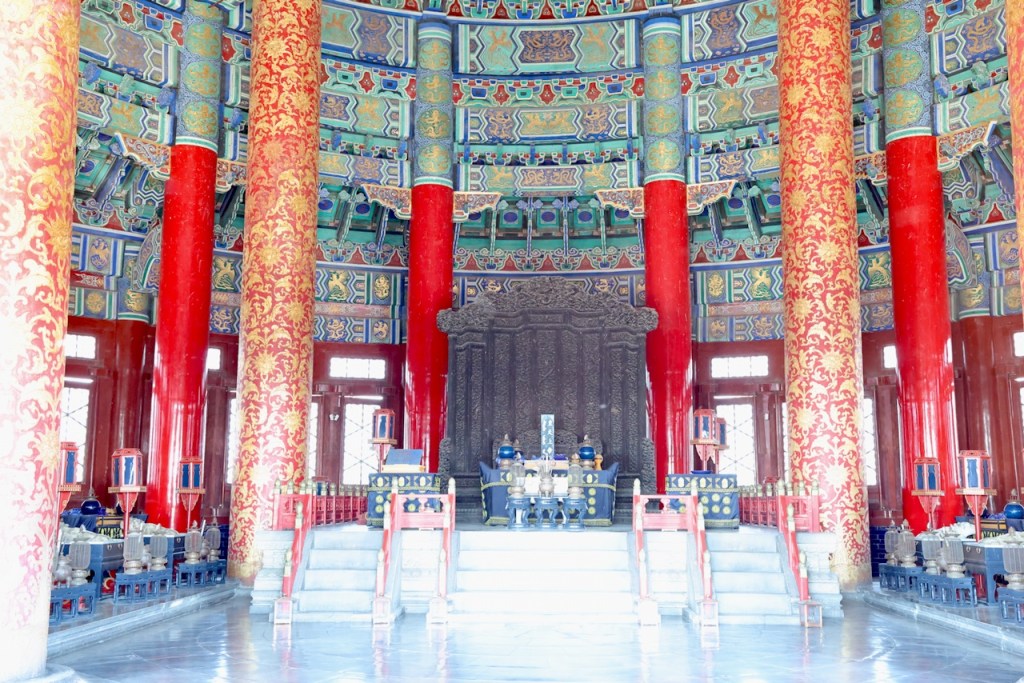
Our third visit of the day was to the Temple of Heaven in Beijing. The Temple of Heaven was constructed between 1406 and 1420 during the reign of the Ming dynasty’s Yongle Emperor as an exclusive imperial sanctuary for sacred rituals. Jiajing Emperor separated the worship of Earth and Heaven in the 1530s, building separate altars for earth, moon, and sun. He renamed this southern complex the Temple of Heaven in 1534 and expanded its structures.
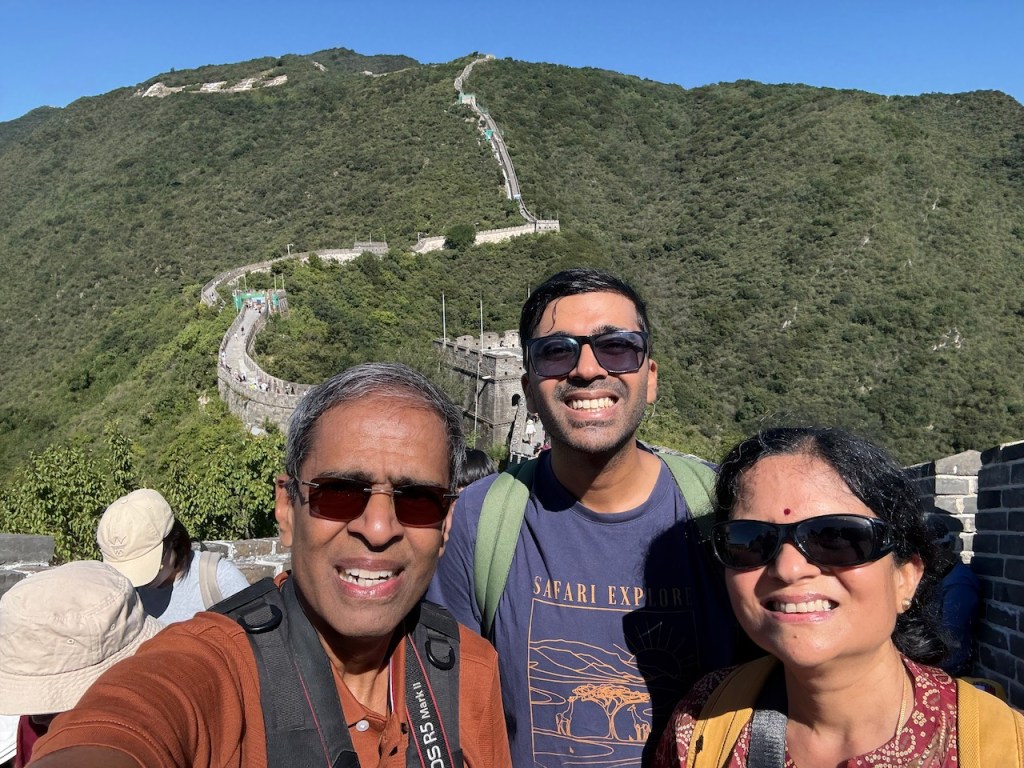
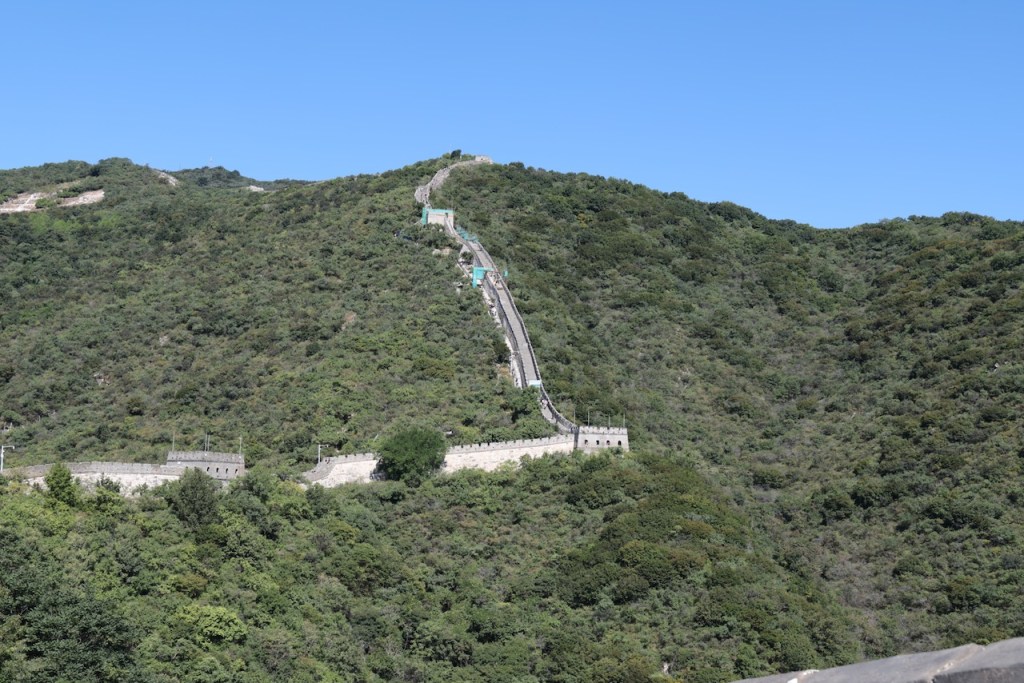
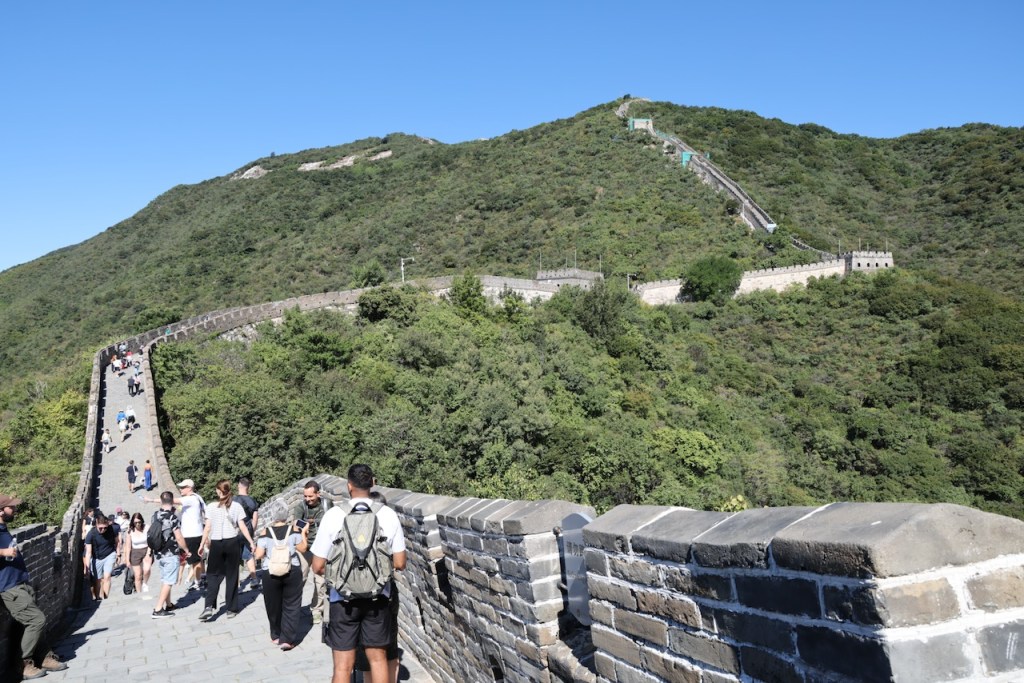
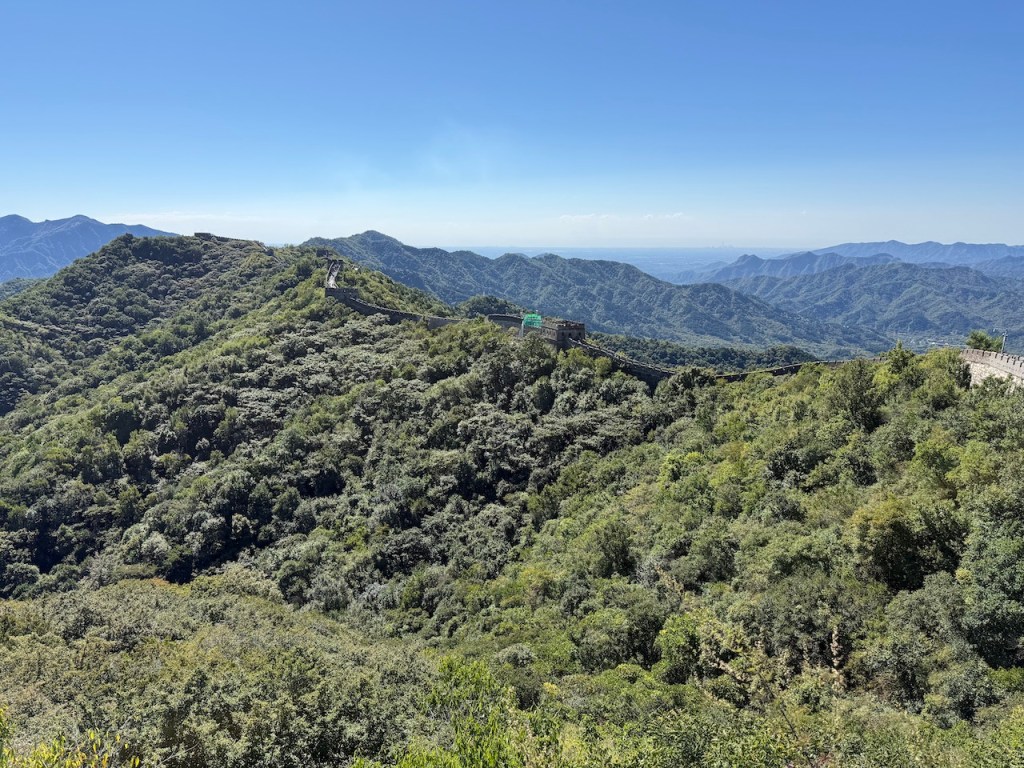
On our third day, we visited the Mutianyu Great wall of China. We had hired a taxi to take us to the entrance. We took a shuttle bus, and after a short walk we took the cable car to the top of the hill, where we started the walk along the Great Wall. The views from the Great Wall were stunning.
The Great Wall of China near Beijing was built over 2,000 years as a massive military defense system to protect the northern borders from nomadic tribes. Individual feudal kingdoms built separate boundary walls for local defence. Qin Shi Huang (221–206 BCE), the first emperor of a unified China ordered the removal of internal walls and linked the northern fortifications into a single system using rammed earth and forced labor.
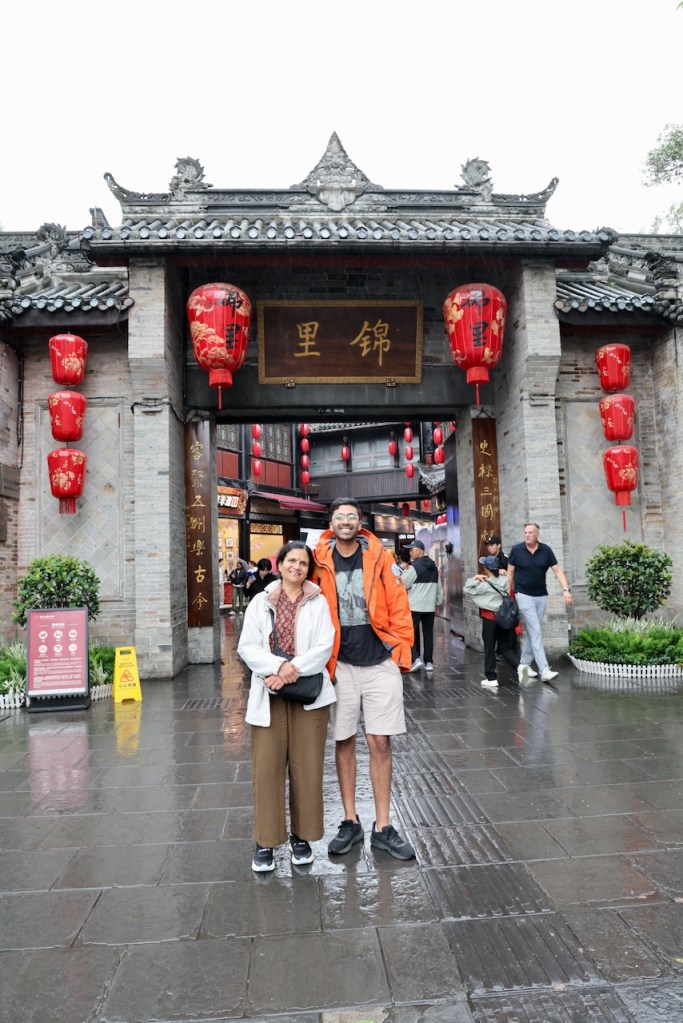
From Beijing we flew to Chengdu, which is a lovely city with many attractions. We visited the Wu Hou Shrine, The Giant Panda Research Centre, Qingcheng Shan Mountain and our last visit was to the Dujiangyan Irrigation system.
The Wuhou Shrine in Chengdu is a historic memorial complex dating back to 223 AD, uniquely dedicated to both the Shu Han emperor Liu Bei and his brilliant chancellor, Zhuge Liang.
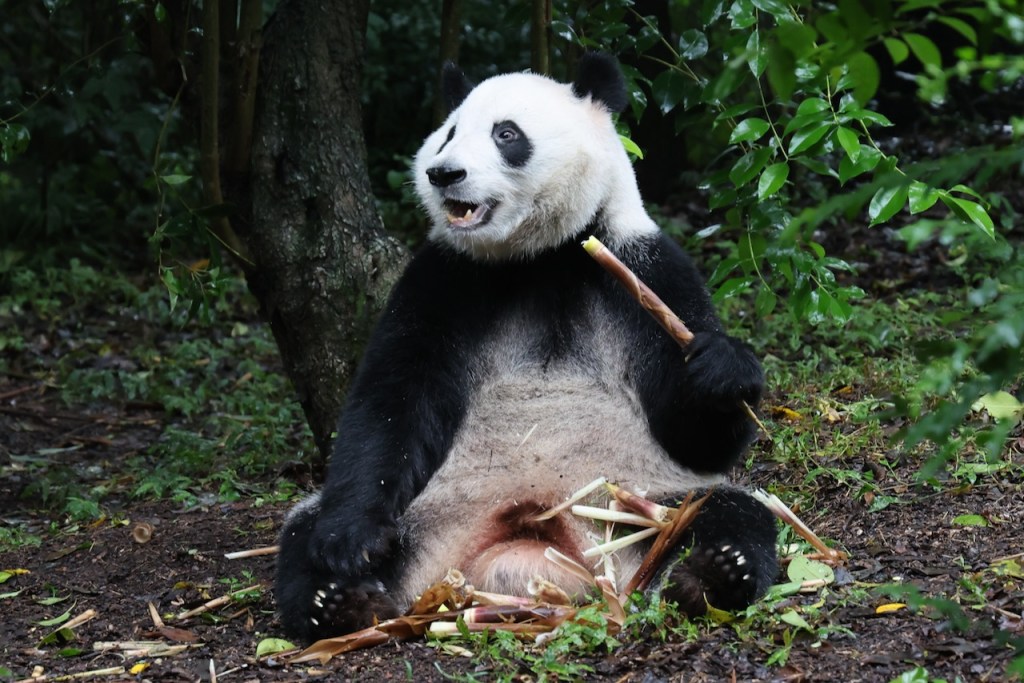
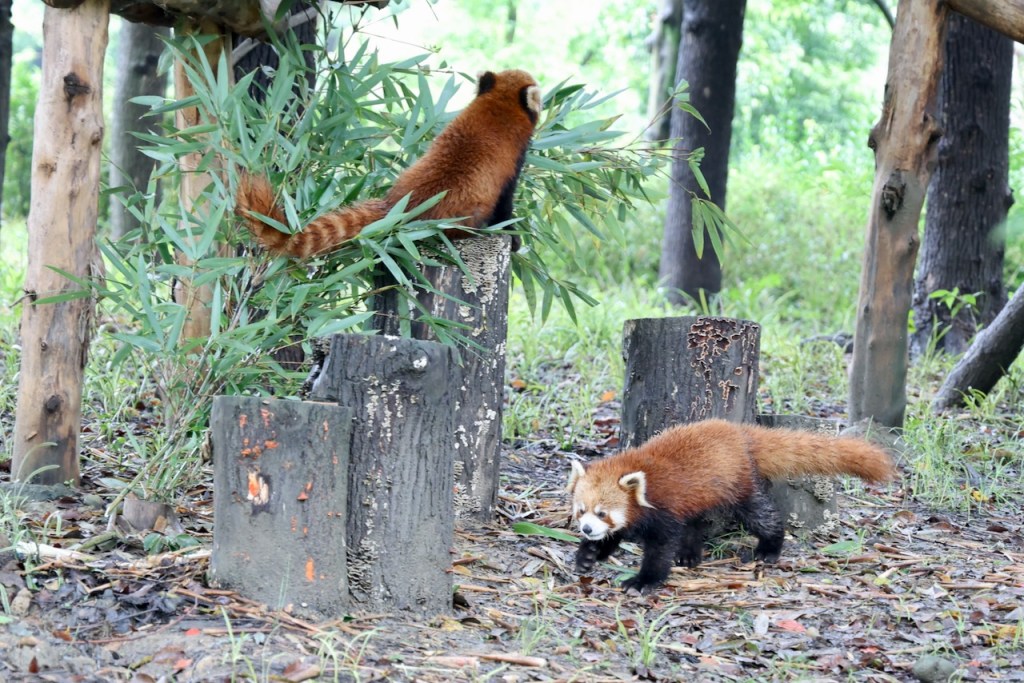
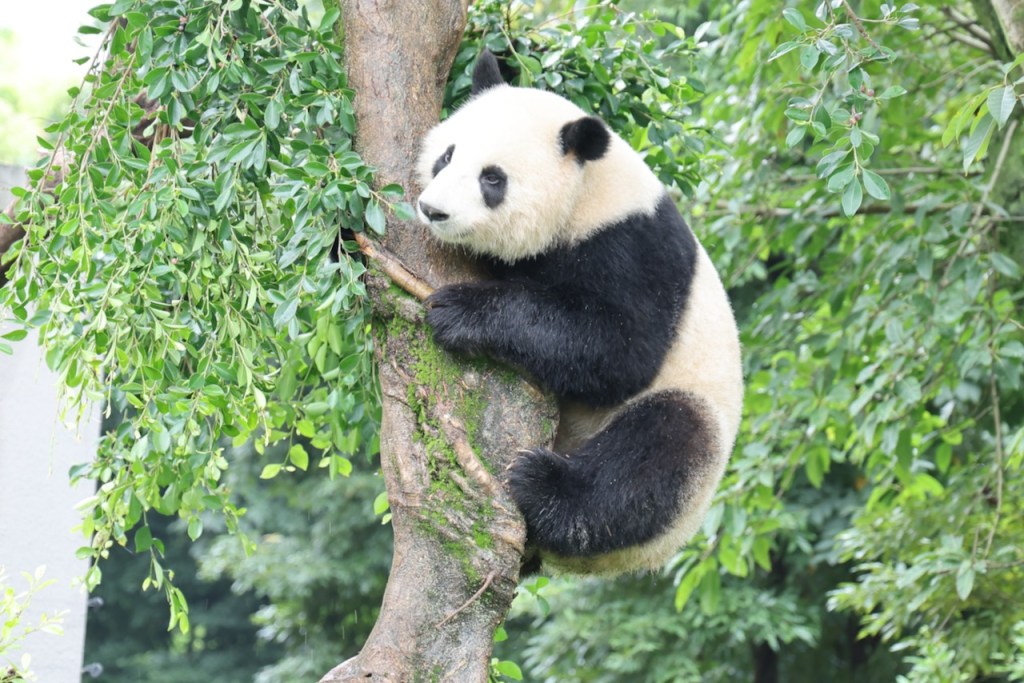
The Chengdu Research Base of Giant Panda Breeding was founded in March 1987 by the Chengdu Municipal People’s Government to rescue and conserve endangered giant pandas. Over the past couple of decades, the base expanded its core area to over 238 hectares, replicating natural hillside bamboo habitats. The captive population at the facility has grown to over 240 giant pandas, making it the largest captive-bred population in the world.
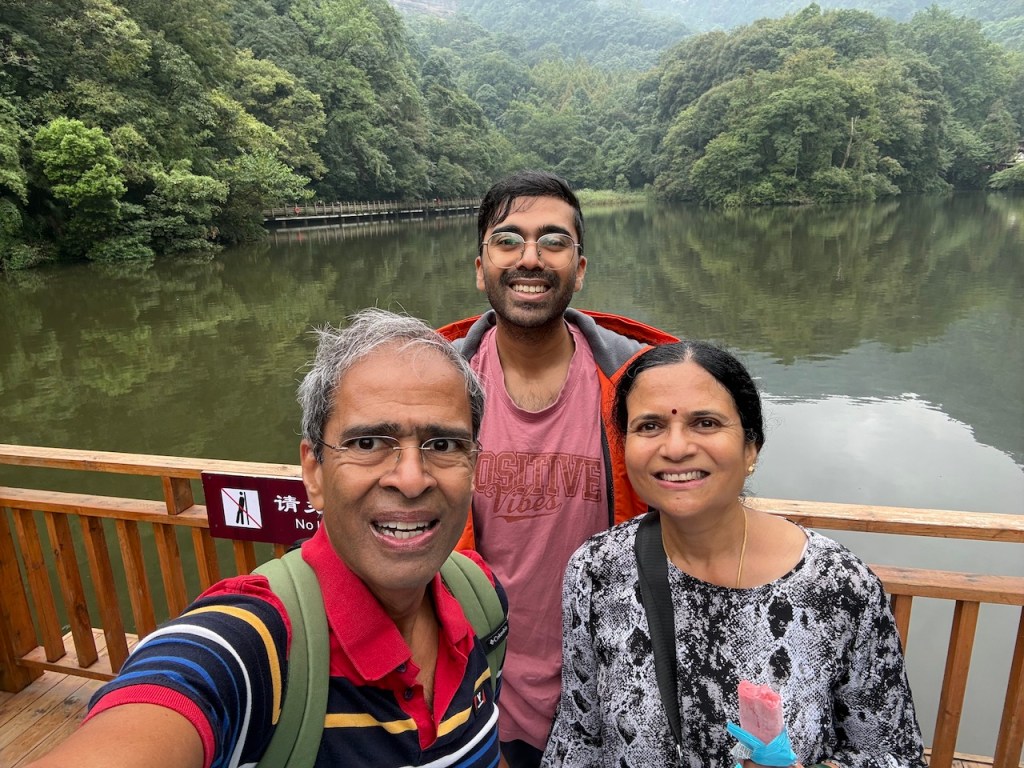
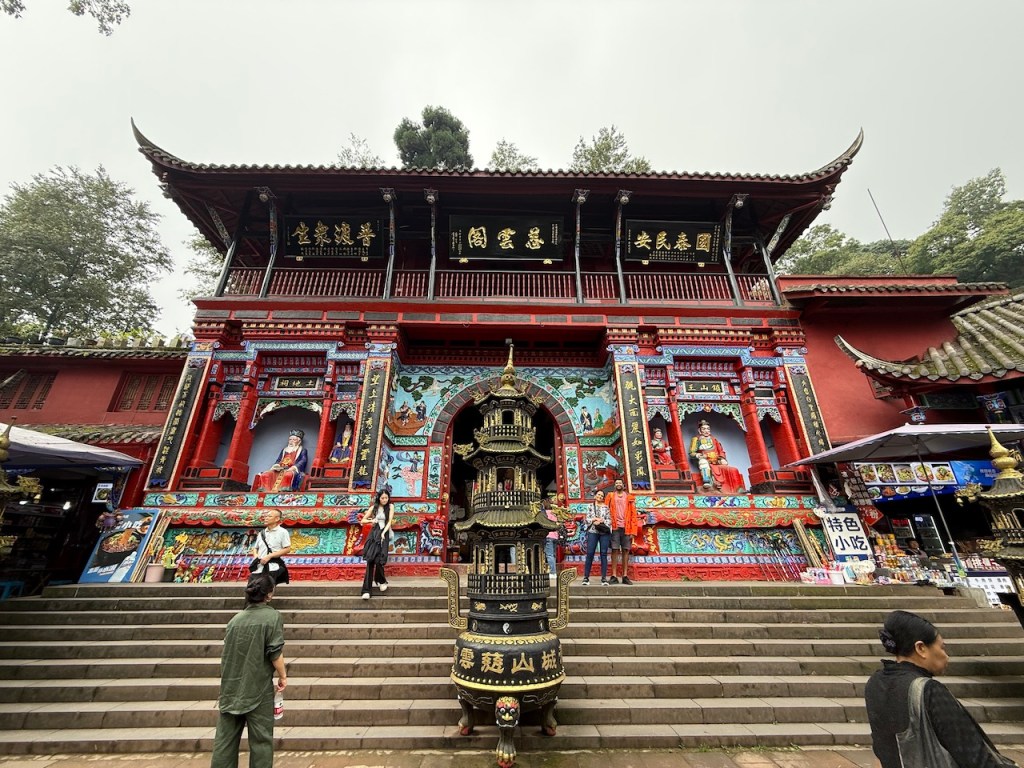
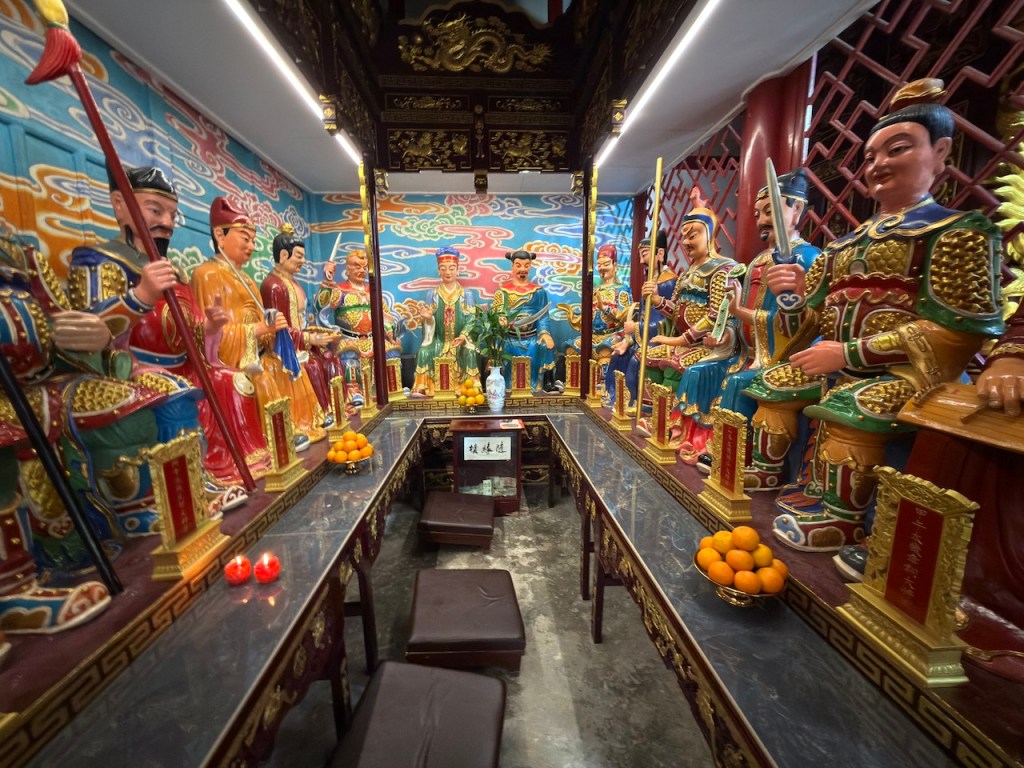
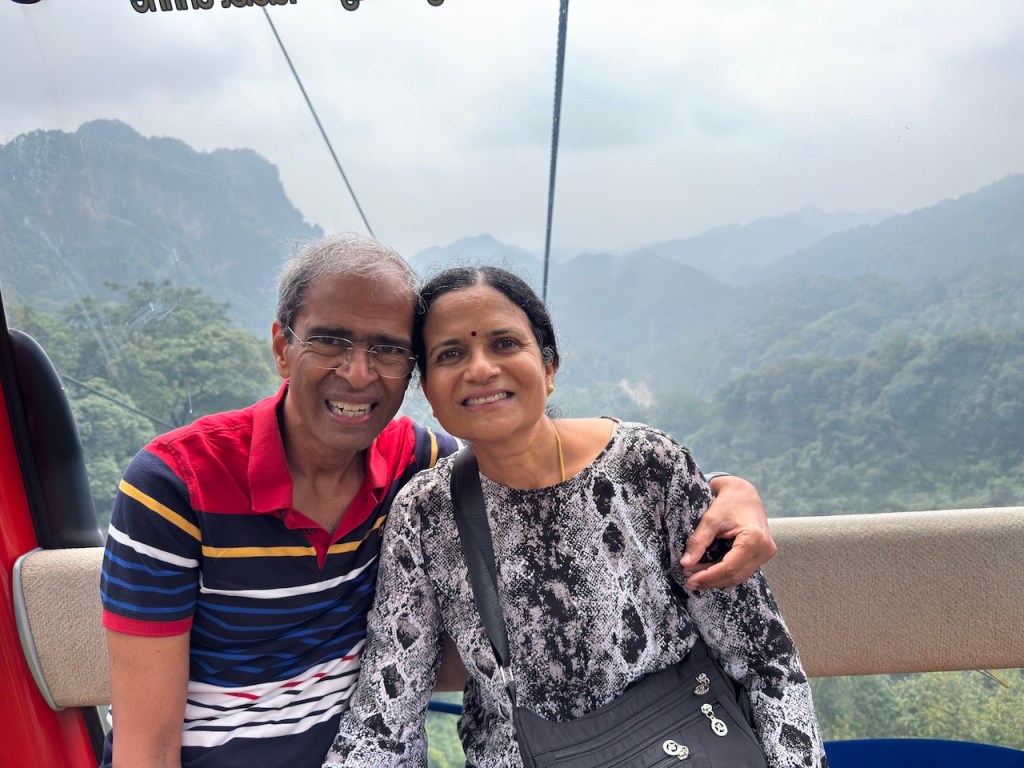
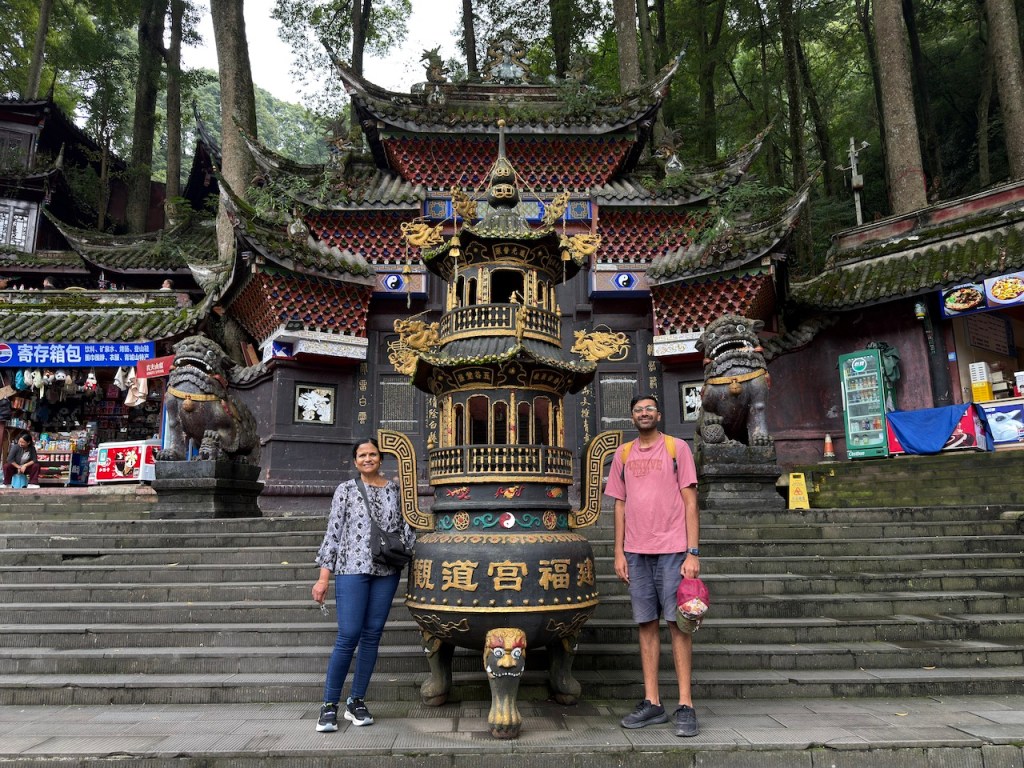
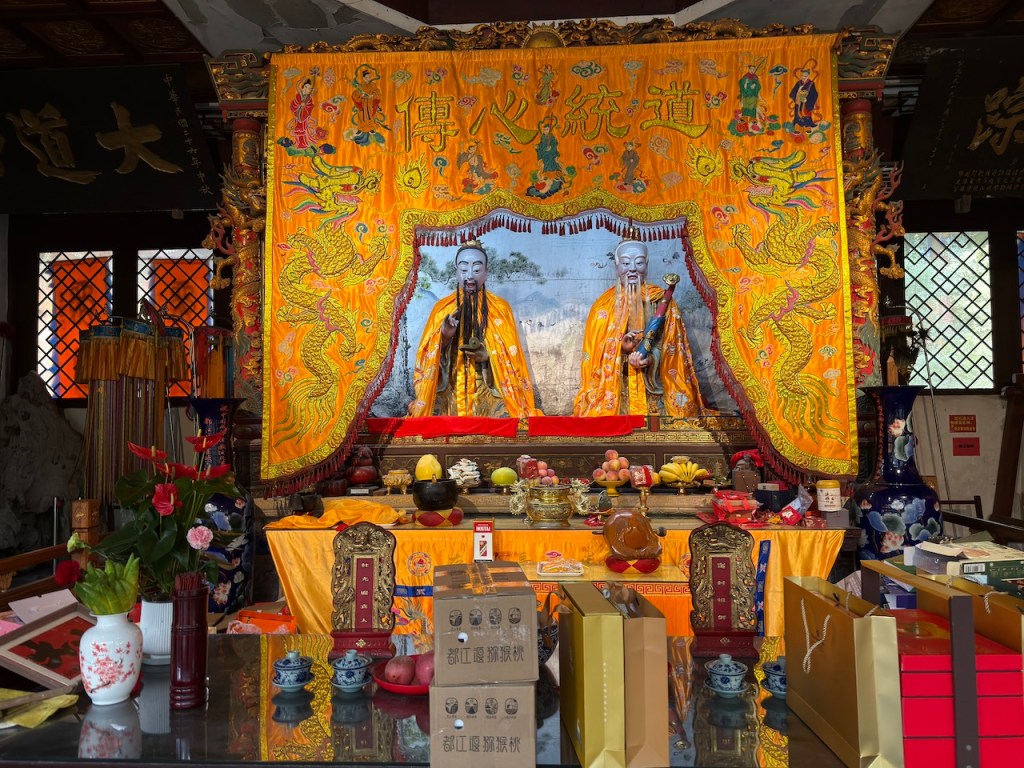
On our third day in Chengdu, we first visited Mount Qingcheng, located 68 kilometers from Chengdu. This is the historic birthplace of Taoism and a UNESCO World Heritage Site celebrated as the “serenest mountain under heaven”. Taoism thrived under imperial patronage, with temple counts exceeding 70. Emperor Xuanzong renamed key sites, and prominent scholars and monks utilized the mountain for education and ascetic practice.
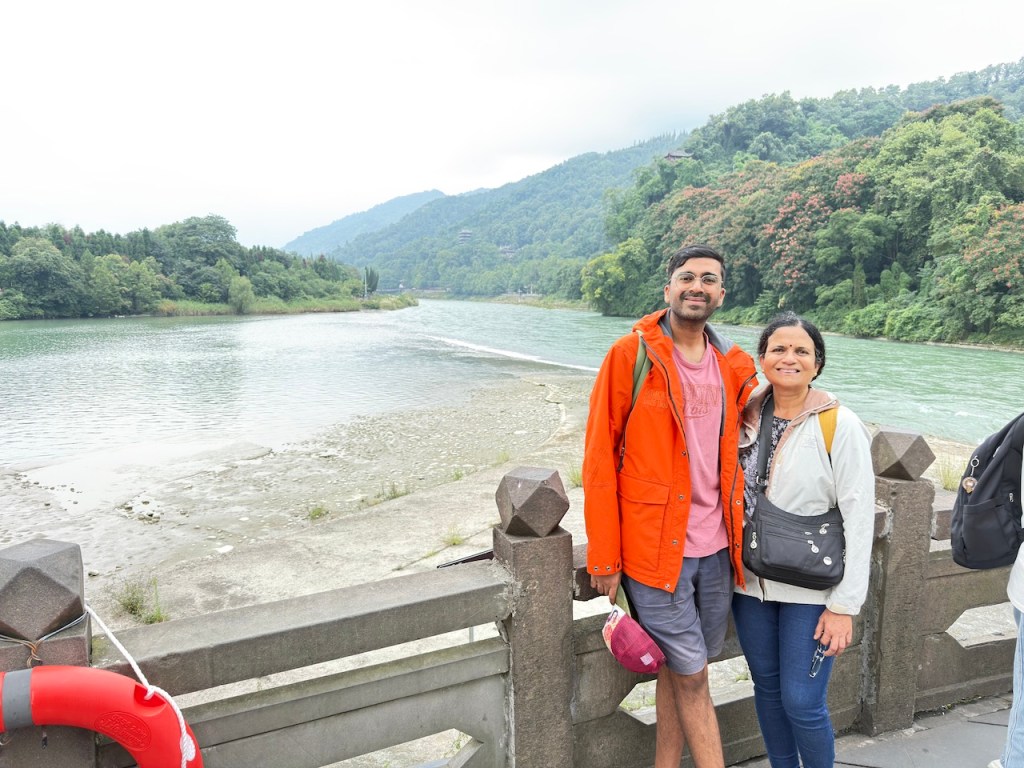
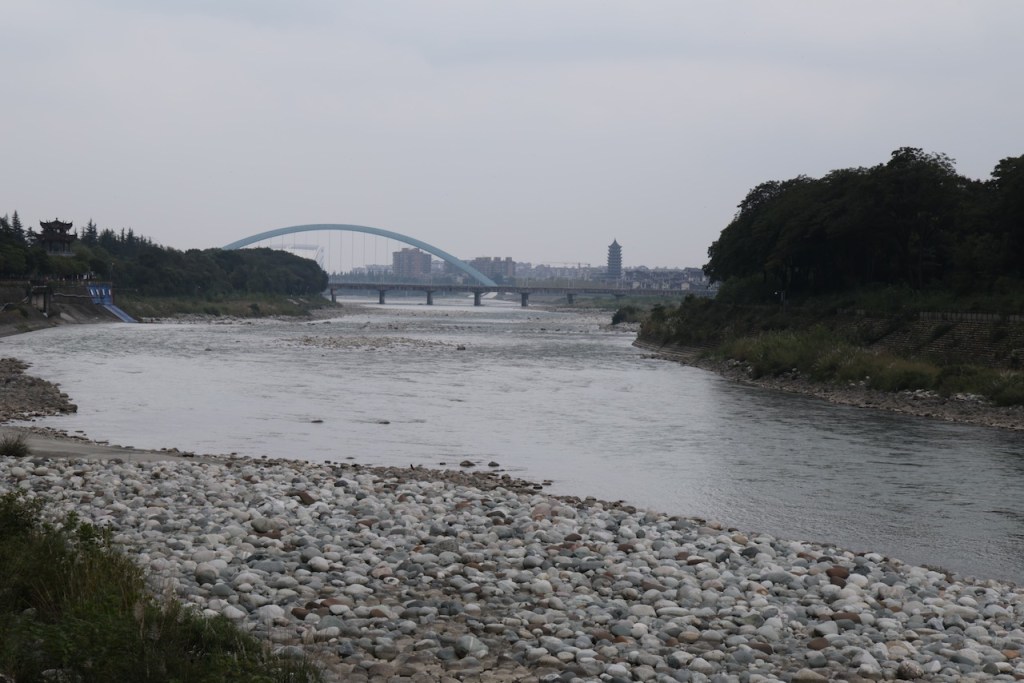
Our next visit was to the The Dujiangyan Irrigation System in Chengdu. It’s the world’s oldest and only surviving no-dam, dam-free water-diversion project, built around 256 BC during the Warring States period. Instead of building a disruptive blocking dam, Li Bing used local topography and a smart natural gravity-flow design to split, control, and channel the rushing waters. The project was initiated by Li Bing, a governor of the Shu commandery under the Qin State, alongside his son. The Minjiang River, fed by melting snow from the mountains, frequently flooded the Chengdu Plain on one side while leaving the other side prone to severe droughts. The irrigation system transformed the flood- and drought-plagued Chengdu Plain into the remarkably fertile Tian Fu Zhi Guo or “Land of Abundance”.
Our last city in China was Chongqing. We took a fast train from Chengdu to Chongqing.
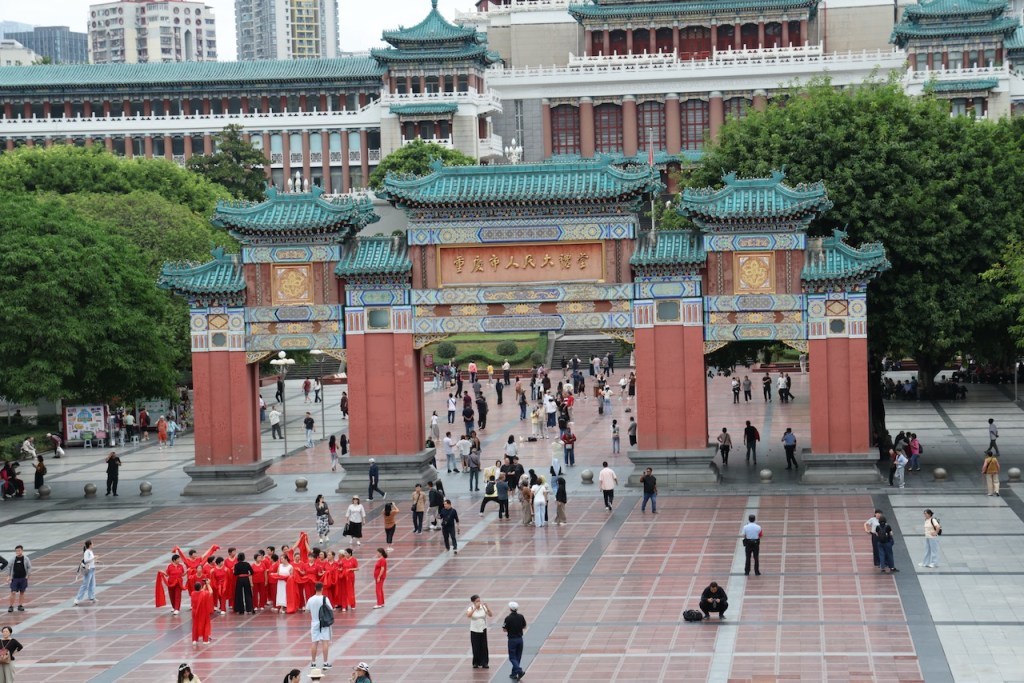
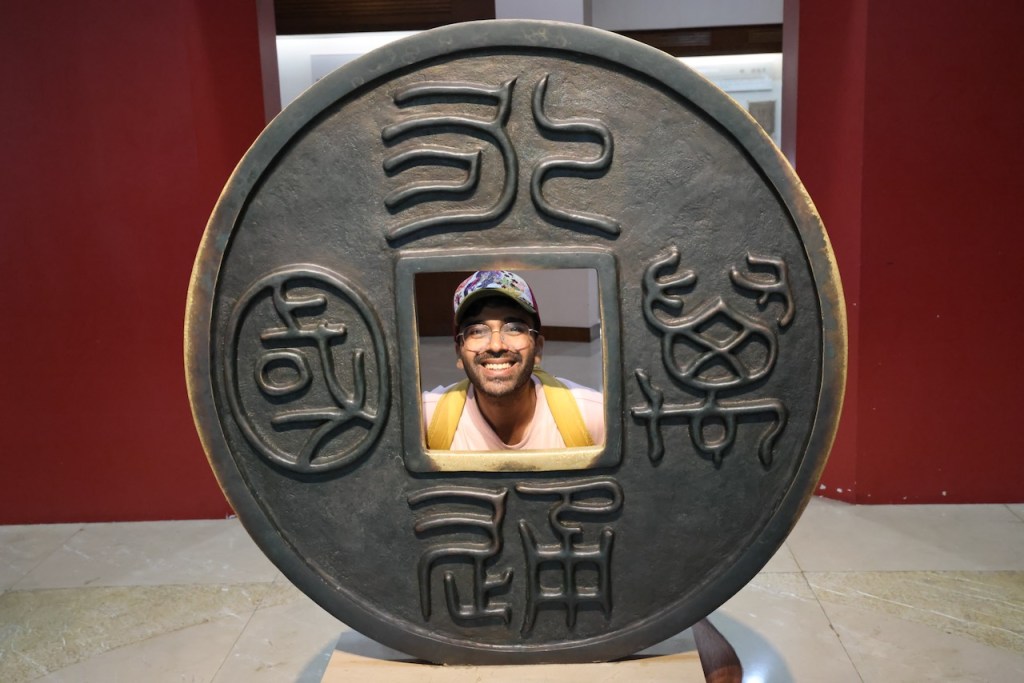
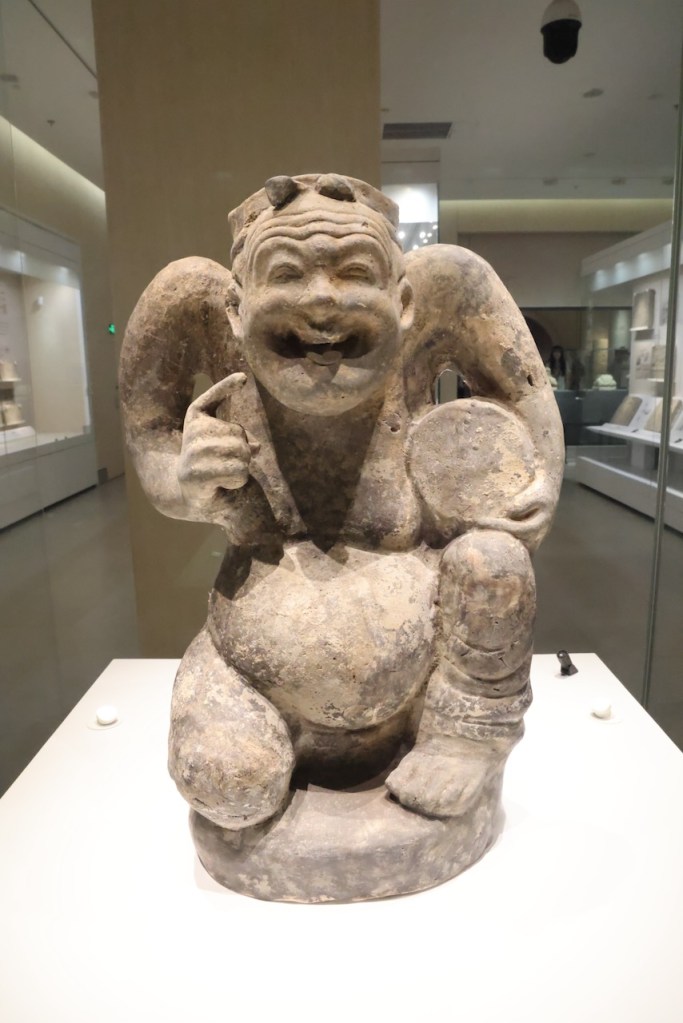
Our first visit was to the People’s Square, followed by the Three Gorges Museum in Chongqing.
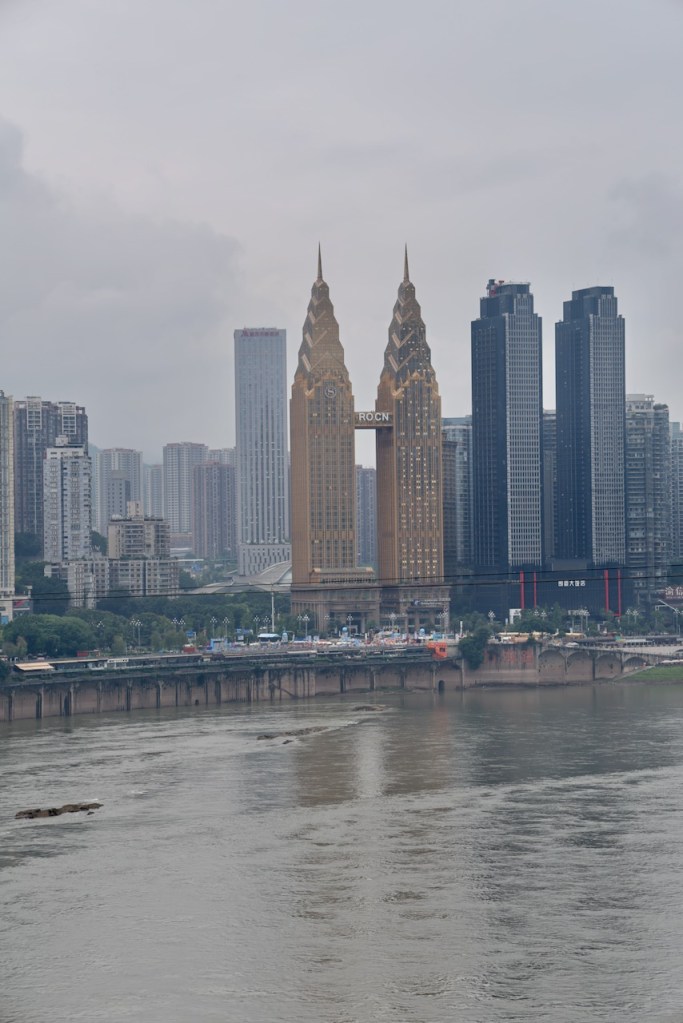
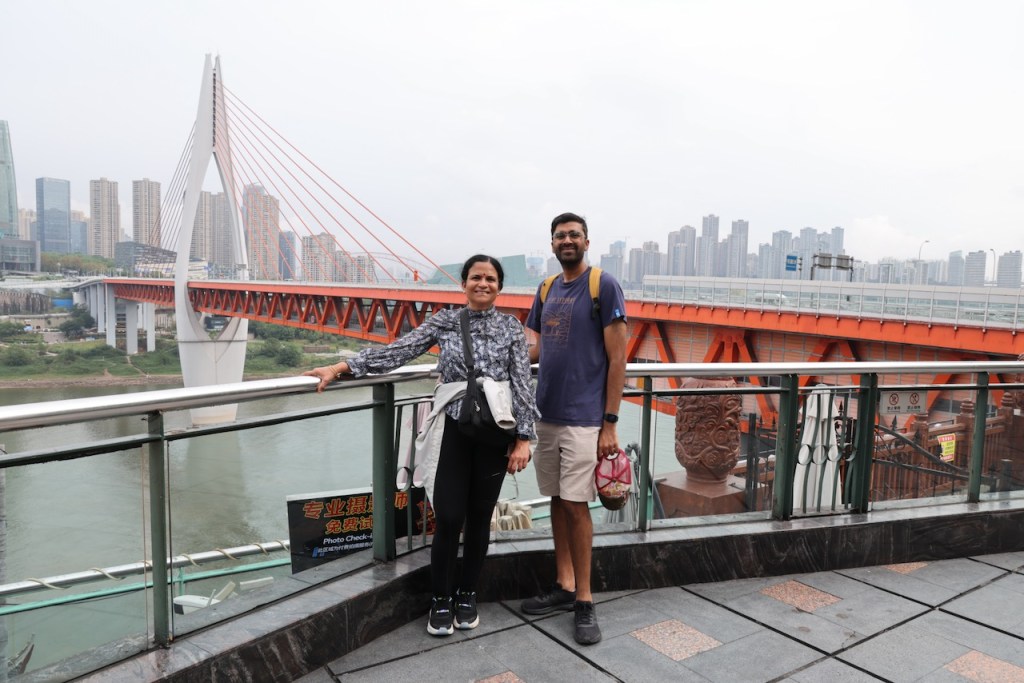
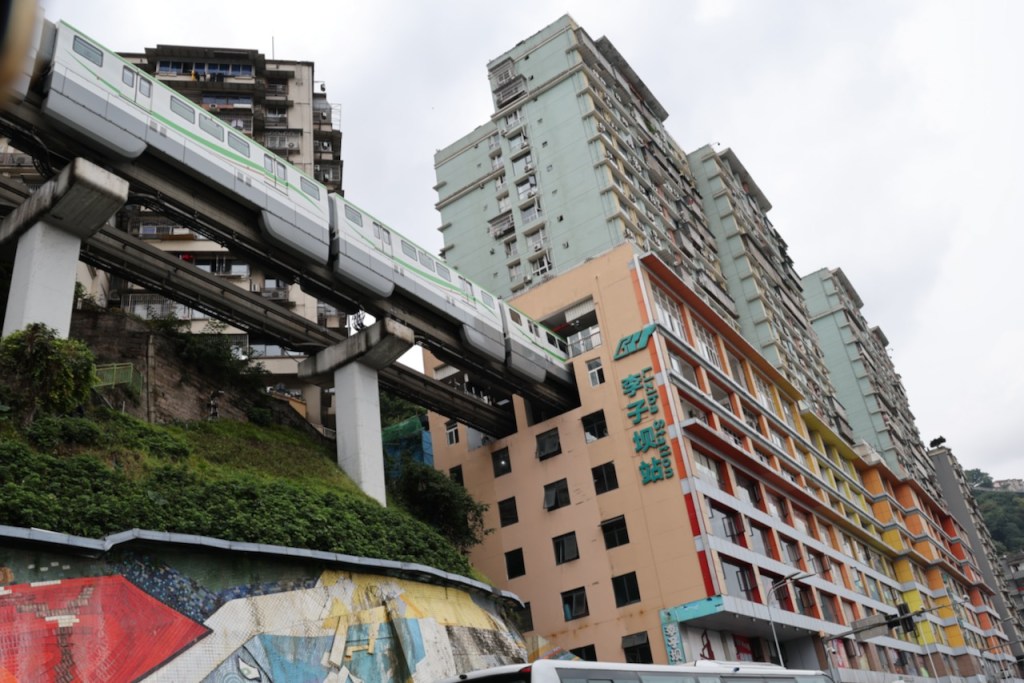
The following day, we visited Dongshuimen Bridge Chongqing, followed by Hongyadong Observation deck and lastly we visited the famous Liziba Station.
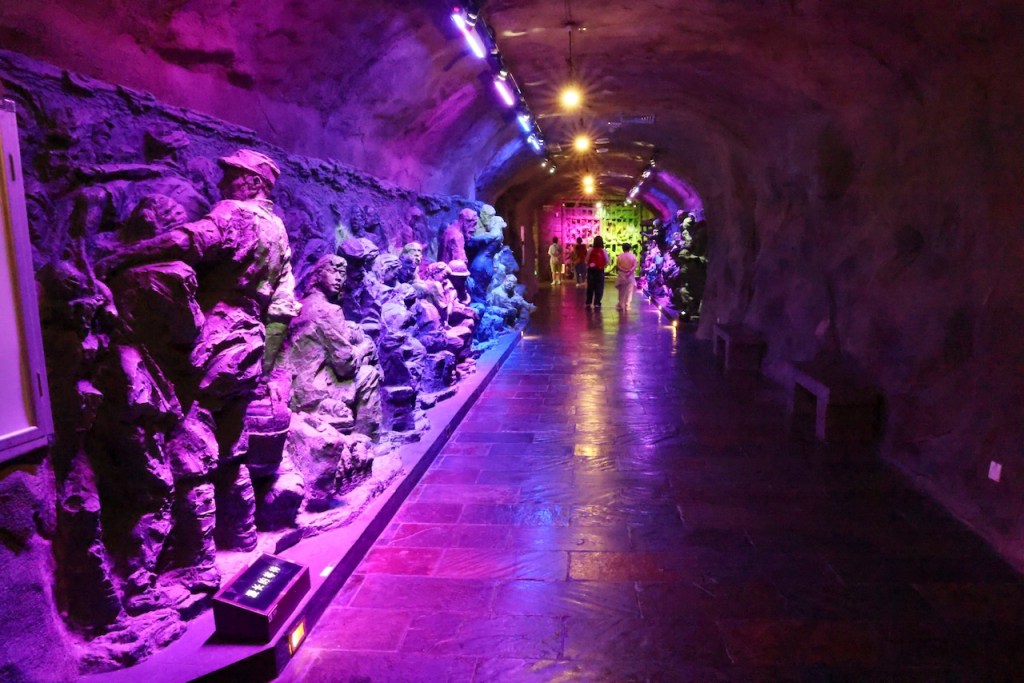
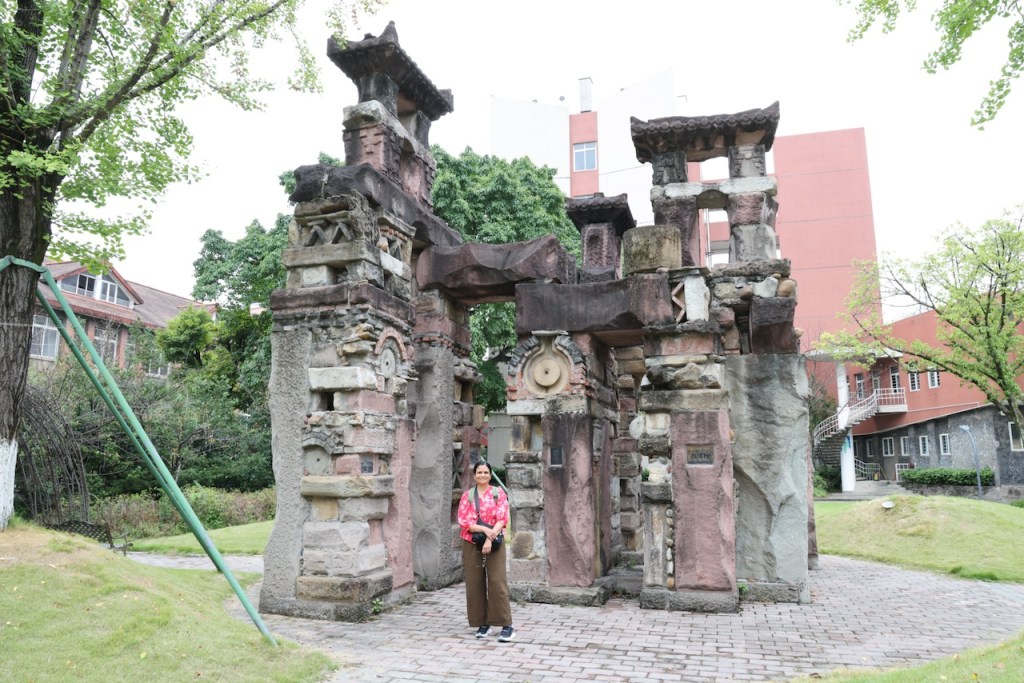
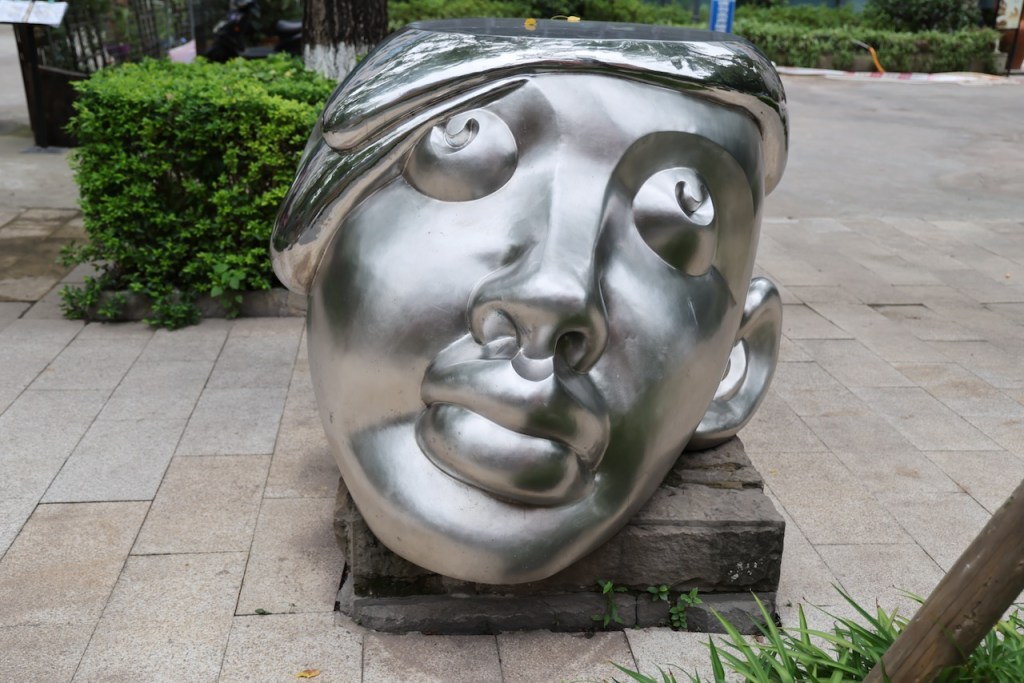
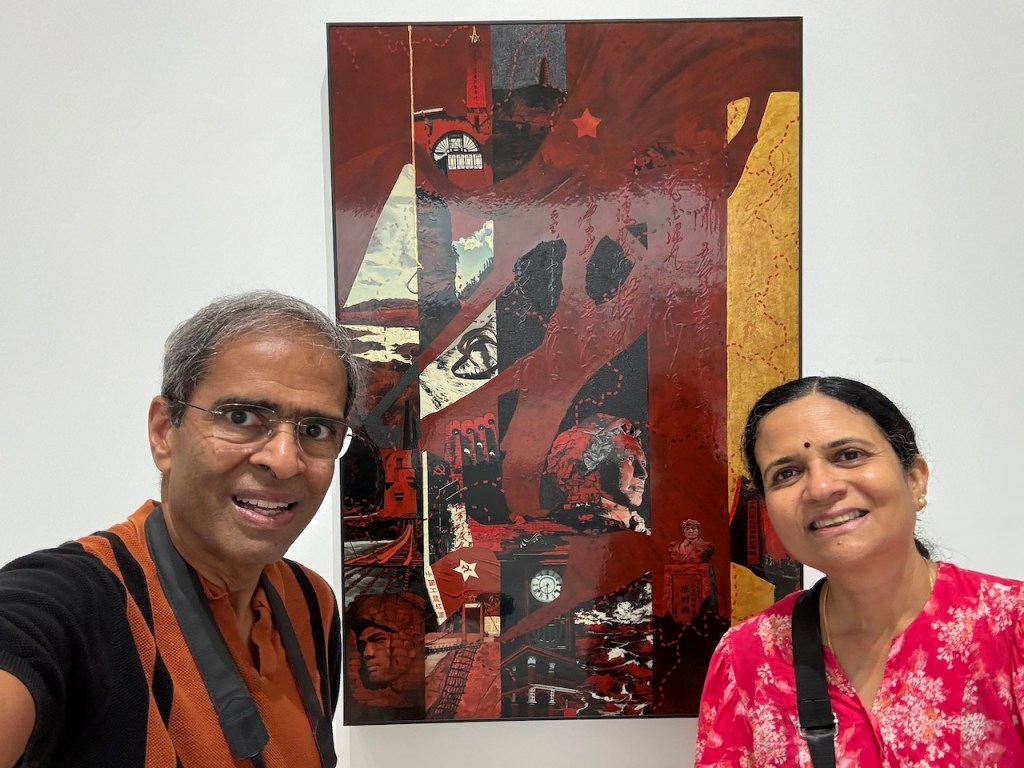
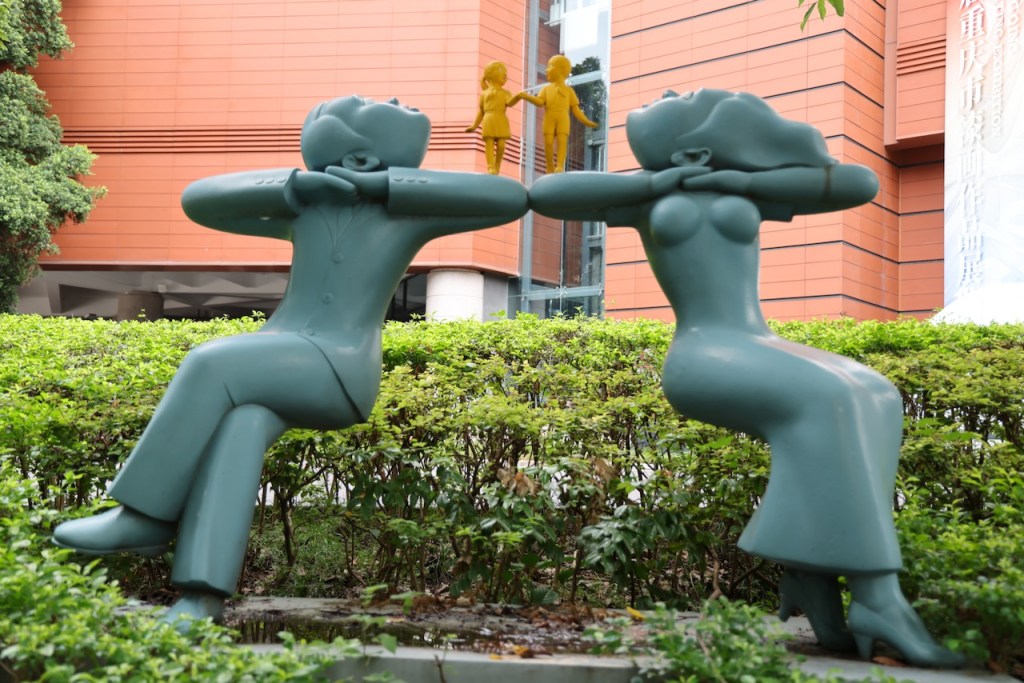
On our last day we visited the Sichuan Fine Arts Institute, which has lots of nice sculptures.
Our last visit was the ropeway across the Yangtze river in Chongqing.
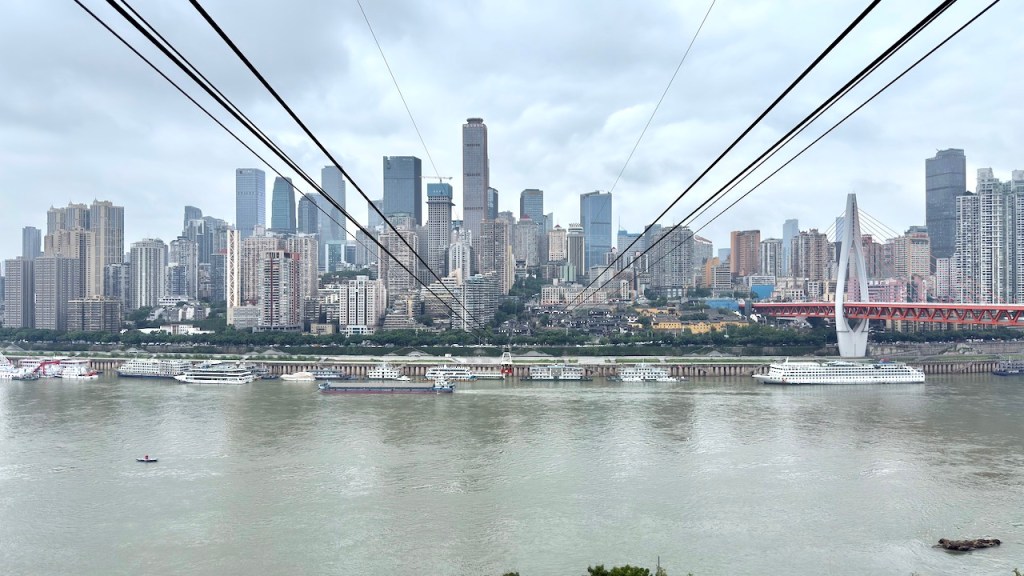
Overall, we really enjoyed the various attractions in Beijing, Chengdu and Chongqing. The trip was quite spectacular.

