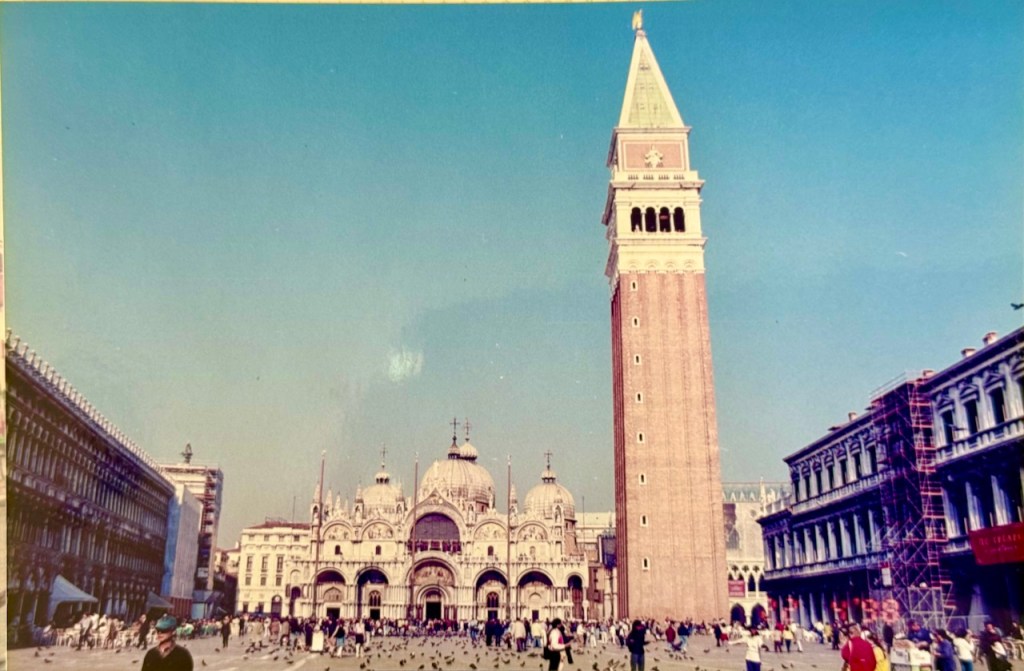
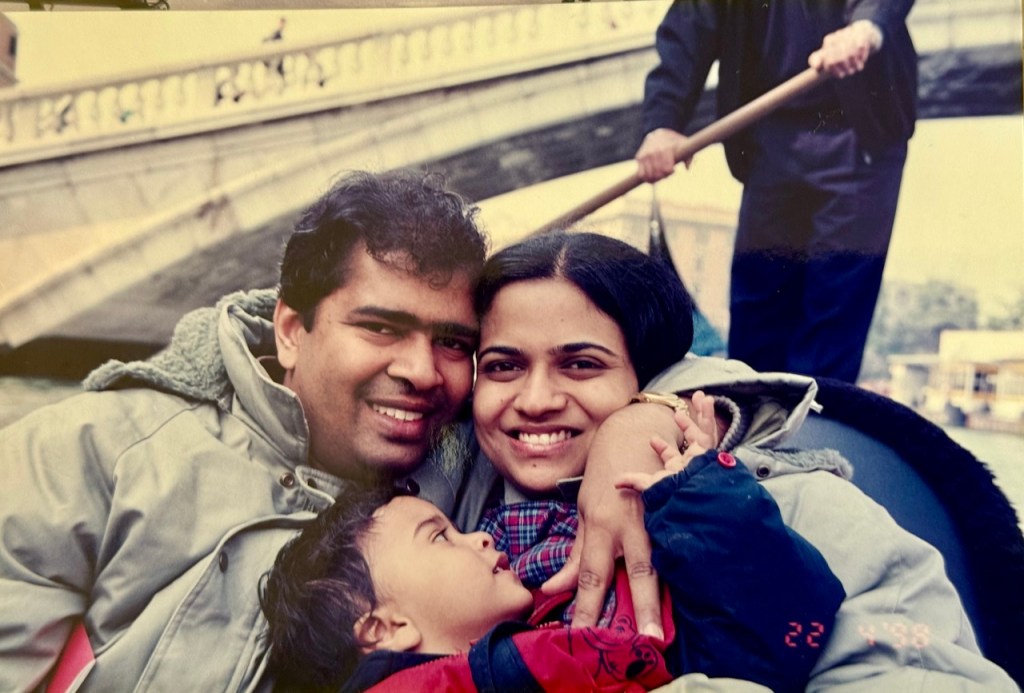
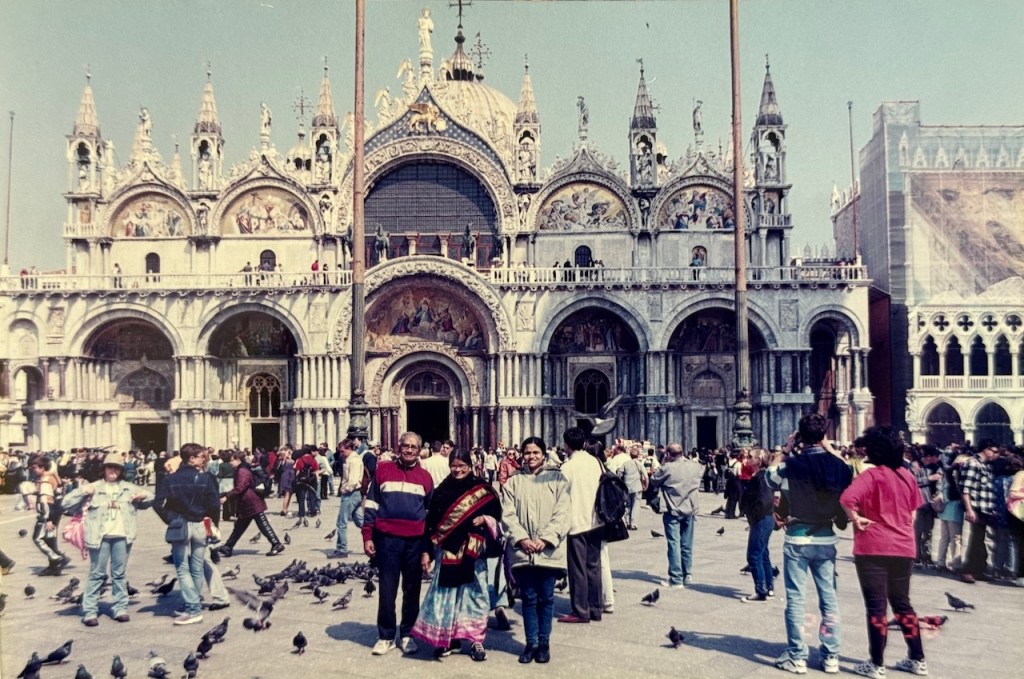
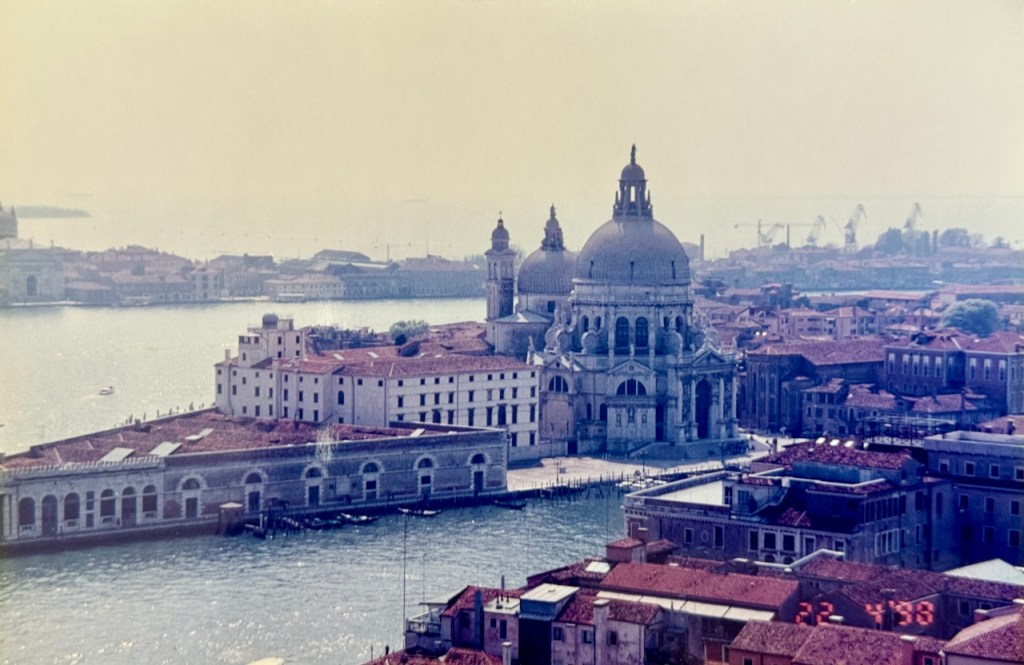
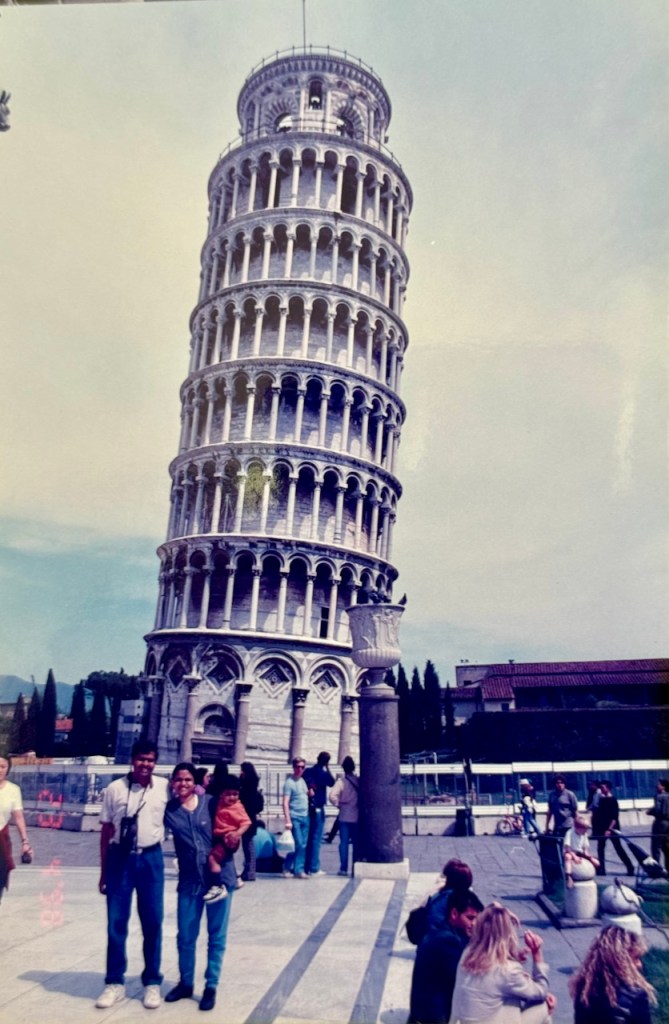
We did a 3.5 weeks trip to Italy in May 2026, covering many key places. Our starting point was Milan, followed by the Dolomite Mountains (3 hours east of Milan), the Grand paradise National Park (3 hours west of Milan), Monterosso plus 4 villages in Italy Mid-west, Naples (plus Mt. Vesuvius and Pompei), Amalfi Coast, Sicily (Palermo, Mt. Etna and Agrigento) and finished with Rome and the Vatican. We had already covered Venice and Pisa in a trip about 30 years back :-).
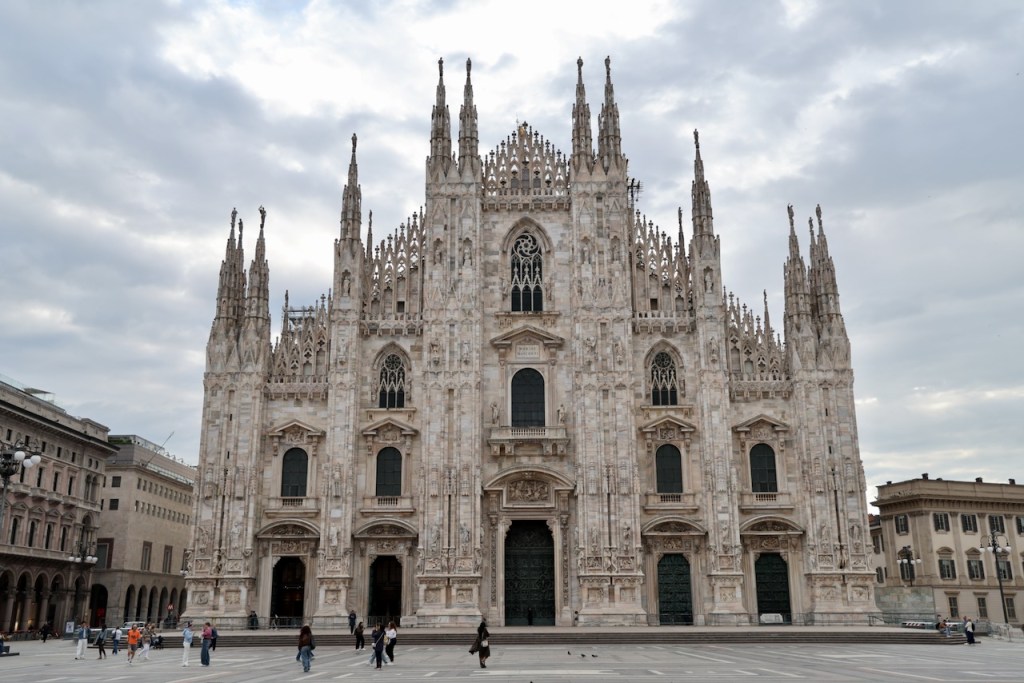
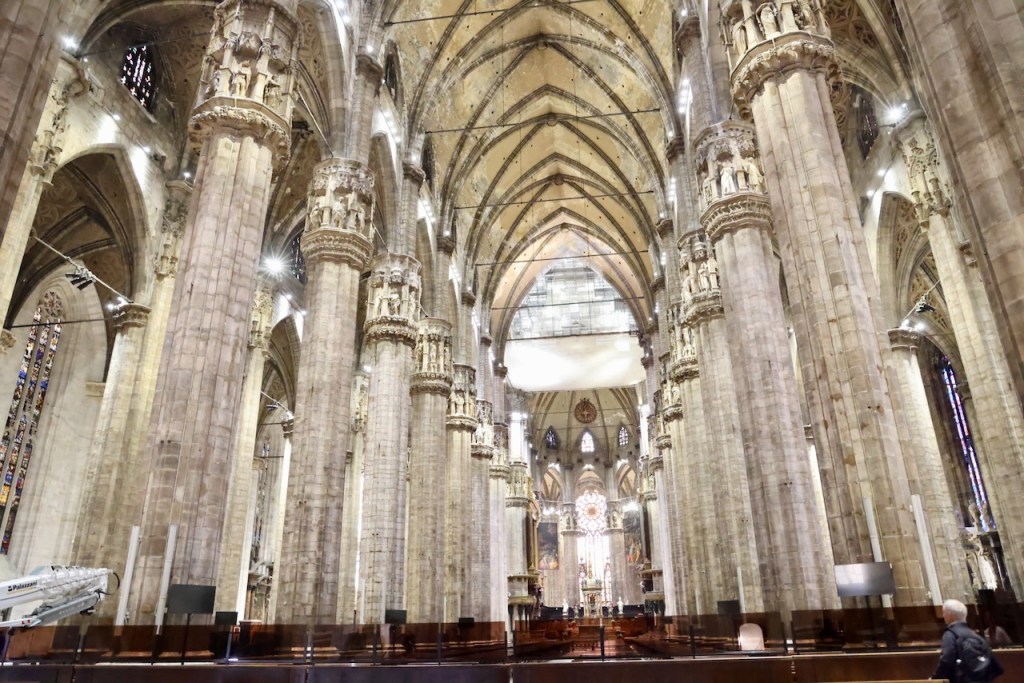
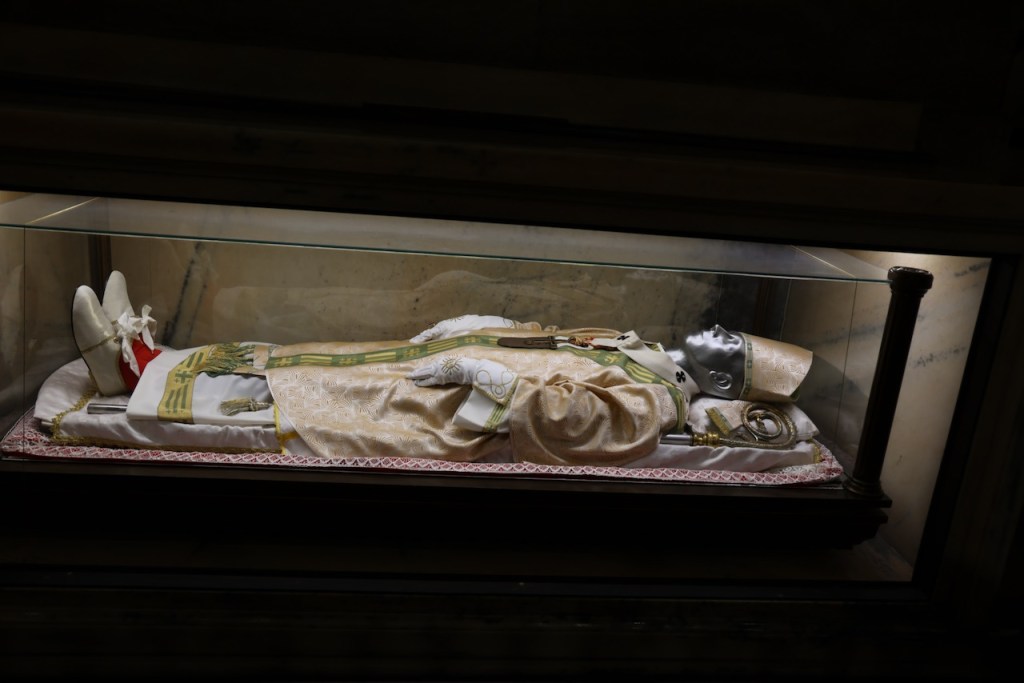
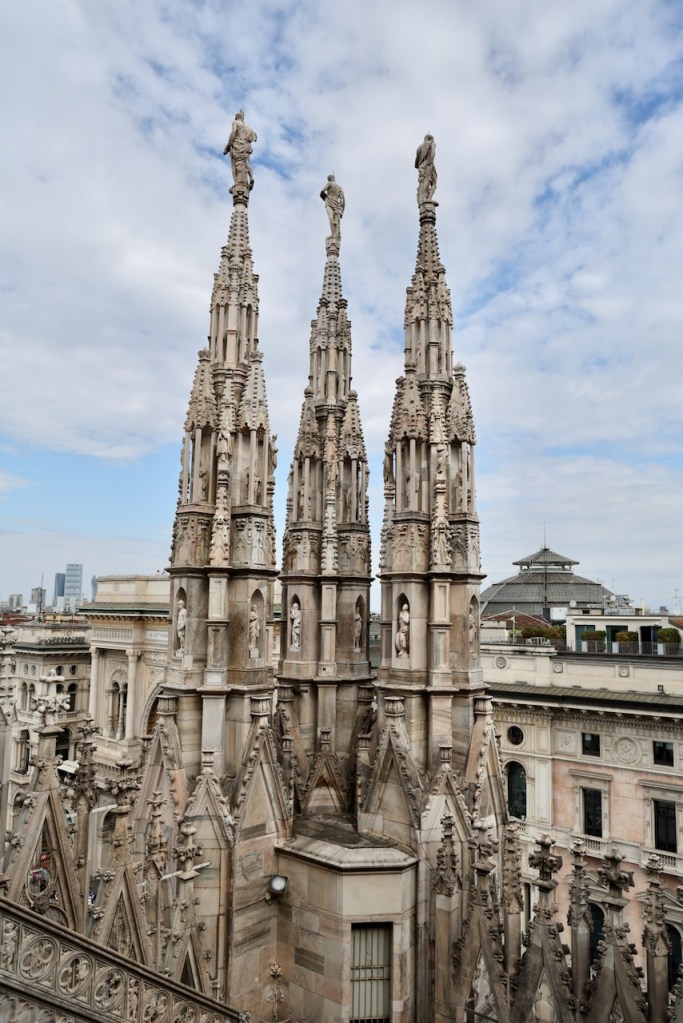
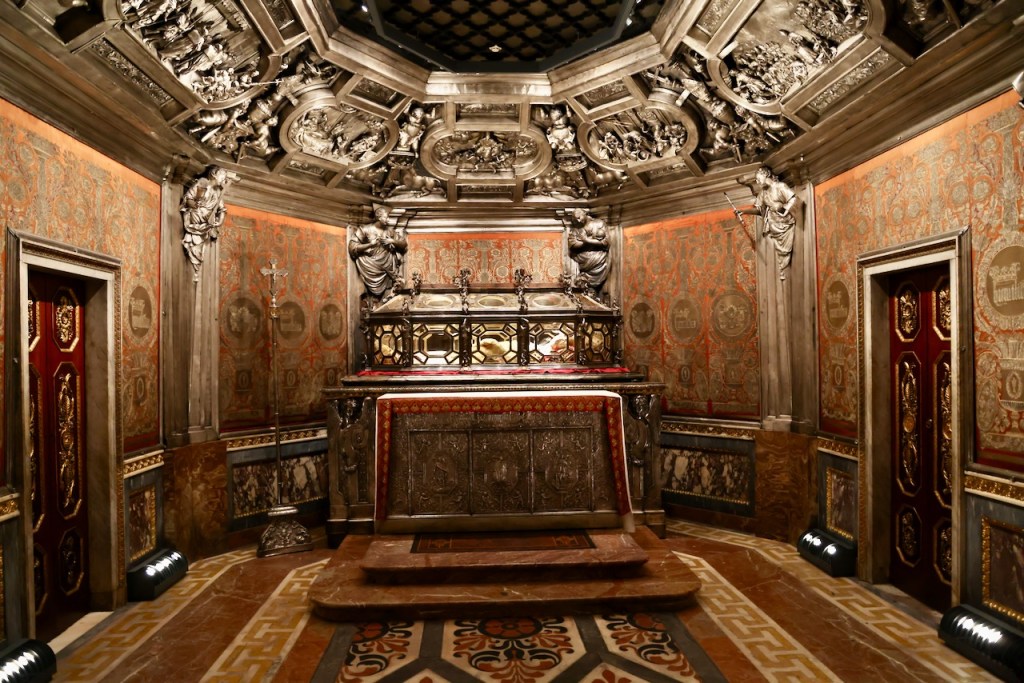
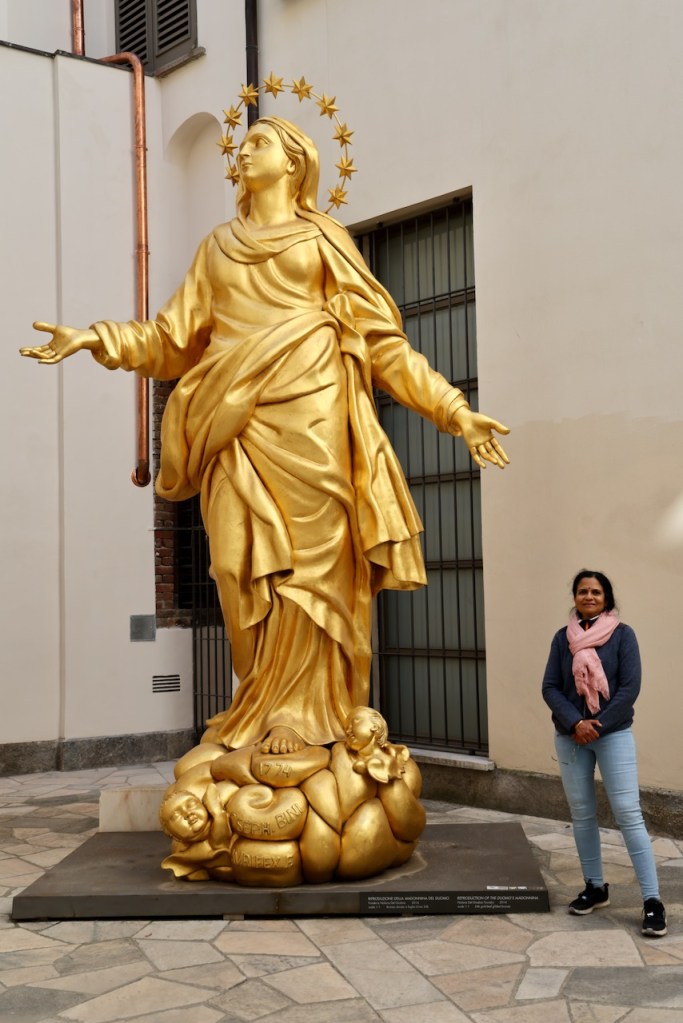
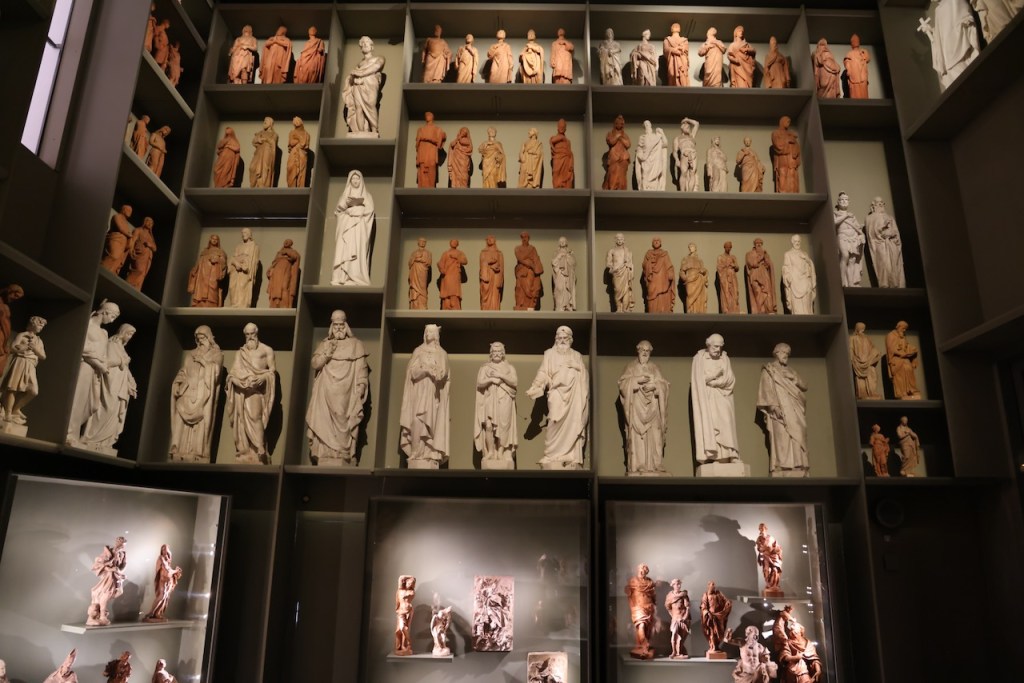
Our first place to see in Milan was Duomo di Milano, which requires advance ticket booking, including separate tickets for taking a lift to see the sculptures on the roof. Construction of Milan’s magnificent Gothic cathedral, the Duomo di Milano, began in 1386 under Lord Gian Galeazzo Visconti and Archbishop Antonio da Saluzzo. Over nearly six centuries, it evolved into an architectural marvel, blending French Gothic, Renaissance, and Neo-Gothic styles before its final details were completed in 1965.
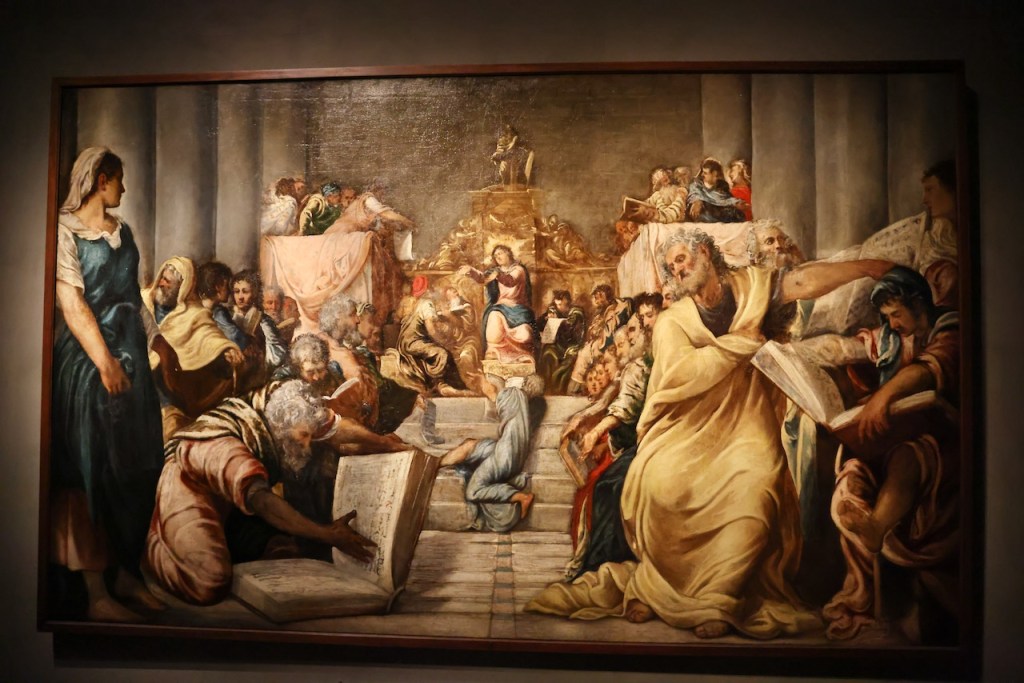

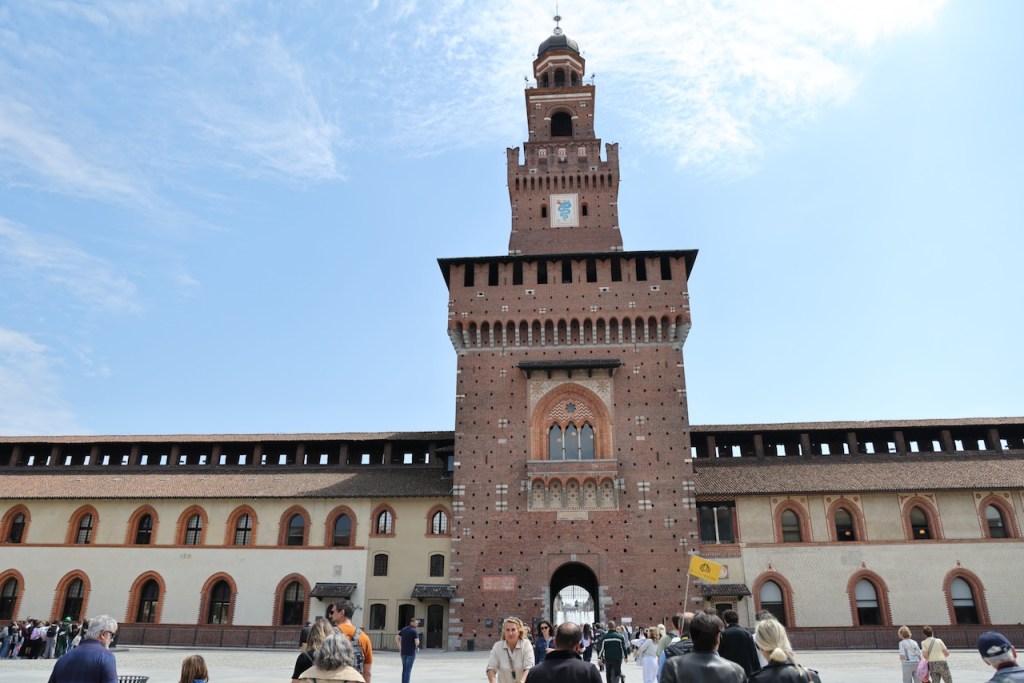
The Sforzesco Castle in Milan is a sprawling 15th-century fortress built by Francesco Sforza. It evolved from a medieval Visconti stronghold into a Renaissance ducal palace, hosted artists like Leonardo da Vinci, served as an oppressive military barracks, and is now one of Milan’s top cultural museums.
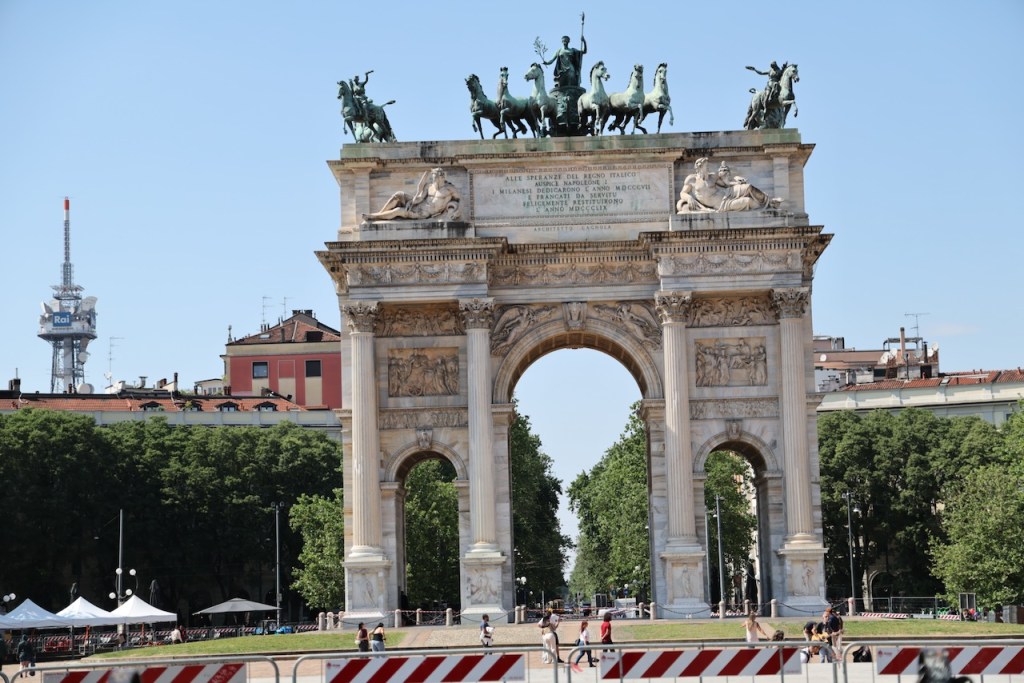
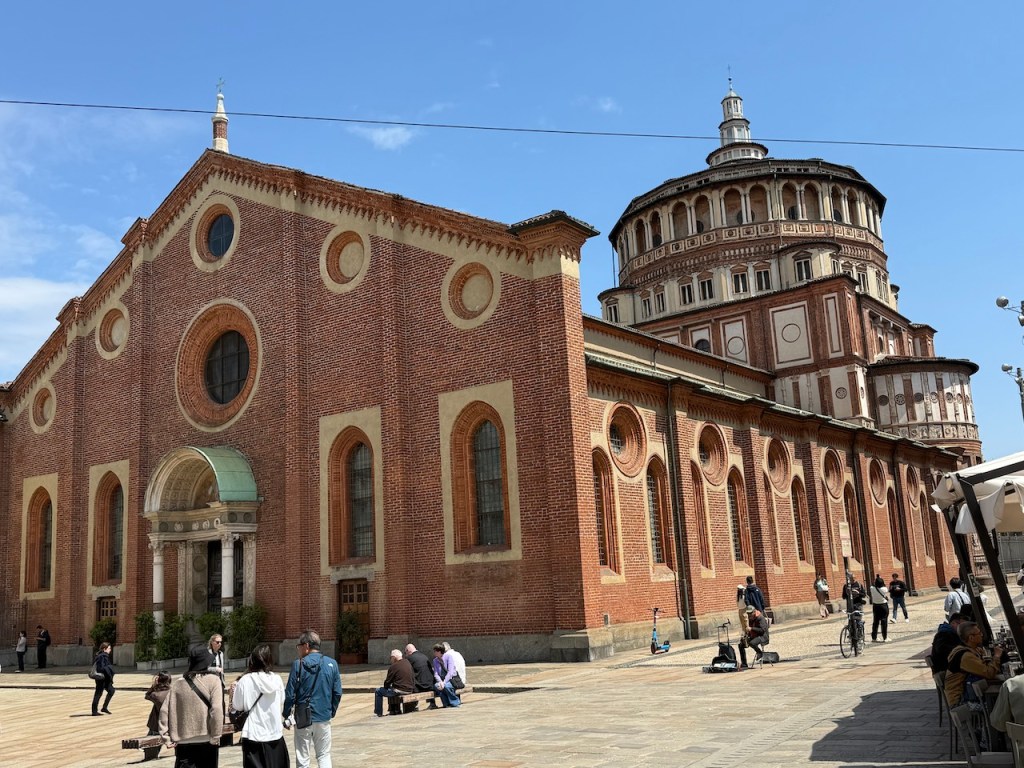
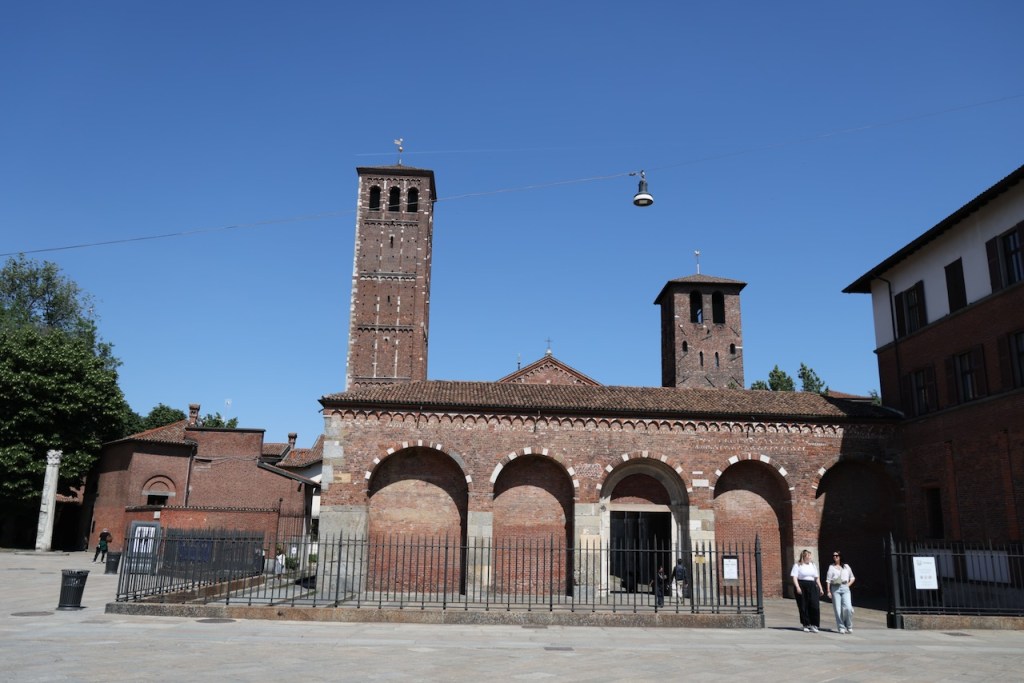
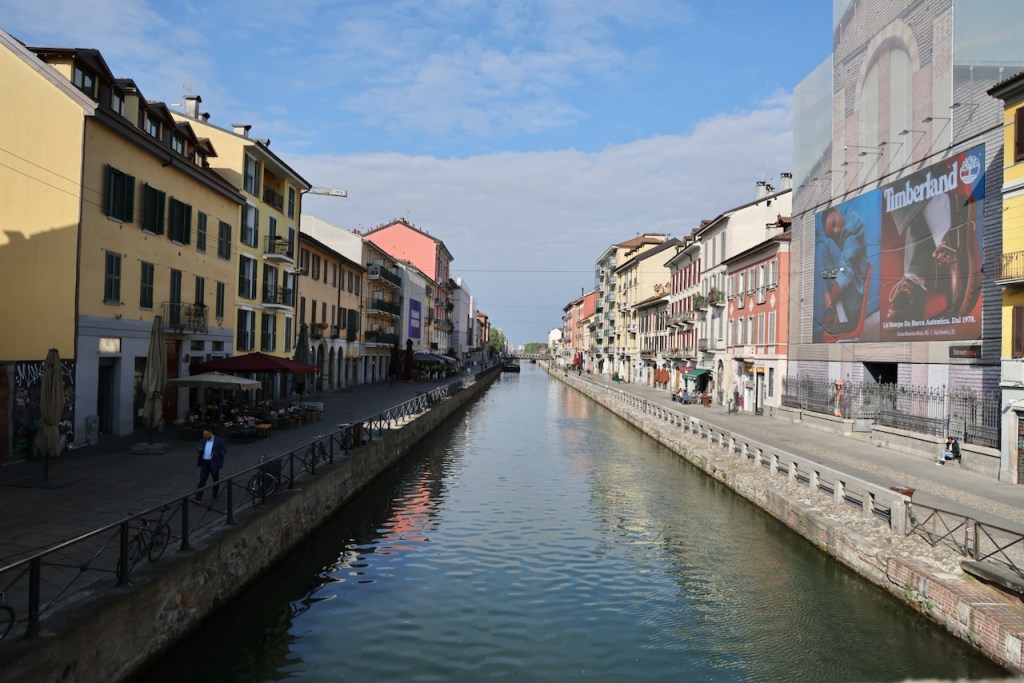
The three days in Milan were awesome, and our next destination was to the Dolomite Mountains.
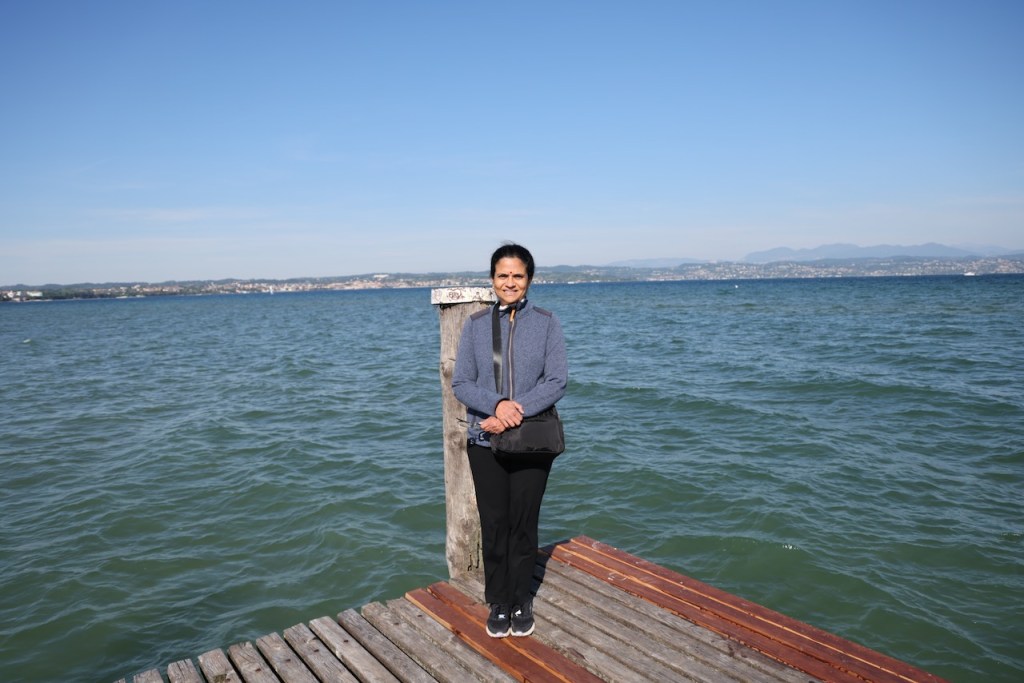
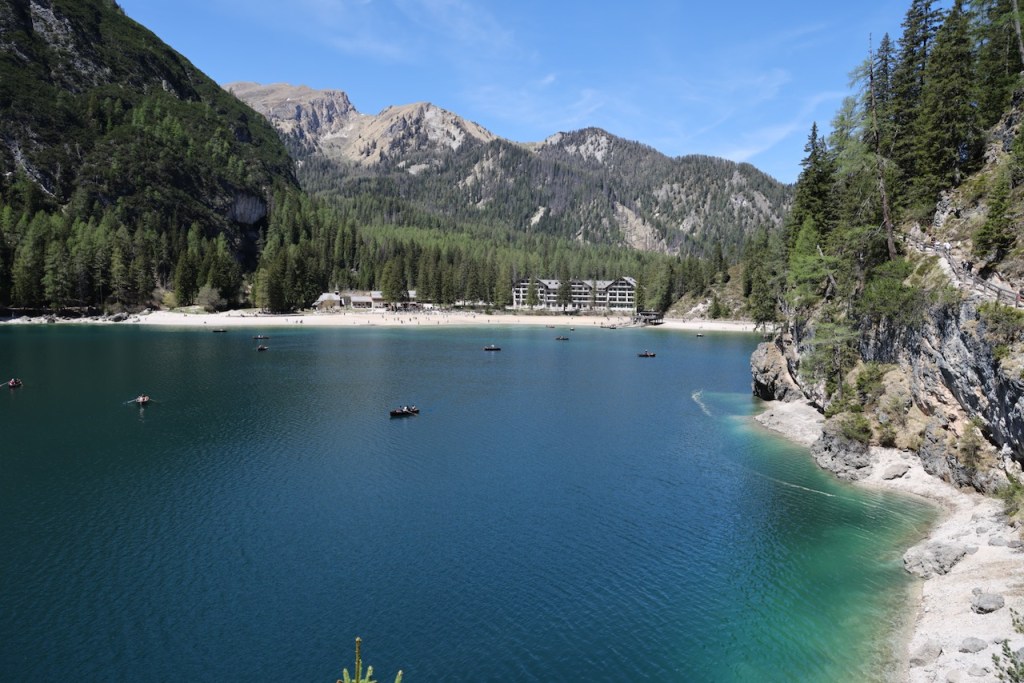
We hired a car from Milan and drove to the Dolomite mountains. We stayed at Santa Cristina, which is quite close to the Seilbahnen St.Ulrich cable car ride. On the way to the Dolomites, we stopped for a short while at Lake Garda, which is a huge lake with amazing views.
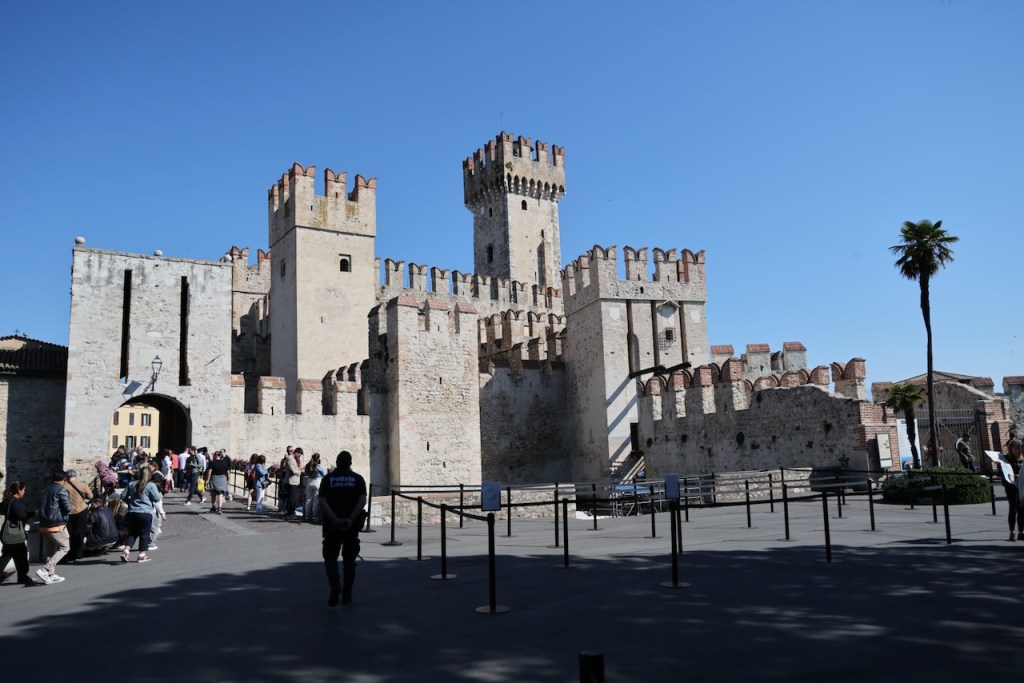
The castles around Lake Garda, primarily built between the 9th and 14th centuries, originated as defensive Lombard and Frankish strongholds. They were largely expanded by the powerful Scaligeri (Della Scala) family of Verona, before passing to Venetian, French, and Austrian control.
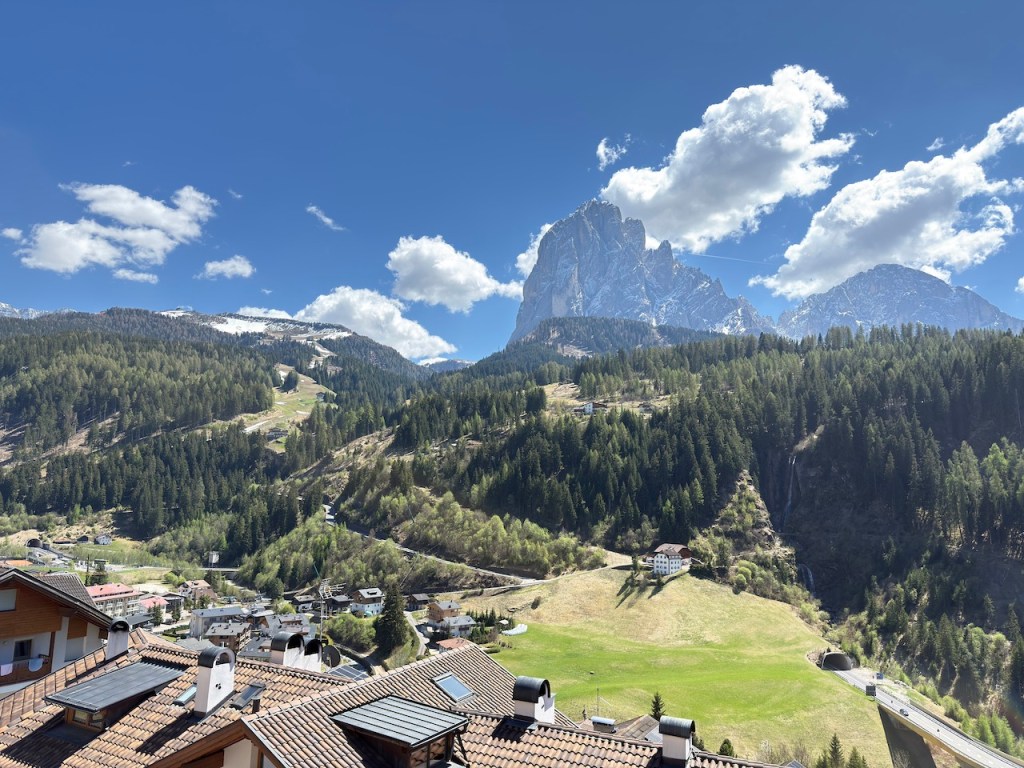
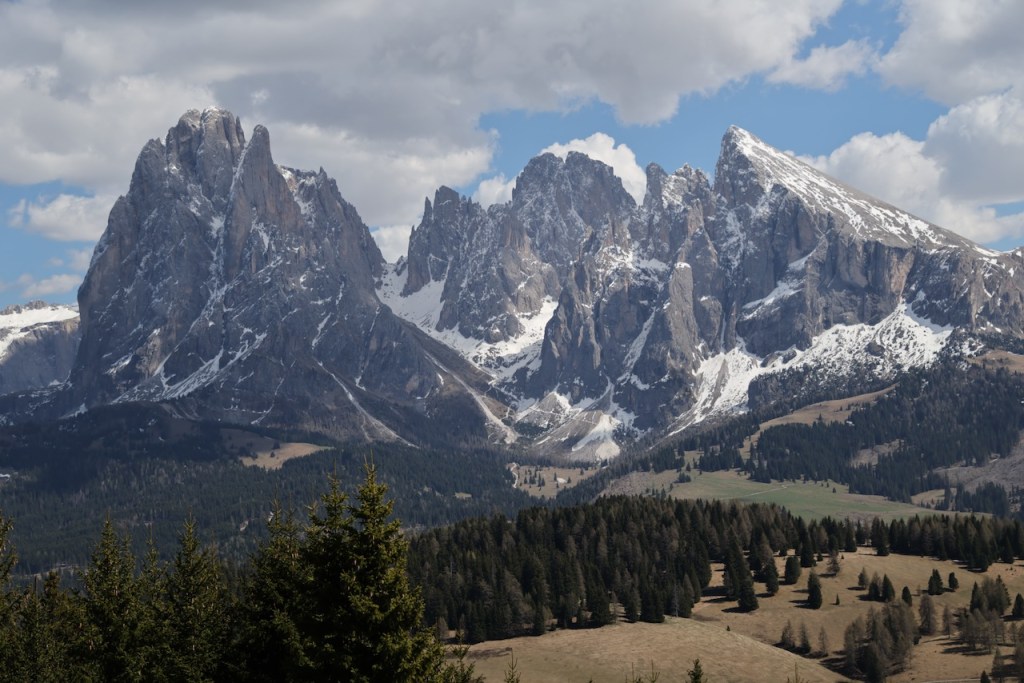
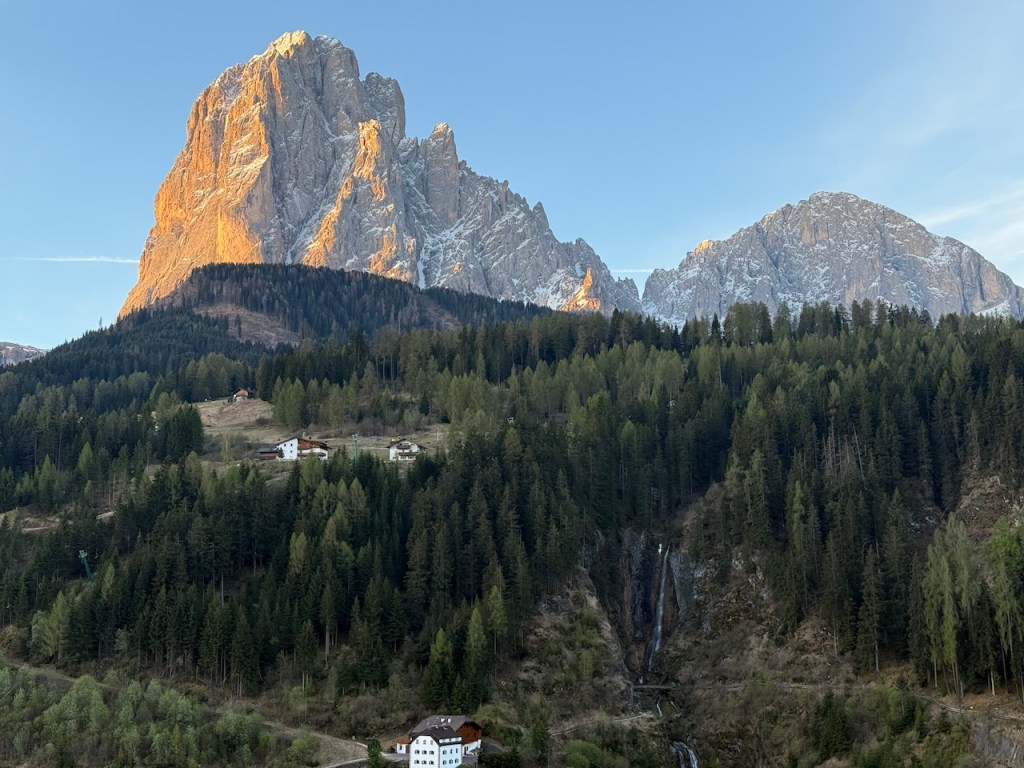
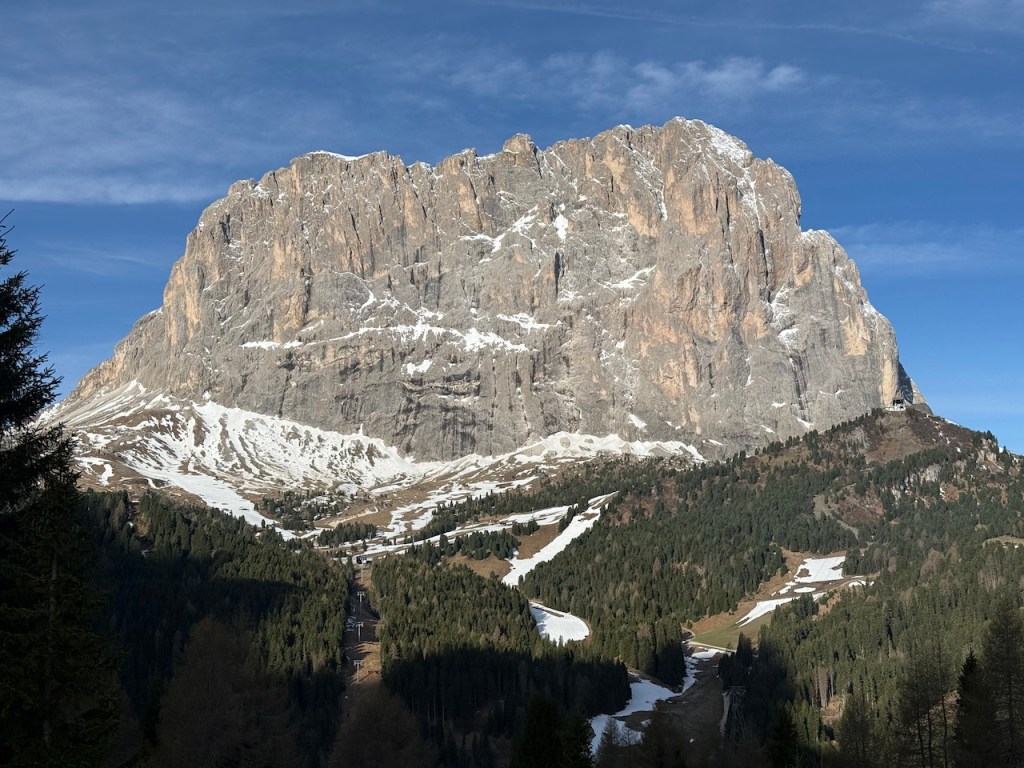
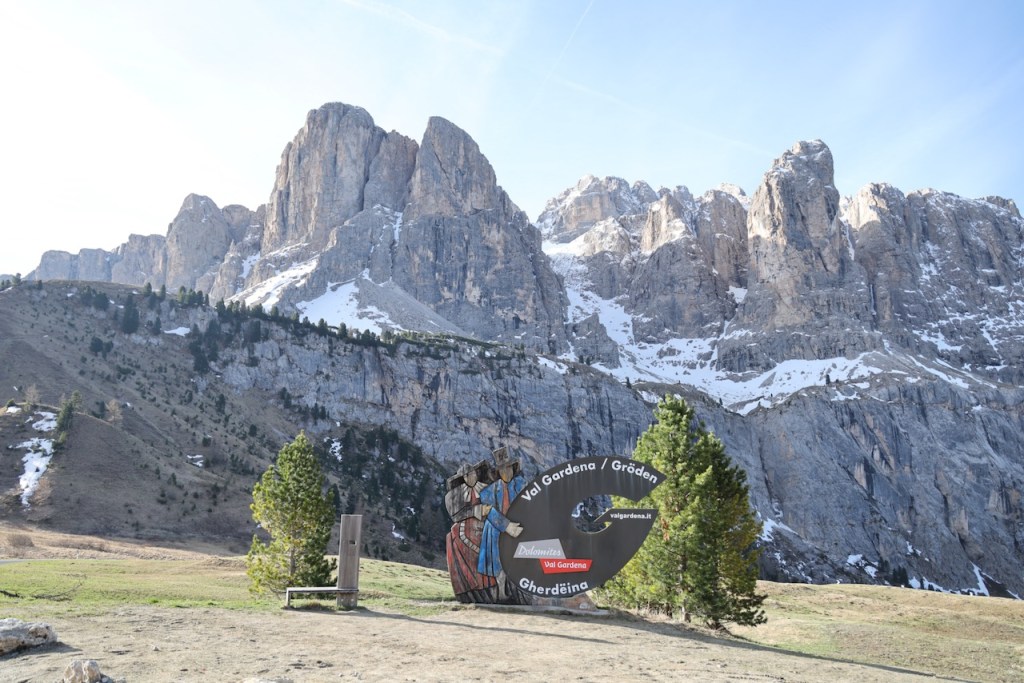
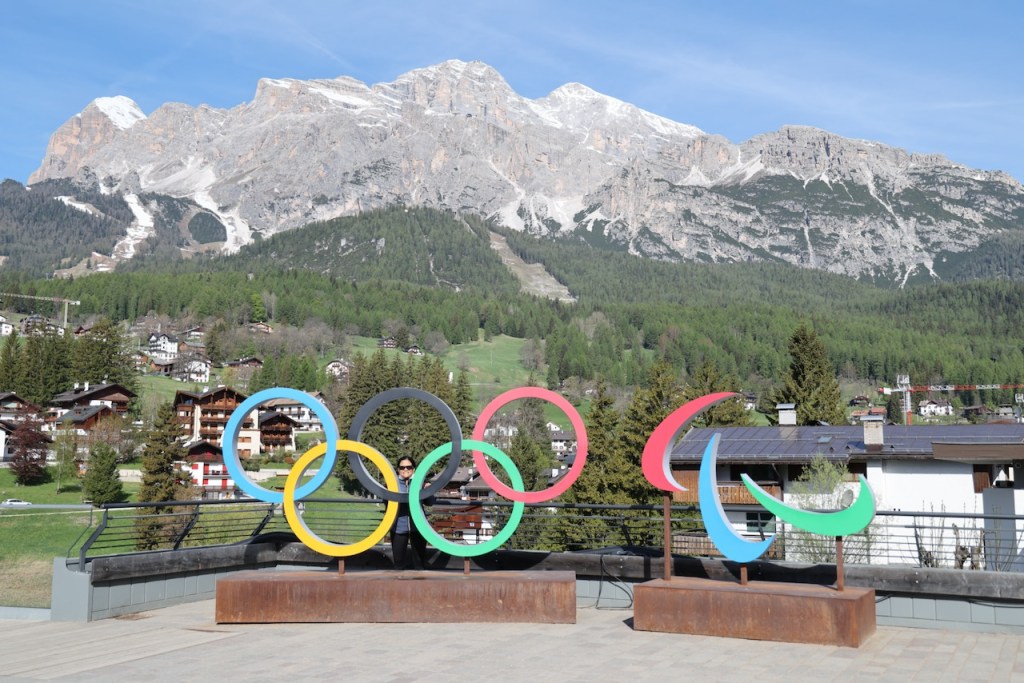
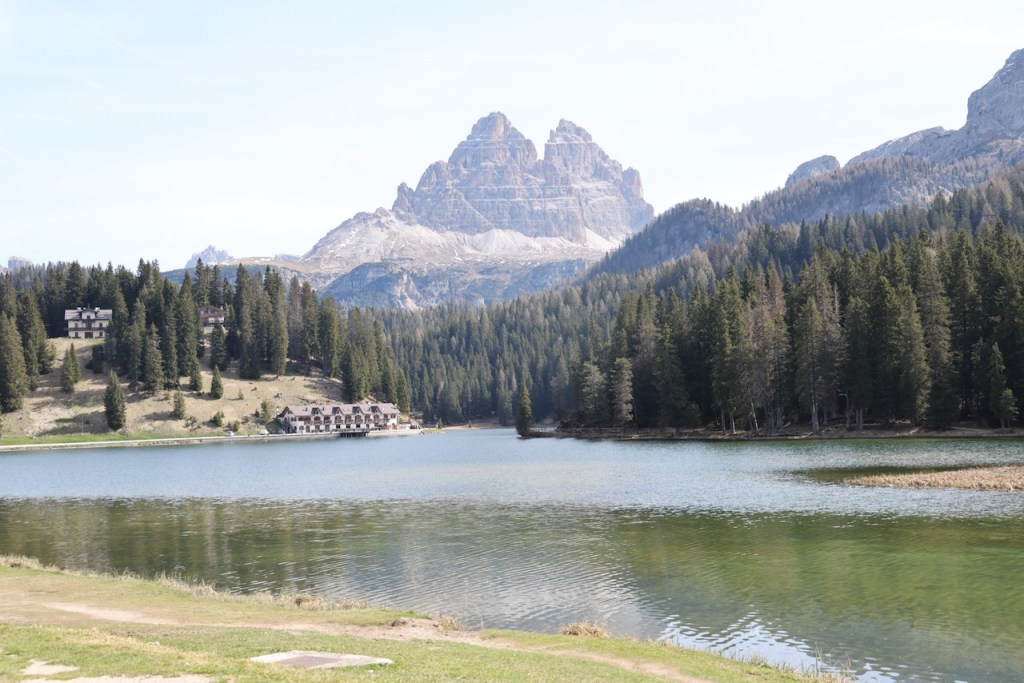
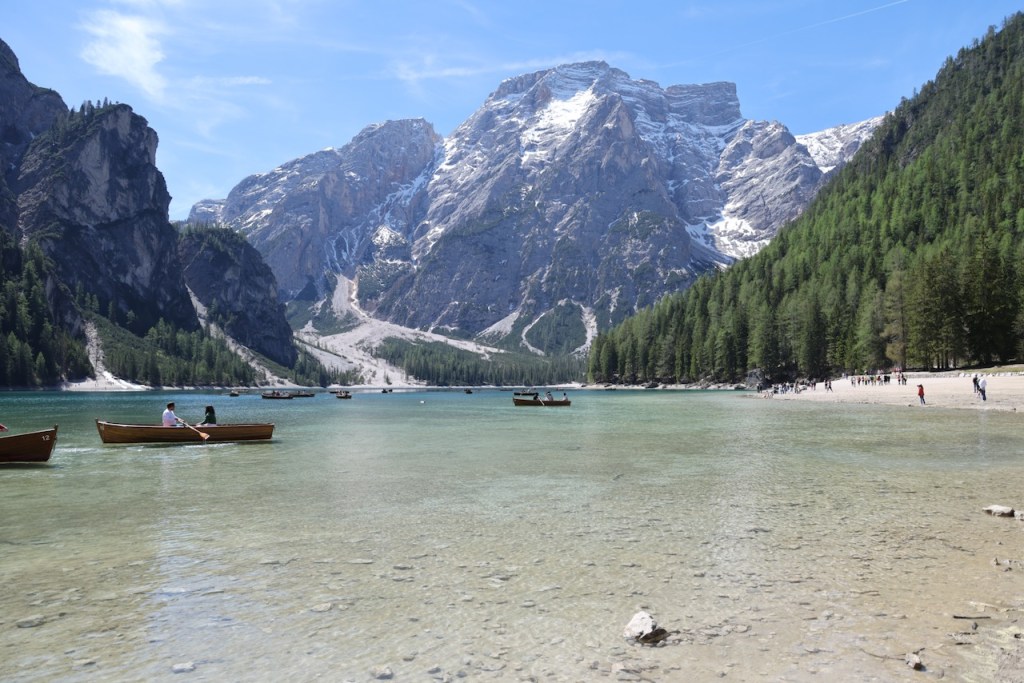
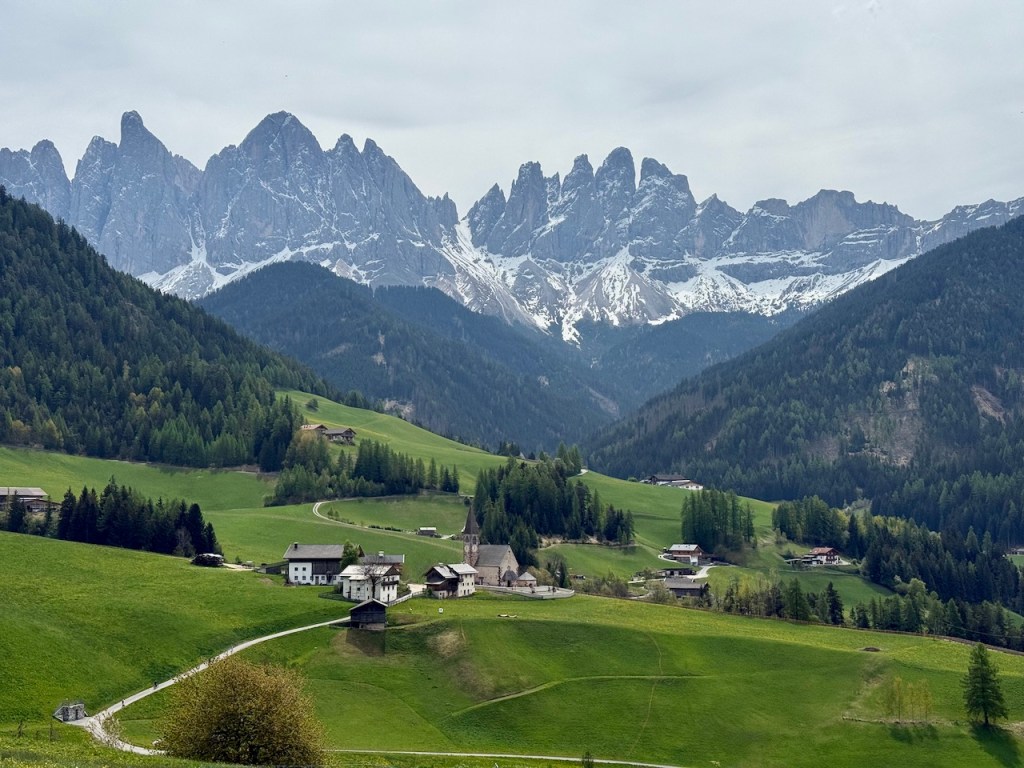
The views of the Dolomites from our apartment was quite stunning. We did a short drive and took the cable car, and from the top of a mountain, the views of the Dolomites were amazing.
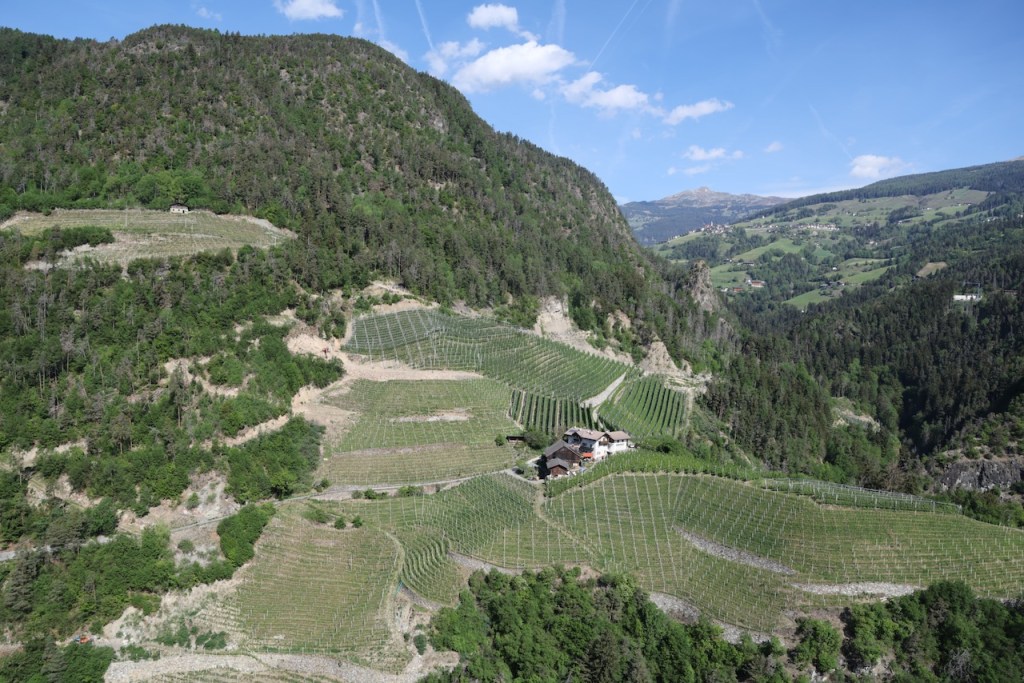
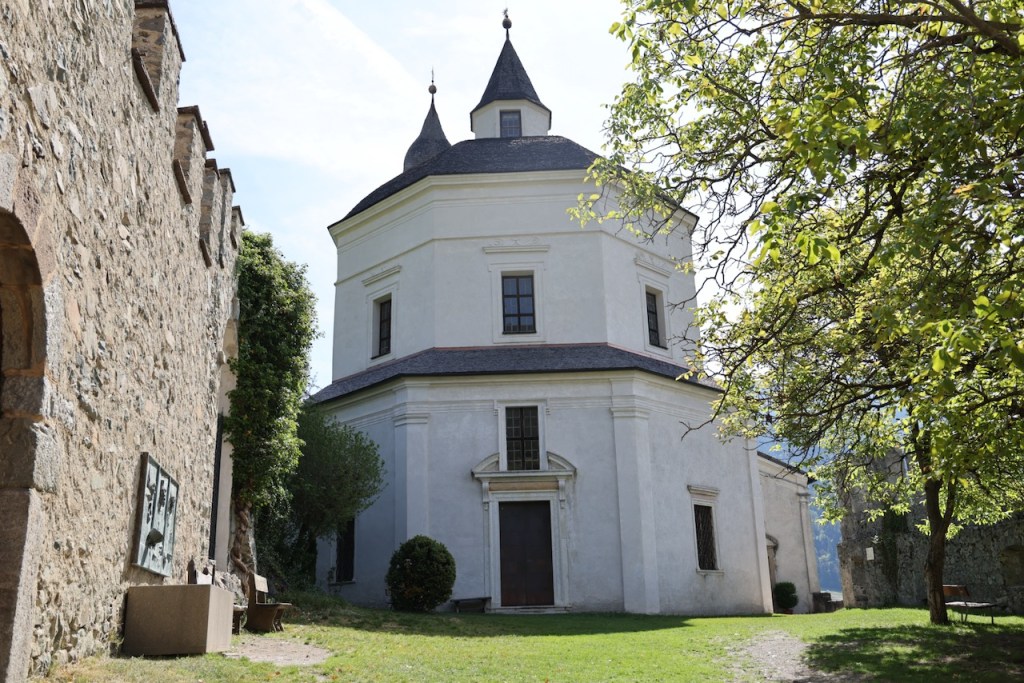
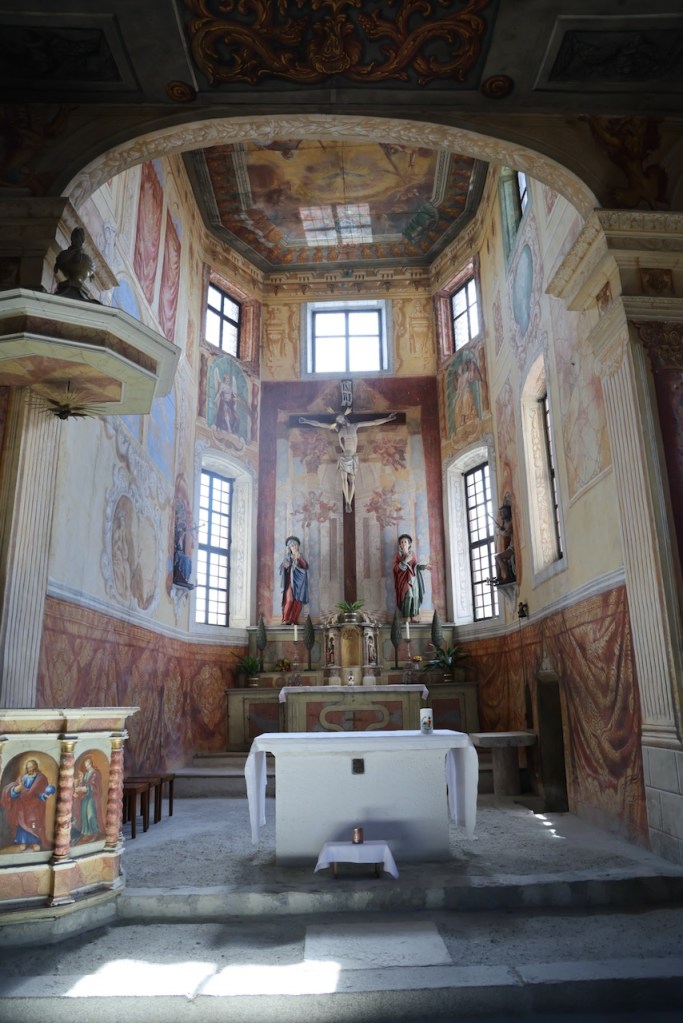
The Monastero di Sabiona, known as the “Acropolis of Tyrol” is a millennial sanctuary towering over the town of Chiusa in South Tyrol, Italy. It sits on a rocky spur with a rich history as a Roman outpost, the region’s first bishopric, and a centuries-old Benedictine convent.
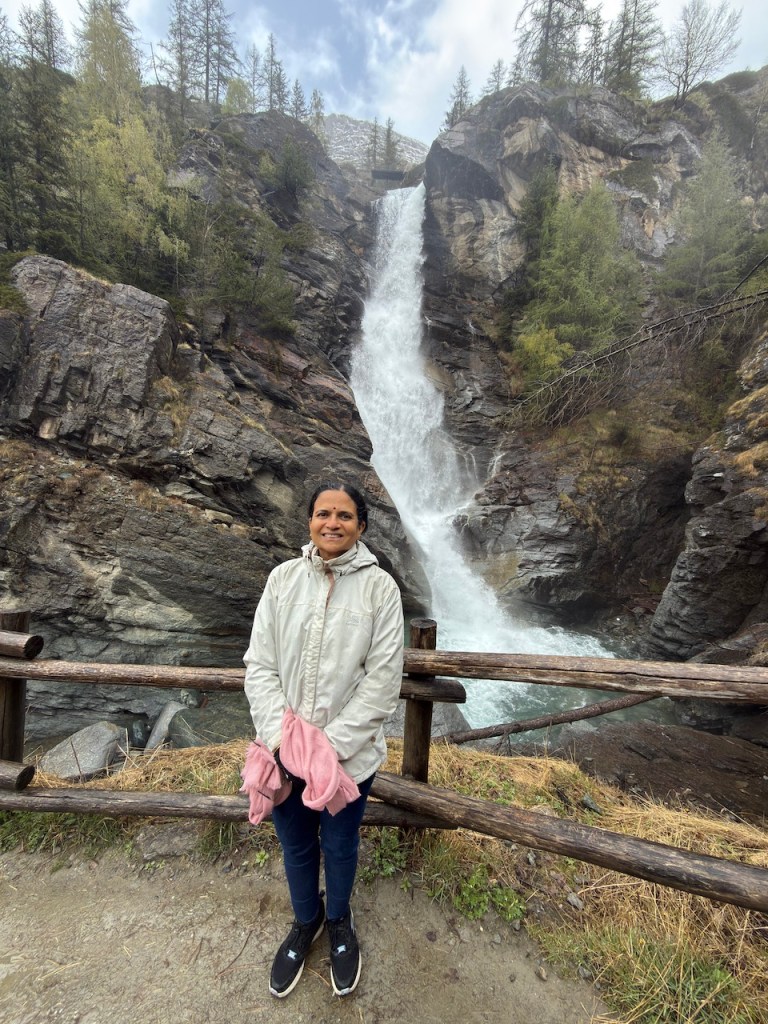
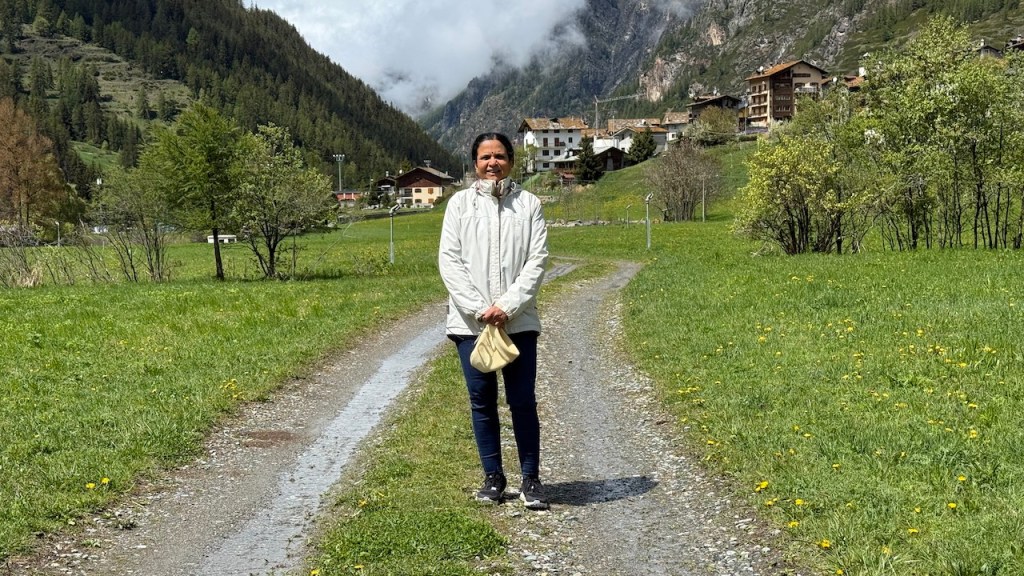
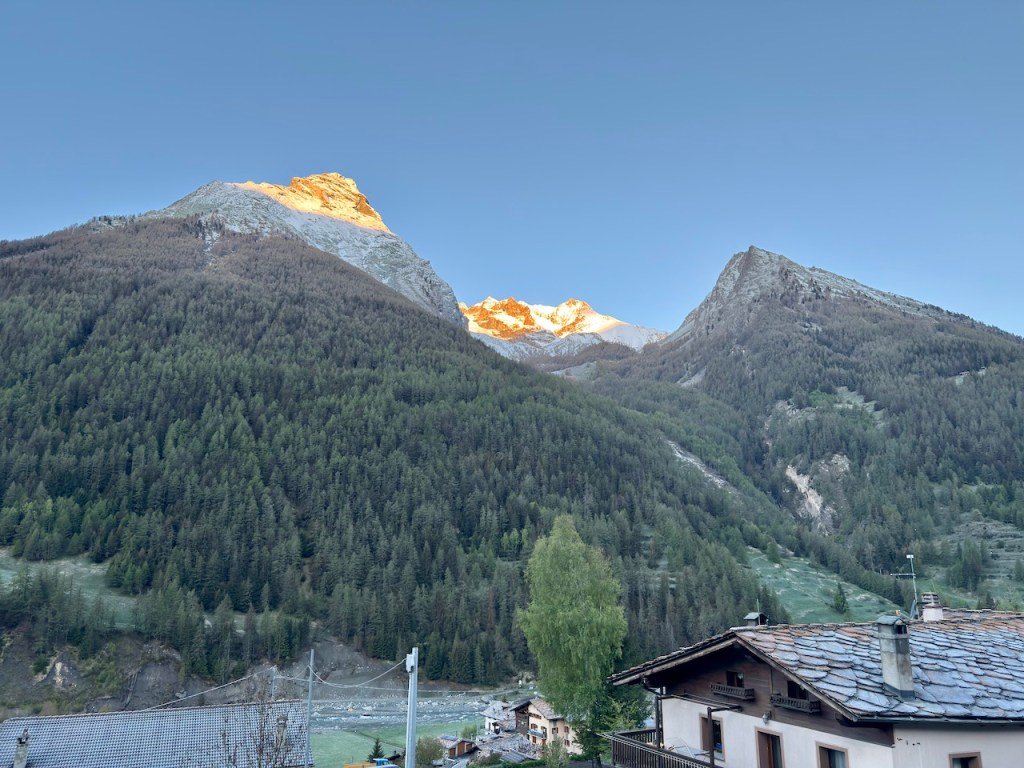
After three days at the Dolomites, we drove six hours to the Grand Paradise National Park on the west of Italy. We covered some really fascinating spots, including Gimillan, Valnontey, Botanical gardens, Lillaz waterfalls.
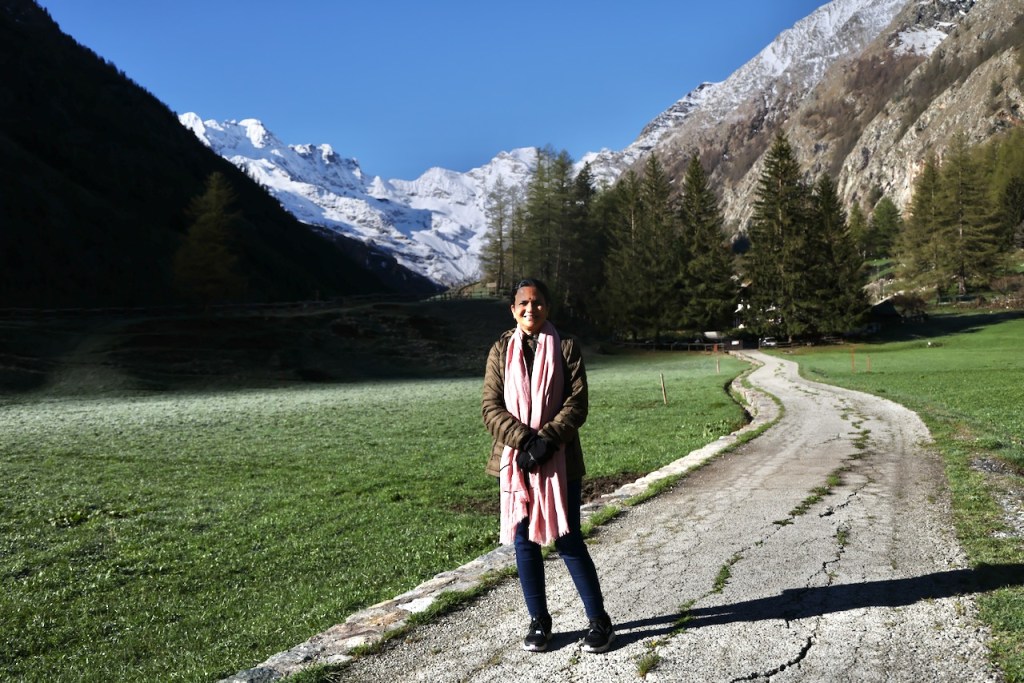
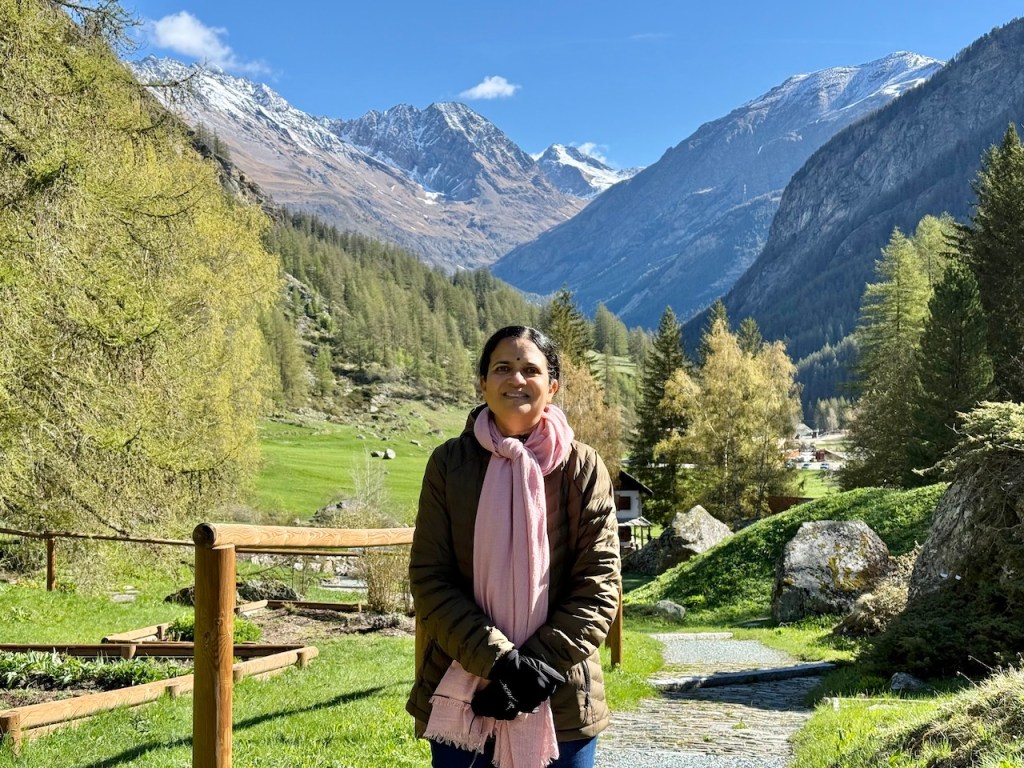
After three days at Grand Paradise National Park, we drove back to Milan and took a train to Monterosso.
We stayed three days in Monterosso, and covered the five beautiful villages (Vernazza, Corniglia, Manarola and Riomaggiore). On our second morning, we did a 2 hour trek from Monterosso to Vernazza, which was quite challenging with steep stairs and cliffs with sharp drops.
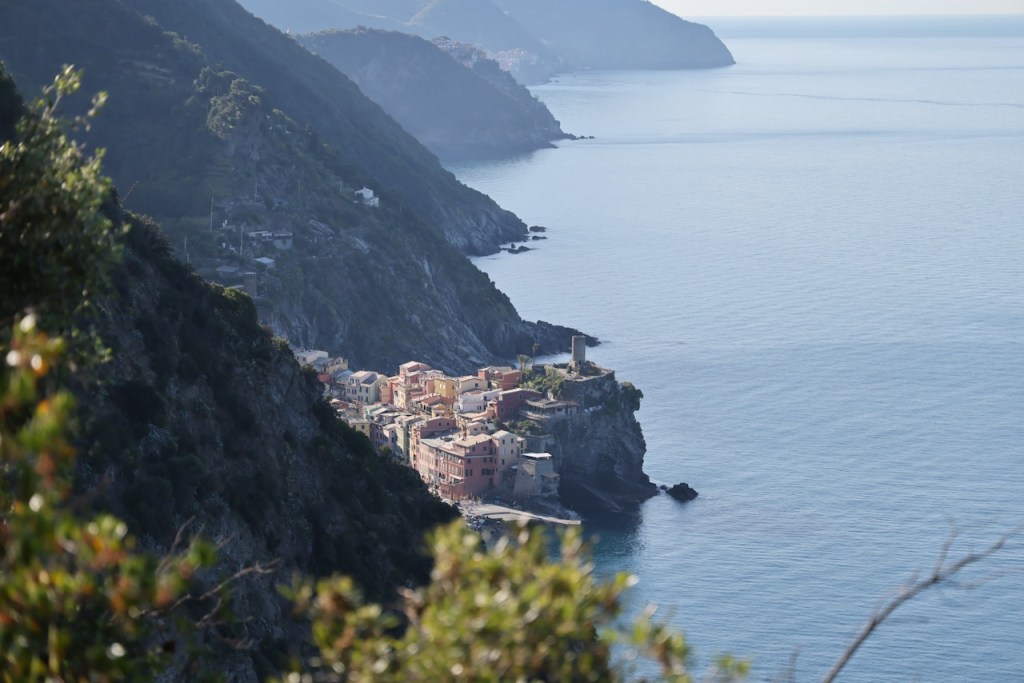
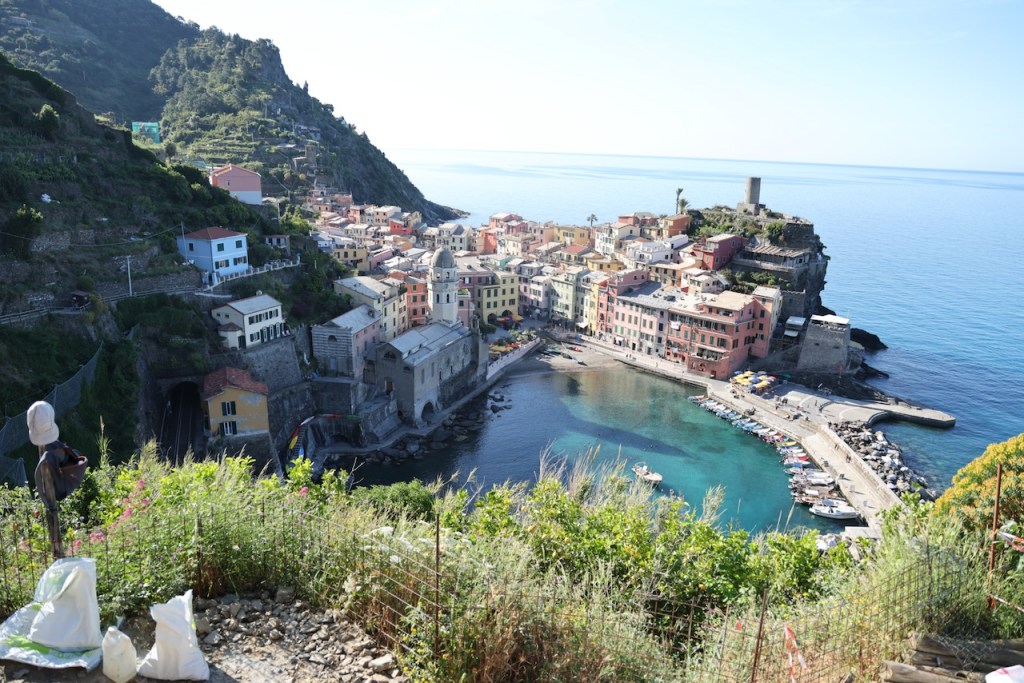
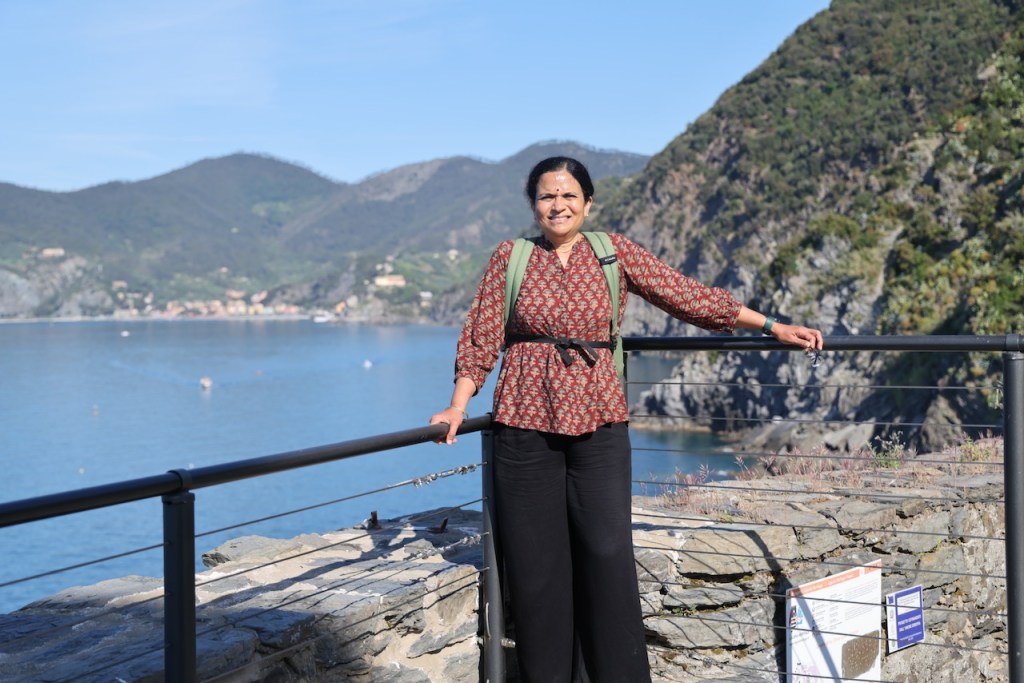
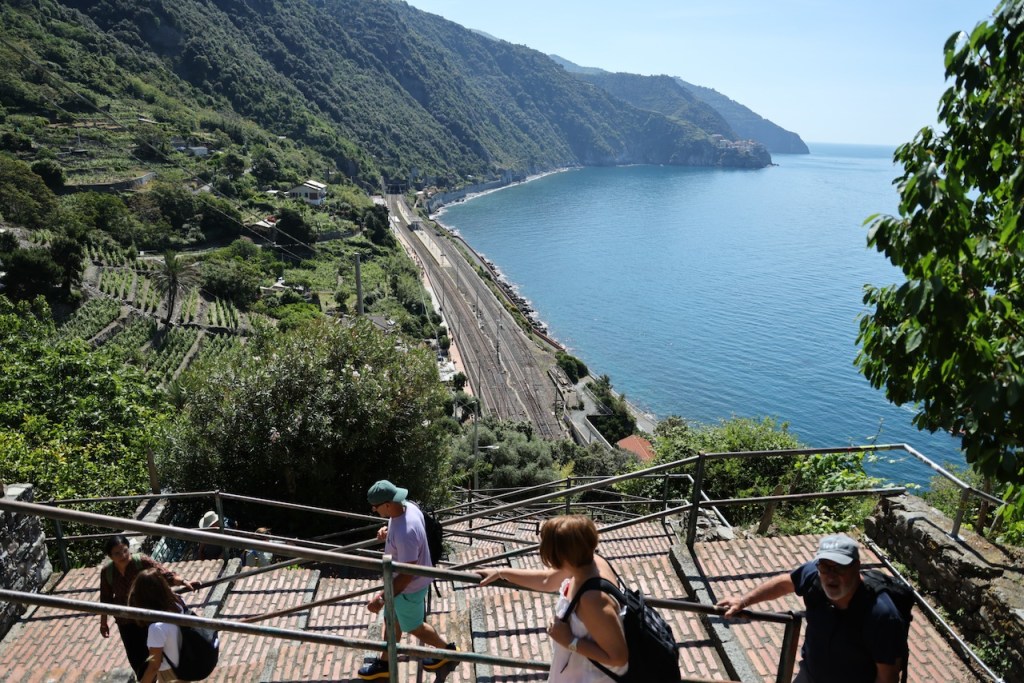
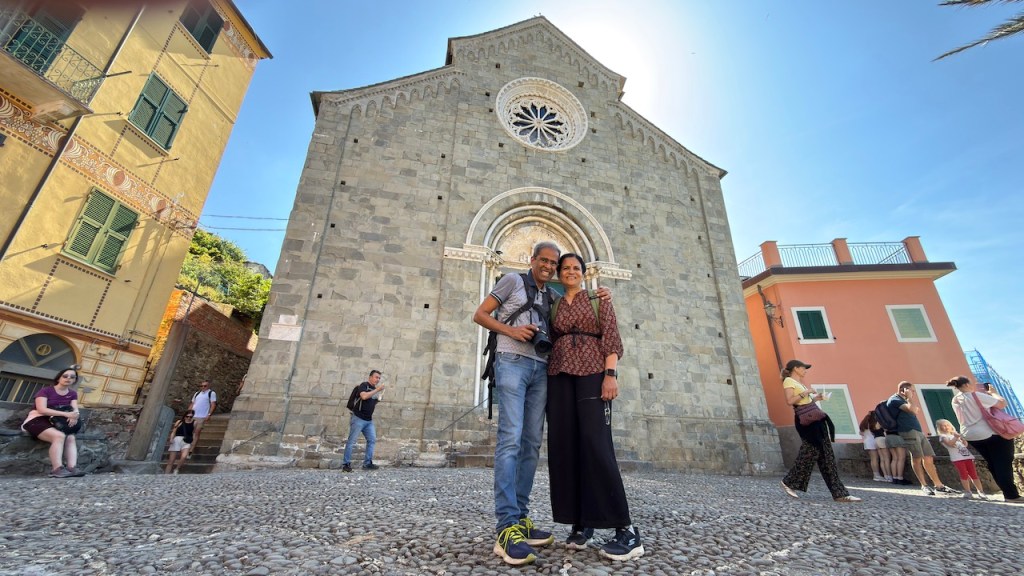
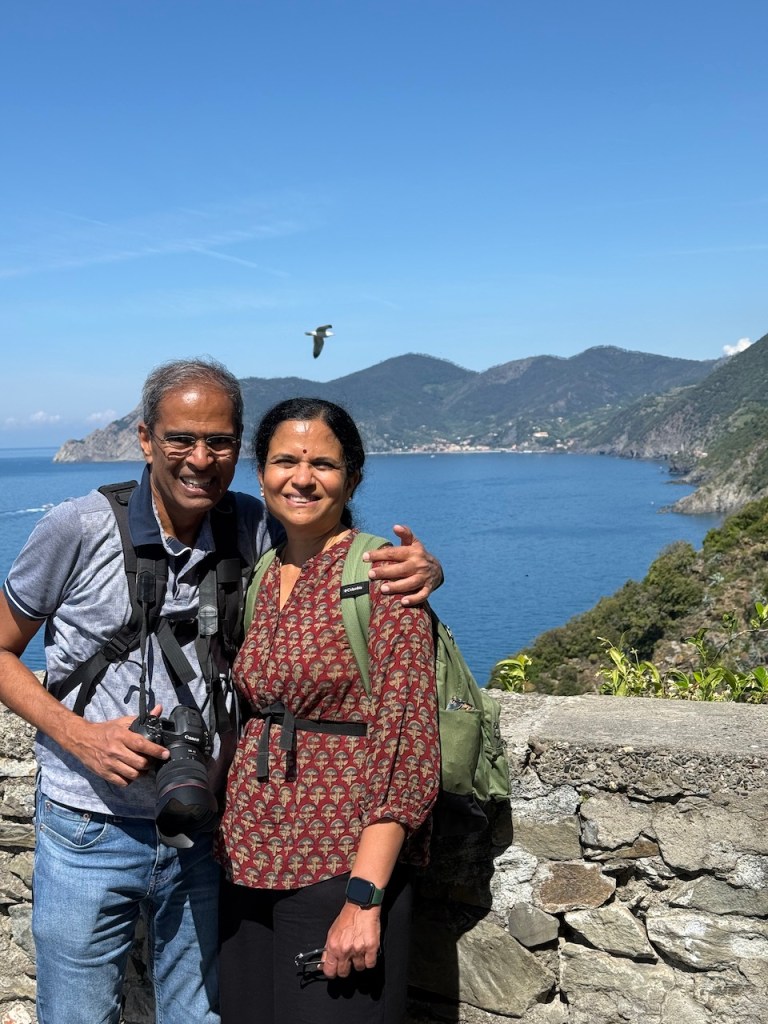
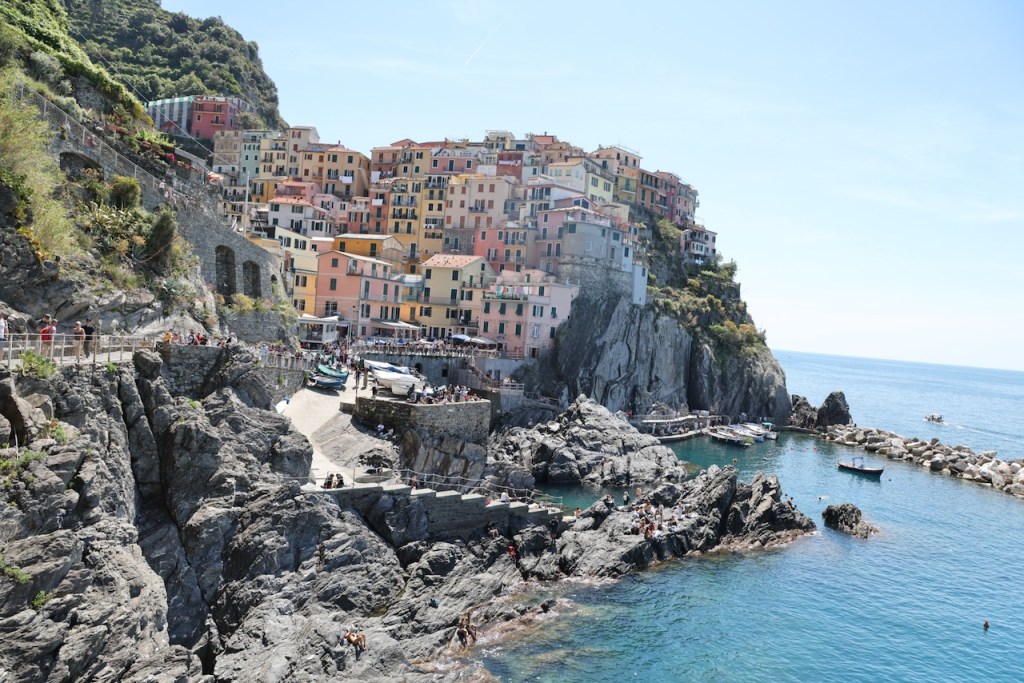
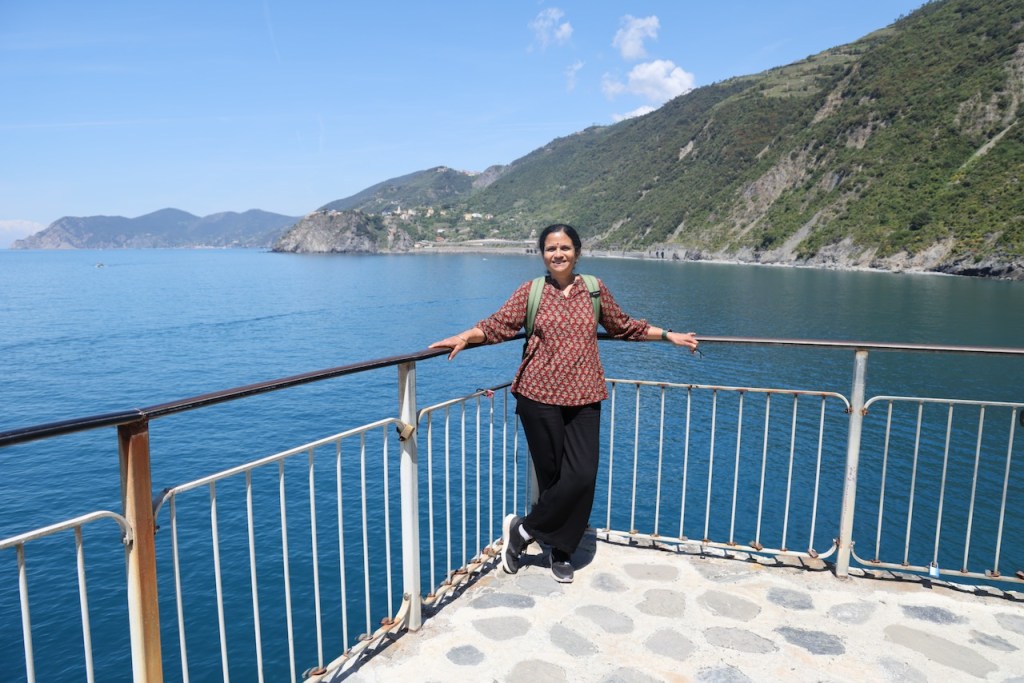
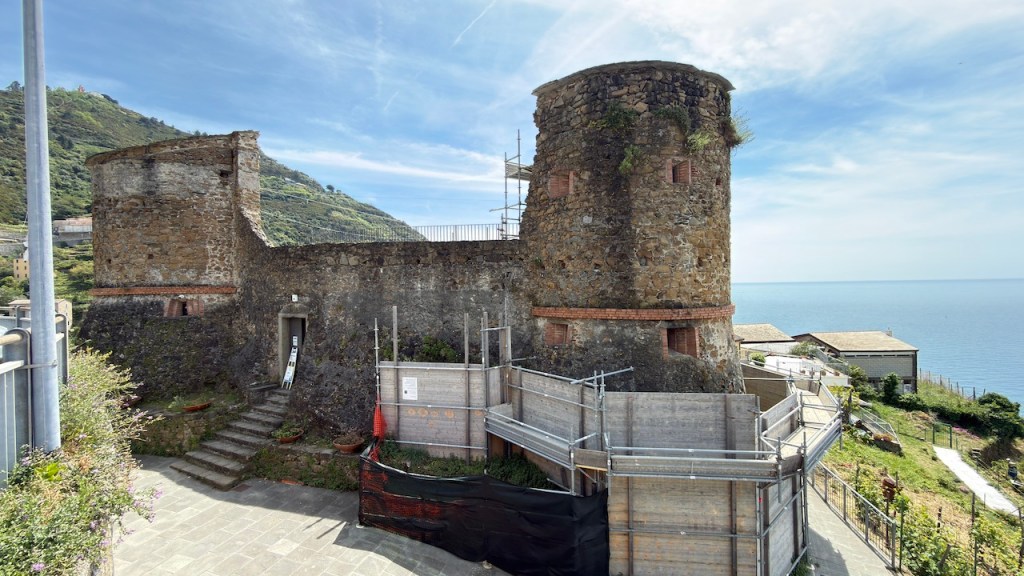
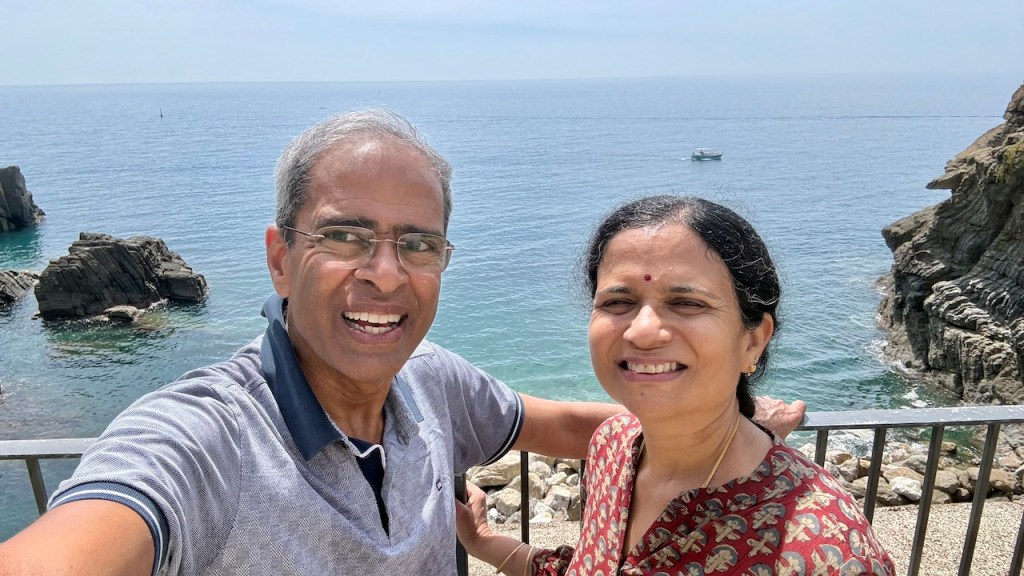
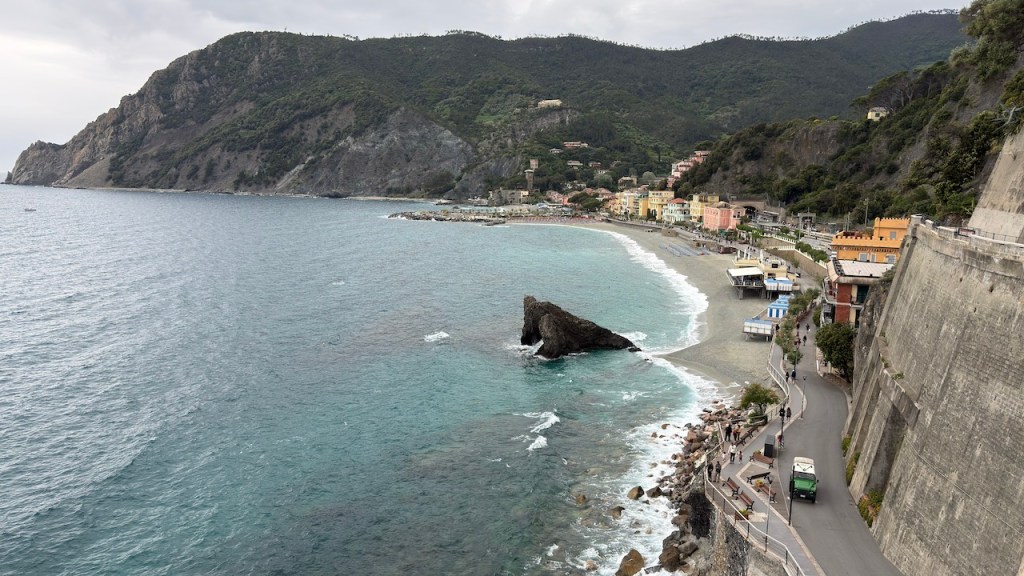
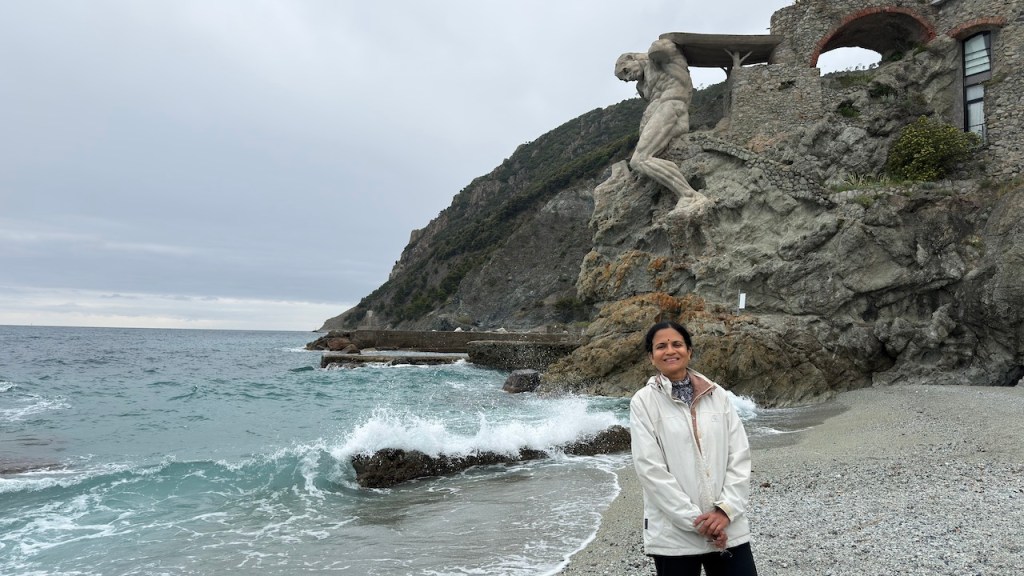
After three days of hectic trekking, we took a train to Naples.
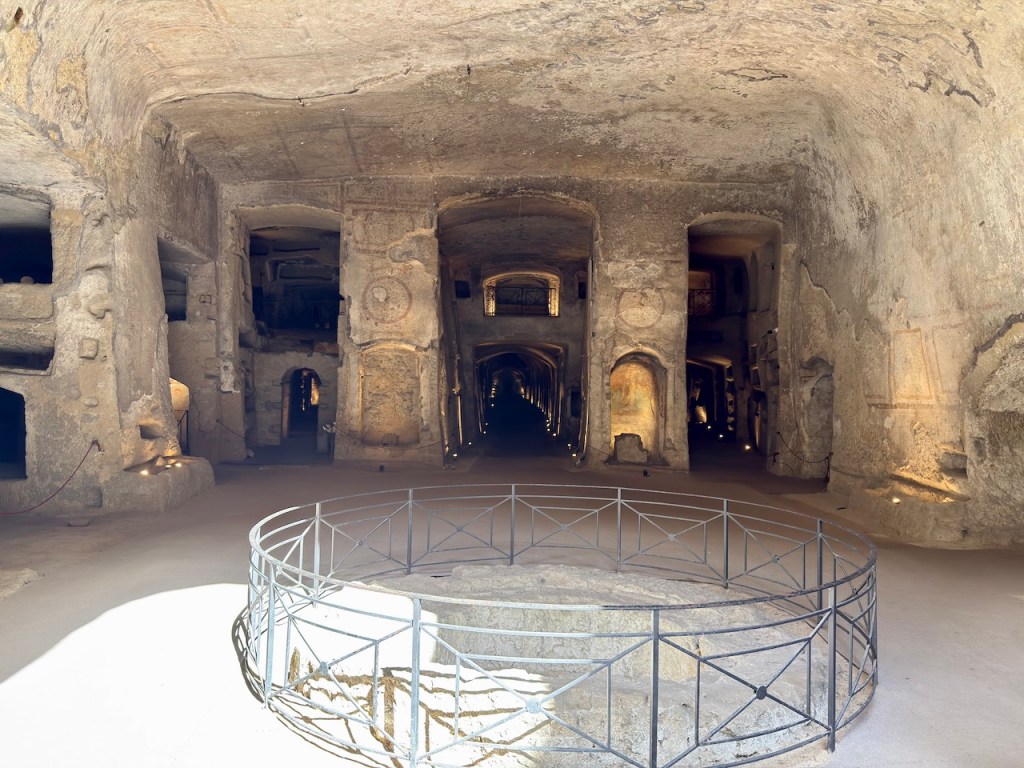
The Catacombs of San Gennaro in Naples date back to the 2nd century AD. Originally a private tomb for a noble family, the site was later opened to the Christian community. It transformed into a massive, sprawling spiritual center through the 5th and 6th centuries following the arrival of the city’s patron saints.
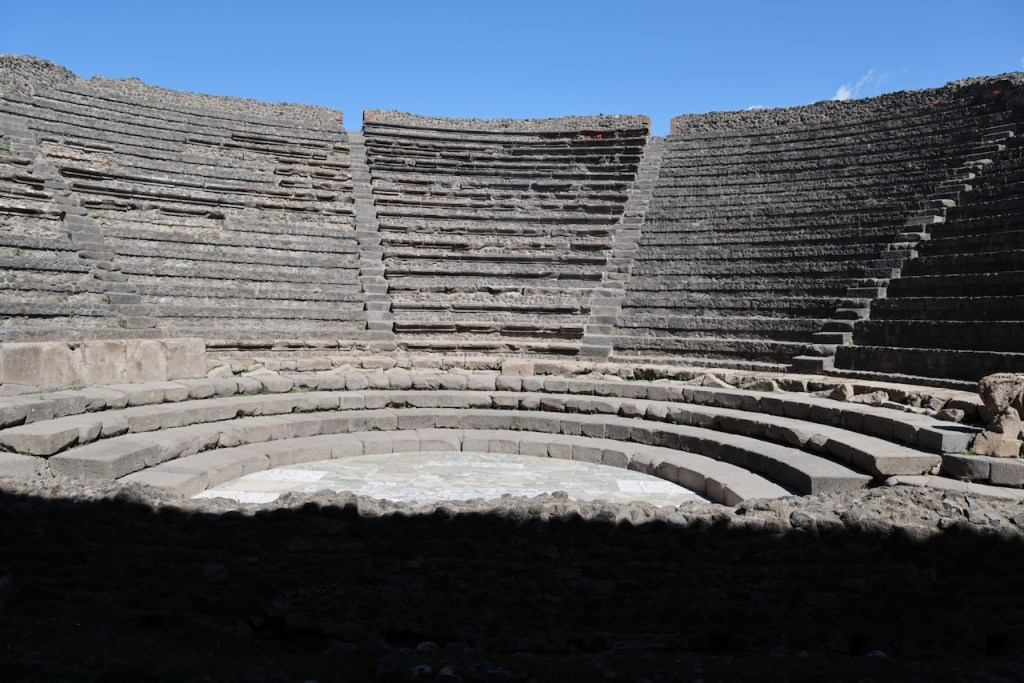
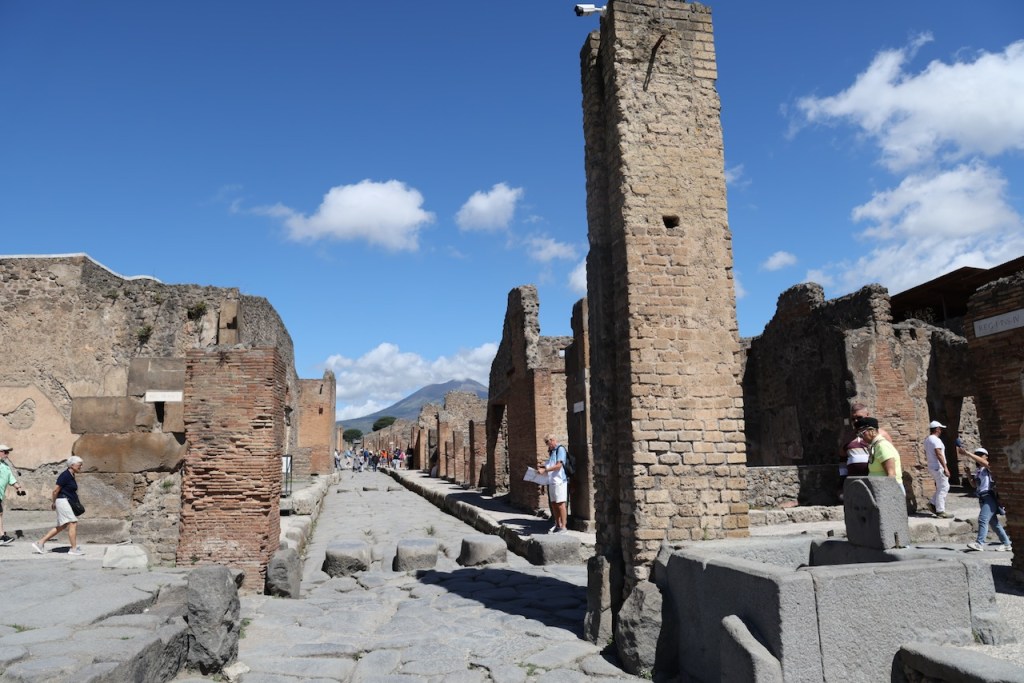
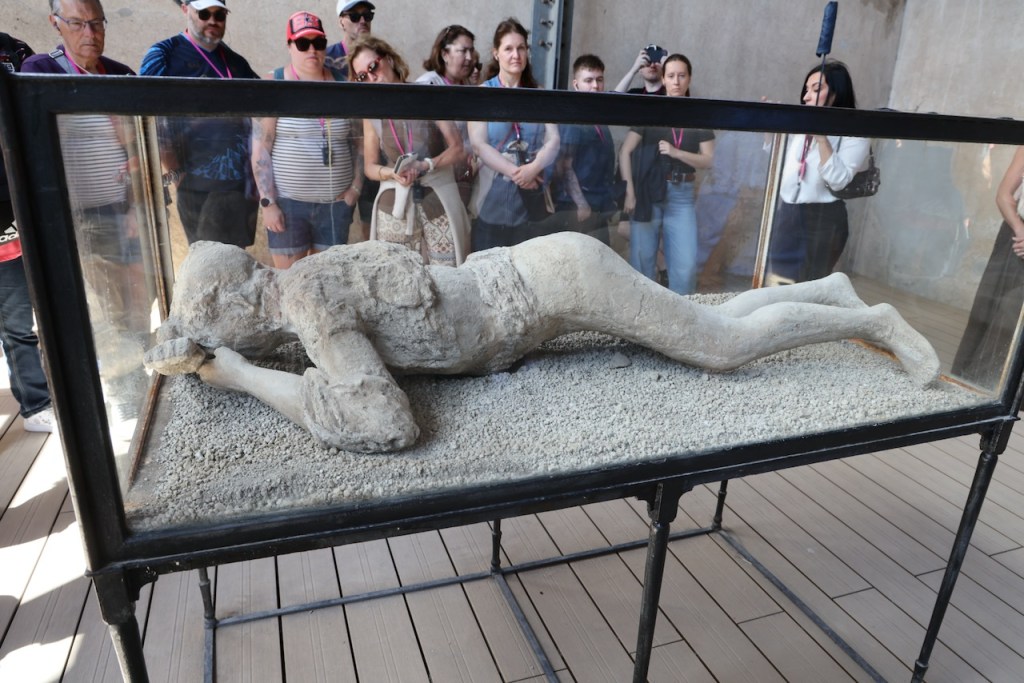
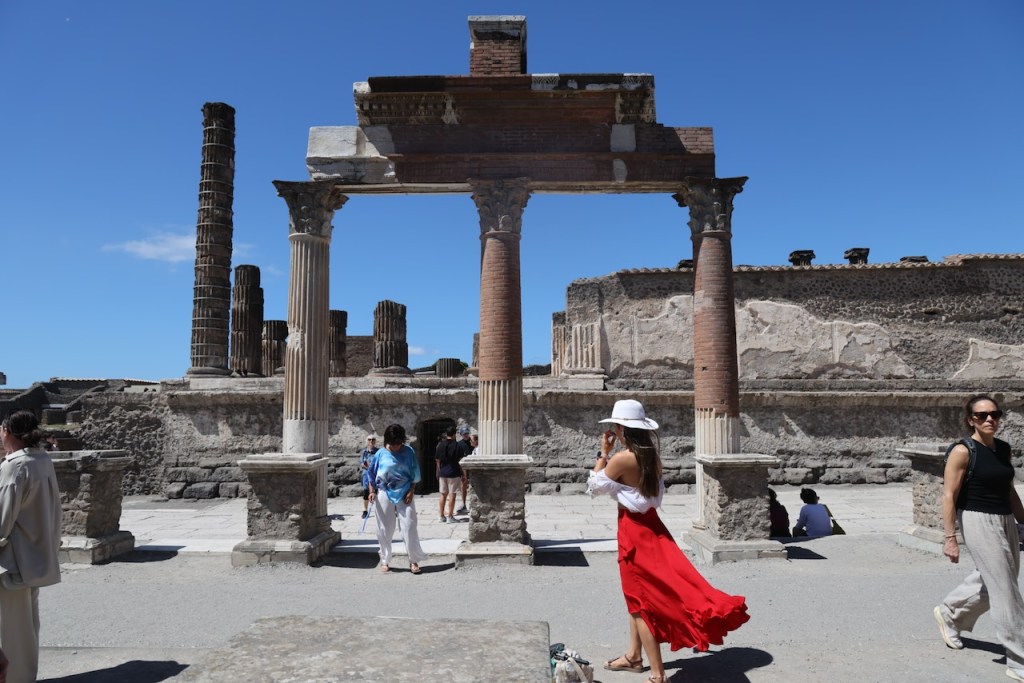
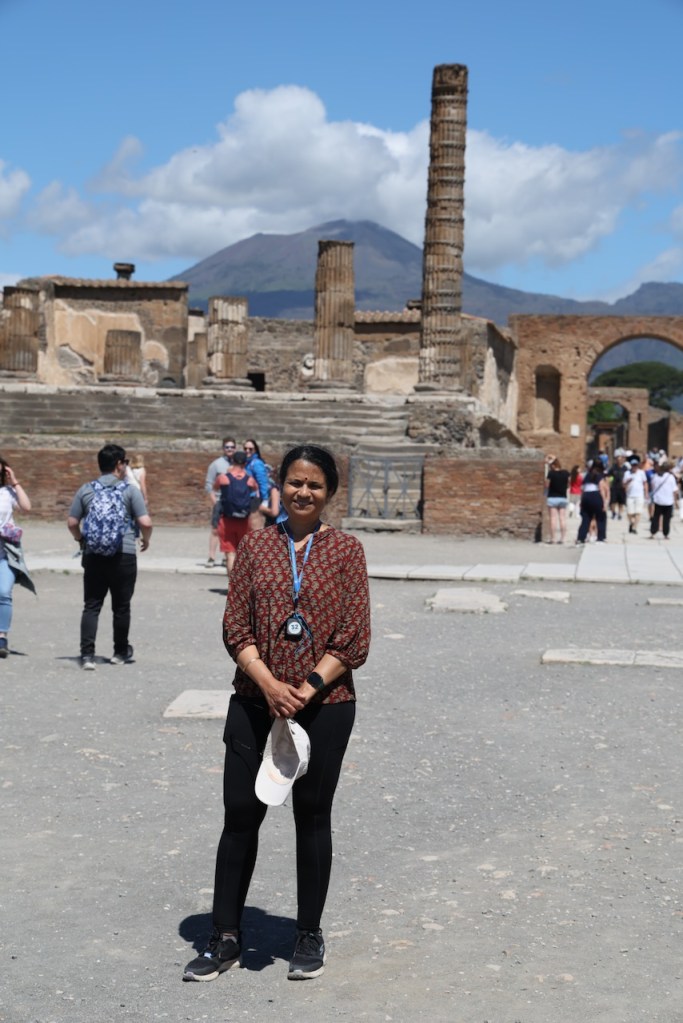
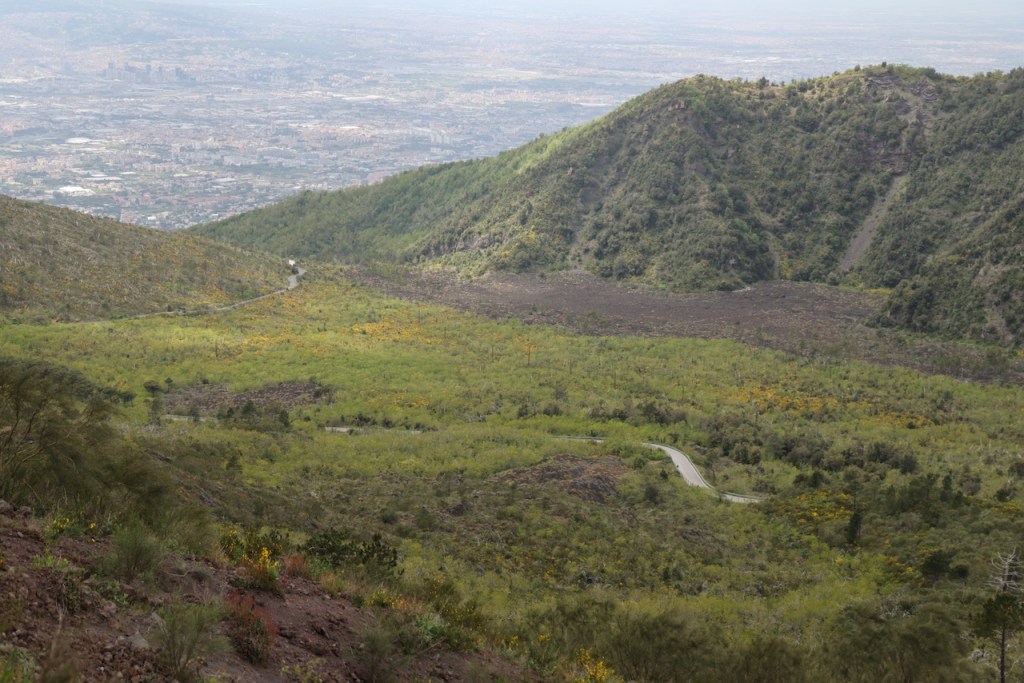
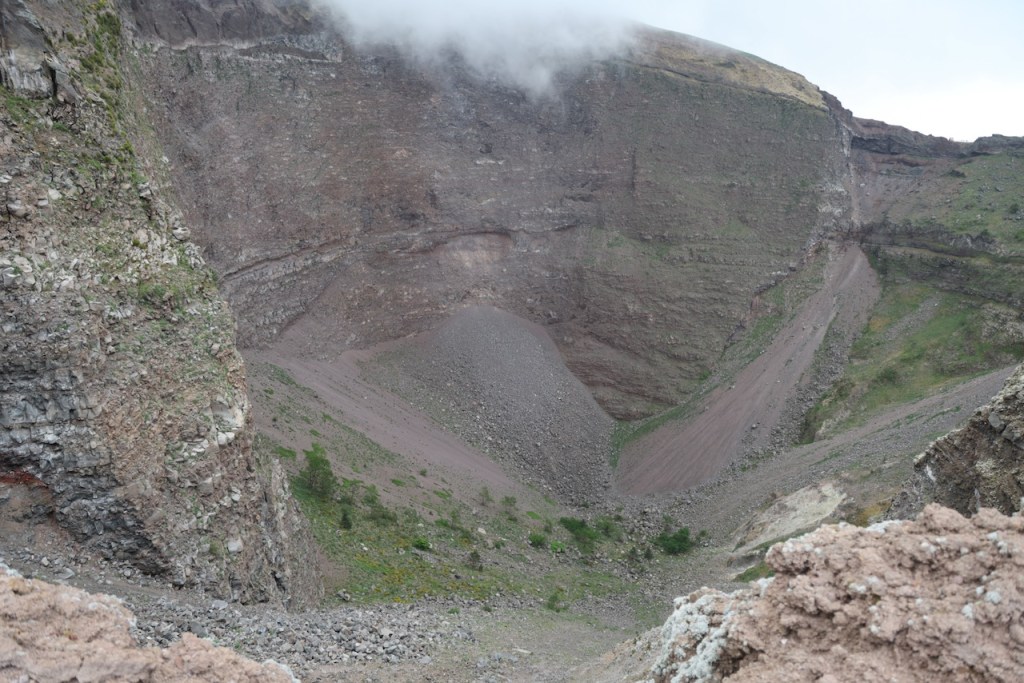
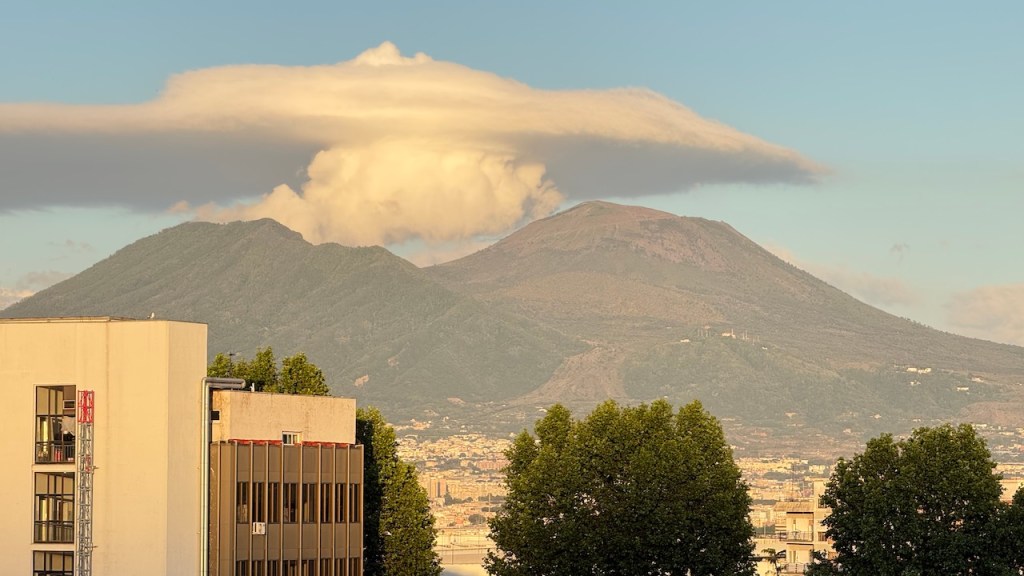
Pompeii was a thriving, middle-class Roman city in the Campania region of Italy. Founded around the 7th century BCE, it was frozen in time when Mount Vesuvius erupted in 79 CE, burying the city beneath meters of ash and pumice. This rapid burial perfectly preserved the city for centuries. The eruption from Mt Vesuvius apparently rose to 33 kilometers.
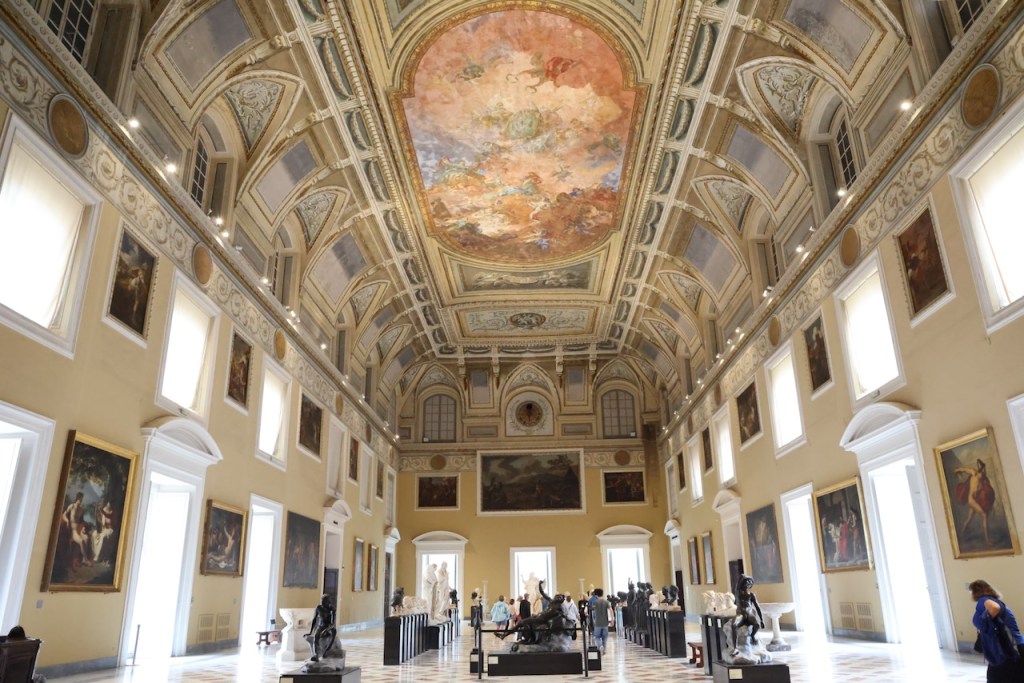
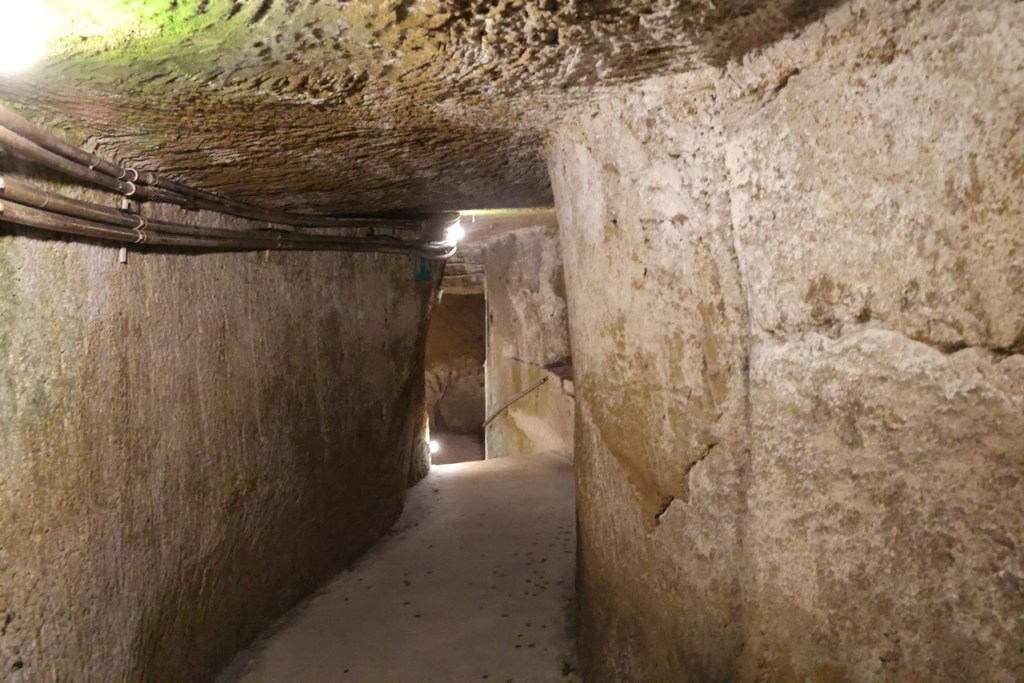
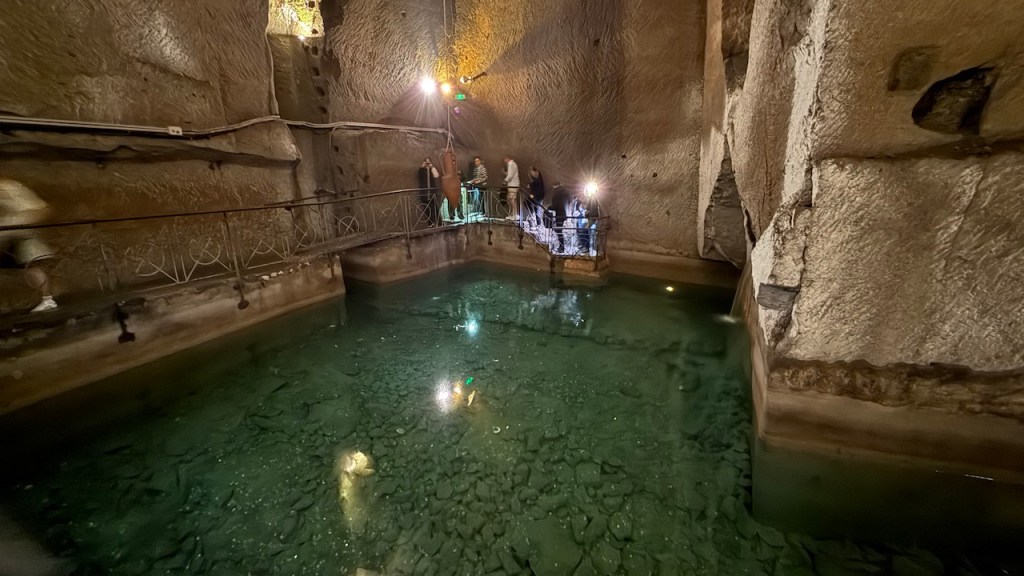
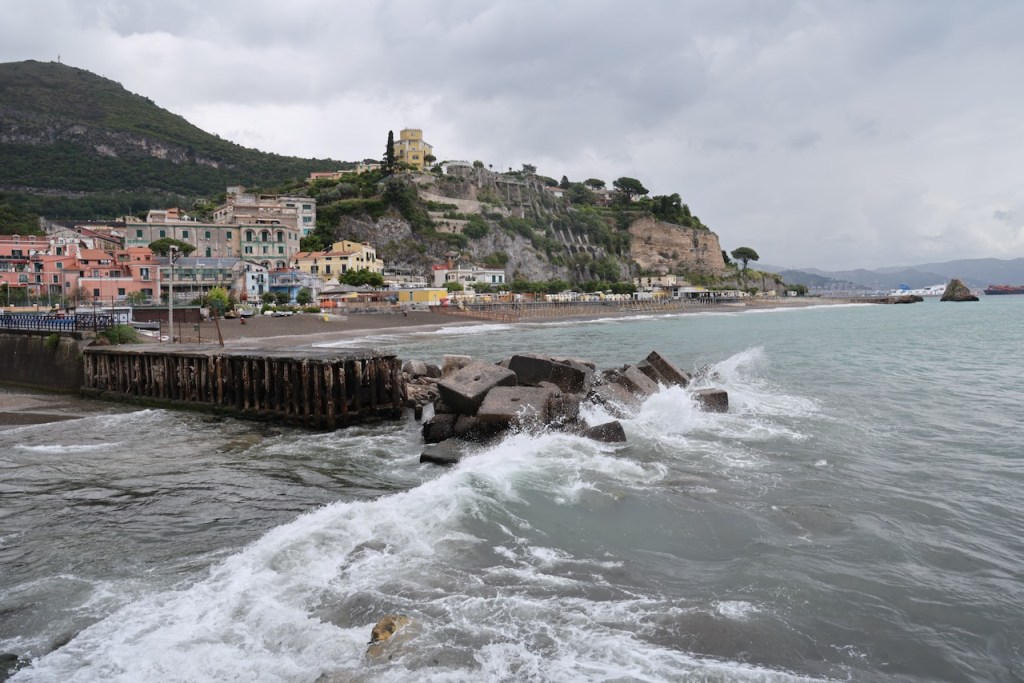
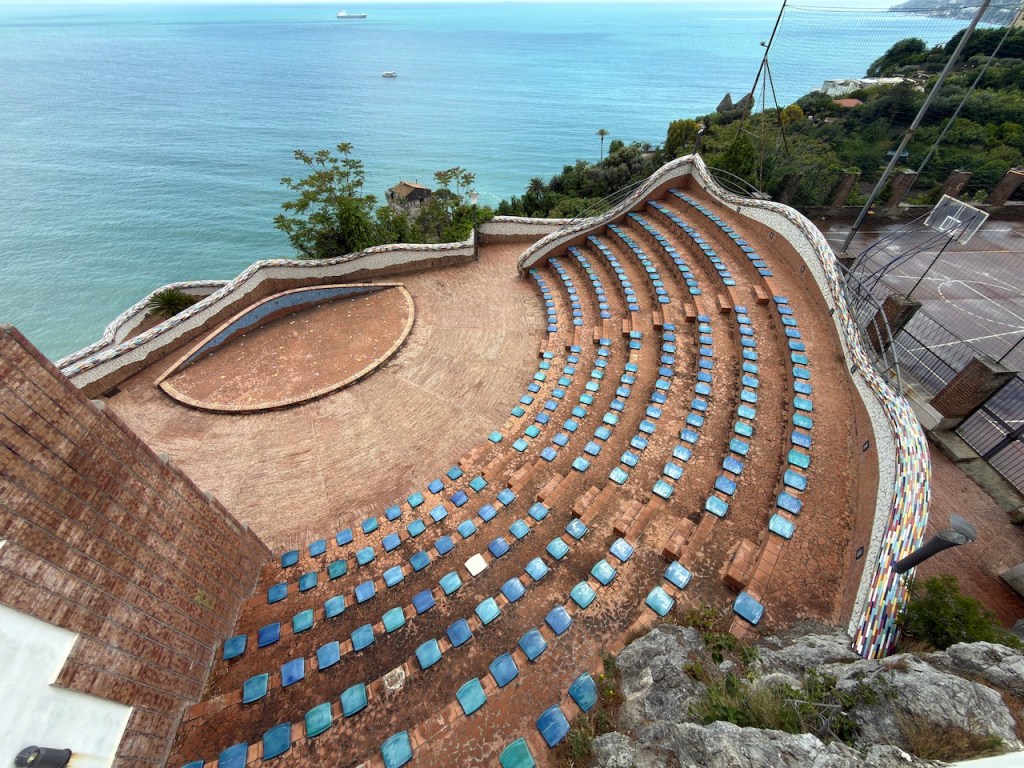
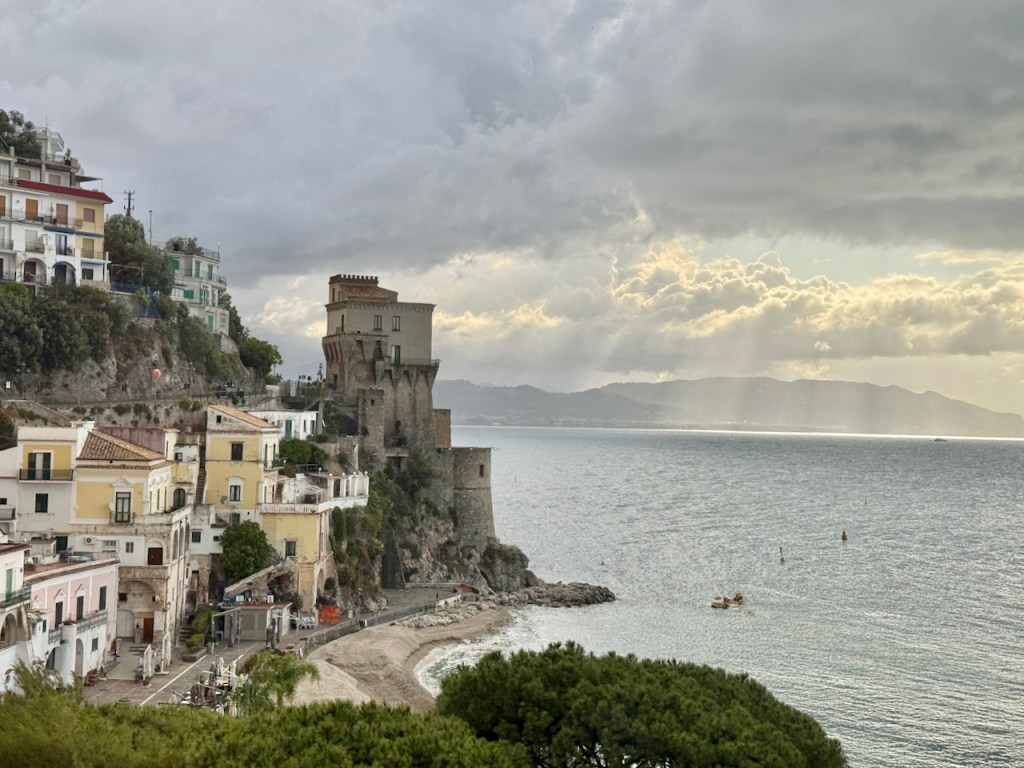
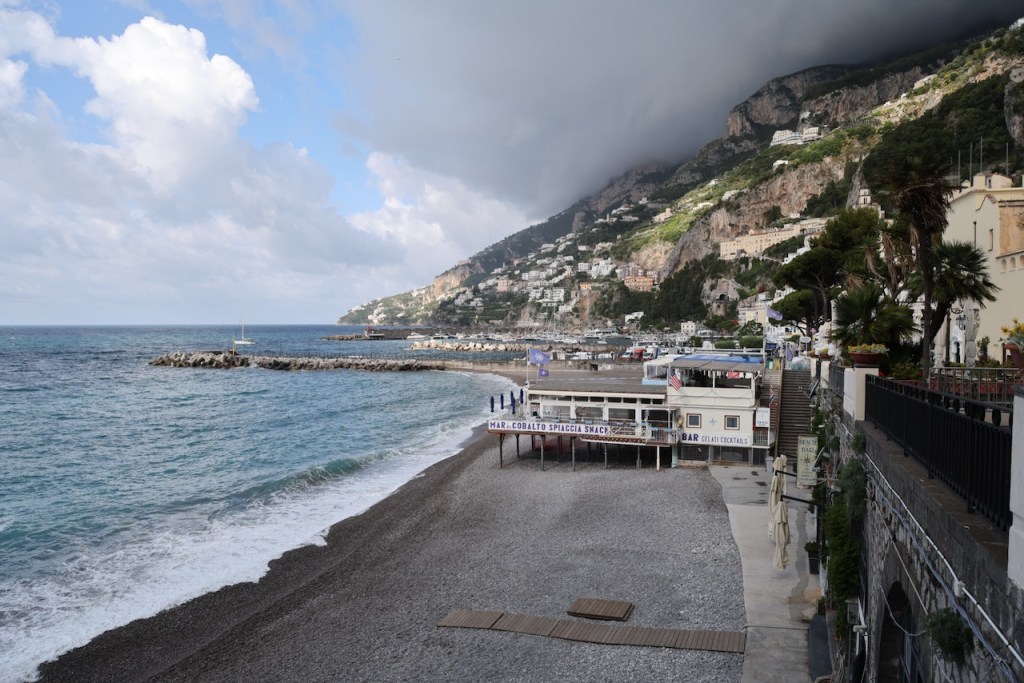
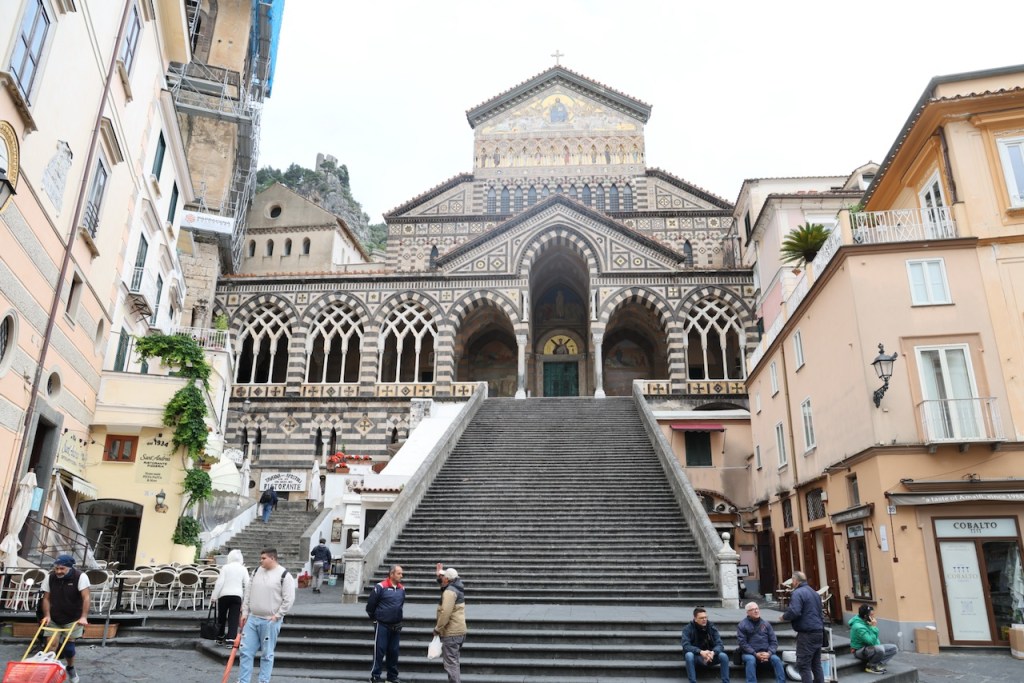
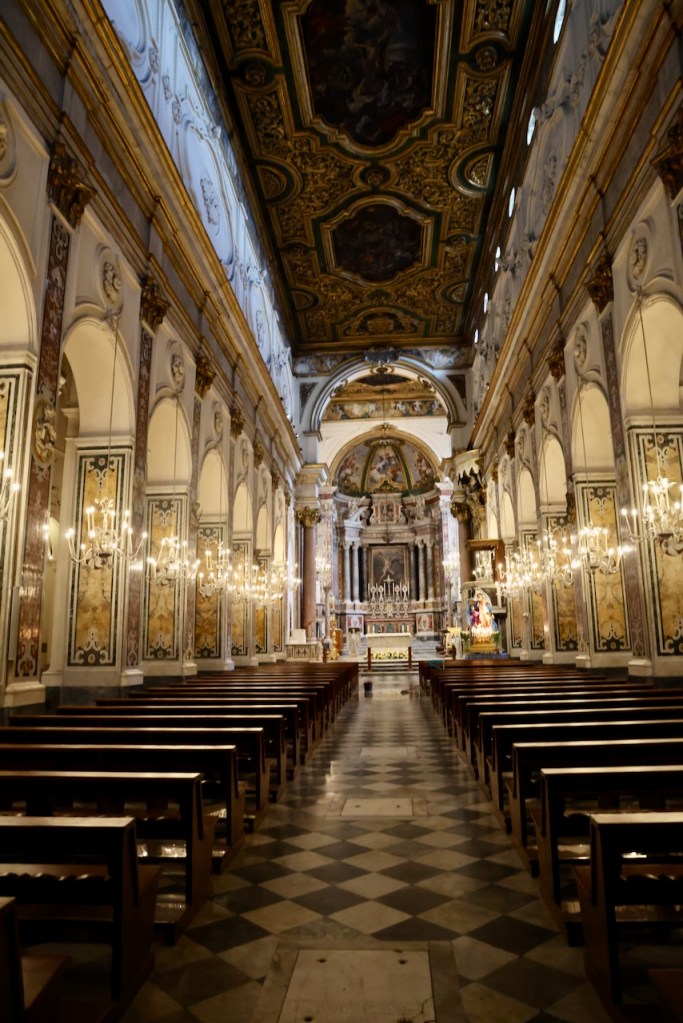
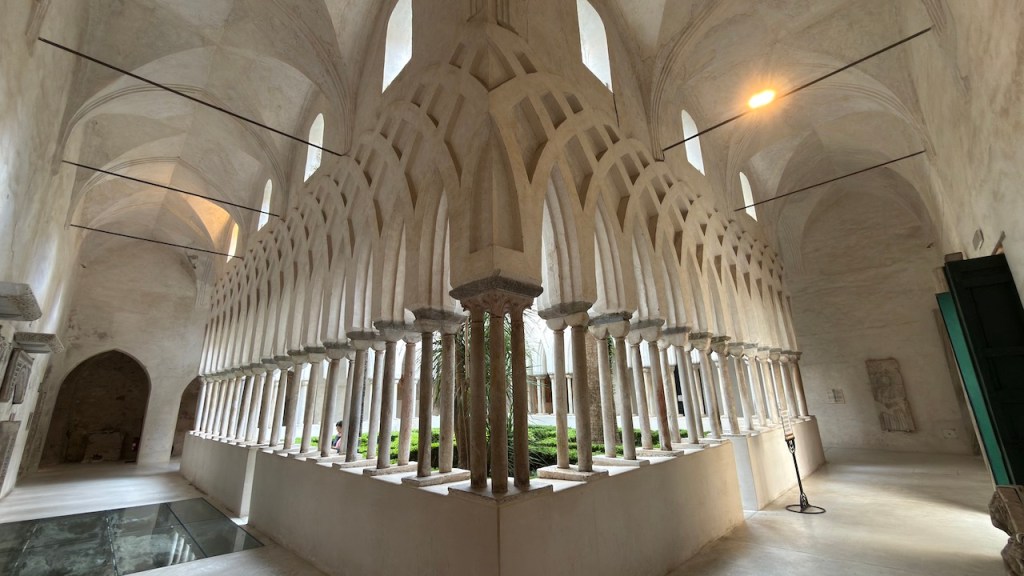
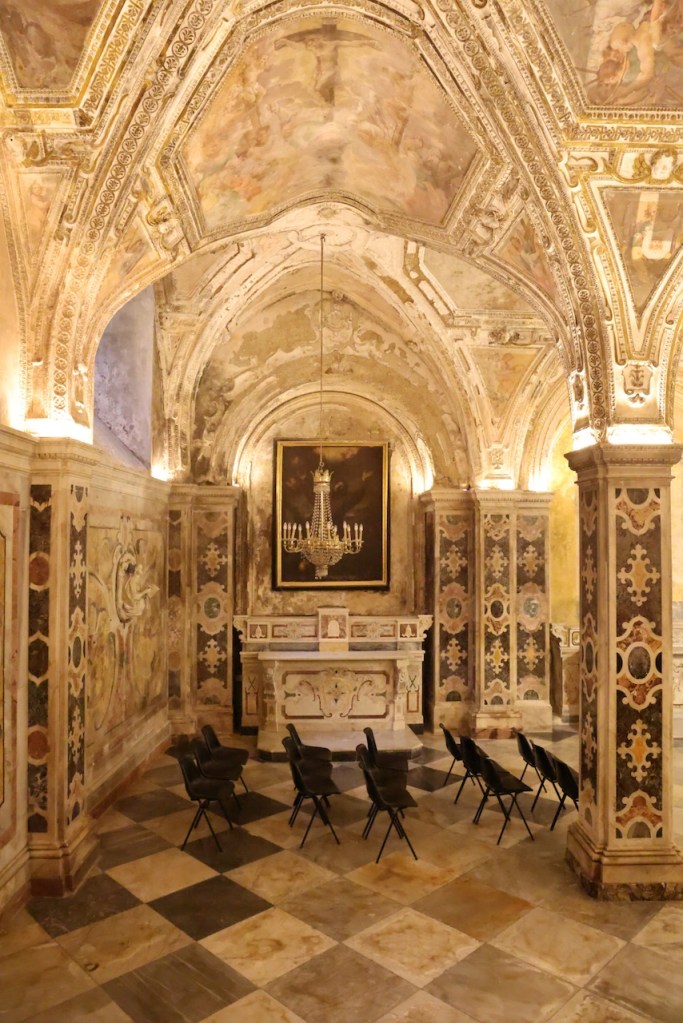
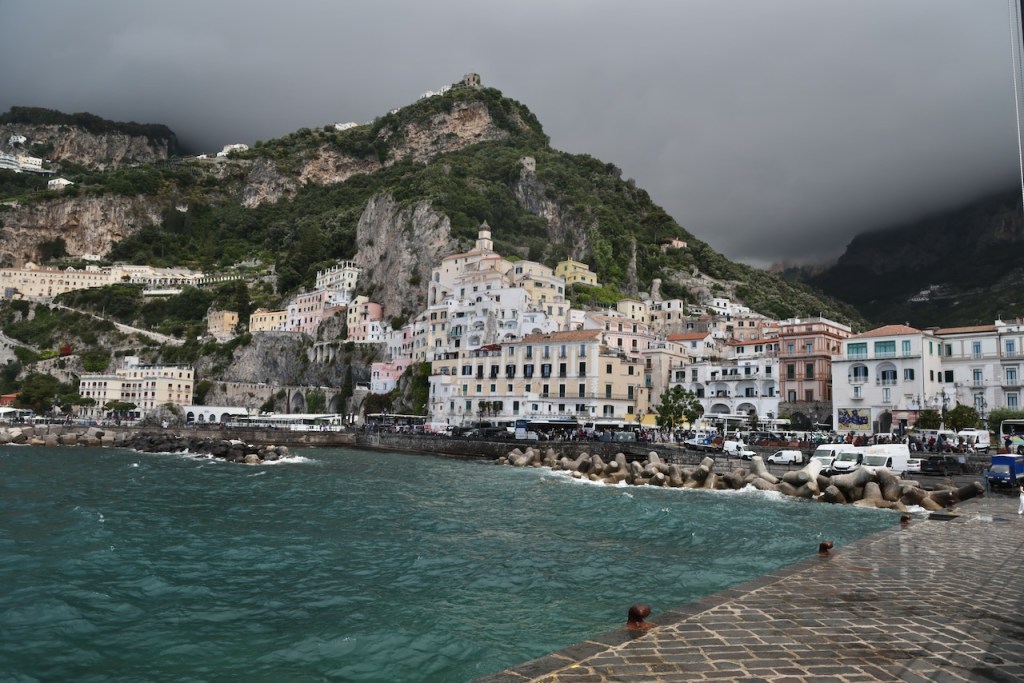
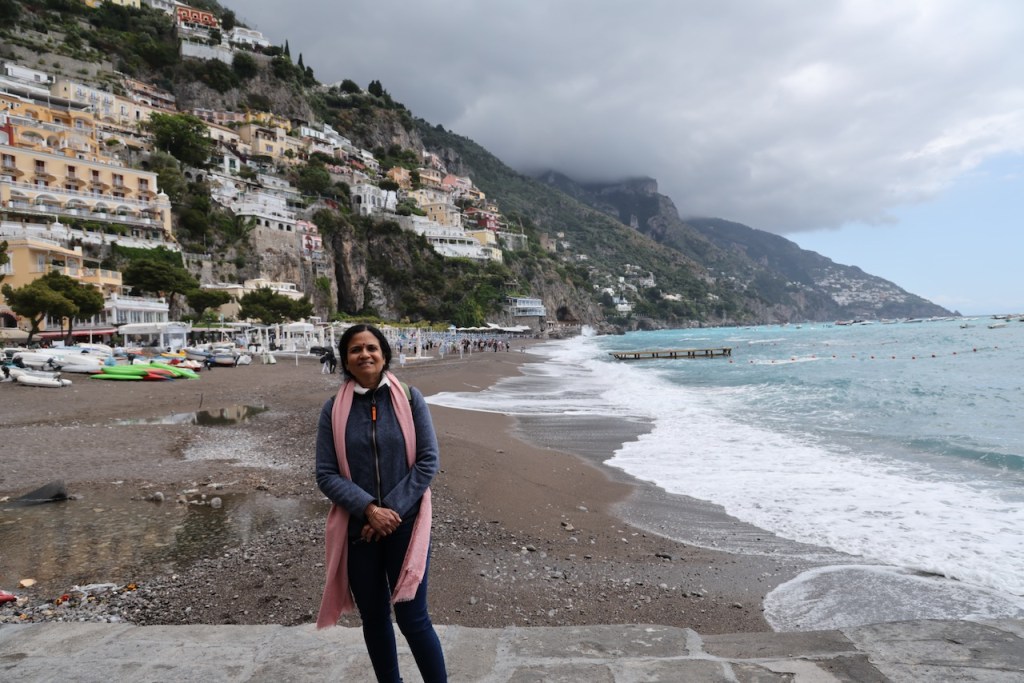
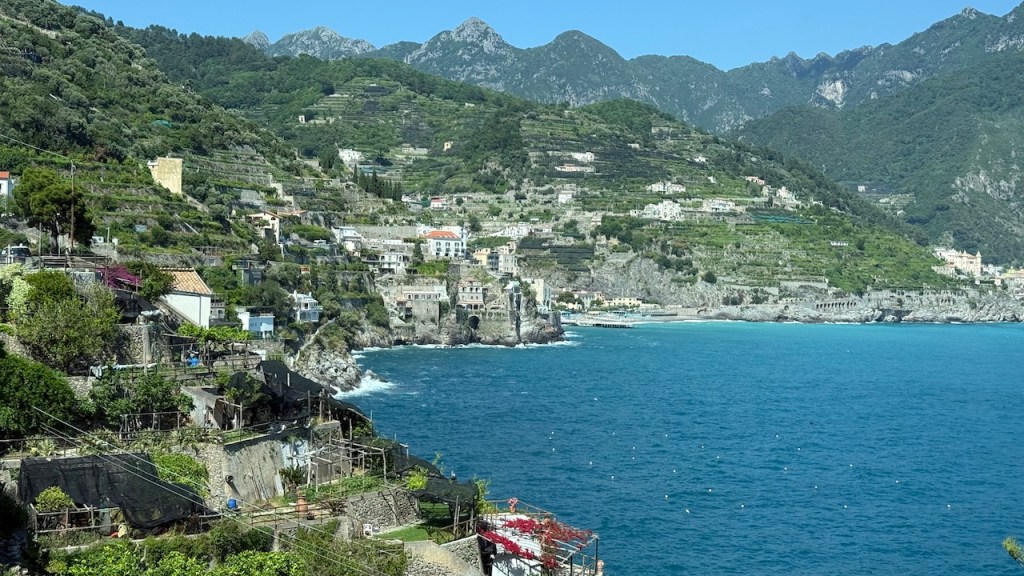
The visit to the Amalfi coast was very scenic and very enjoyable.
Our next place of travel was Sicily, where we covered Palermo, Catania (Mt. Etna) and Agrigento.
We spent 2 days in Palermo, 1 day in Catania and 1 day in Agrigento. All there places had a lot of history and some beautiful scenic views.
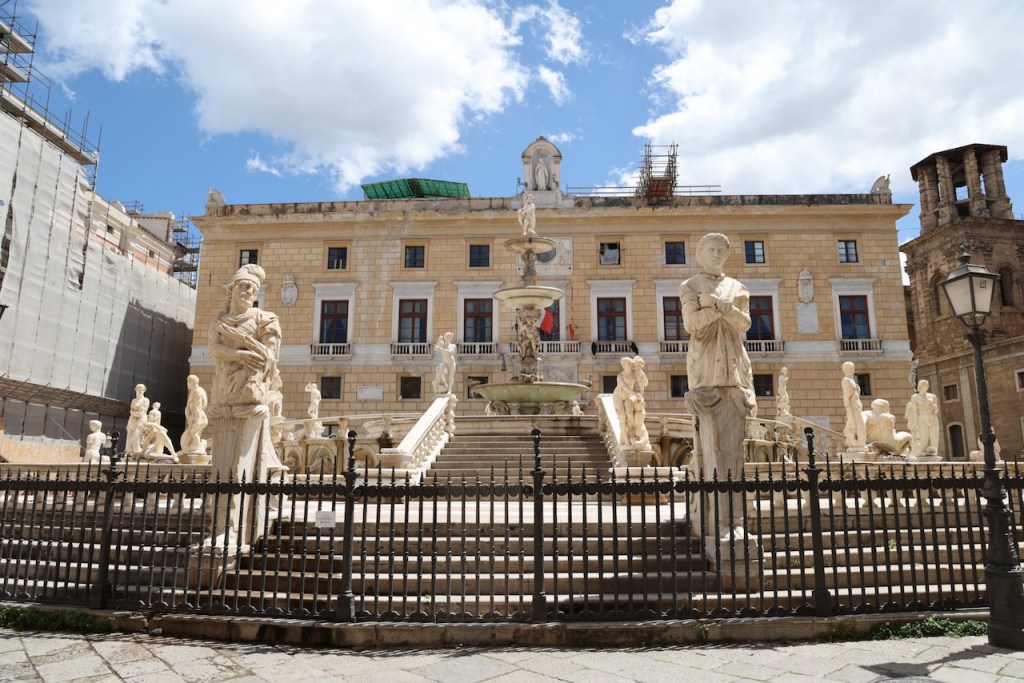
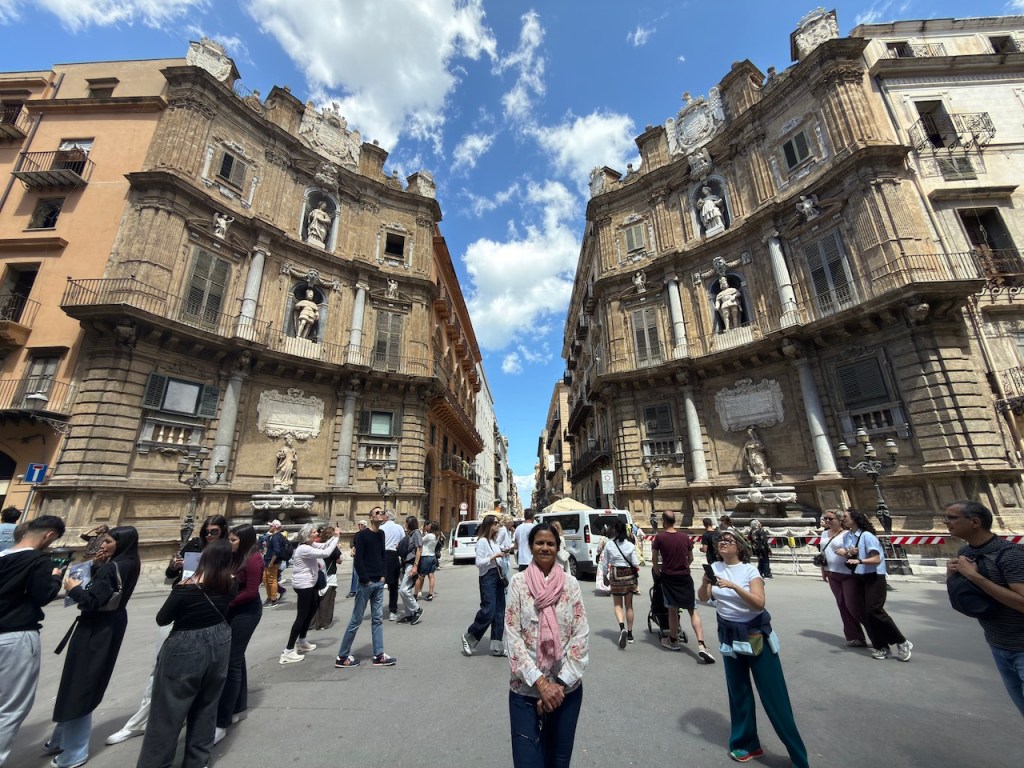
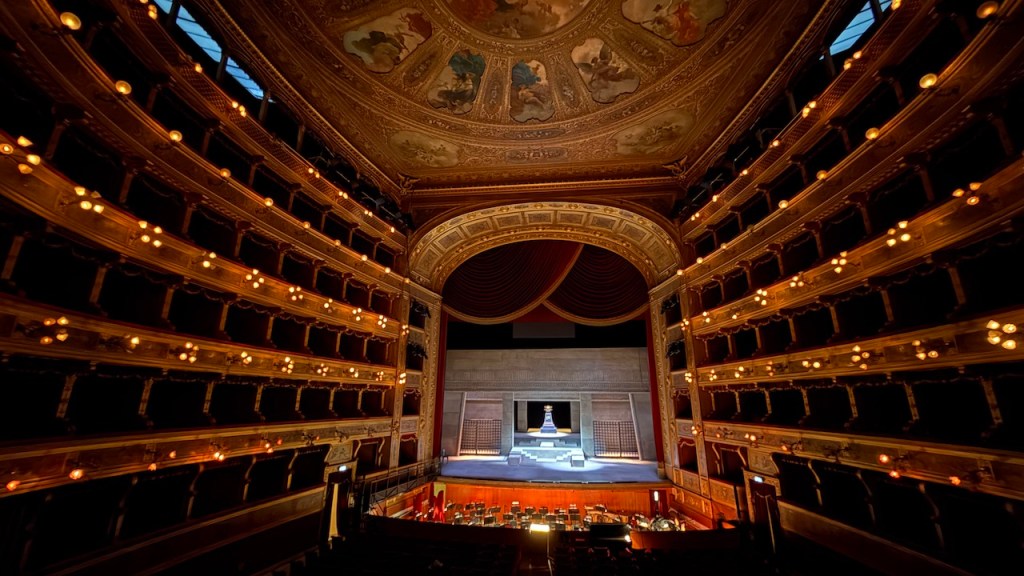
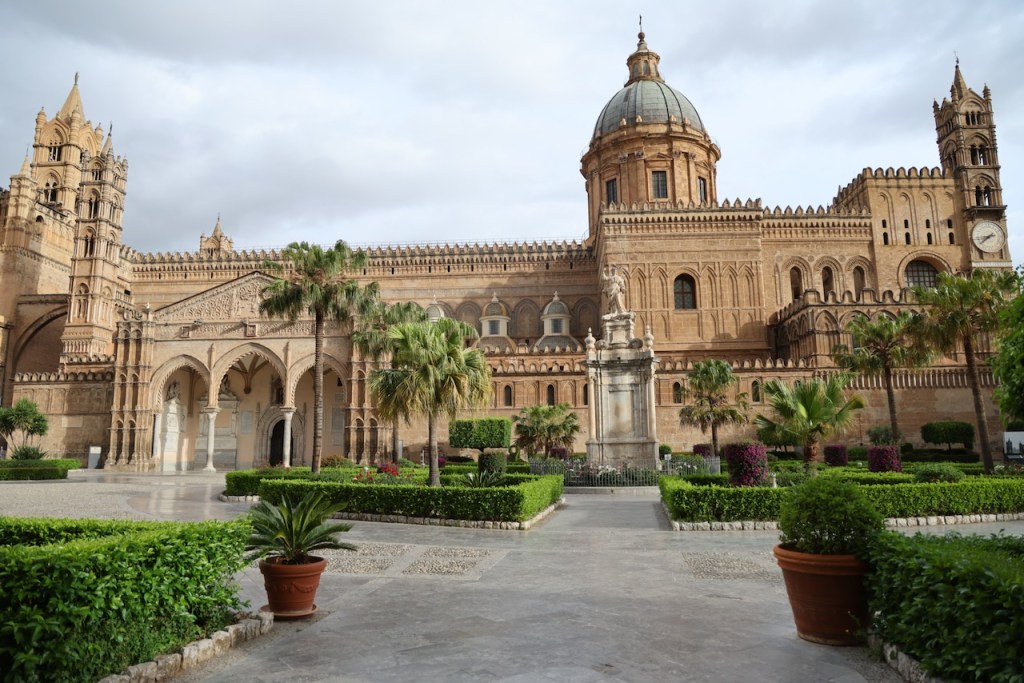
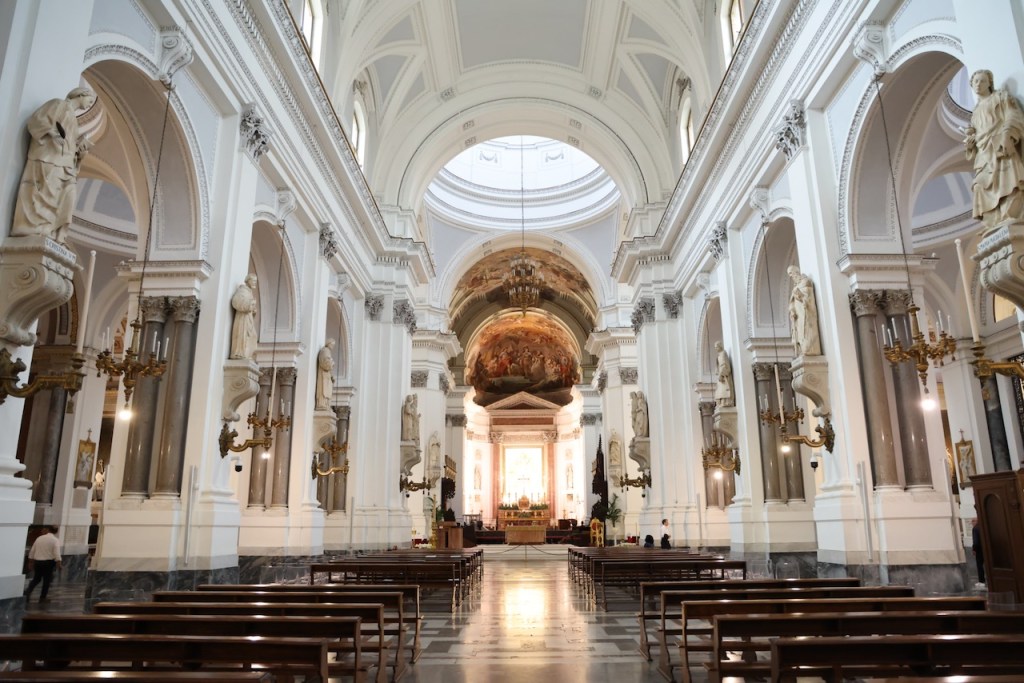
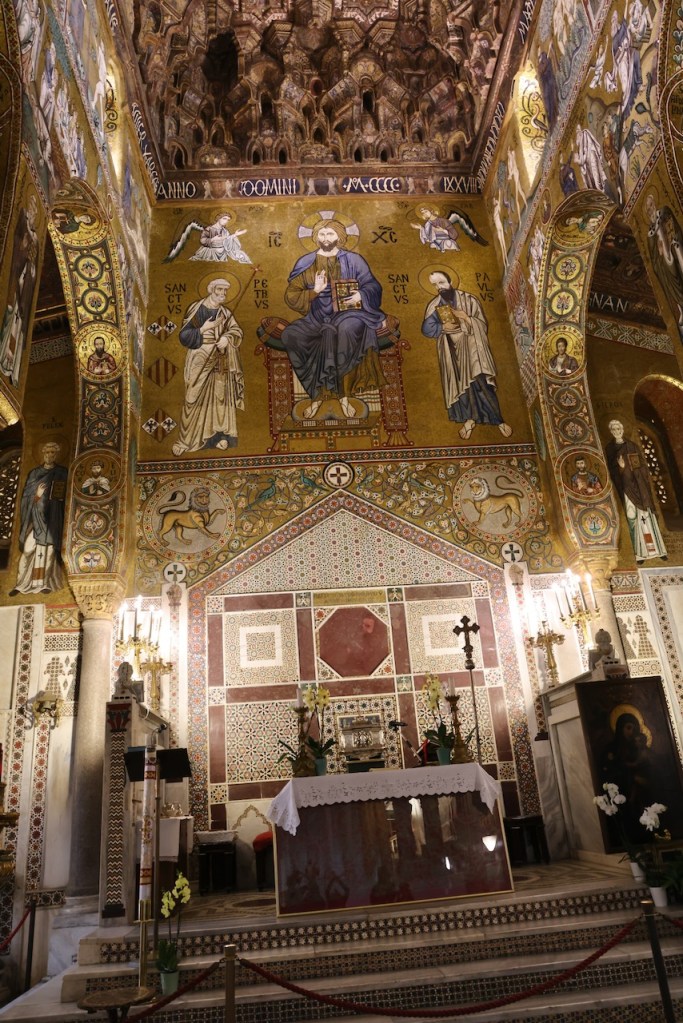
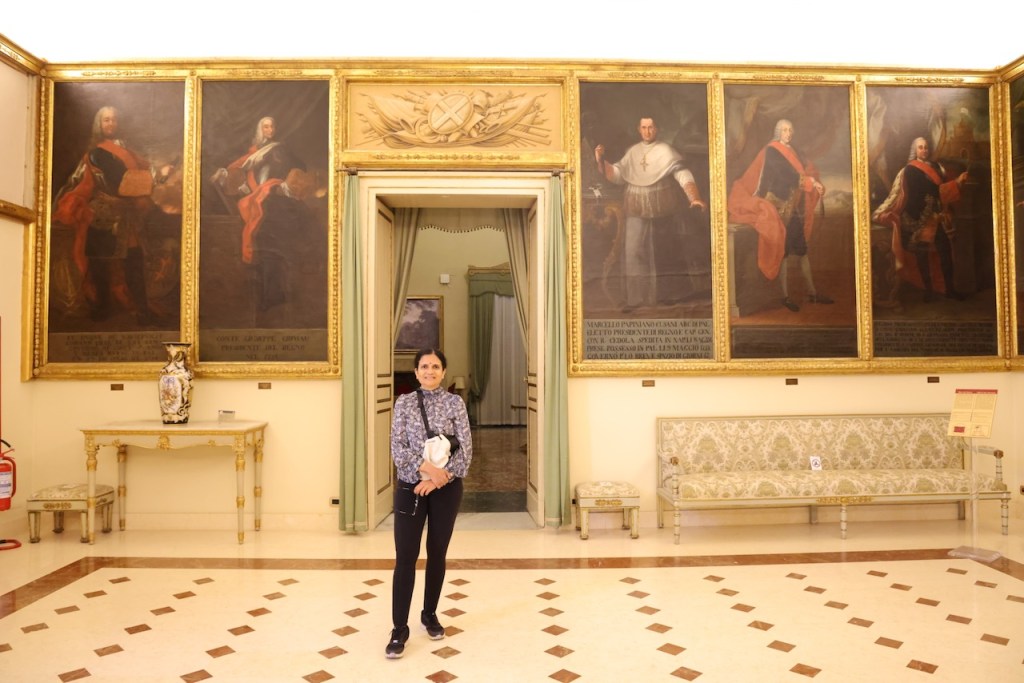
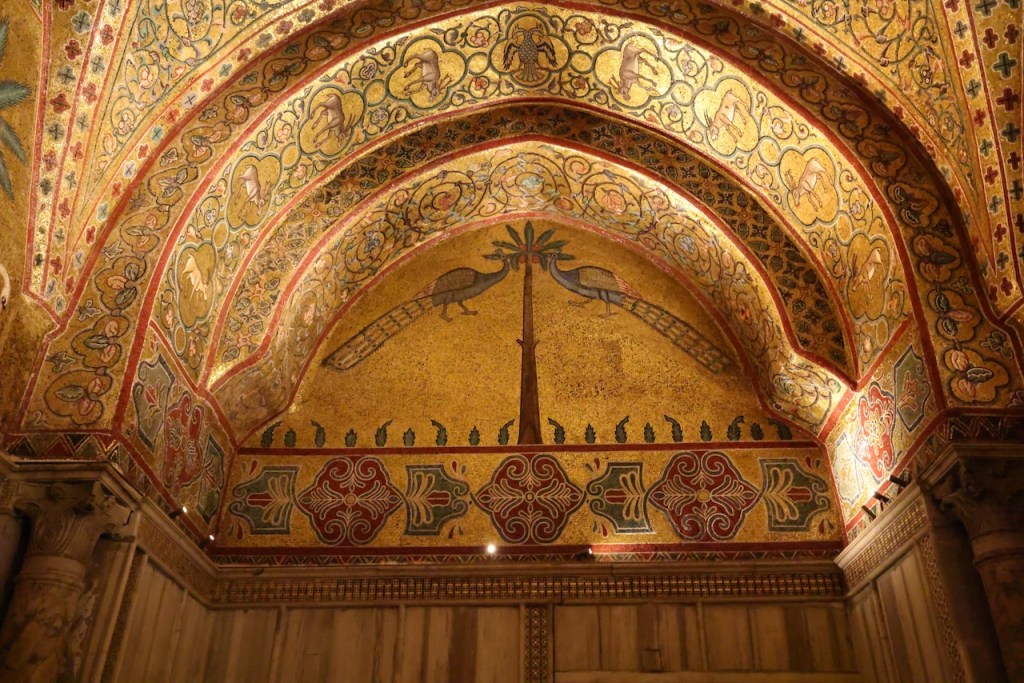
We enjoyed the 2 days in Palermo. We hired a car from Palermo Airport and did the drive to Catania (Mt. Etna).
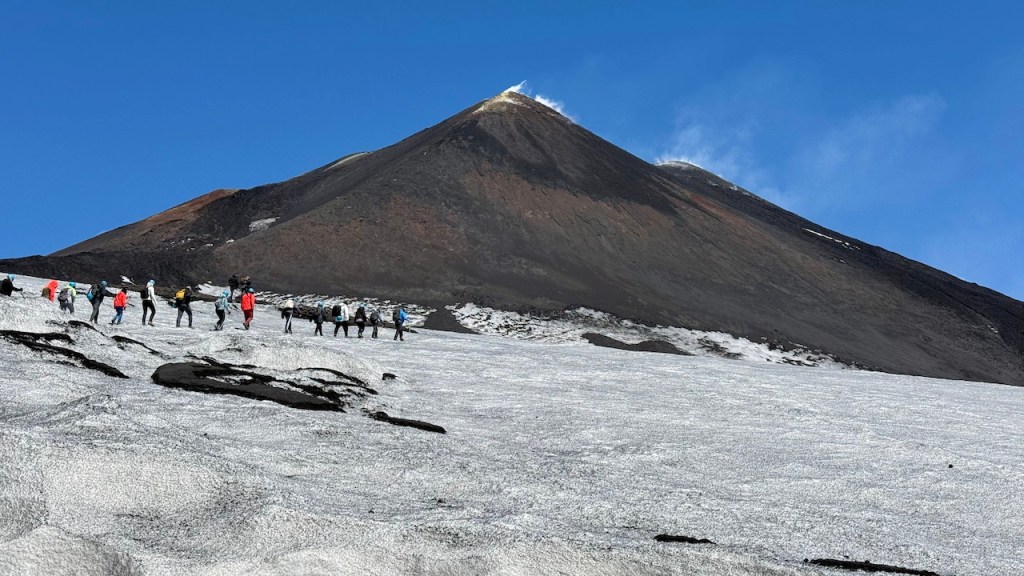
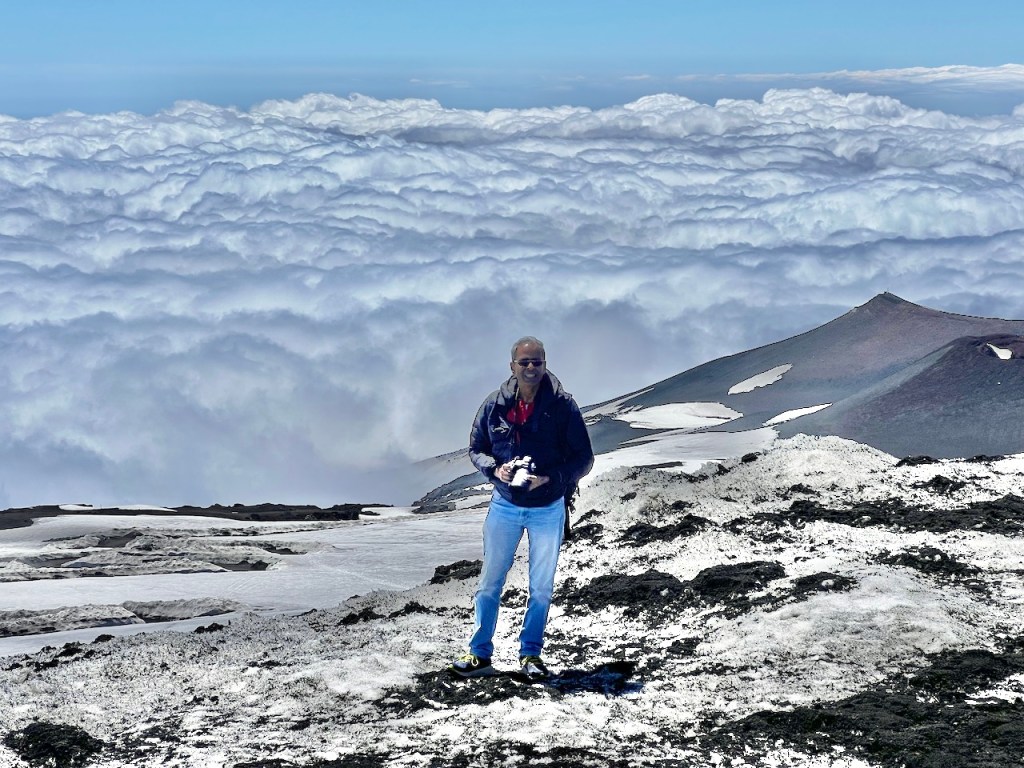
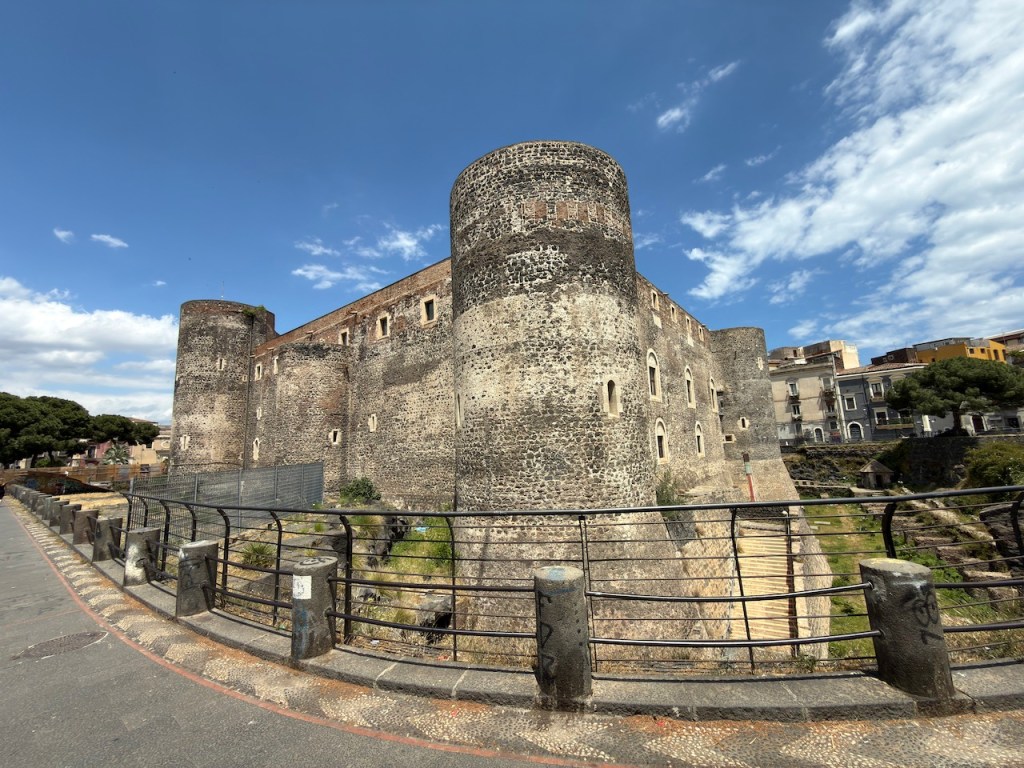
From Mt. Etna we drove to Catania, where we spent on night. We walked around the town centre, and saw the Catania Cathedral, and Ursino Castle.
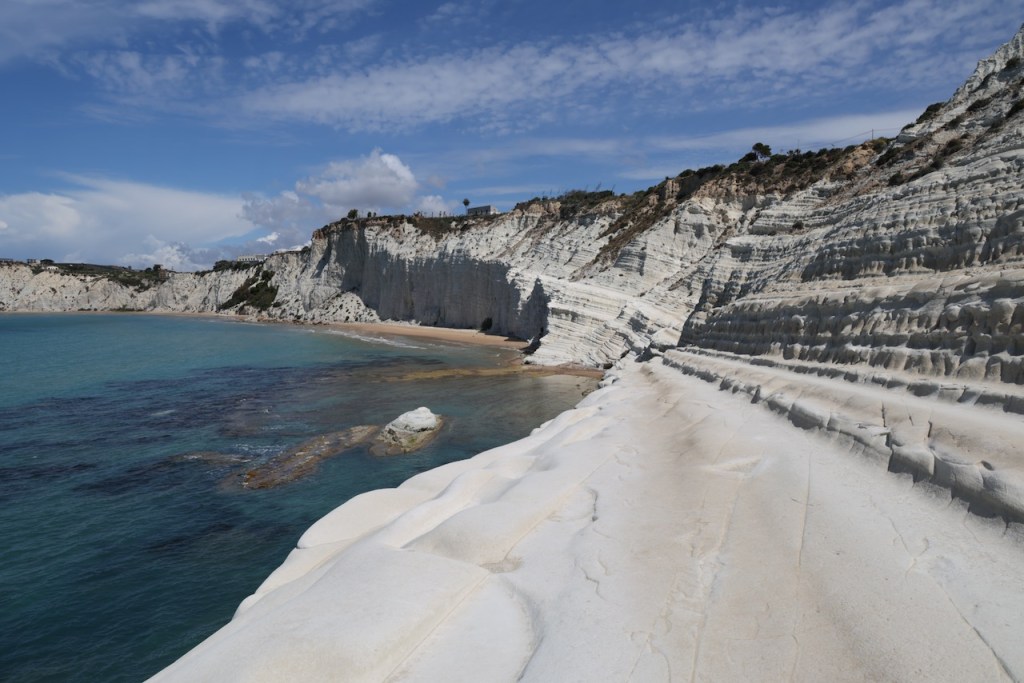
From Catania, we drove to Agrigento, and our first stop was the Turkish Stairs on the south coast of Agrigento. The views were stunning.
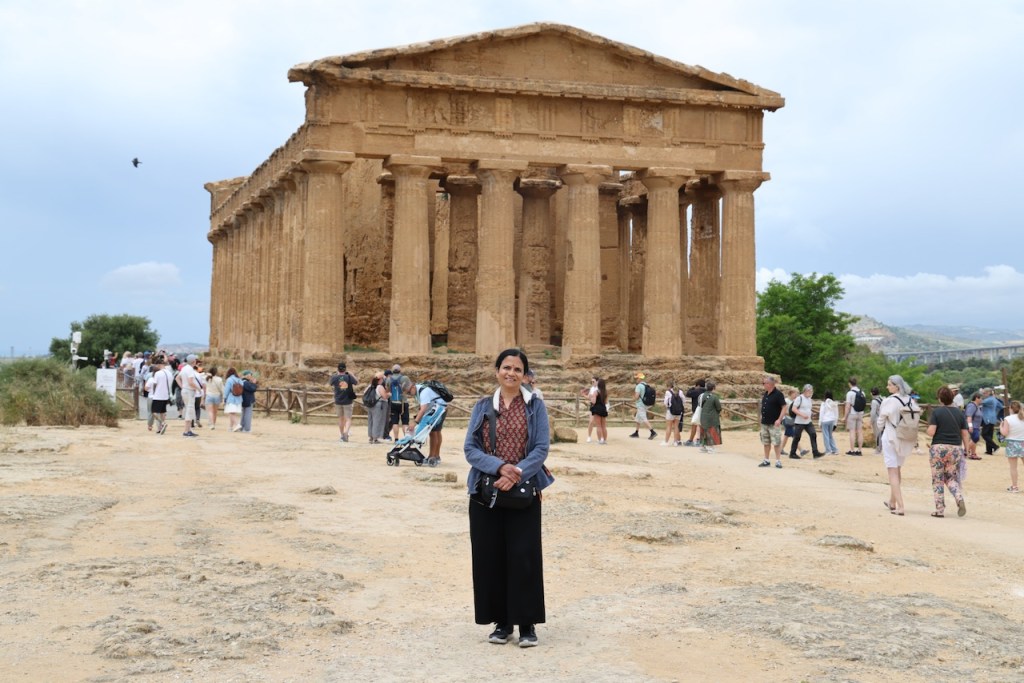
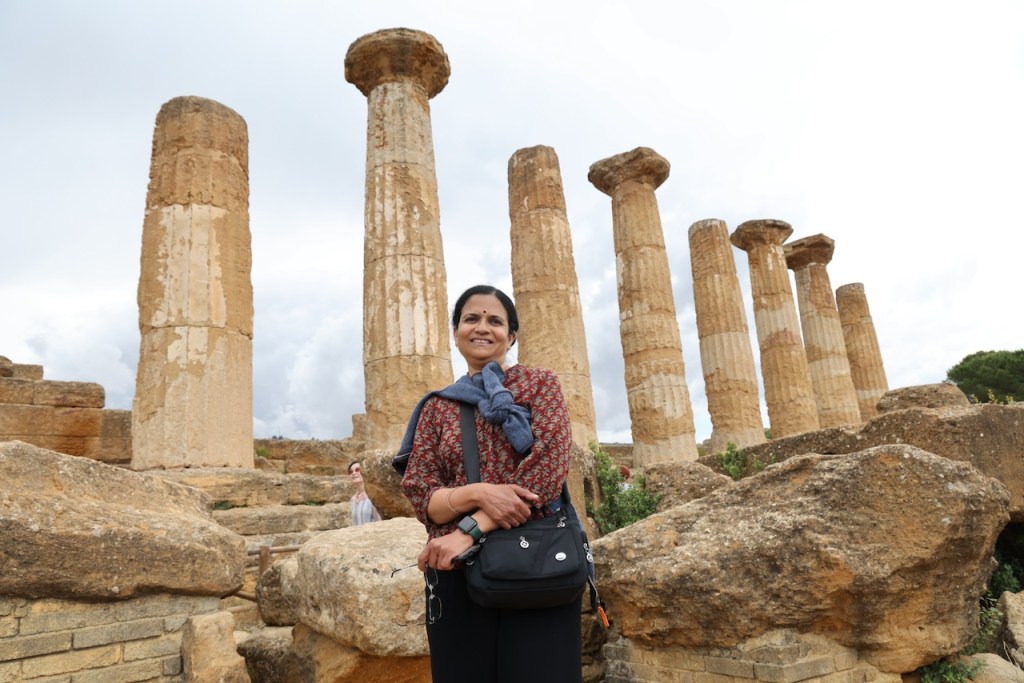
After seeing the Turkish stairs, we drove to the valley of the temple. The Valley of the Temples in Agrigento, Sicily, traces its origins to the 6th century BC as the ancient Greek colony of Akragas. It flourished in the 5th century BC, constructing spectacular Doric-style temples that are today recognized as a UNESCO World Heritage Site. Akragas grew into one of the most powerful and affluent cities in the Mediterranean, boasting a population of around 300,000. Under the rule of the tyrant Theron and following the victory against the Carthaginians at the Battle of Himera in 480 BC, the city entered a massive building campaign. The iconic temples—such as the Temple of Hera, the Temple of Heracles, and the exceptionally well-preserved Temple of Concordia were erected to honor the gods and showcase the city’s prosperity.
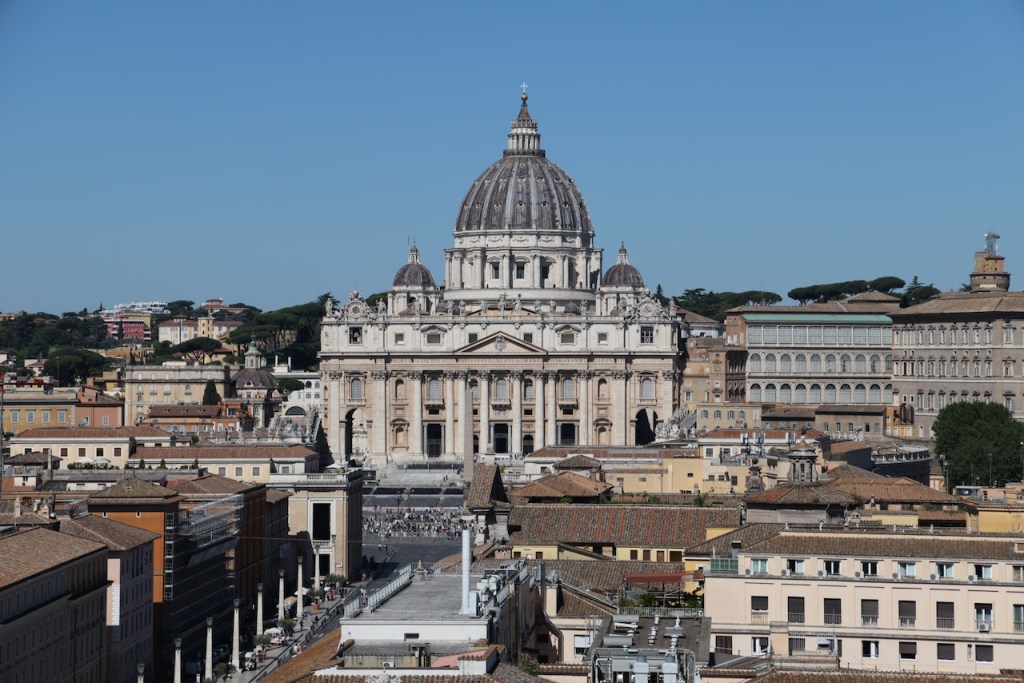
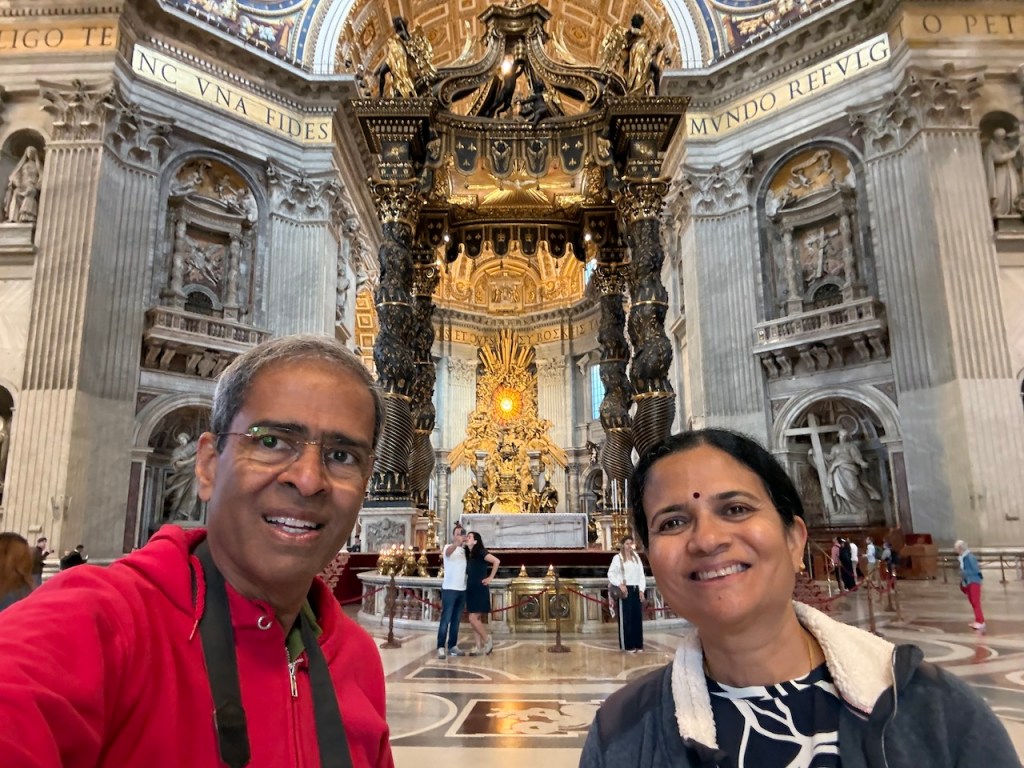
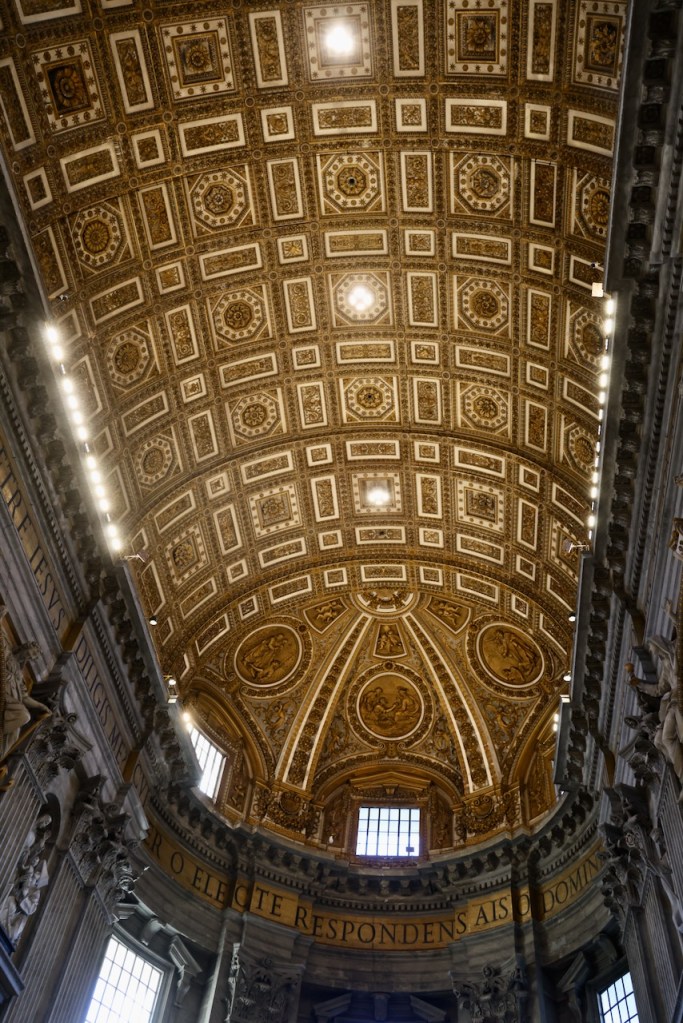
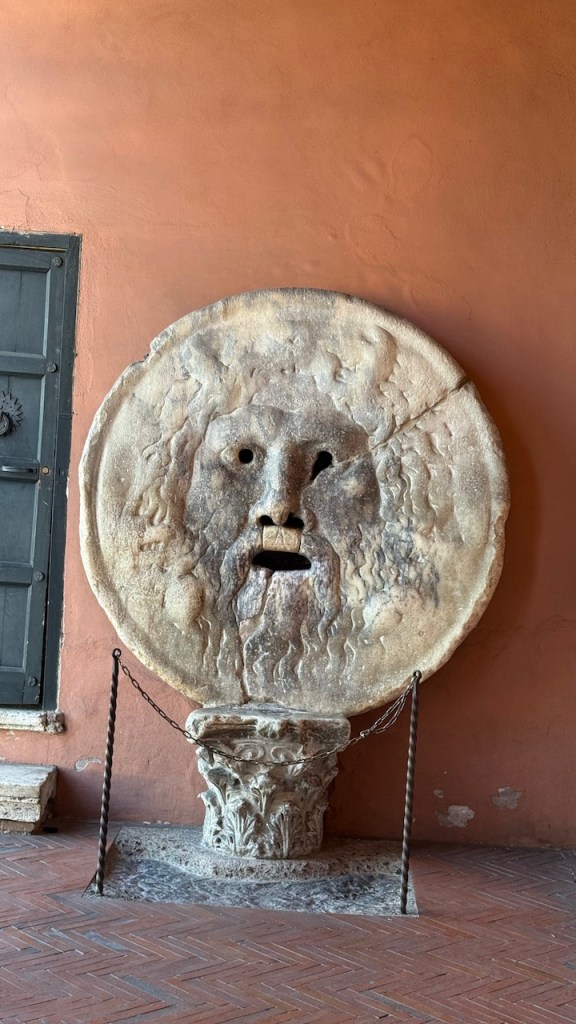
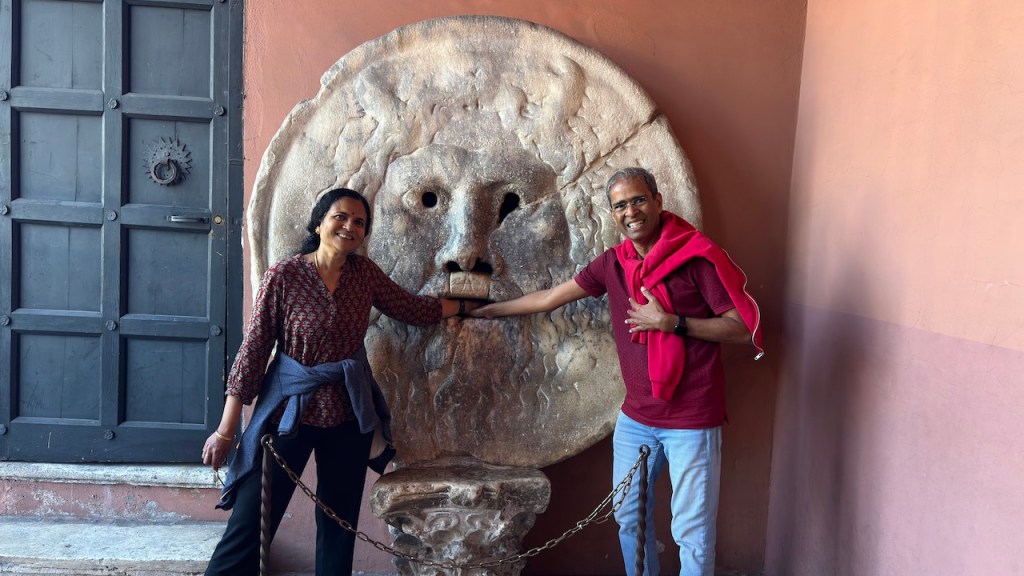
From Palermo, we flew in to Rome. We visited many places in Rome, including the Vatican Museum, the Sistine Chapel, St. Peter’s Basilica, Sant’Angelo Castle, the Pantheon, the Colosseum, The Roman Forum, The Mouth of Truth and a few other places.
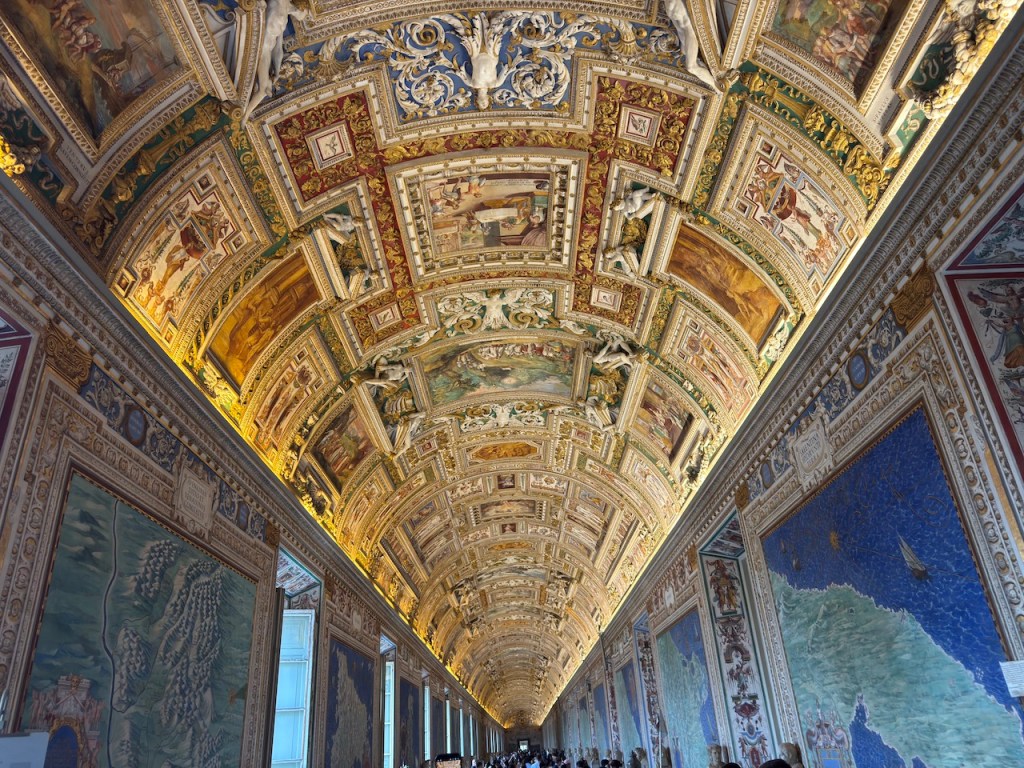
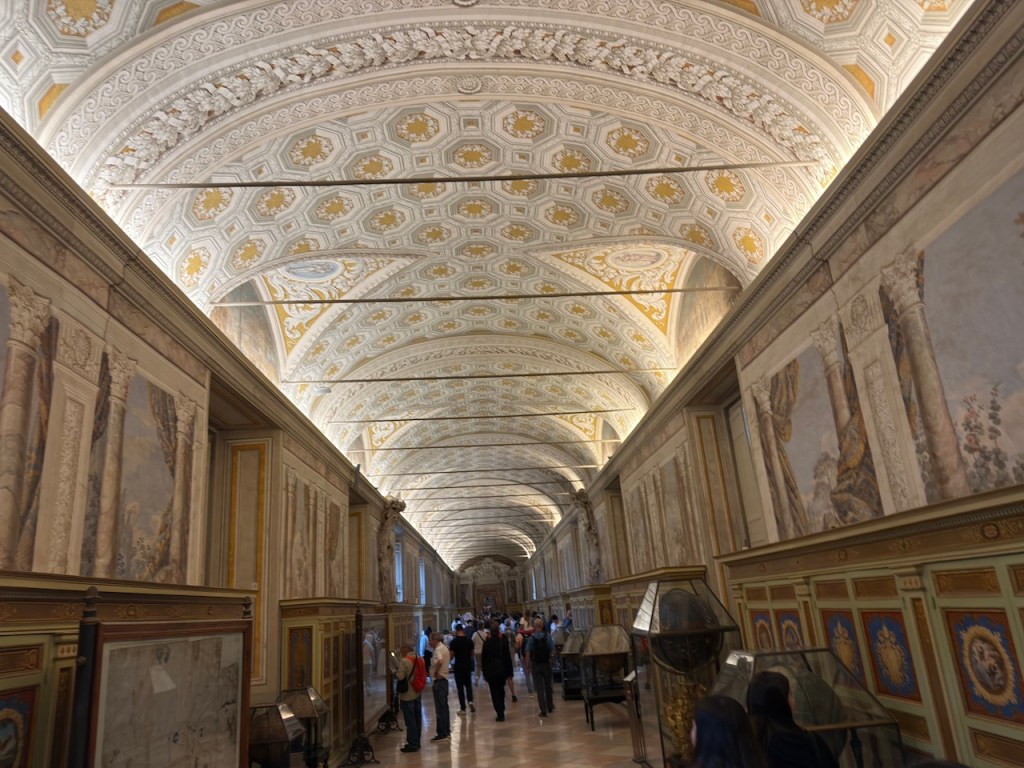
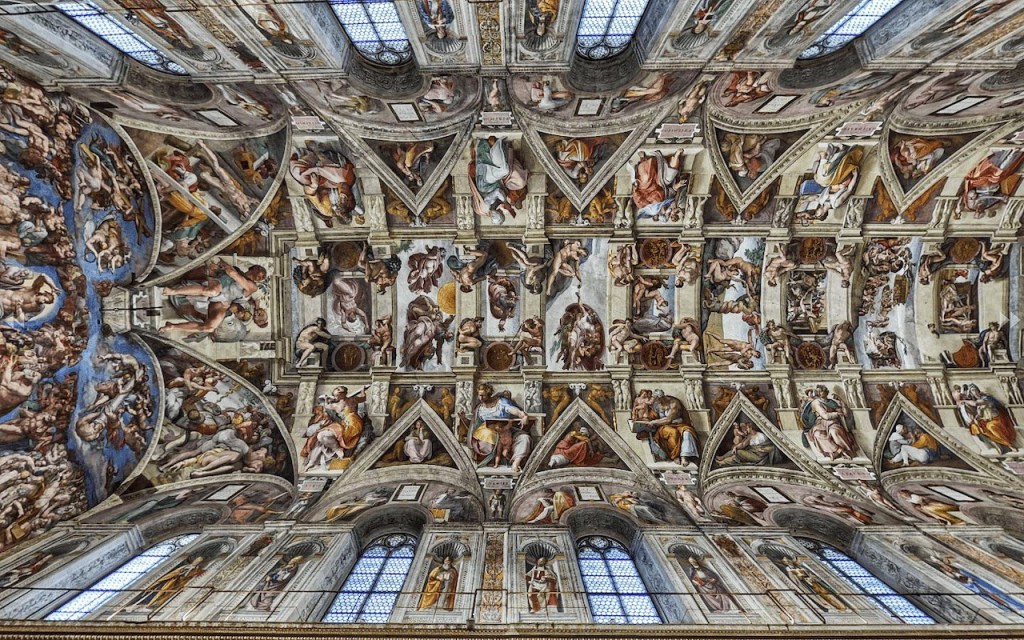
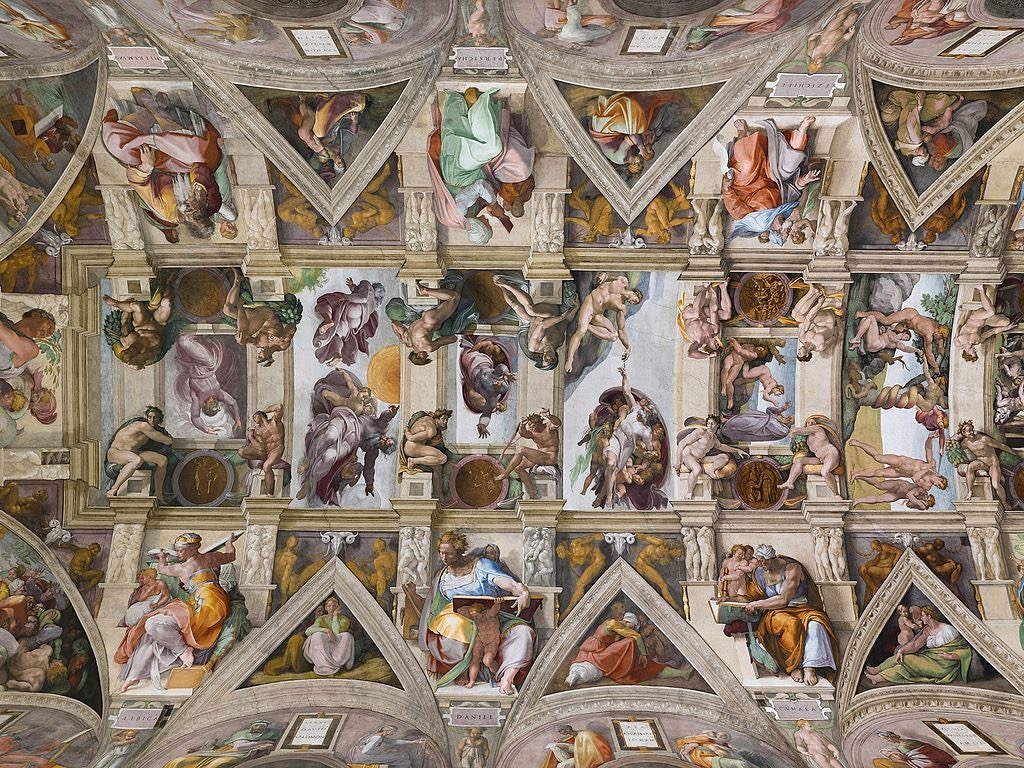
Our first place of visit was a guided tour to the Vatican Museum and the Sistine Chapel. The Vatican Museums and Sistine Chapel trace their origins to the Renaissance. Originally commissioned by Pope Sixtus IV in 1473, the Sistine Chapel was completed in 1481. The Vatican Museums were founded in 1503 when Pope Julius II moved his private sculpture collection to the Belvedere Courtyard.
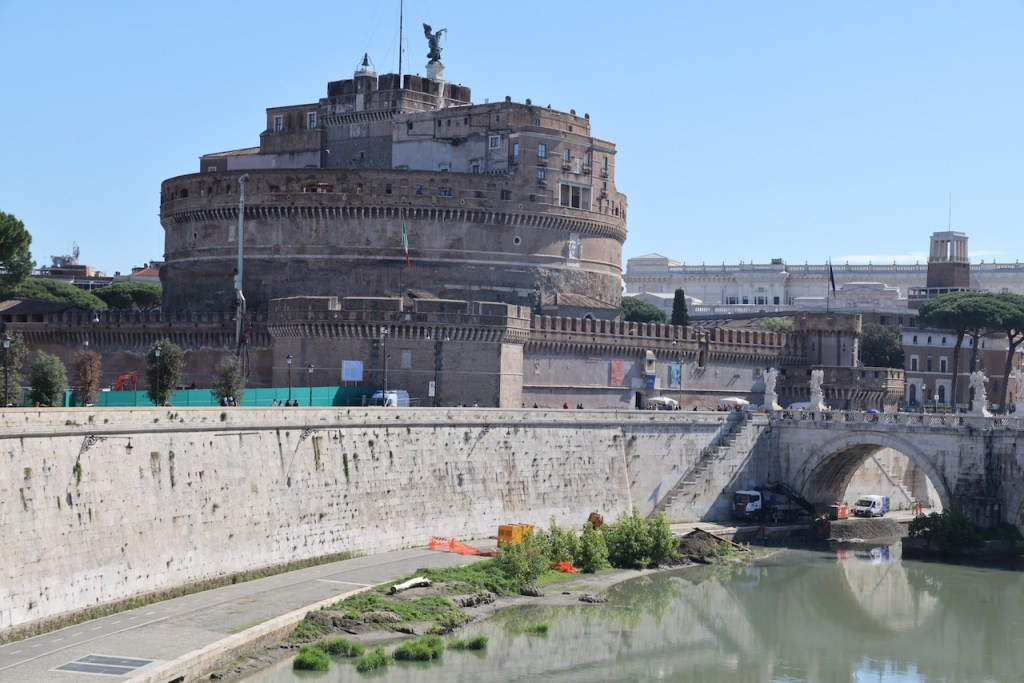
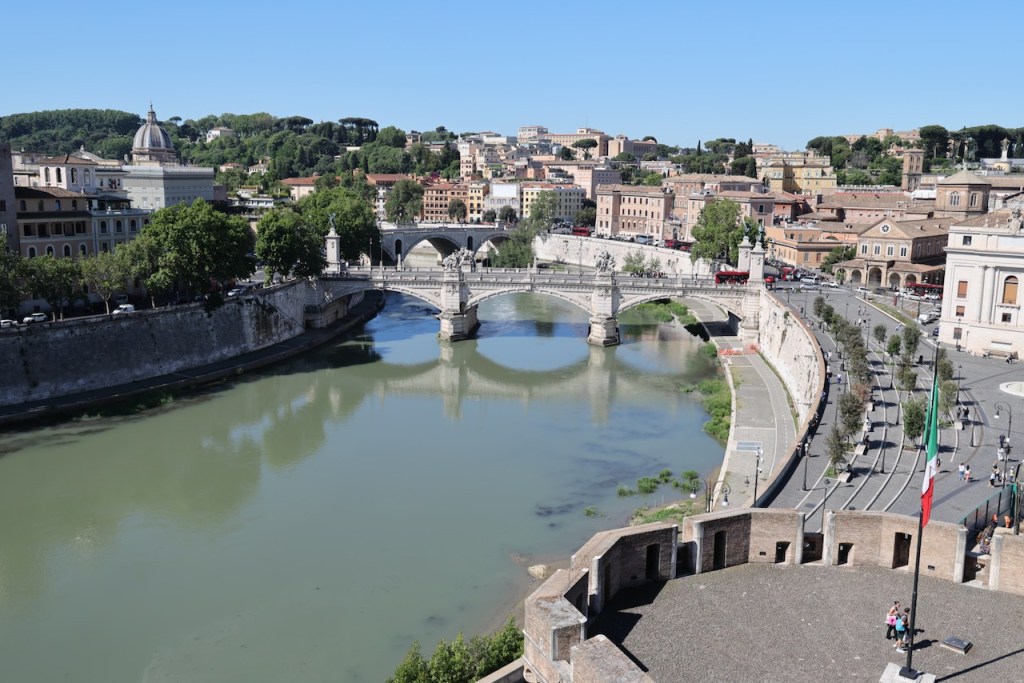
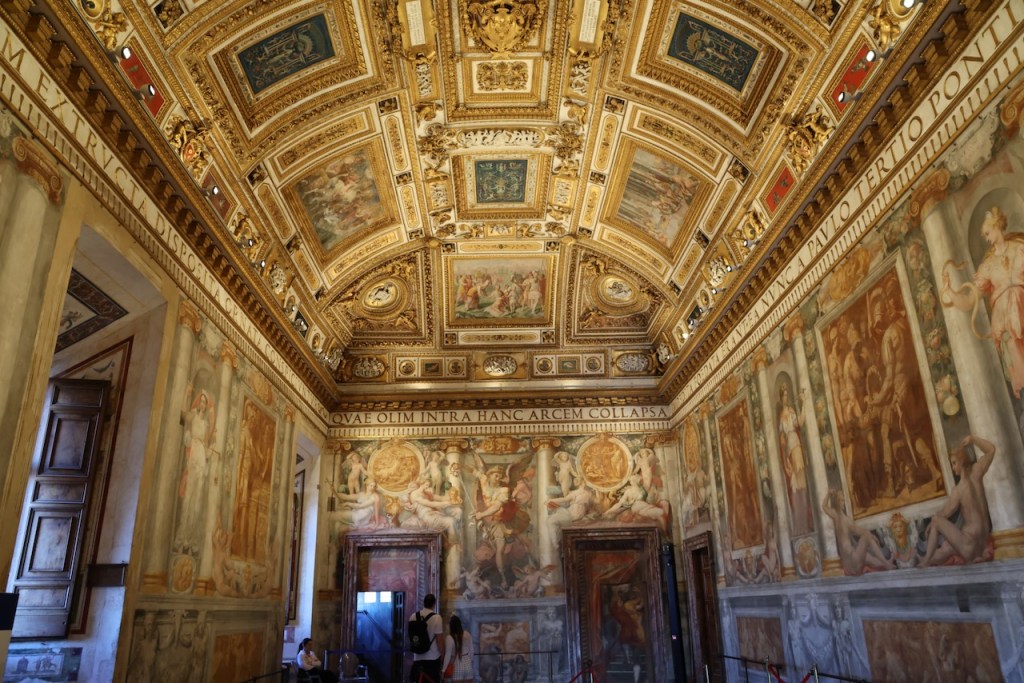
Also known as the Mausoleum of Hadrian, Castel Sant’Angelo is a monumental fortress in Rome commissioned by Emperor Hadrian in 123 AD. Over its 1,900-year history, it has served as an imperial tomb, a medieval military stronghold, a papal refuge with a secret escape corridor, and a political prison before becoming a museum.
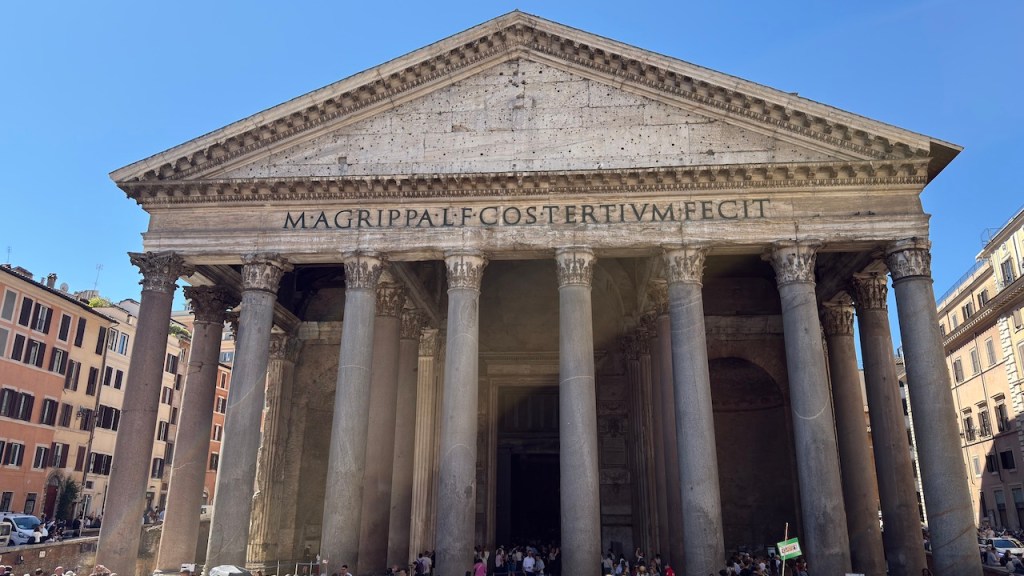
The Pantheon in Rome, Italy, is the best-preserved monument from ancient Rome. Originally built as a pagan temple around 27 BC, it was completely rebuilt by Emperor Hadrian in 126 AD. Its massive, unreinforced concrete dome stood as the world’s largest for 1,300 years
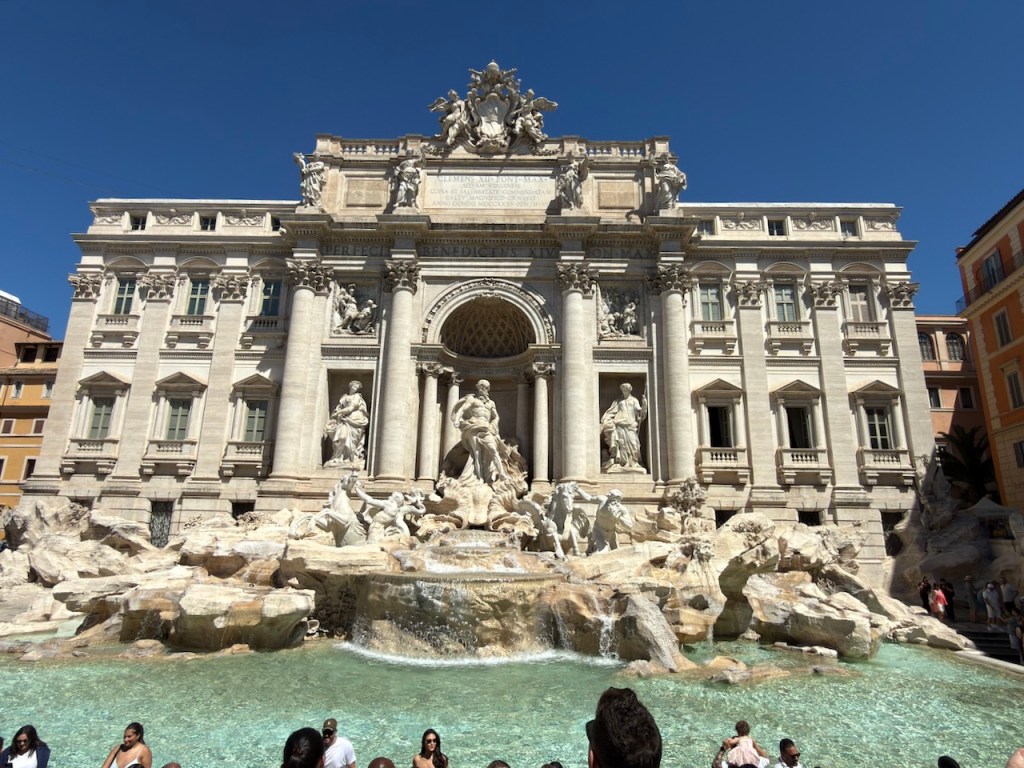
The Trevi Fountain is Rome’s largest and most famous Baroque masterpiece. Commissioned by Pope Clement XII in 1730 and completed in 1762 by Giuseppe Pannini from a design by Nicola Salvi, it marks the endpoint of the ancient Aqua Virgo aqueduct, which has supplied water to the city since 19 BC.
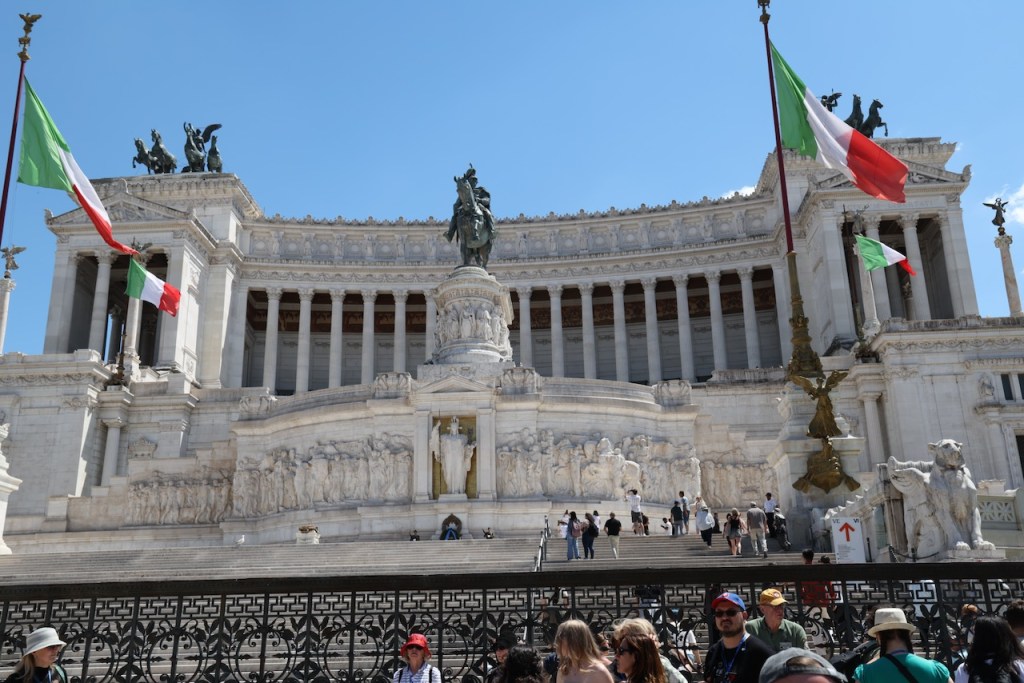
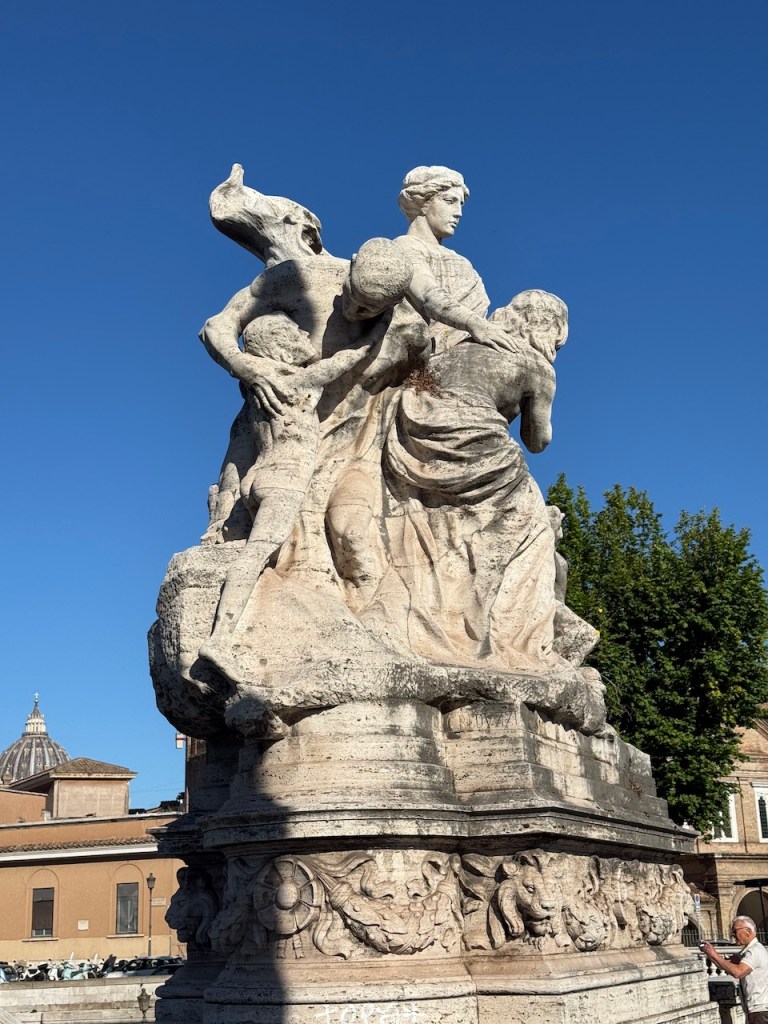
The Monument to Victor Emmanuel II, commonly called the Vittoriano or Altare della Patria, was conceived in 1878 to honor Italy’s first unified king and the Risorgimento. Designed by architect Giuseppe Sacconi, this neoclassical landmark was inaugurated in 1911 and fully completed in 1935.
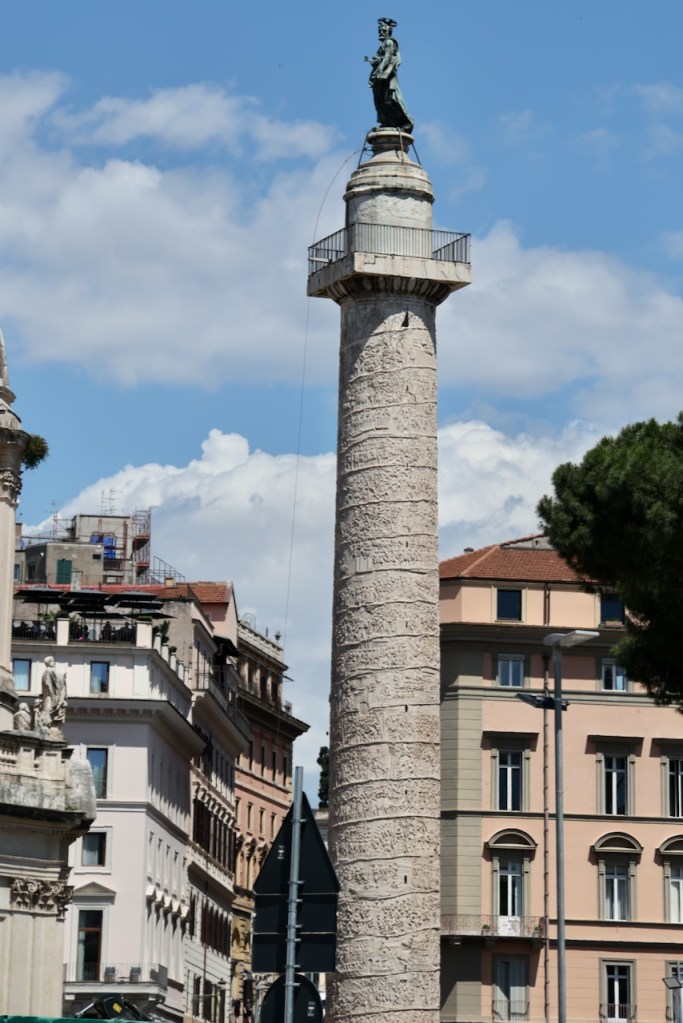
Trajan’s Column, erected in Rome in (113 CE), is an ancient triumphal monument celebrating Emperor Trajan’s victory in the Dacian Wars. Designed by the architect Apollodorus of Damascus, it features a 200 meter continuous spiral bas-relief and originally served as a tomb for the Emperor and his wife, Plotina.
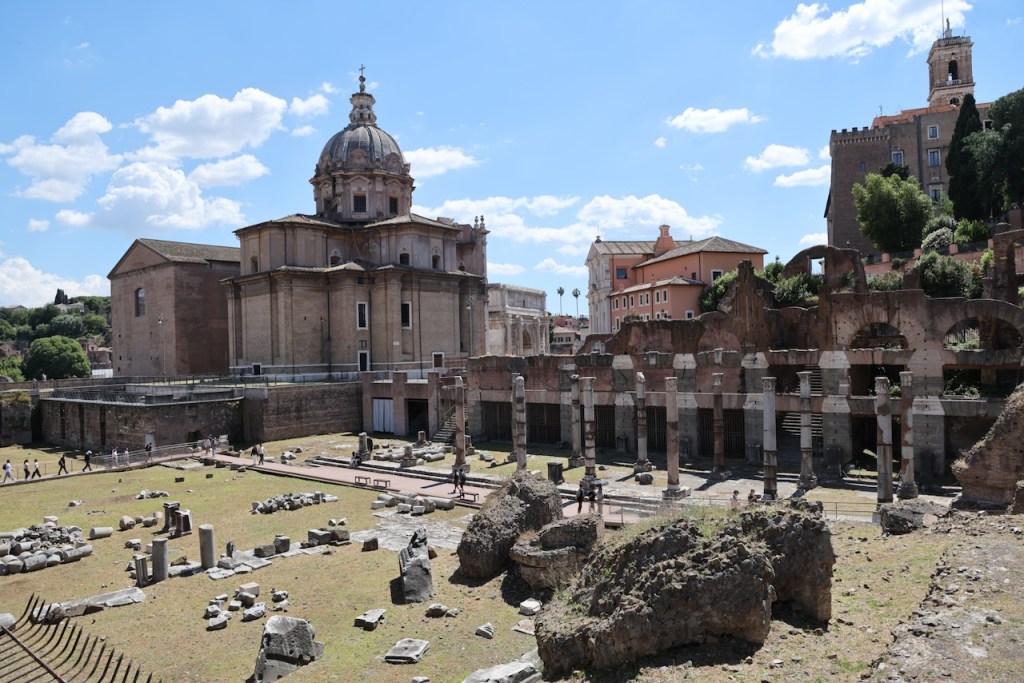
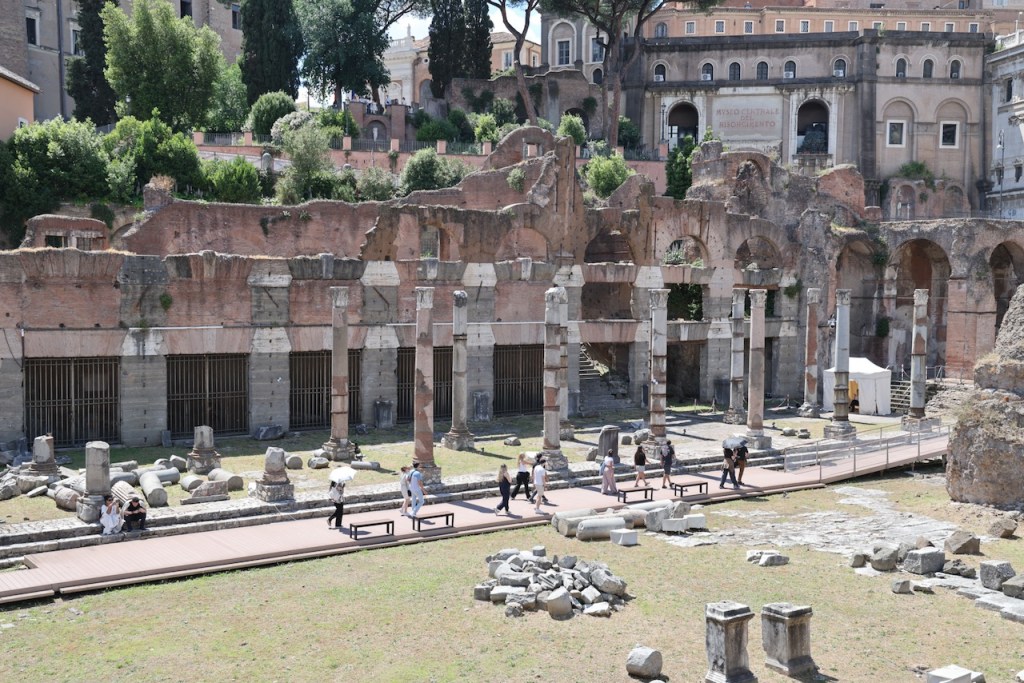
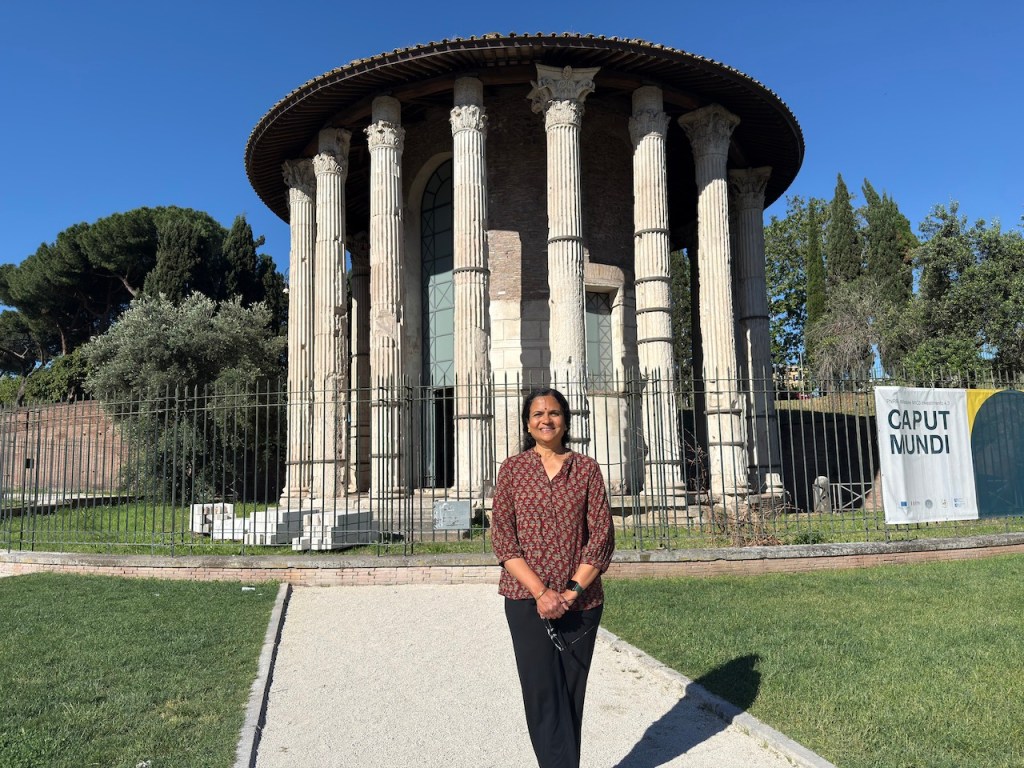
The Roman Forum (Forum Romanum) was the bustling civic, religious, and commercial heart of ancient Rome. Originally a marshy valley, it was drained in the 6th century BCE to become the central stage for elections, public speeches, criminal trials, and triumphal processions for over a millennium.
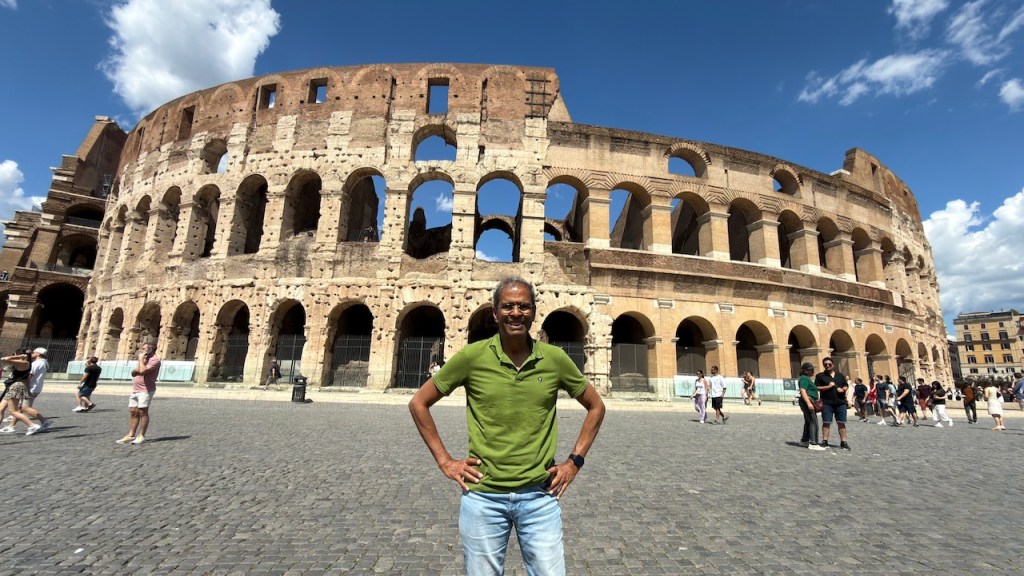
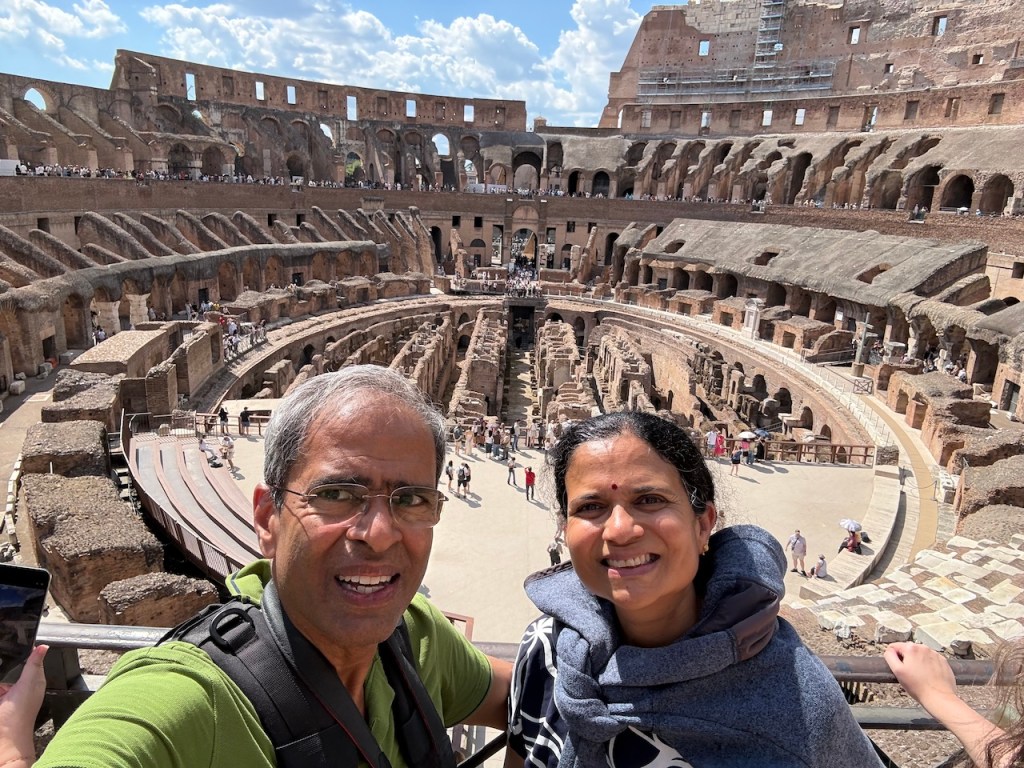
The Colosseum, also known as the Flavian Amphitheatre, is the largest ancient amphitheater ever built. Commissioned in 70–72 AD by Emperor Vespasian, it was inaugurated in 80 AD with 100 days of games. It stood for centuries as Rome’s ultimate venue for gladiator fights, animal hunts, and public executions.
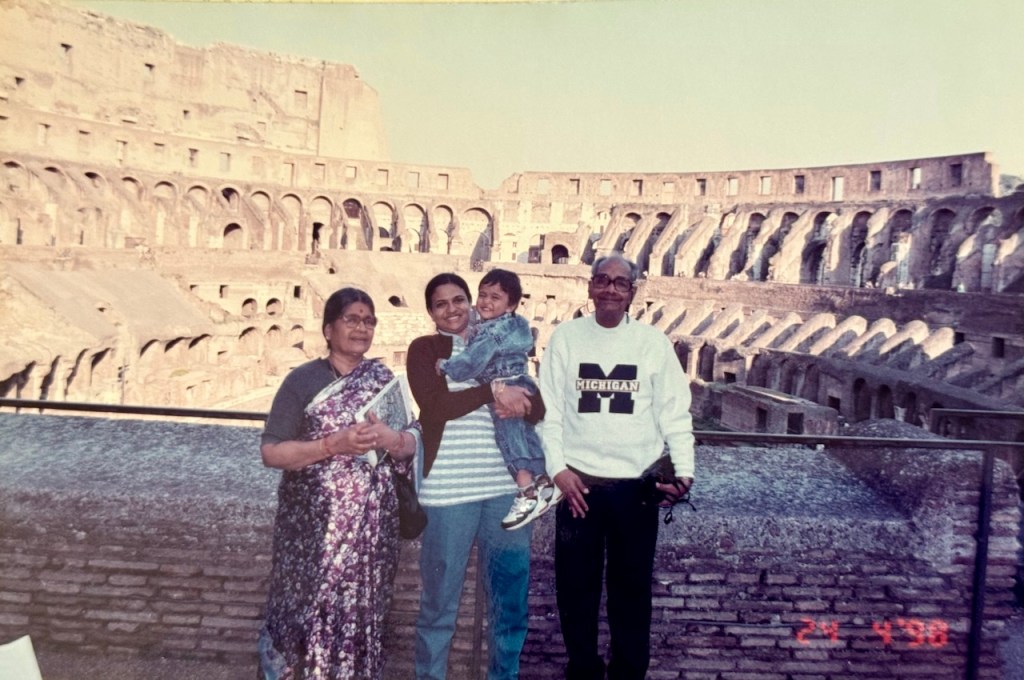
We visited Venice and Pisa in 1998, quite some time back 🙂