We spend 5 days in Mexico City. There are a number of famous museums in Mexico City, and a rich history going back many centuries.
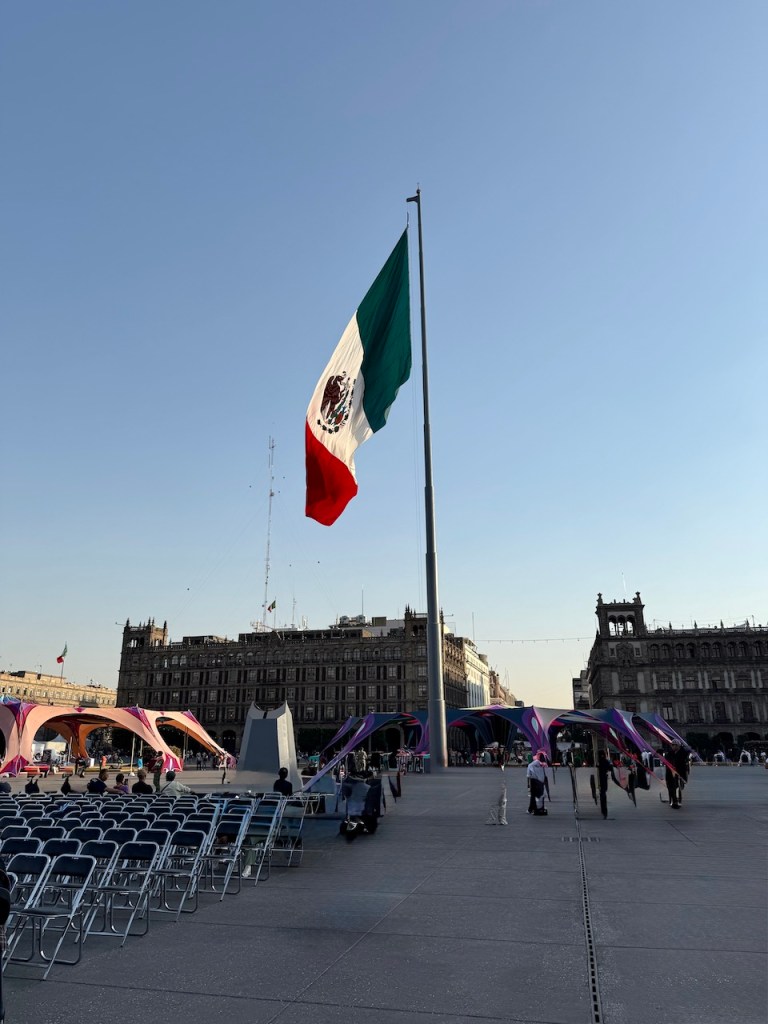
We started with a walk to the Plaza de la Constitution, which is in the historic centre of Mexico City. We watched the military march, and also the lowering of the flag.
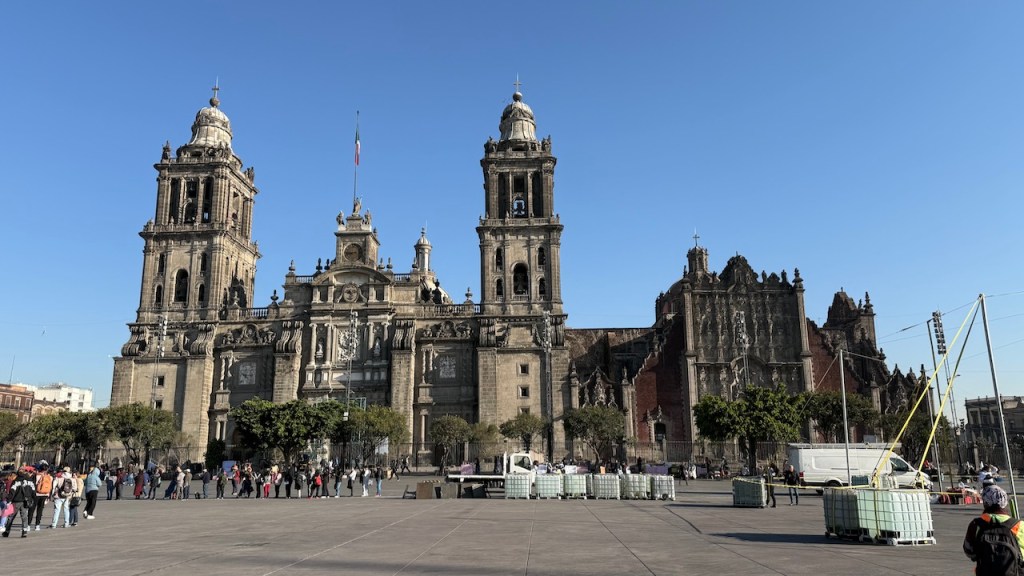
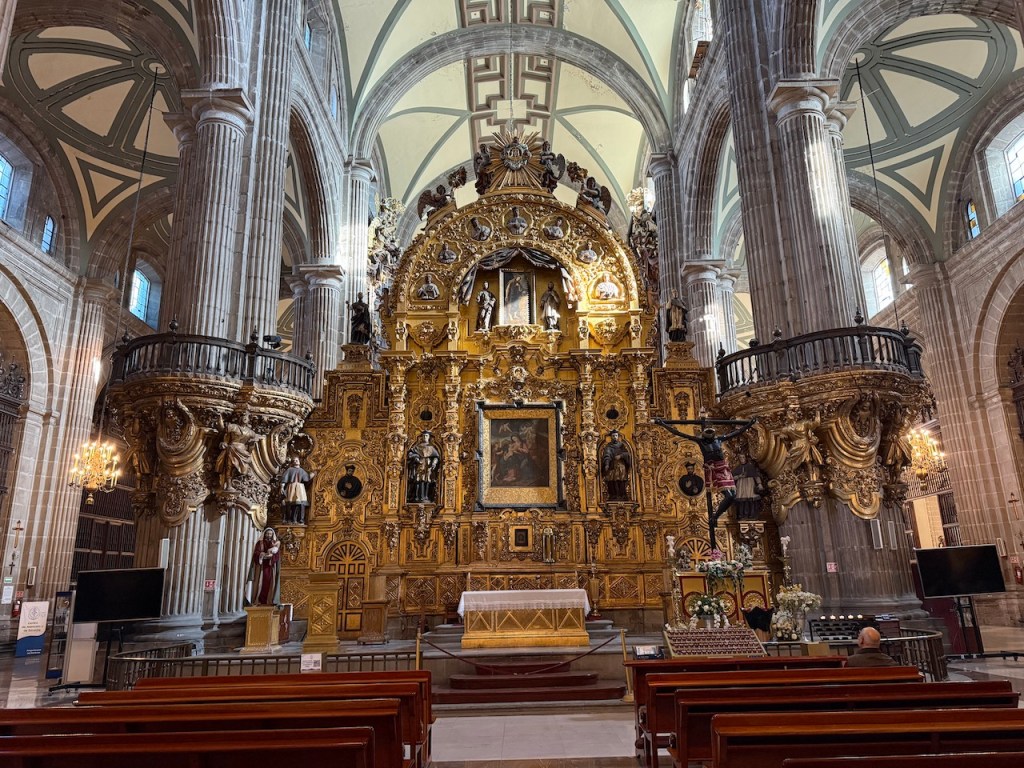
We visited the Metropolitan Cathedral, which is in the Plaza de la Constitution. The Metropolitan Cathedral of the Assumption of the Most Blessed Virgin Mary into Heaven in Mexico City is the oldest and largest cathedral in Latin America, with construction spanning from 1573 to 1813. Built over the ruins of the Aztec Templo Mayor using stones from the destroyed sacred sites, it serves as a central symbol of colonial, baroque, and neoclassical architecture.
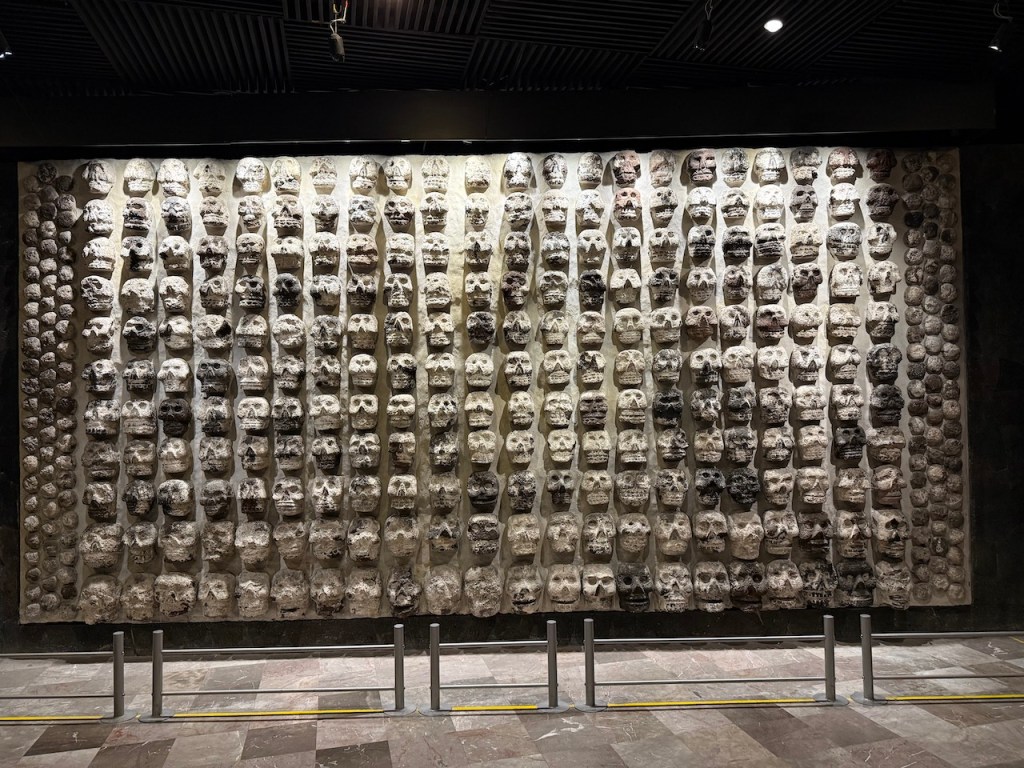
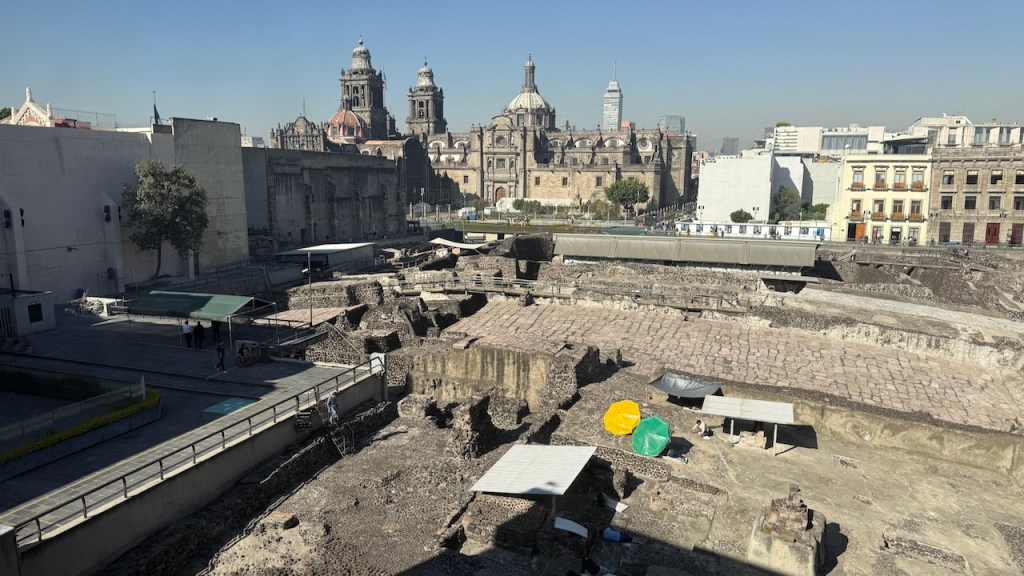
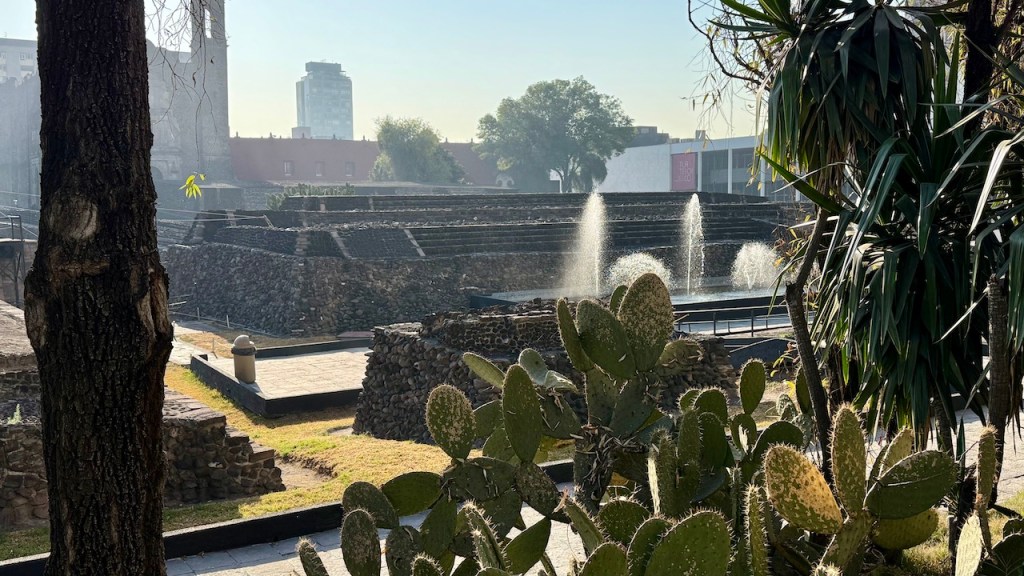
We next visited the Templo Mayor museum, which is close to the Plaza. The Templo Mayor (Great Temple) was the architectural, spiritual, and political centerpiece of the Aztec (Mexica) empire. Located in the heart of their capital city, Tenochtitlan (modern-day Mexico City), it stood as a monumental testament to Aztec power until its destruction by the Spanish. According to Aztec legend, the Mexica people were guided by their sun and war god, Huitzilopochtli, to find a specific sign: an eagle perched on a cactus. They found this sign on an island in Lake Texcoco in 1325 CE, which is where they built their city and the first iteration of the temple.
When Spanish conquistador Hernán Cortés arrived in 1519, he and his men were astounded by the sheer size and beauty of Tenochtitlan and its towering central temple. However, relations quickly turned hostile. Following a brutal three-month siege, the Spanish and their indigenous allies conquered Tenochtitlan in 1521. Cortés ordered the systematic destruction of the city’s religious centers. The Templo Mayor was dismantled, and its stones were repurposed to build the new Spanish colonial city, including the Metropolitan Cathedral that still stands nearby today. Today, the Templo Mayor is an active archaeological site and a UNESCO World Heritage site.
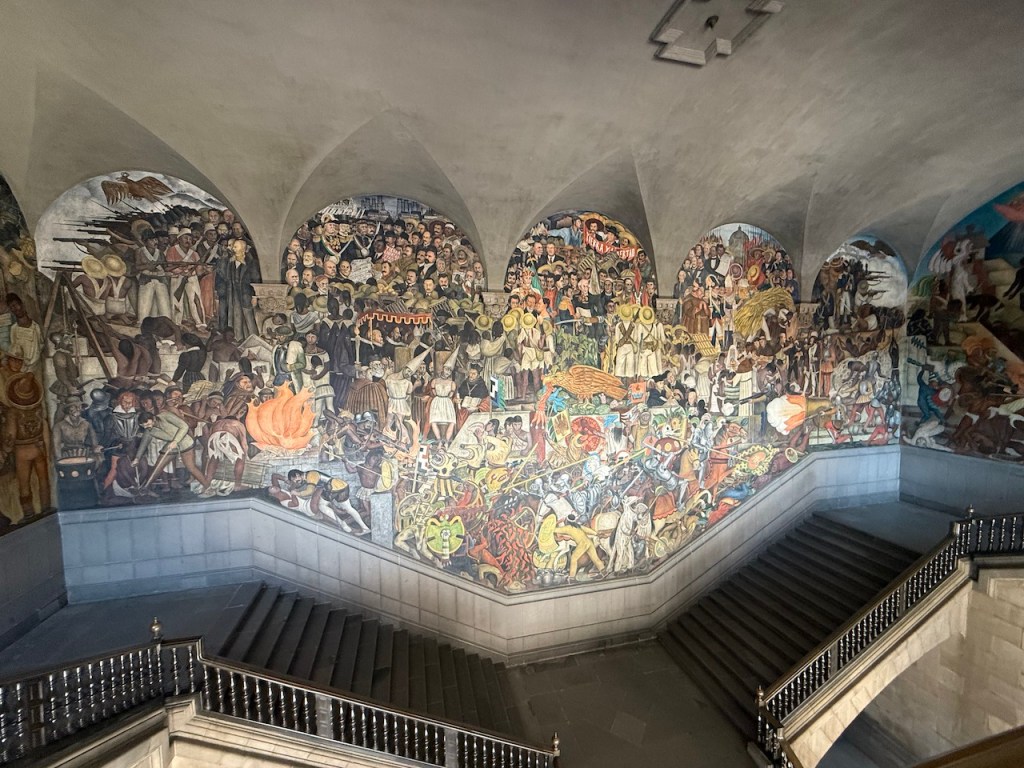
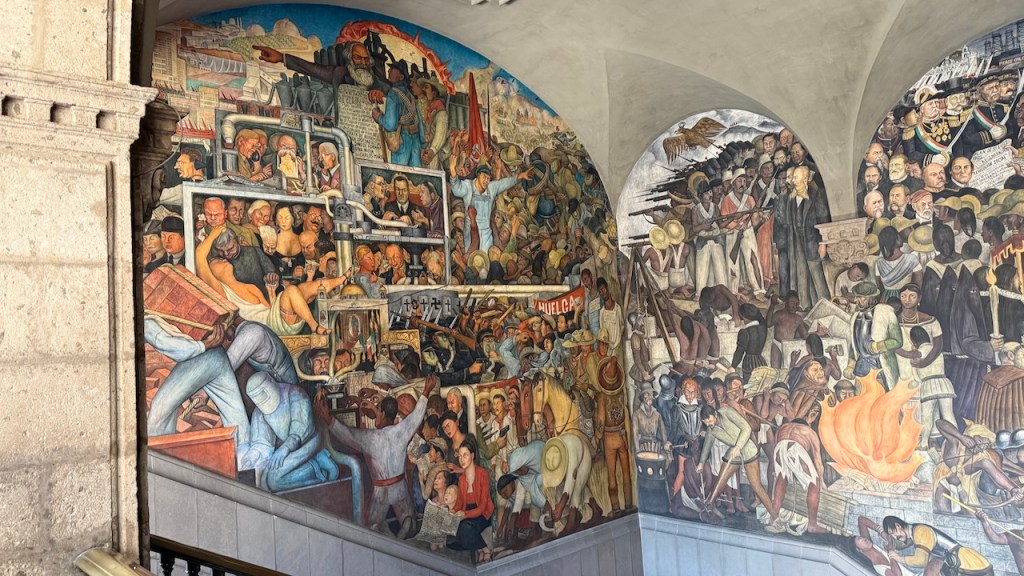
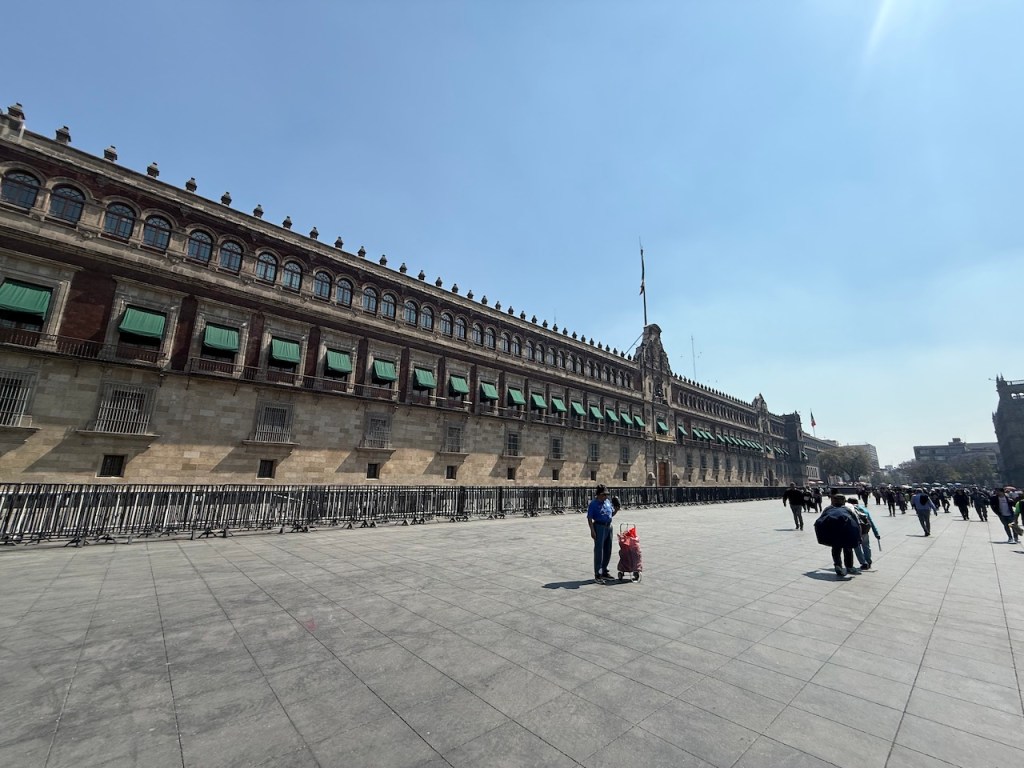
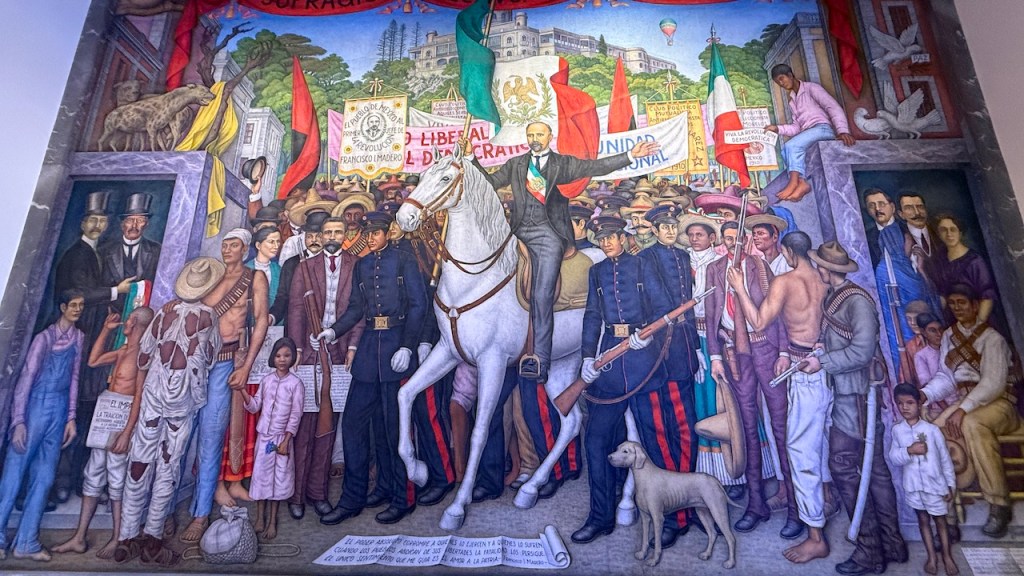
We next took a guided tour of the National Palace. This requires advance booking. We were really impressed by the Murals painted by Diego Rivera on the first floor of the palace. These murals communicate a lot about Mexican history and culture.
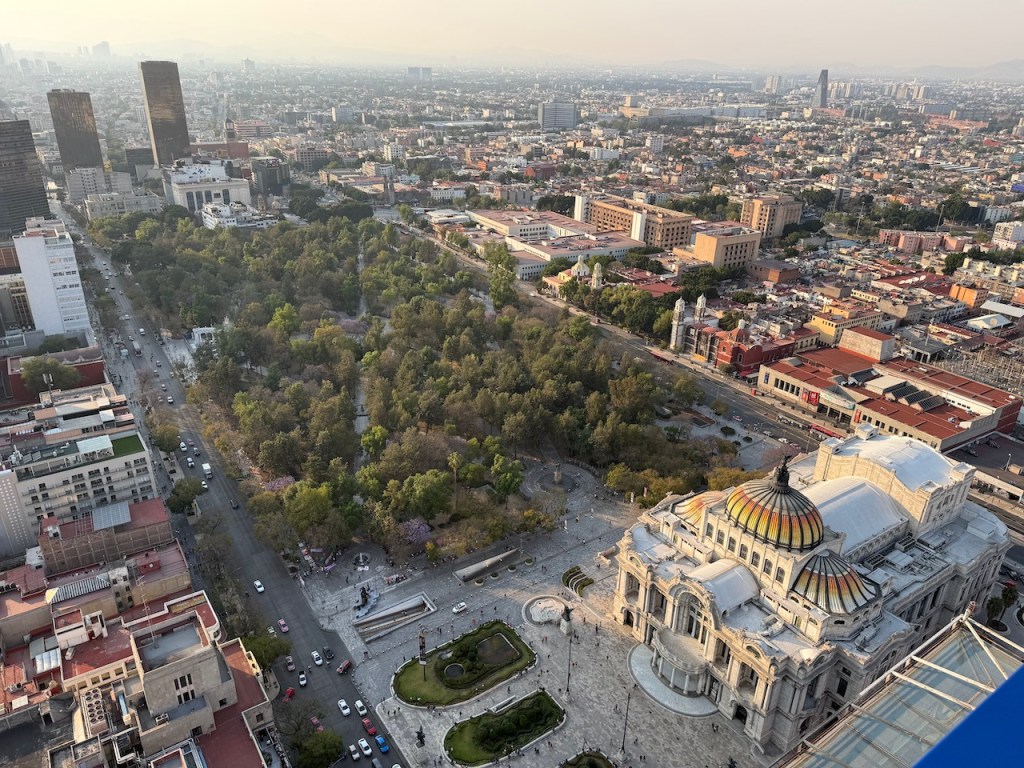
After lunch, we visited the Museum of Bella Arte. The building looks great from both outside and inside. There were a lot of sculptures and murals depicting the history and culture of Mexico.
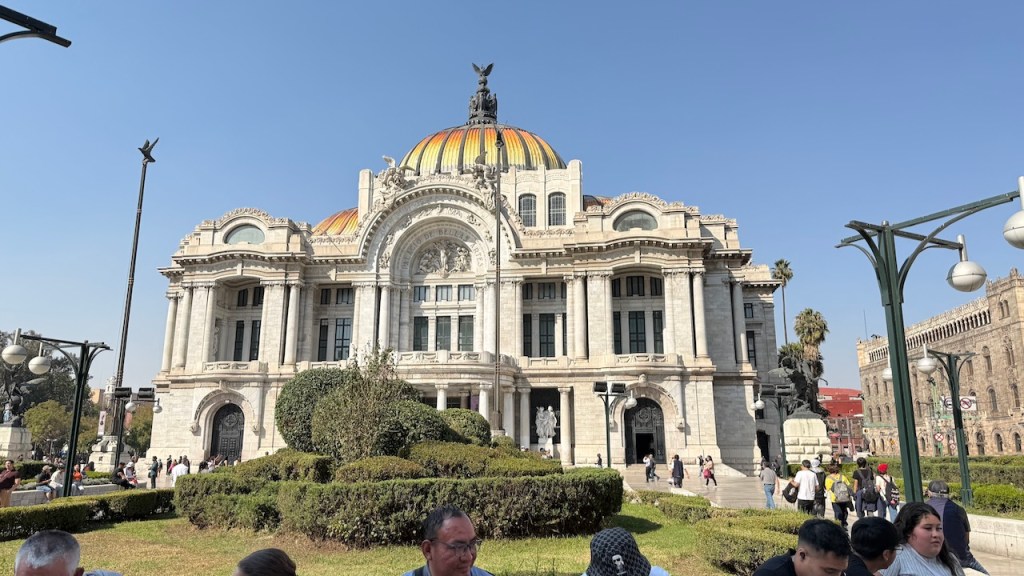
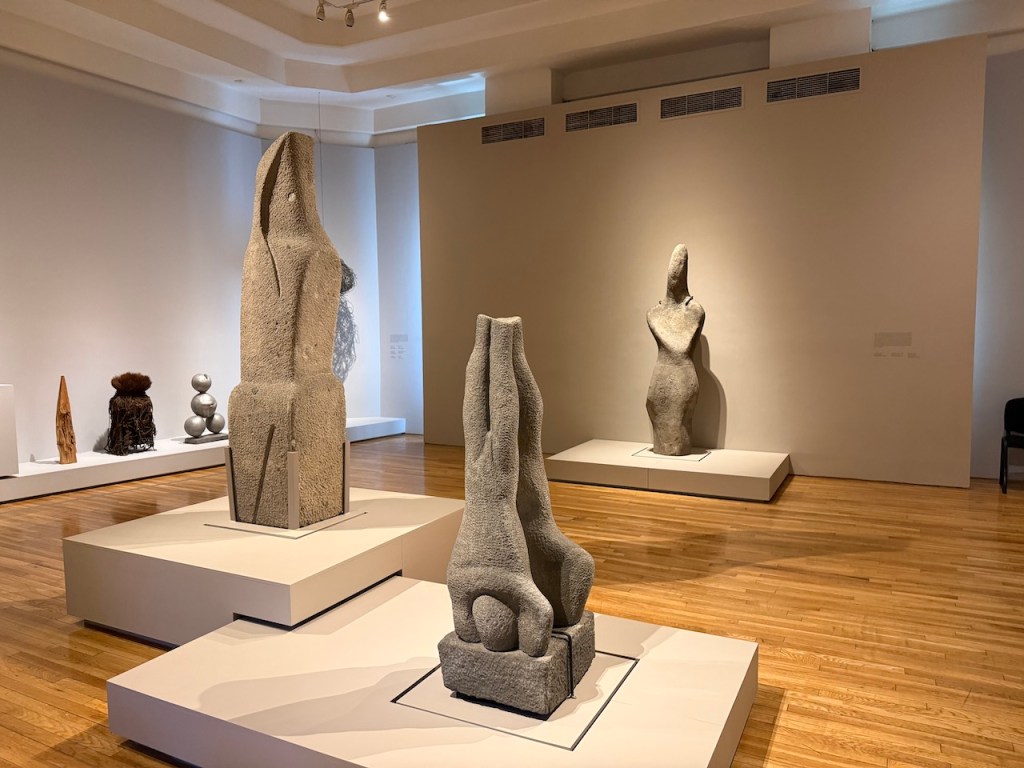
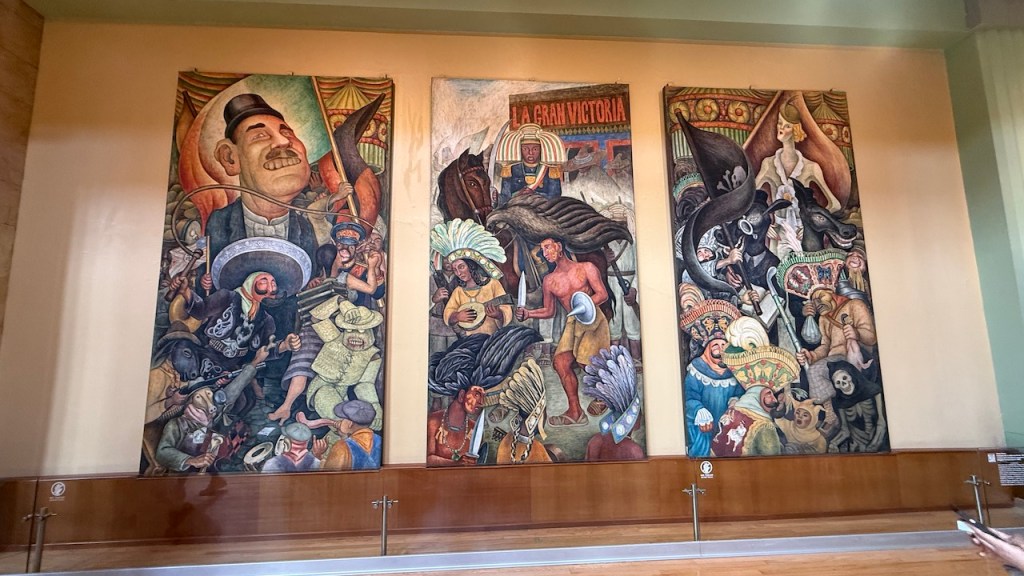
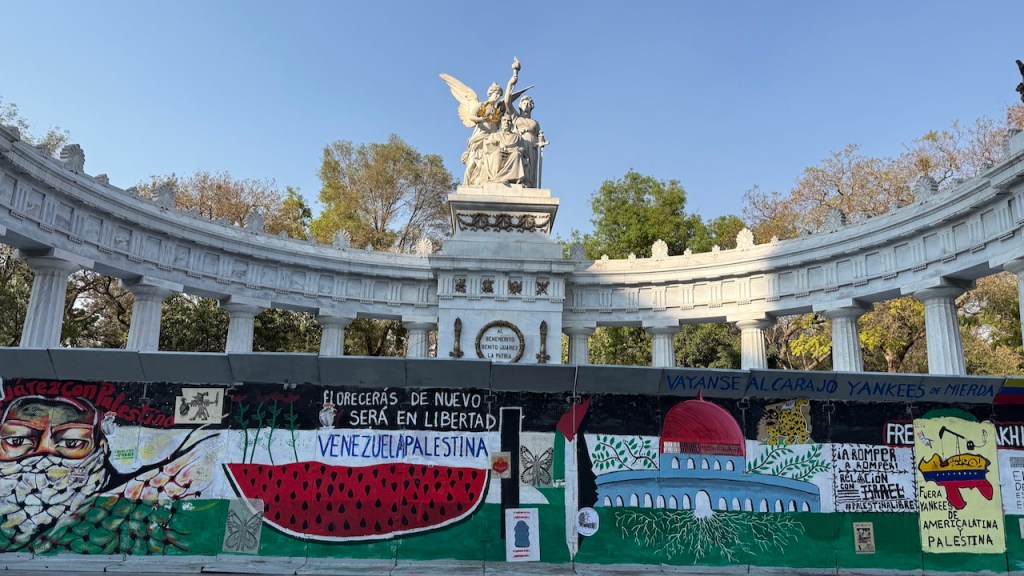
Next to the museum of Bella Arte, is the Alameda Central Park. The park has a lot of beautiful sculptures and is very green.
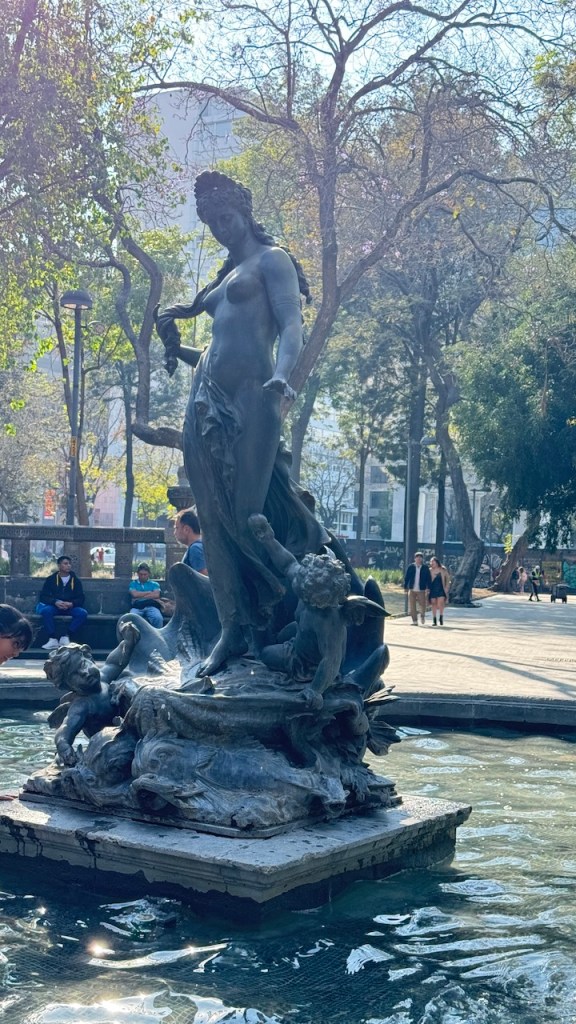
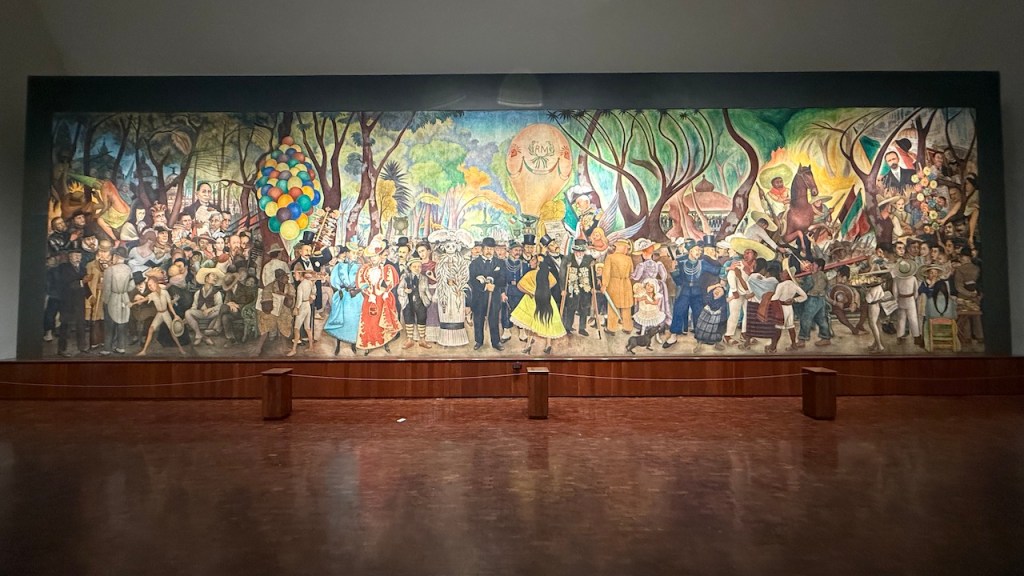
Close to the Alameda Central Park is the Deigo Rivera Museum. There is only one large mural on display, which is quite detailed and awesome.
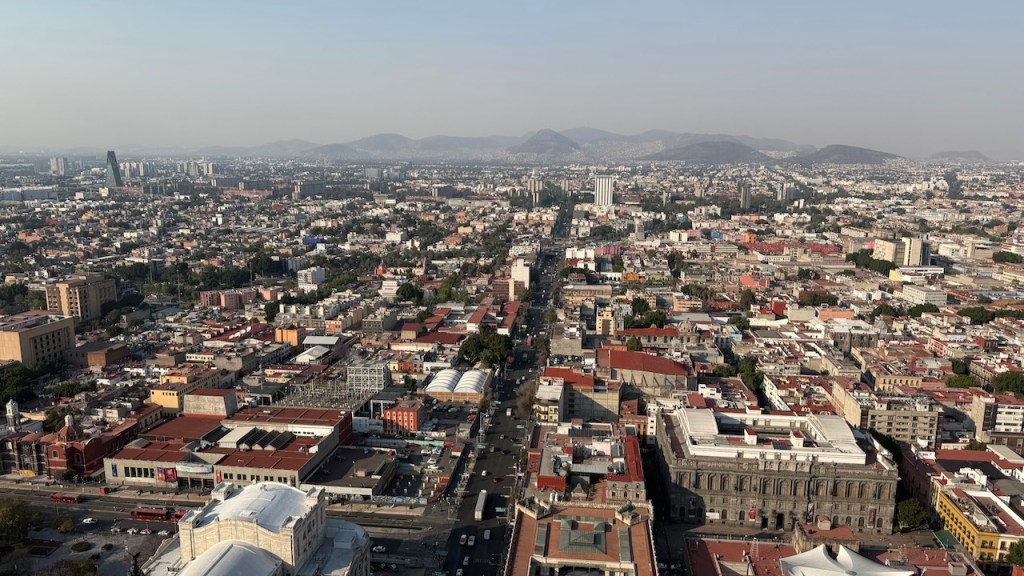
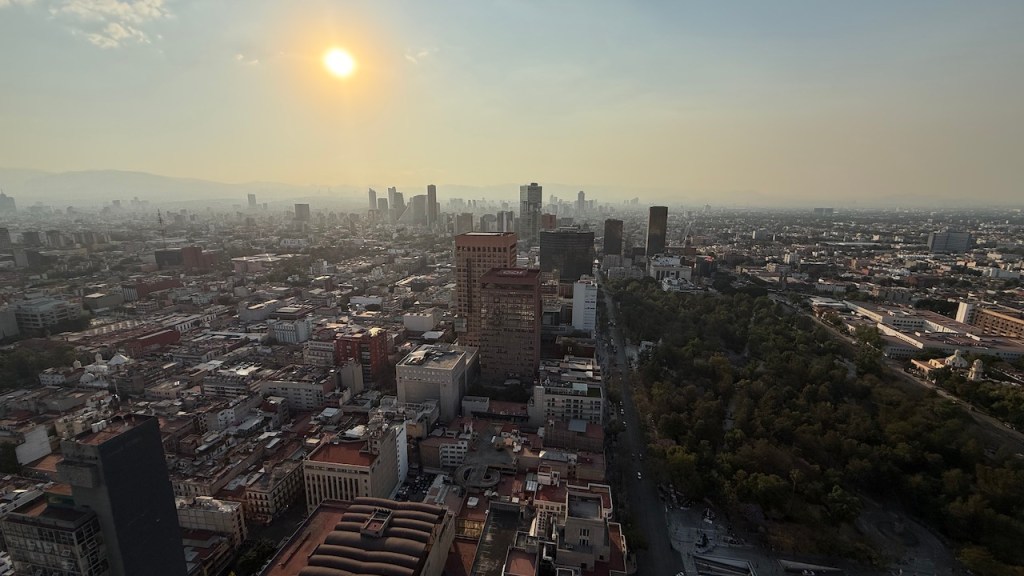
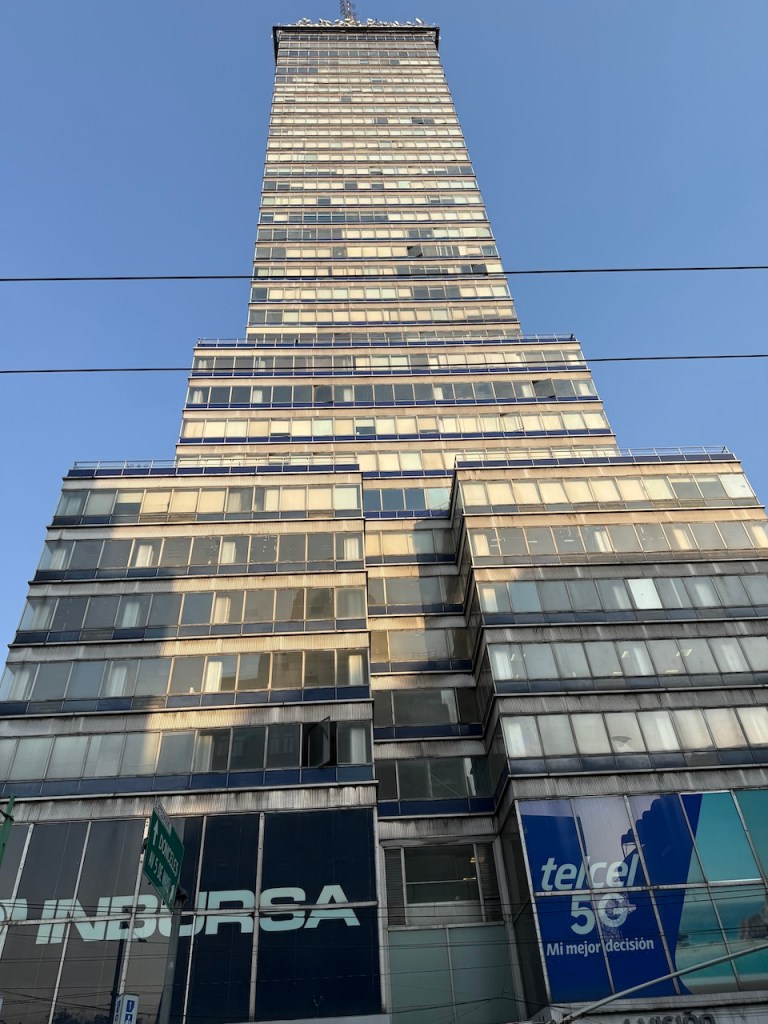
Our last visit of the day was to the Latin American Tower, which has great views of Mexico City. We spent about an hour, and watched the sun set over the city.
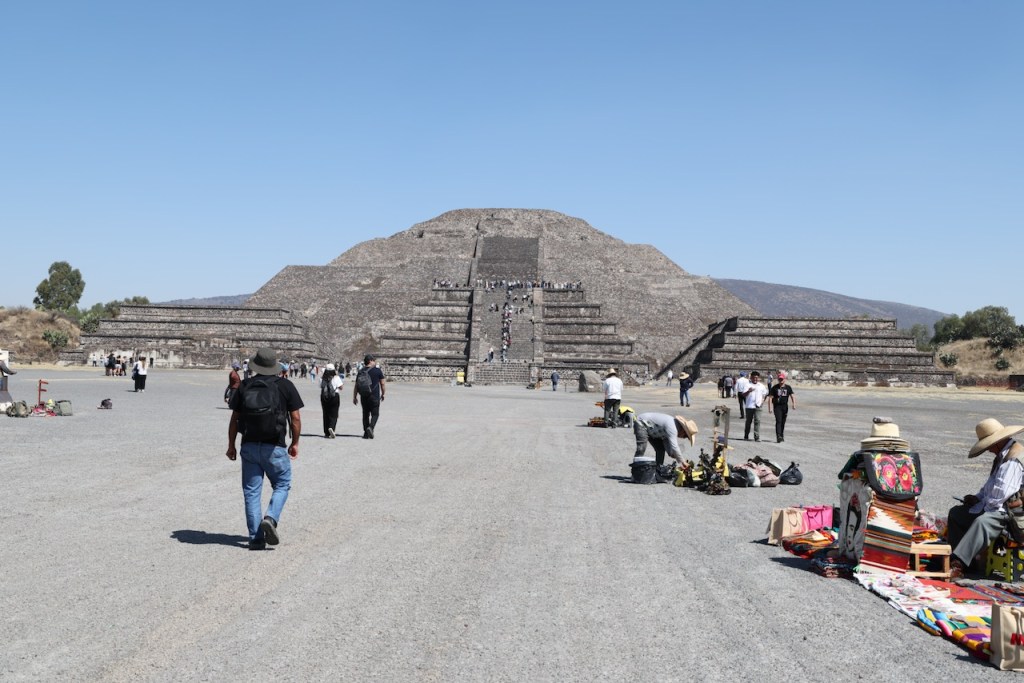
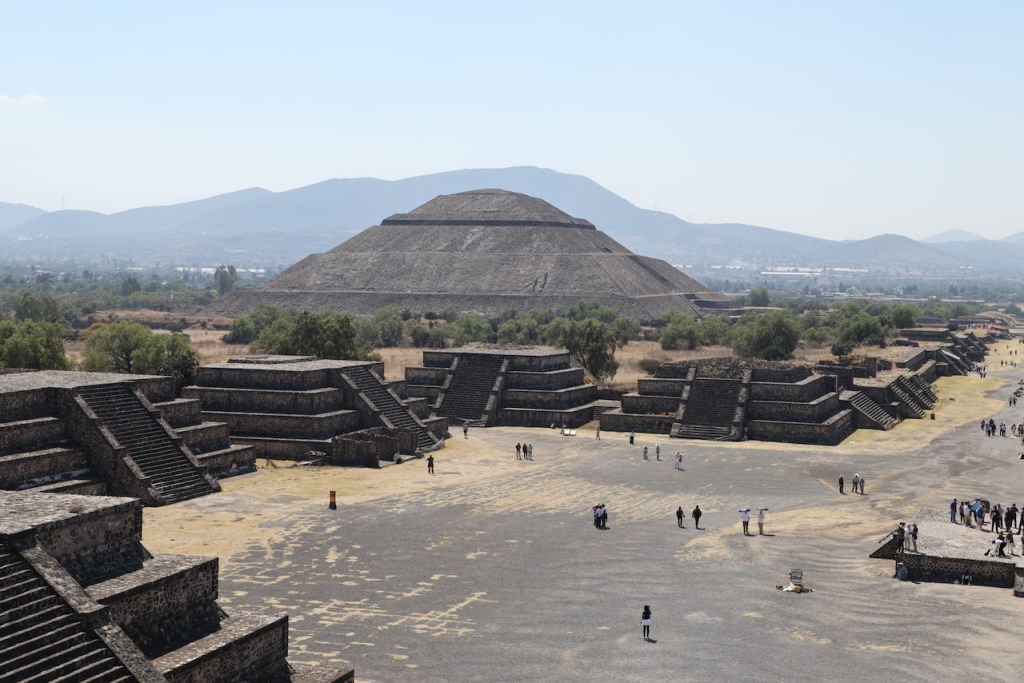
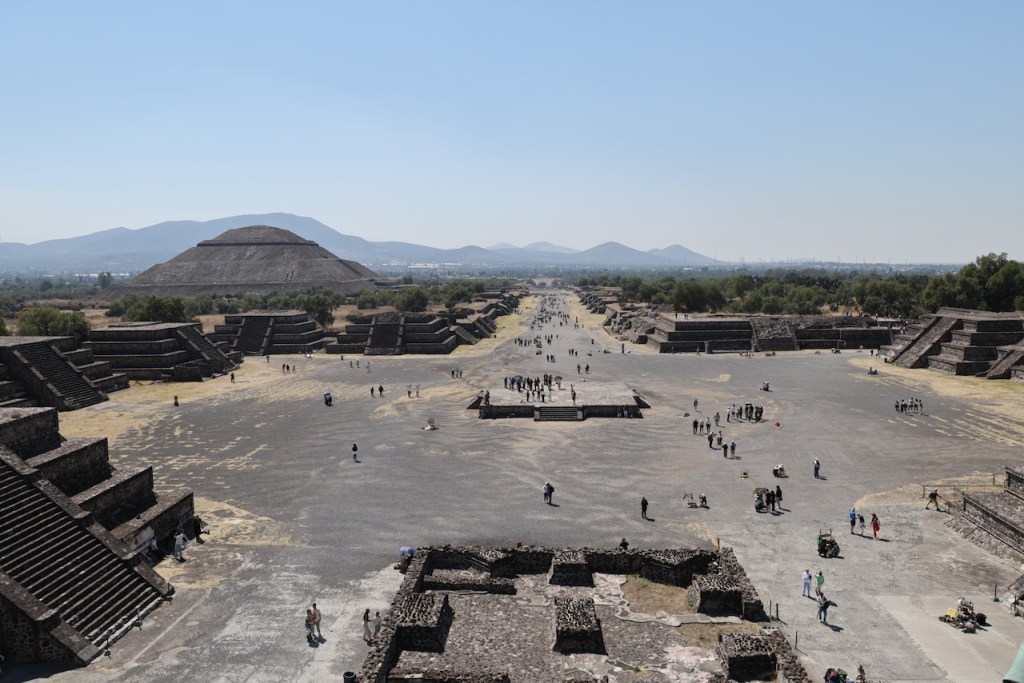
On our second day, we had booked a tour of Teotihuacan, which is located about a 90 minutes drive from Mexico City centre. Teotihuacan was the largest pre-Hispanic city in the ancient Americas, thriving from roughly 100 BCE to 550–750 CE. Renowned for its monumental Pyramids of the Sun and Moon, the city was a major urban centre with a population of 125,000–200,000 at its peak, featuring a grid layout and apartment compounds.
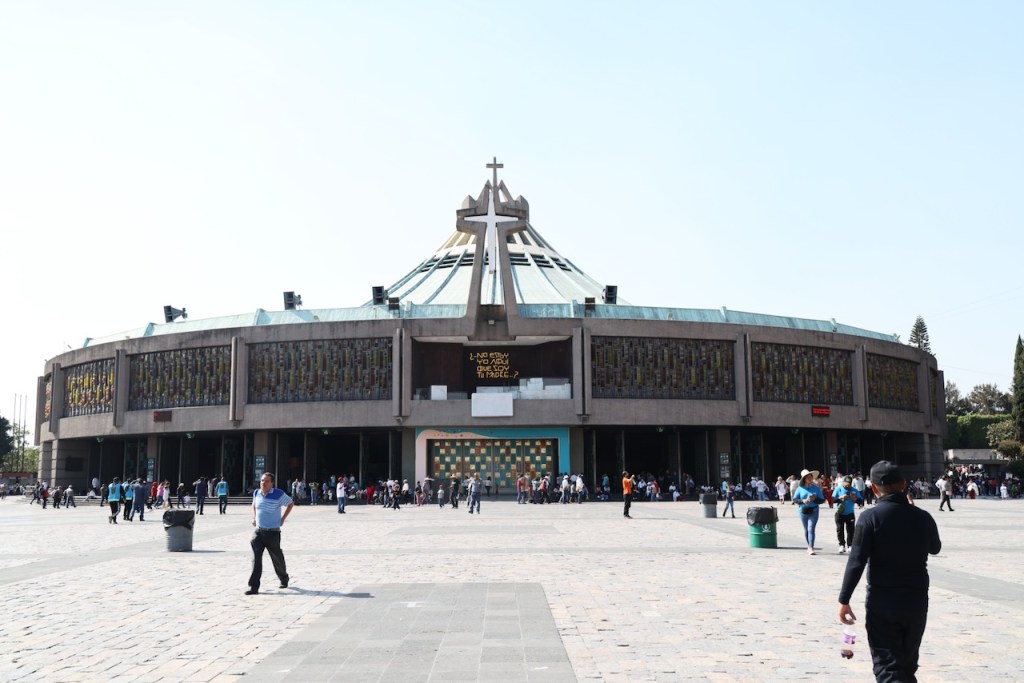
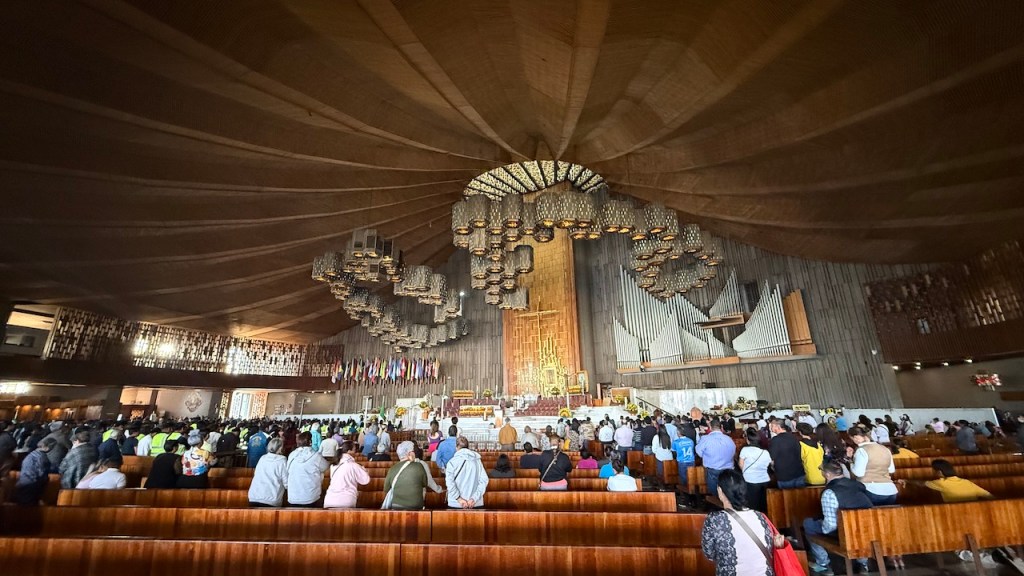
On our return from Teotihuacan to Mexico City, we stopped at the Basilica of our lady of Guadalupe. This is a vast church complex with multiple churches spread over approximately 1 square kilometre.
On our third day, we started with a visit to the Forest of Chapultepec. We enjoyed the greenery, and were lucky to see a Heron having fish as breakfast :-).
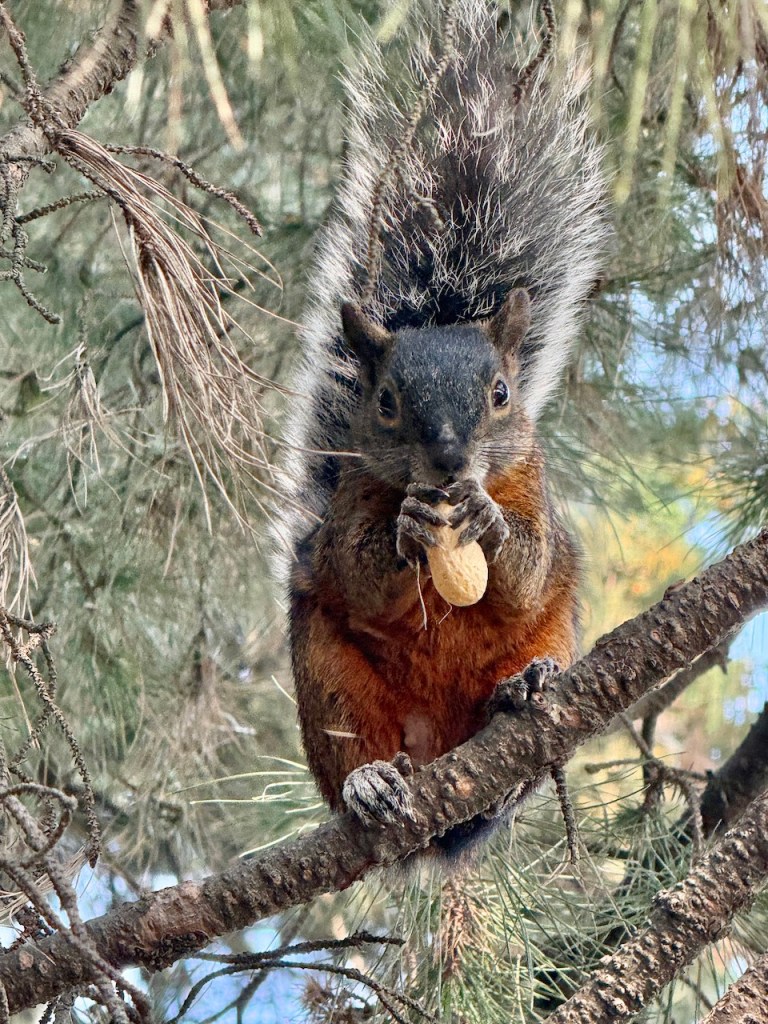
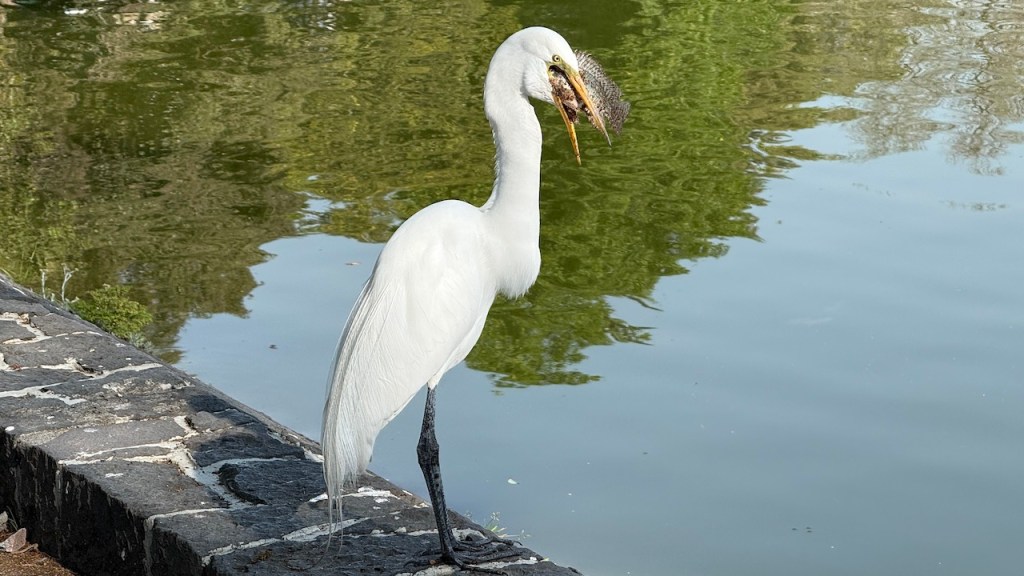
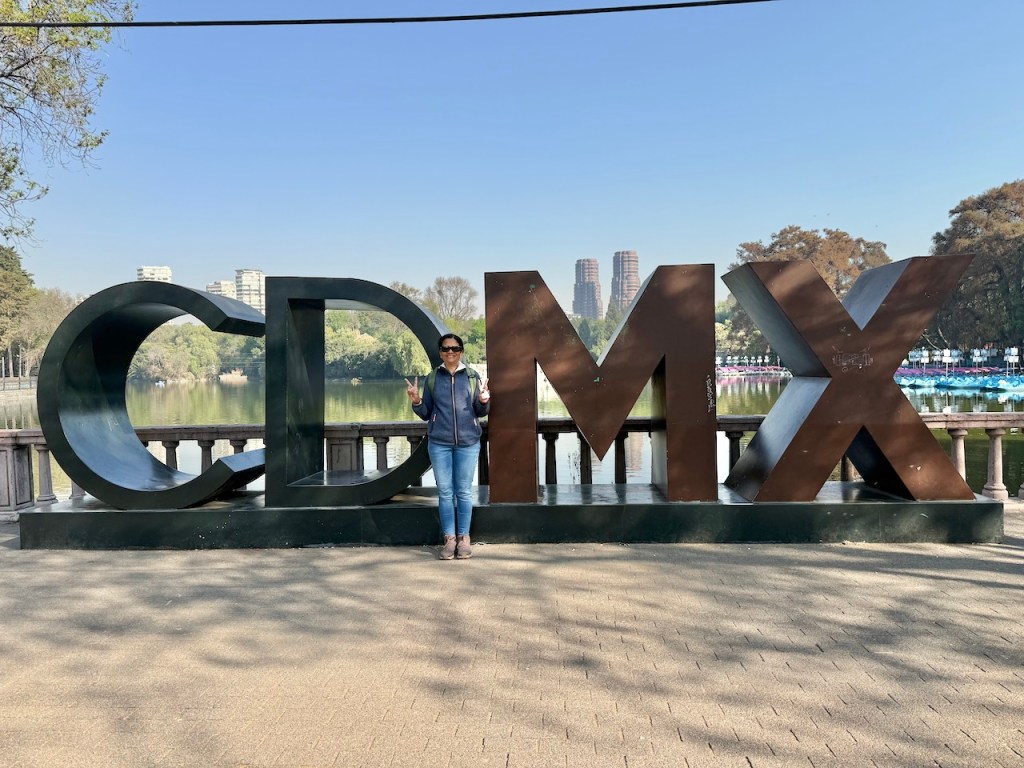
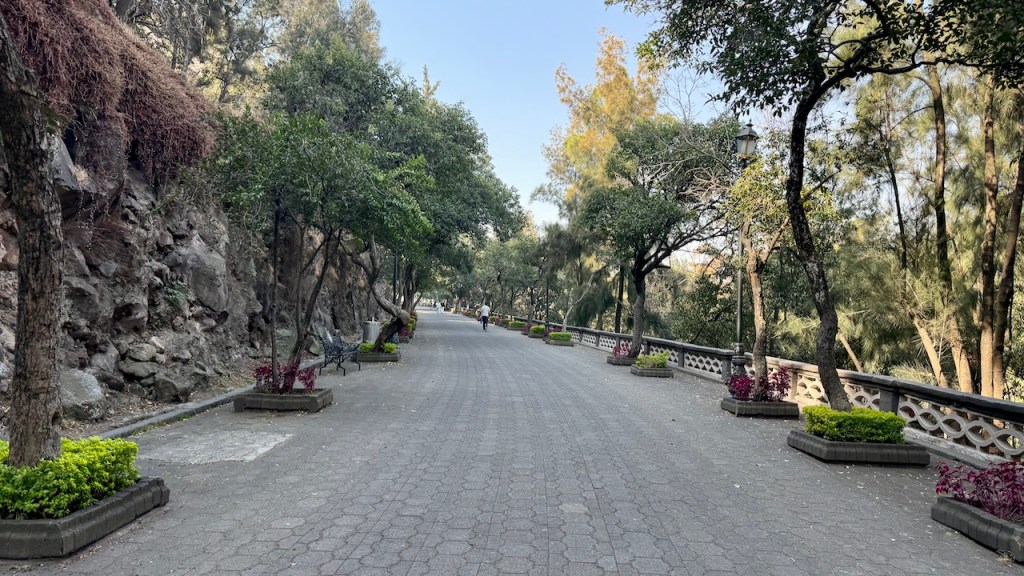
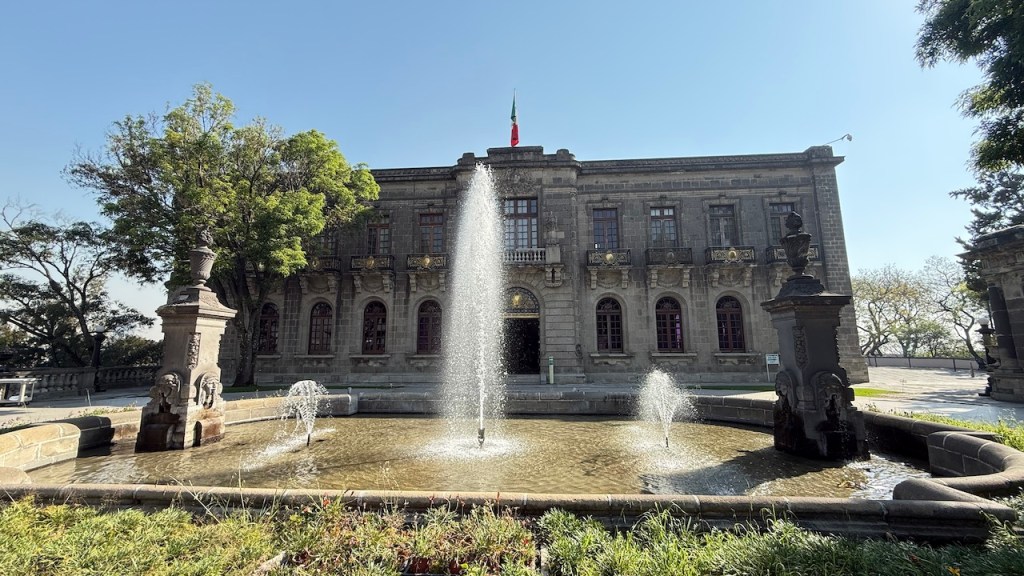
From the Forest, we walked to the Chapultepec Castle and Museum. The castle is located on top of a hill, with lovely views of the forest,
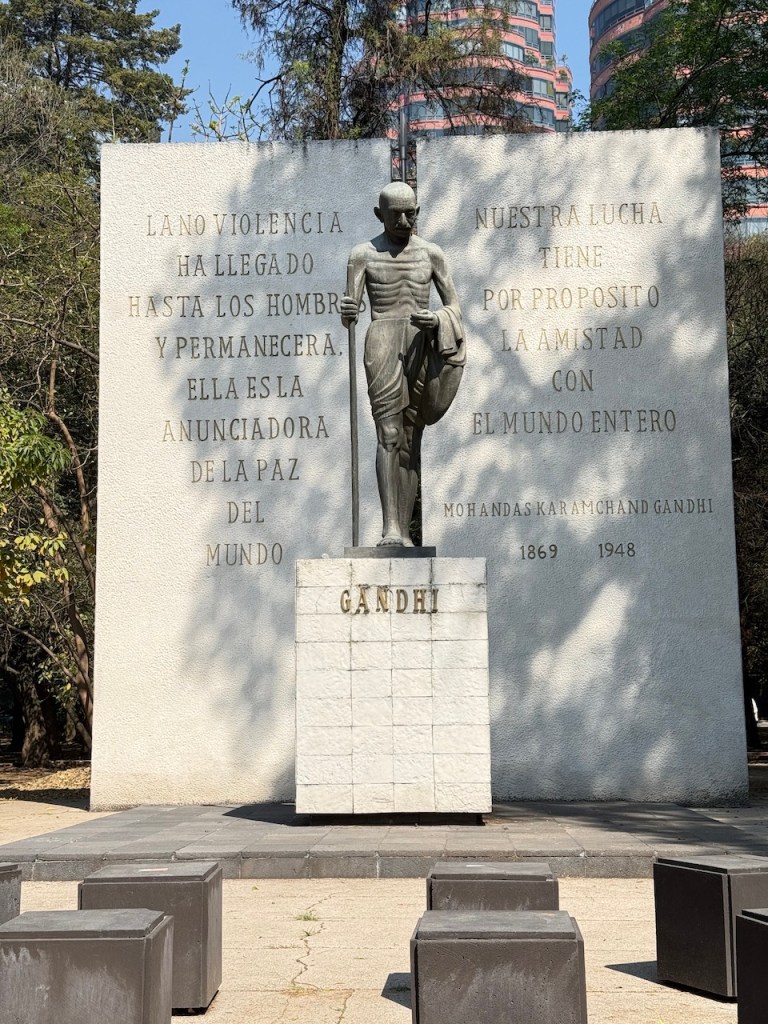
From Chapultepec Castle, we walked to the Gandhi Park, where the writings describe the non violence aspect of Mahatma Gandhi.
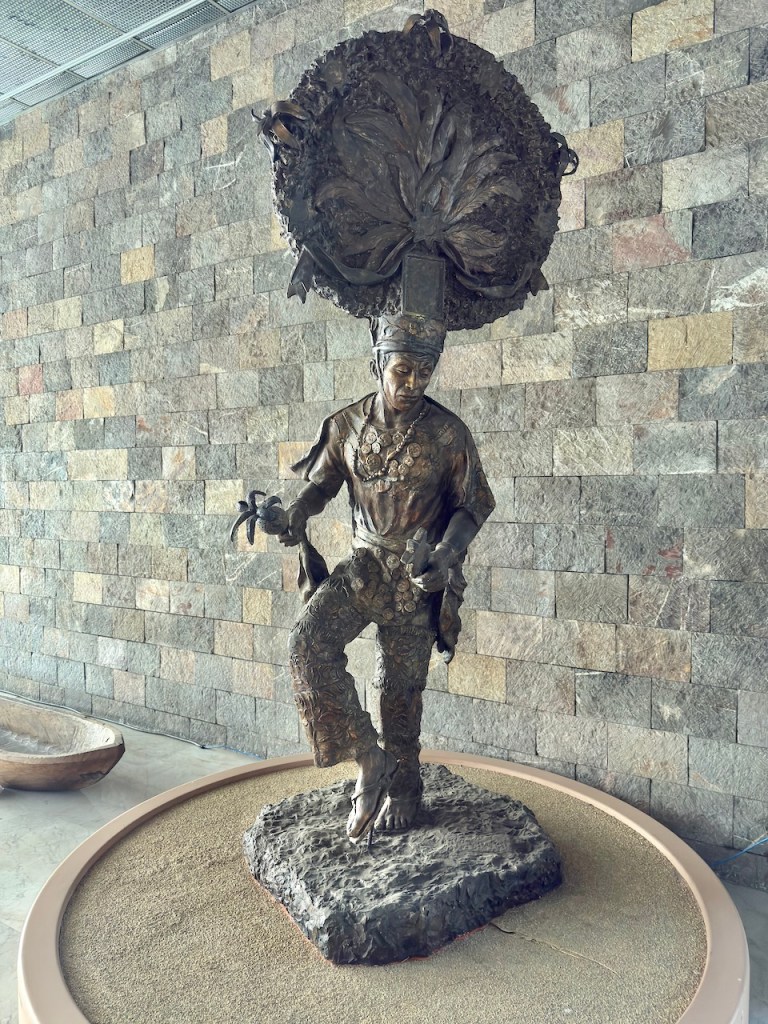
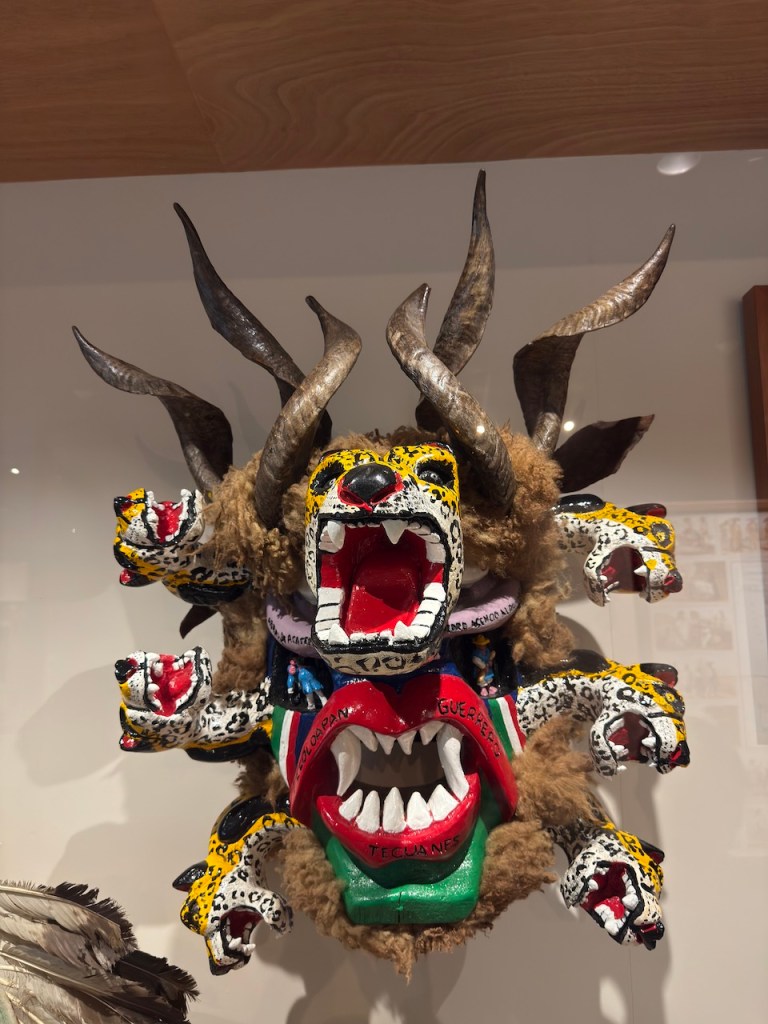
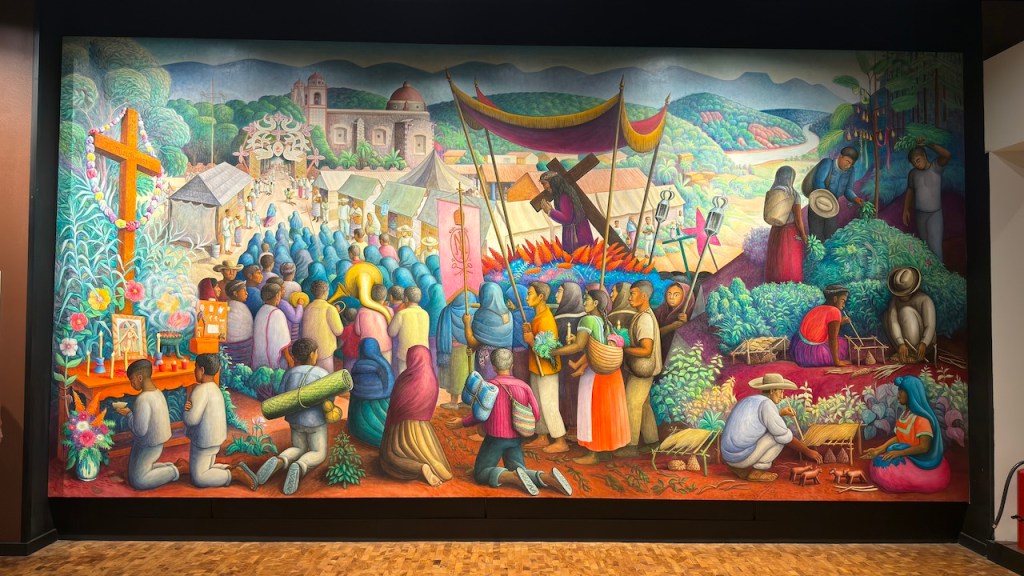
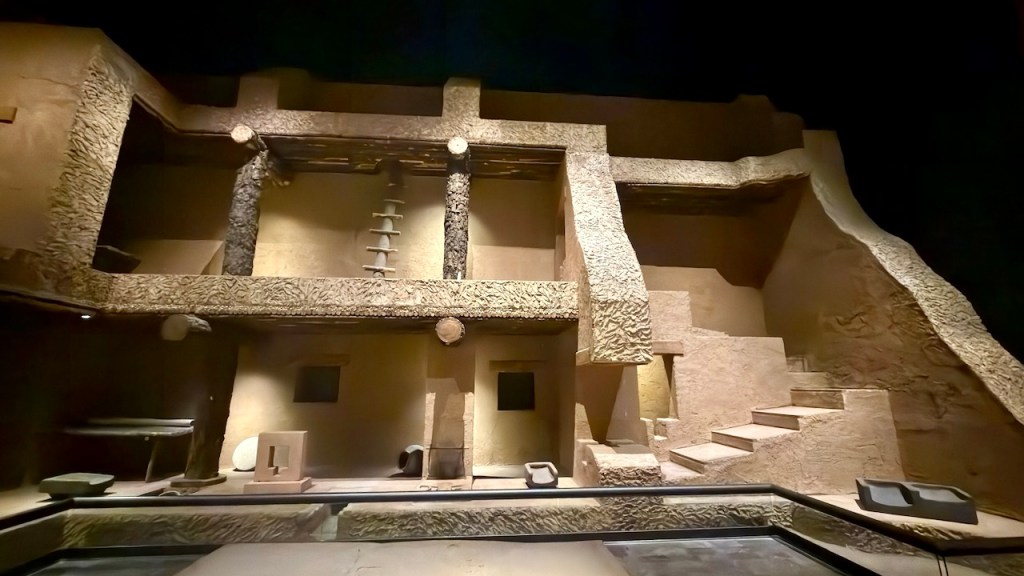
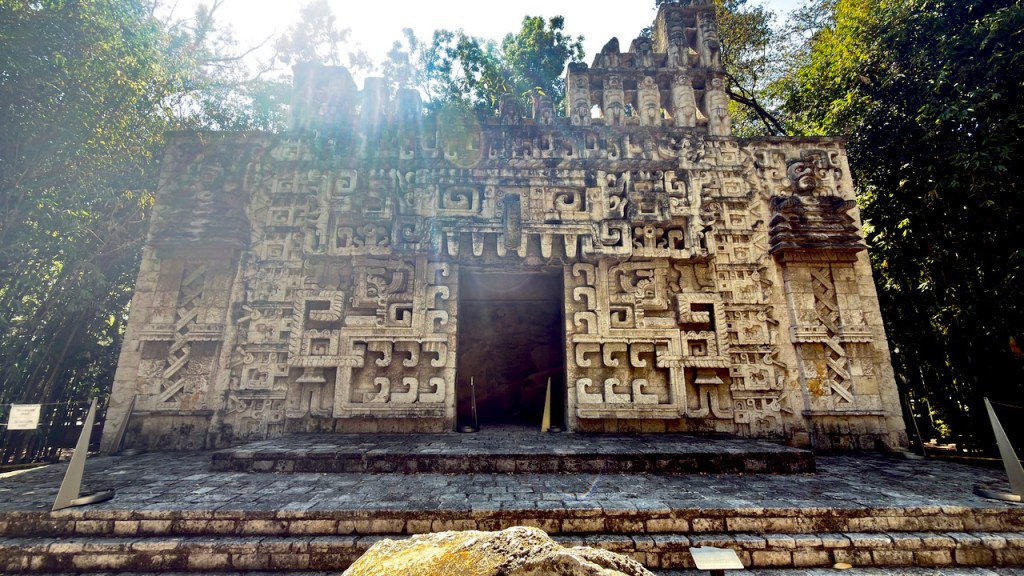
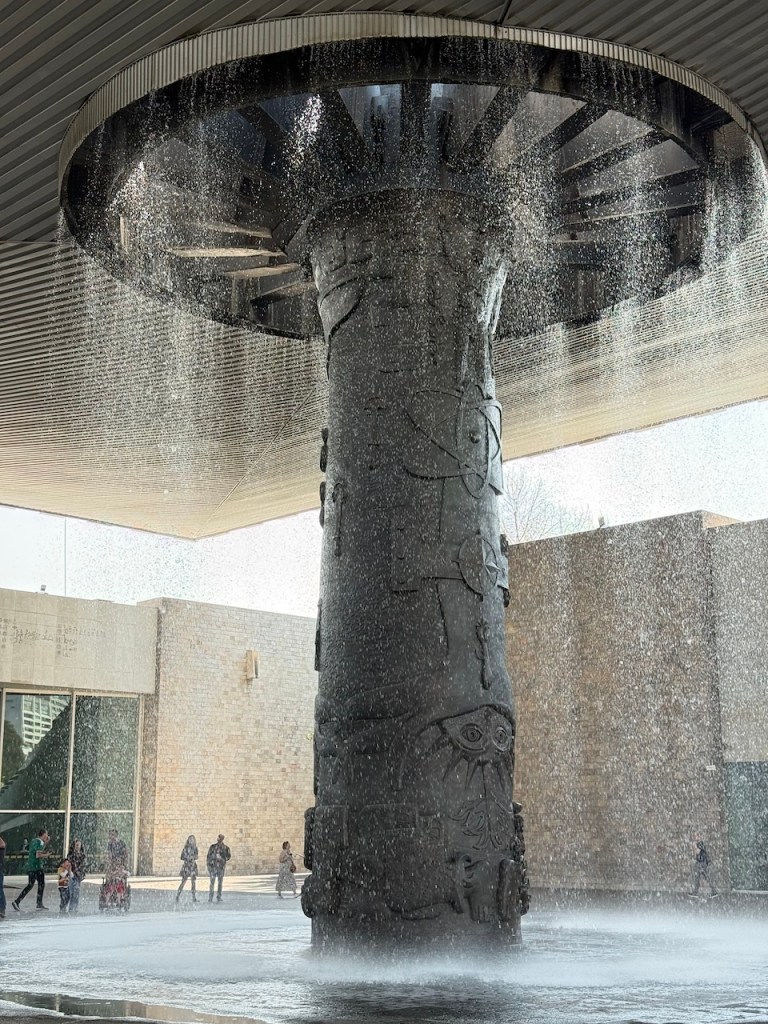
Close to the Gandhi Park is the famous National Museum of Anthropology in Mexico City. This is a very elaborate museum showcasing the history and culture of Mexico from its dawn of civilisation. The museum serves as a repository for archaeological, anthropological, and ethnographic testimonies of Mexico’s indigenous cultures. It houses 12 permanent exhibition halls covering topics like Teotihuacan, Maya, Aztec (Mexica), and contemporary indigenous cultures. It serves as a center for transmitting cultural values and showcasing Mexico’s indigenous history.
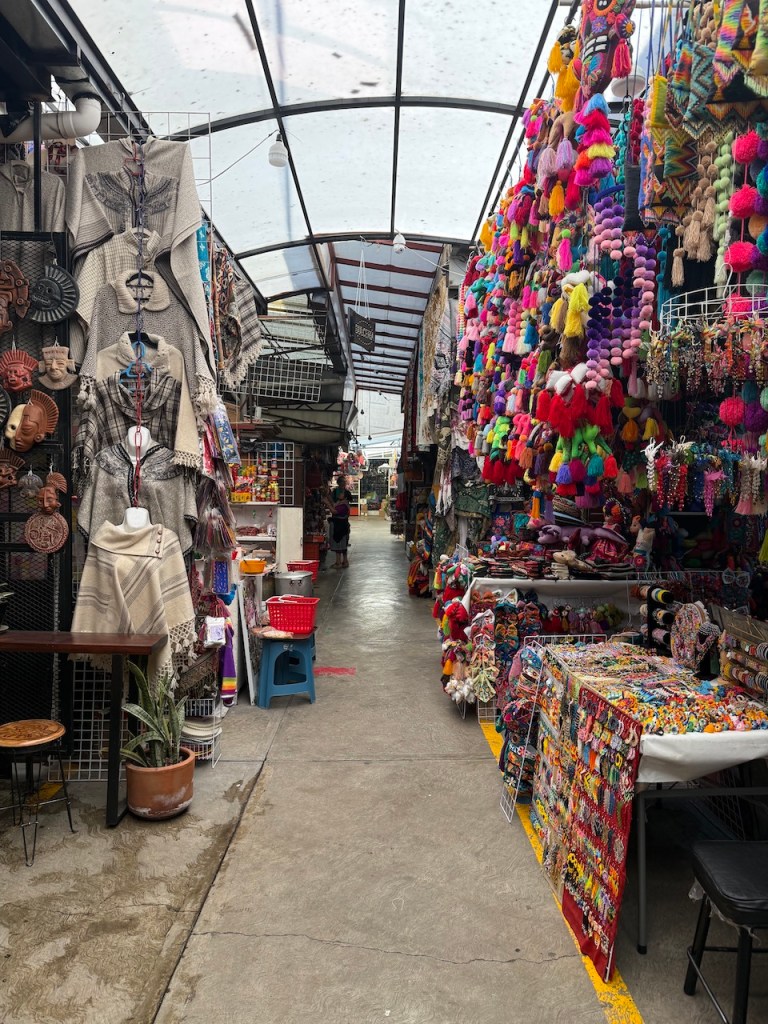
On our last day, we first visited the Krida Kahlo Museum. Unfortunately, one needs to book well in advance, so we ended skipping it. Then we visited the Artesanal Market, which has lots of souvenirs.
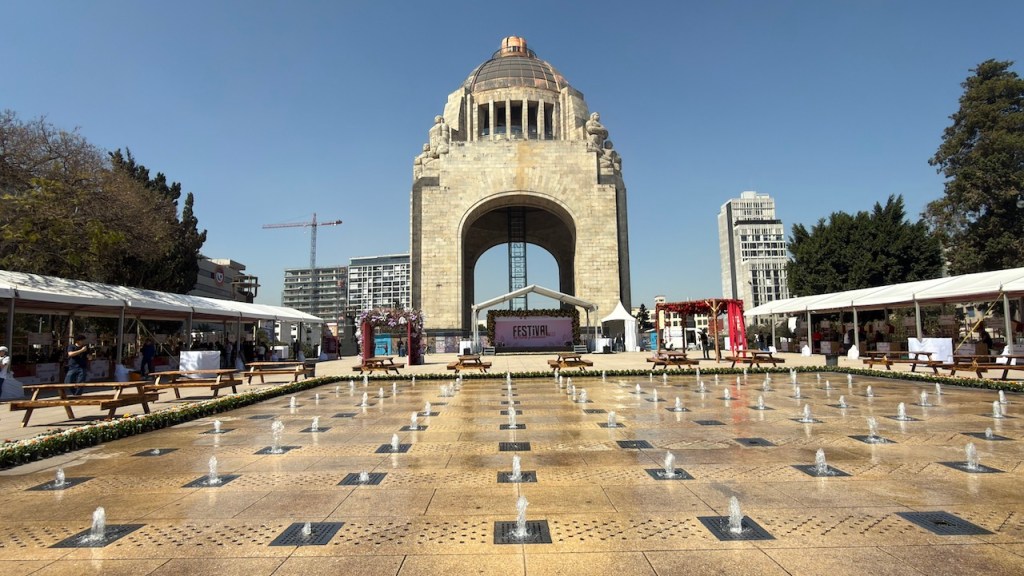
Next, we visited the Plaza de la Republica. Plaza de la República is a prominent public square, famous as the site of the Monumento a la Revolución. Originally intended as the Federal Legislative Palace under Porfirio Díaz, the project was abandoned during the 1910 Mexican Revolution and later repurposed into an Art Deco monument (opened 1938) honoring the revolution.
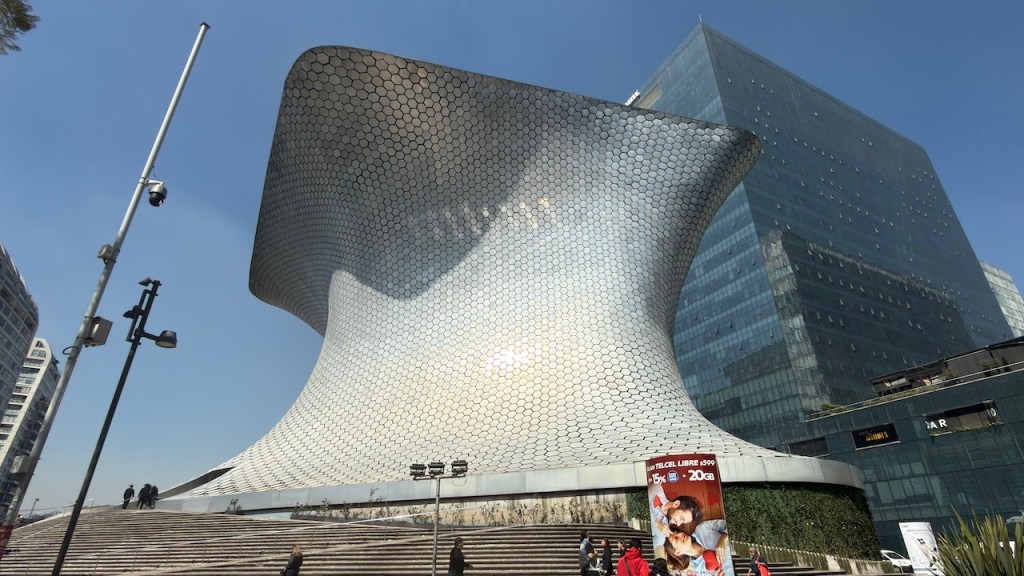
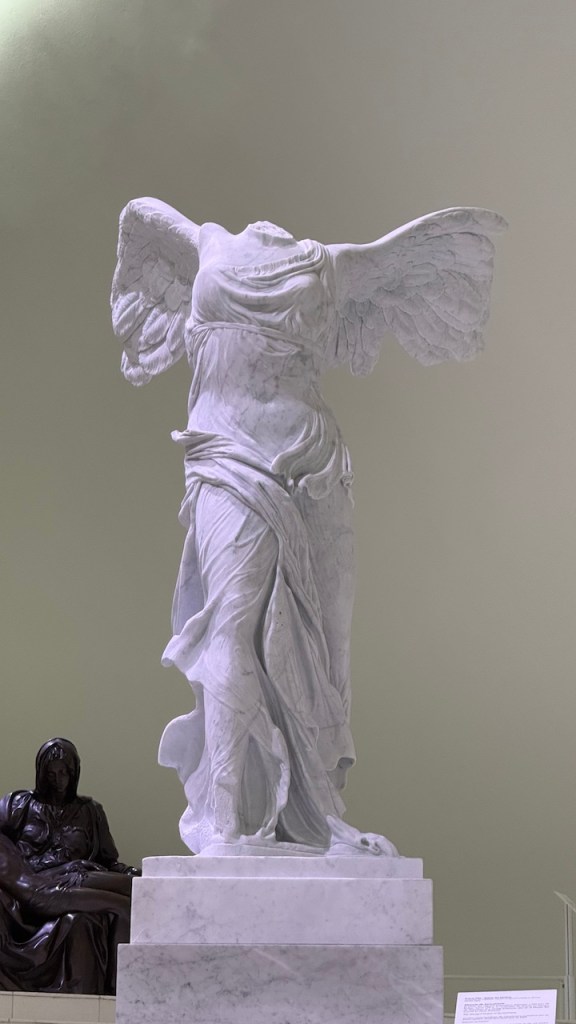
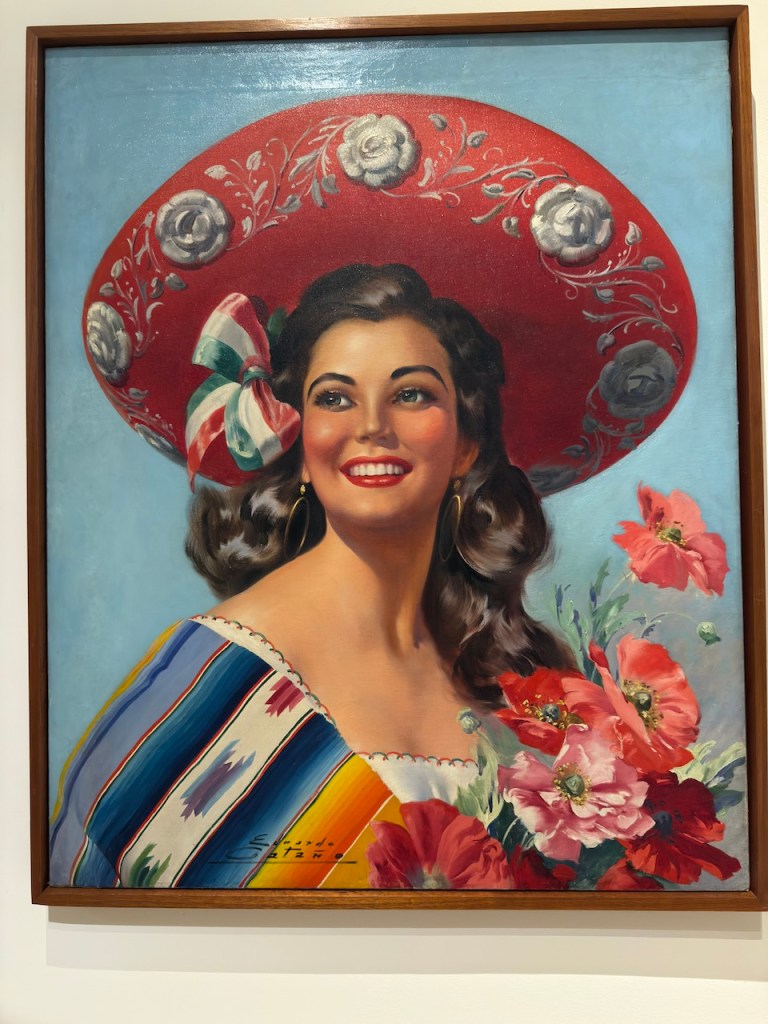
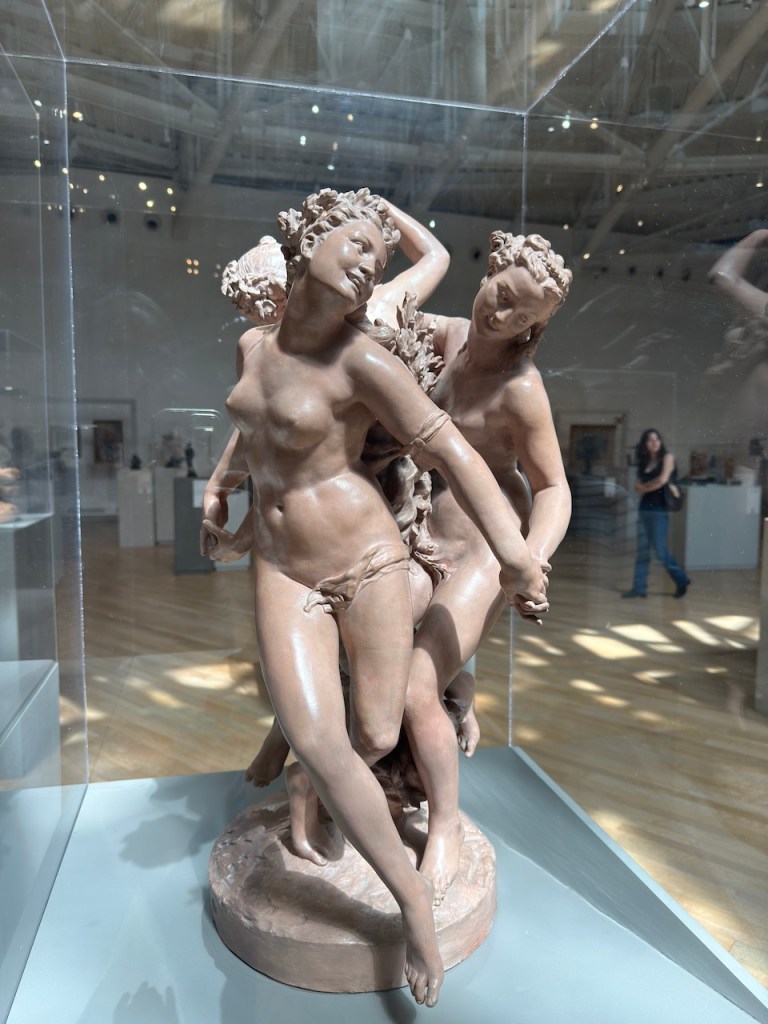
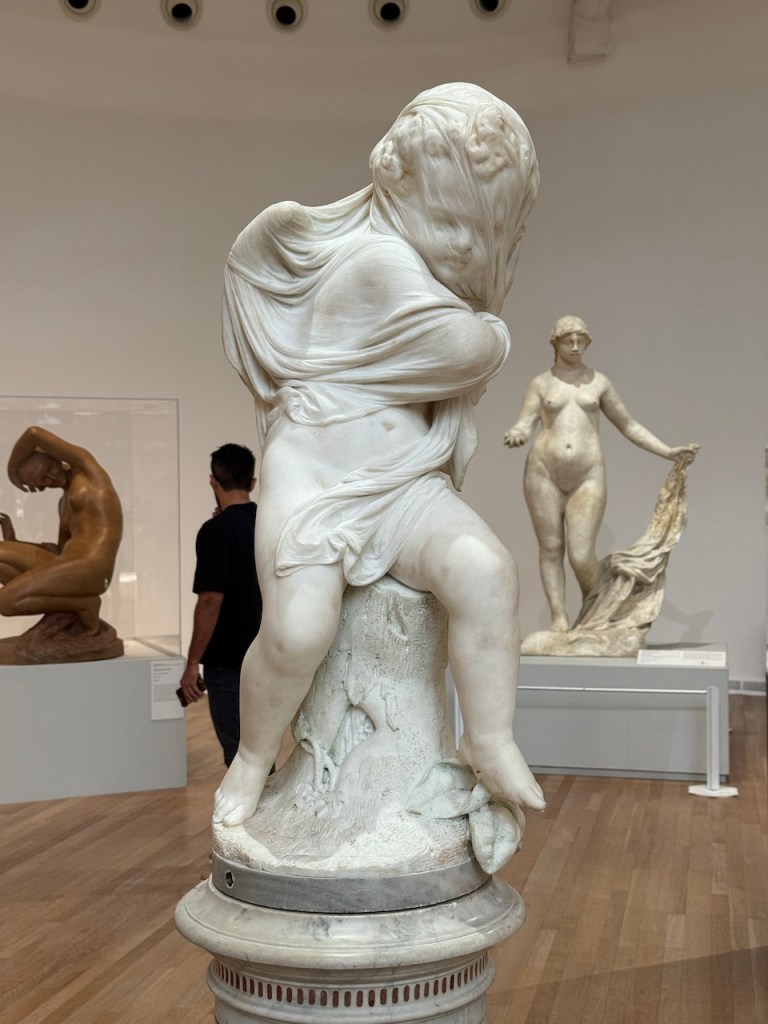
Our last visit was to the Soumaya Museum. Opened in 2011 in Plaza Carso, the Soumaya Museum is a non-profit institution founded by Carlos Slim, named in honor of his late wife, Soumaya Domit. Designed by architect Fernando Romero, its iconic, futuristic, silver-clad structure houses over 66,000 pieces of art spanning 30 centuries, including the world’s largest private collection of Rodin sculptures, European old masters, and Mexican art. An absolute MUST visit in Mexico City.
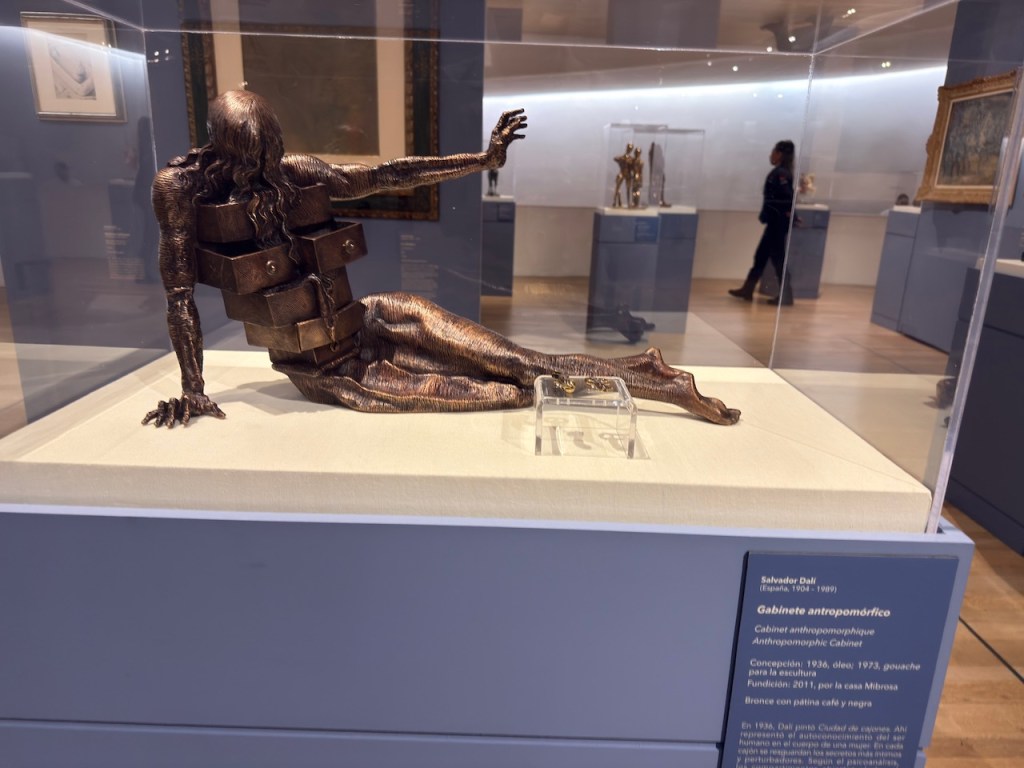
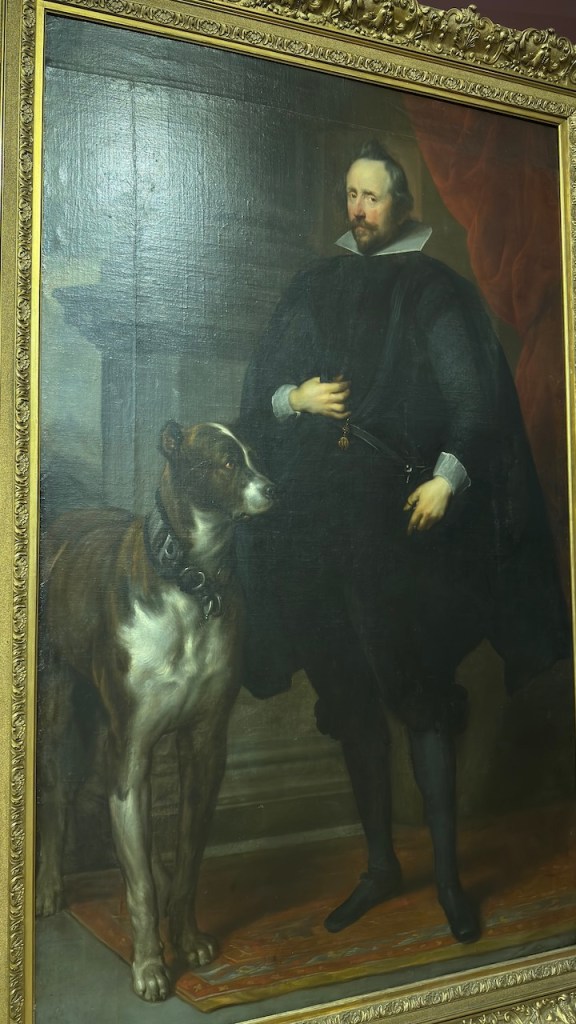
We totally enjoyed our time in Mexico City, appreciating the history and culture of the country.
 My Travels - by Sivamani