We travelled to six countries in Latin America in January / February 2026. Our first country was Peru, where we visited Machu Picchu and Lima.
We flew into Lima and then took a local flight to Cusco from Lima. We hired a taxi at Cusco airport and visited various attractions on the drive from Cusco to Ollantaytambo.
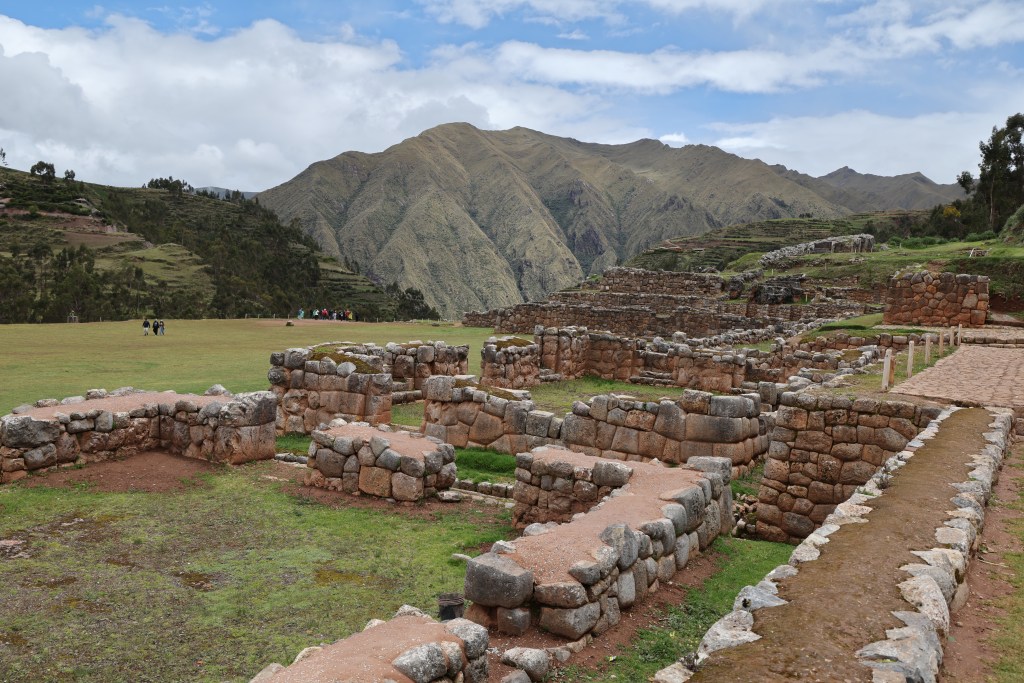
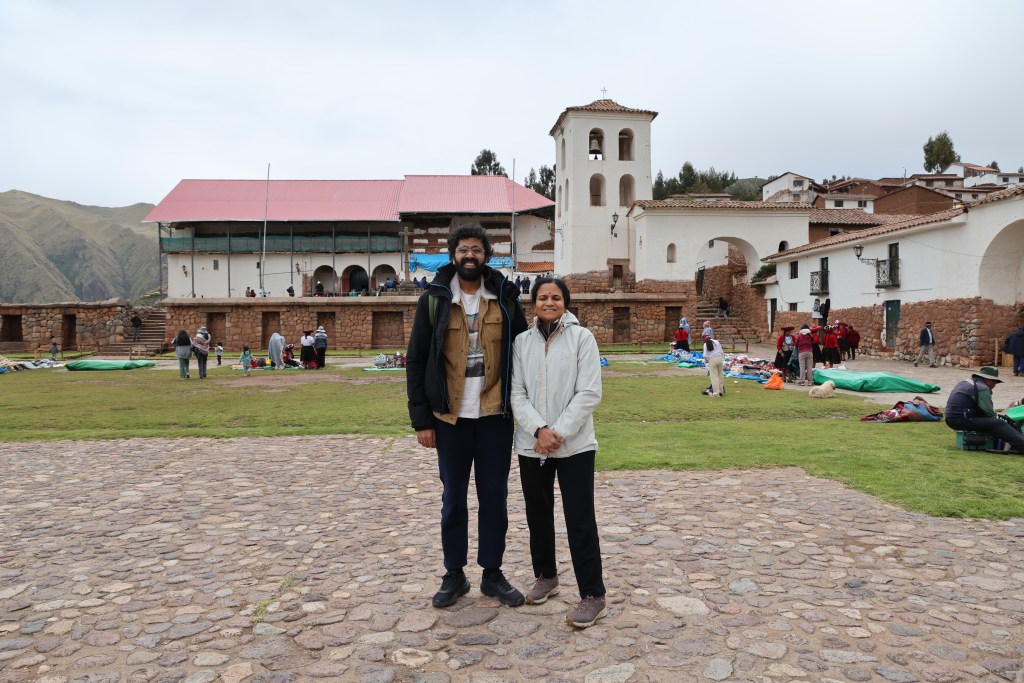
Our first stop was at Chinchero, which is at an altitude of 3800 meters. Highly recommended to buy oxygen canisters in Cusco before visiting Chinchero. Chinchero, known as the “city of the rainbow”, was a significant Inca agricultural and administrative center, famously established as a royal estate by Tupac Inca Yupanqui in the late 15th century.
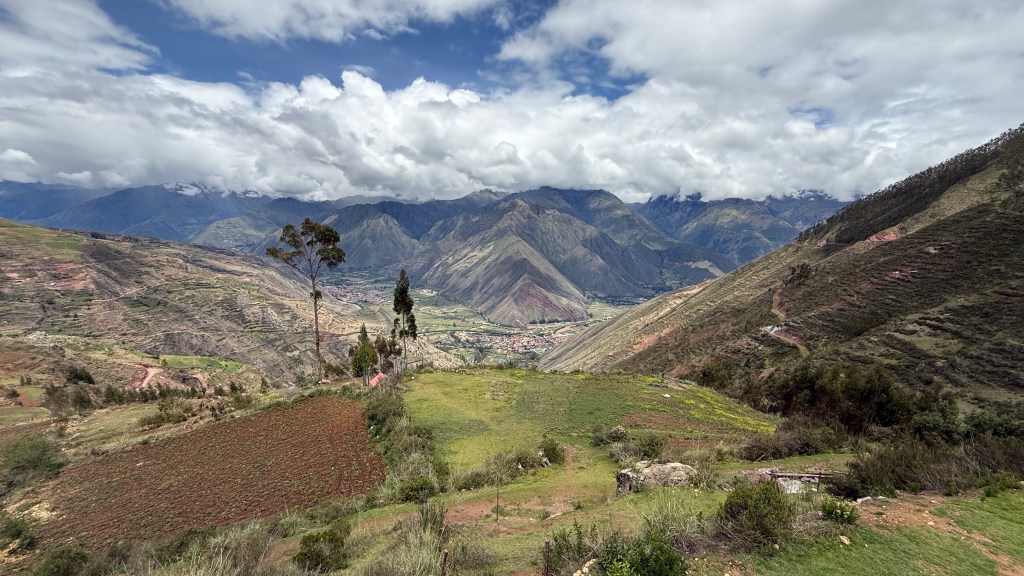
The Sacred Valley of the Incas, located along the Urubamba River near Cusco, was the agricultural, spiritual, and administrative heart of the Inca Empire (14th–16th centuries). Known for its fertile soil and stunning landscapes, it served as a key production hub, featuring ruins like Pisac, Ollantaytambo, and Moray before falling to Spanish conquest.
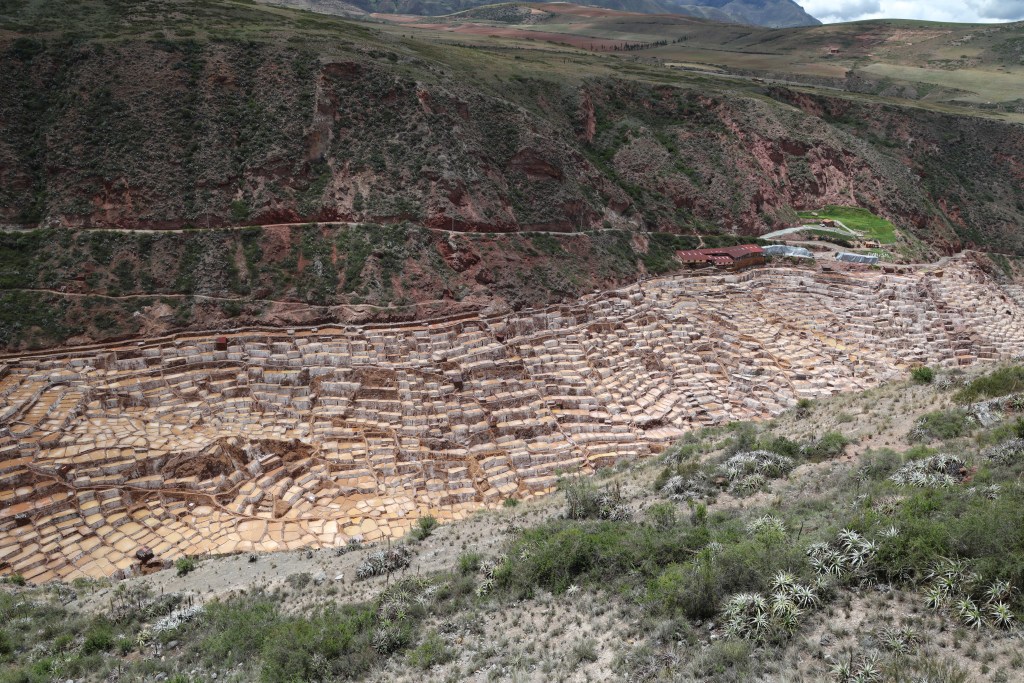
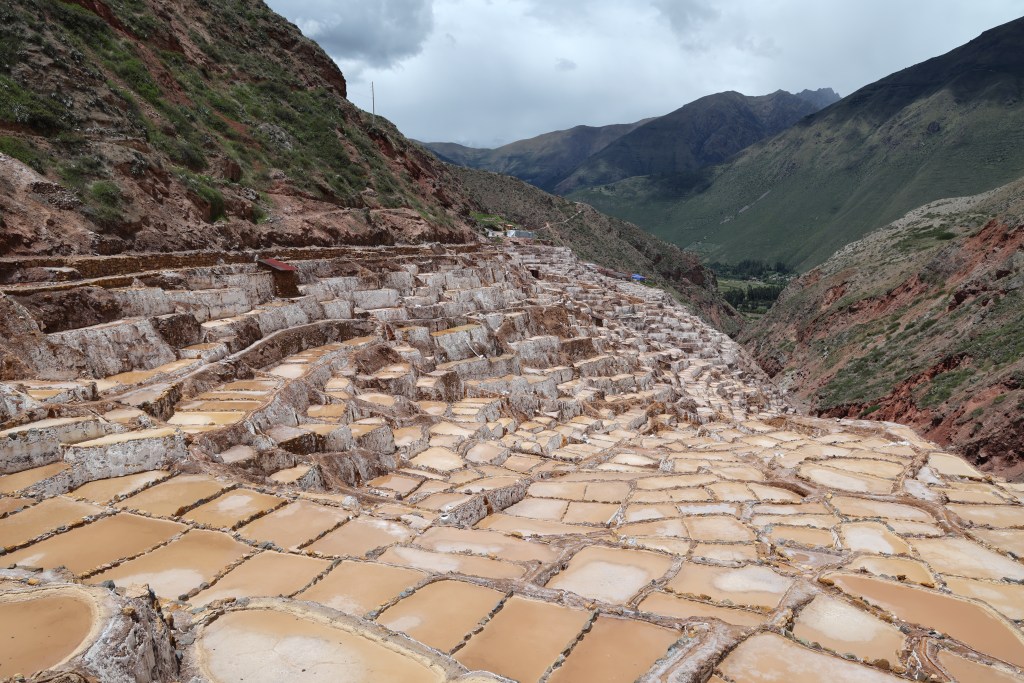
From the sacred valley view point, we drove to the Marah Salt Mines. The Maras Salt Mines (Salineras de Maras) are ancient, thousands-year-old salt evaporation ponds dating back to pre-Inca times, likely initiated by the Wari civilisation (500-1100 AD) or earlier. Located in the Sacred Valley, these >3,000 terraced, family-owned ponds use natural, hypersaline subterranean spring water, a method unchanged for centuries.
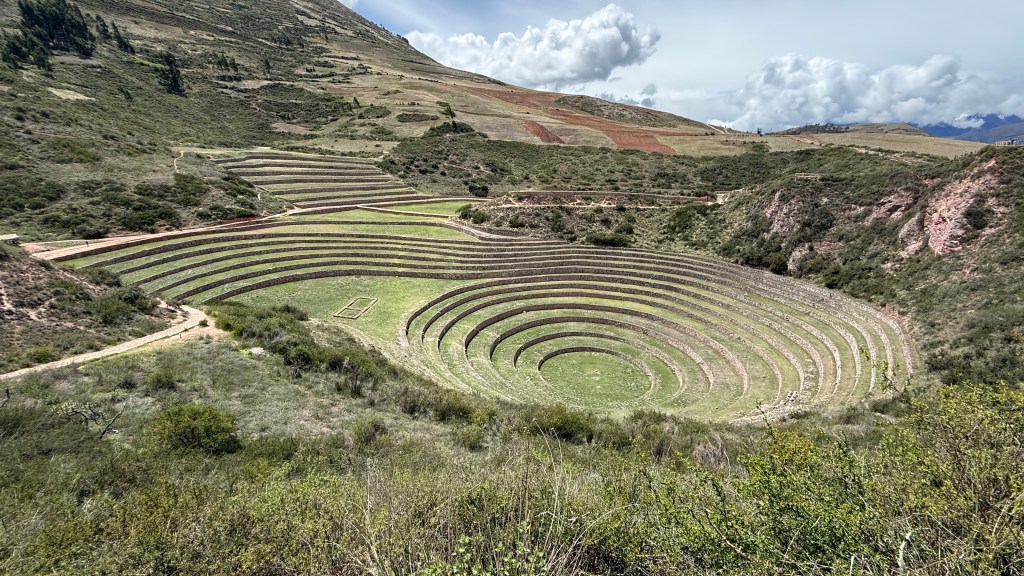
Moray is a 15th-century Inca archaeological site in Peru’s Sacred Valley featuring unique, concentric, sunken terraces that served as an advanced agricultural laboratory. Built to simulate different microclimates, the site enabled the Incas to experiment with crop adaptability, specifically for potatoes and corn.
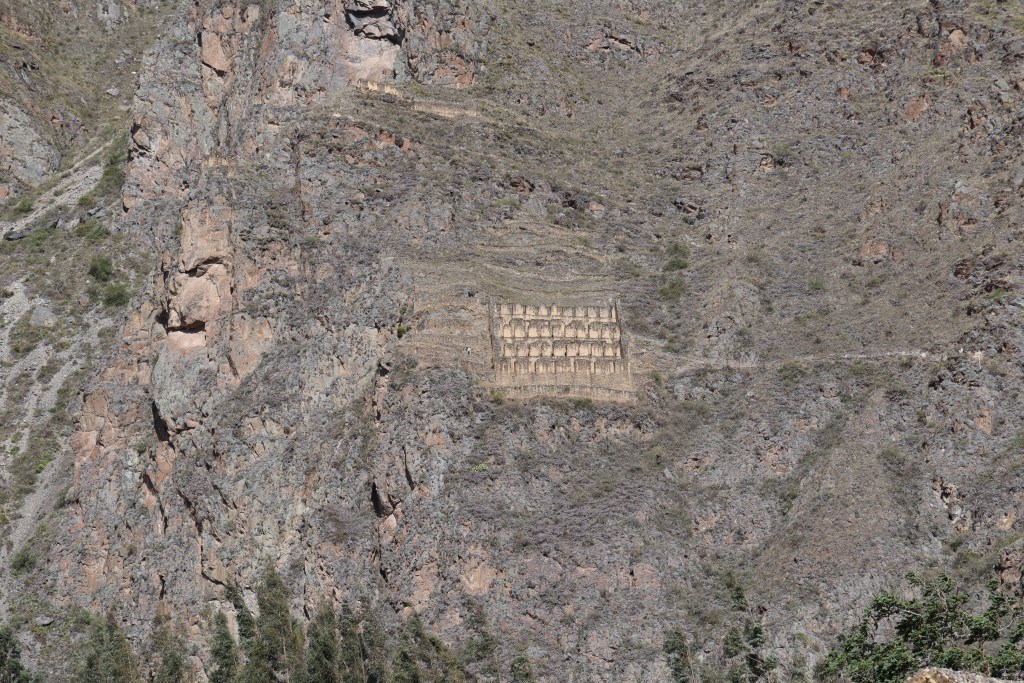
From Moray, we drove to Ollantaytambo. Pinkuylluna is a 15th-century Incan archaeological site located on a steep hillside overlooking Ollantaytambo, Peru, originally built as high-altitude storehouses (qullqas) for maize and potatoes. Commissioned by Emperor Pachacuti to serve the royal estate, these structures used natural ventilation for preservation and played a crucial role in the Incan economy and military, including during Manco Inca’s resistance against the Spanish.
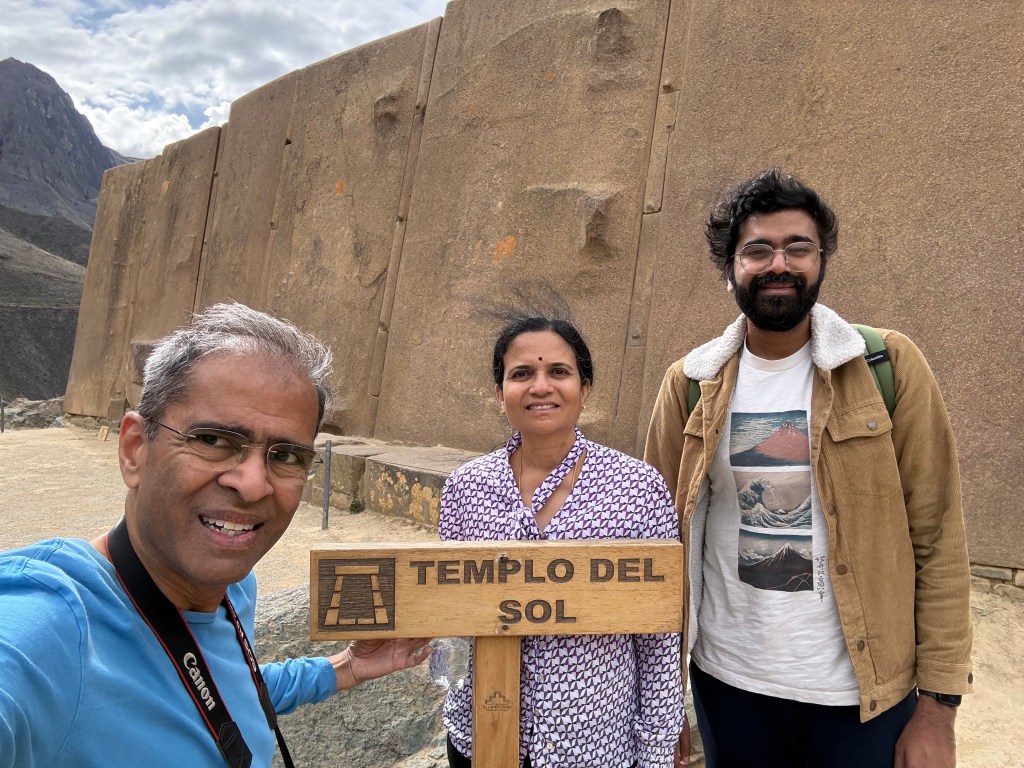
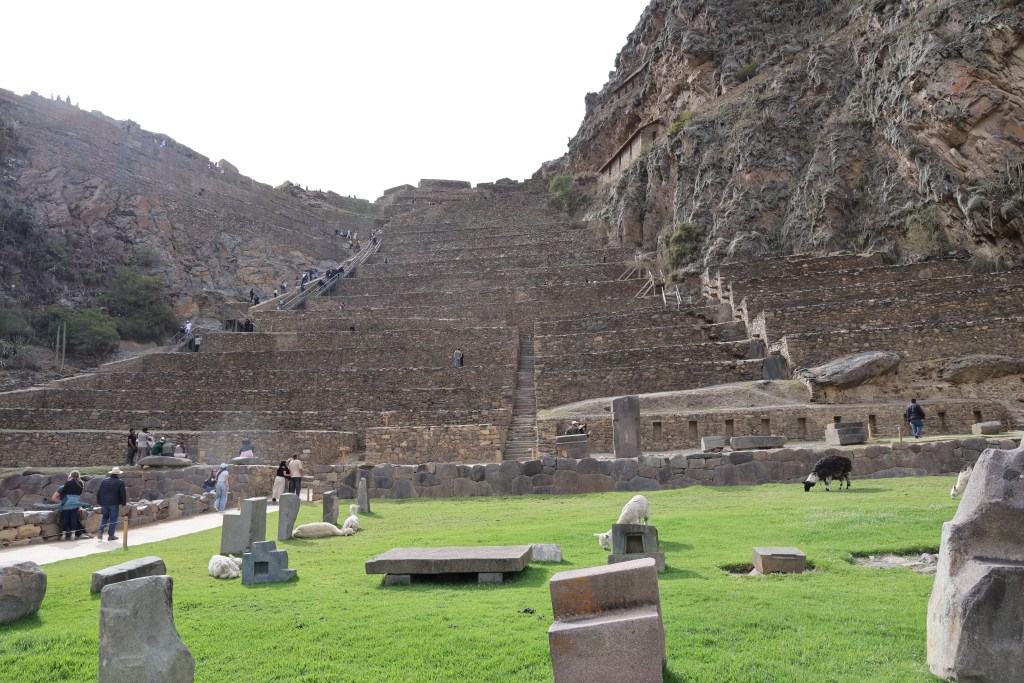
Ollantaytambo is a 15th-century Inca archaeological site in Peru’s Sacred Valley, established by Emperor Pachacútec as a royal estate, fortress, and tambo (inn/supply center). It is known for its impressive terraces, the Temple of the Sun, and its strategic, well-preserved Incan urban design.
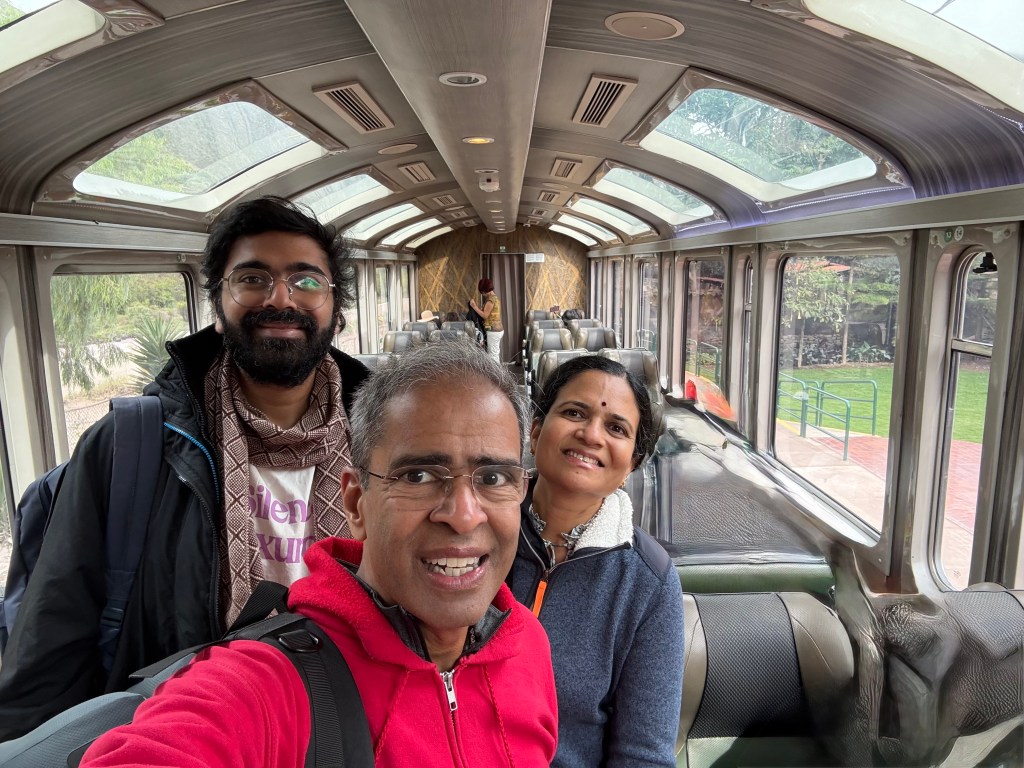
The next morning, we took the train from Ollantaytambo to Machu Picchu. The train journey was picturesque especially with large windows.
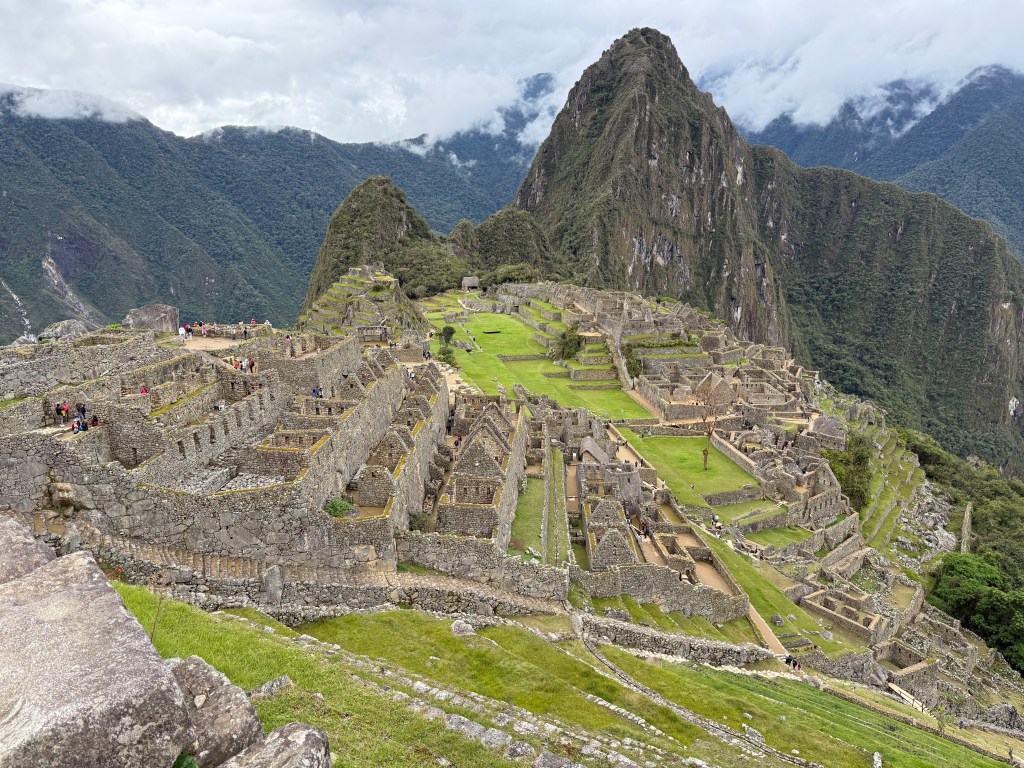
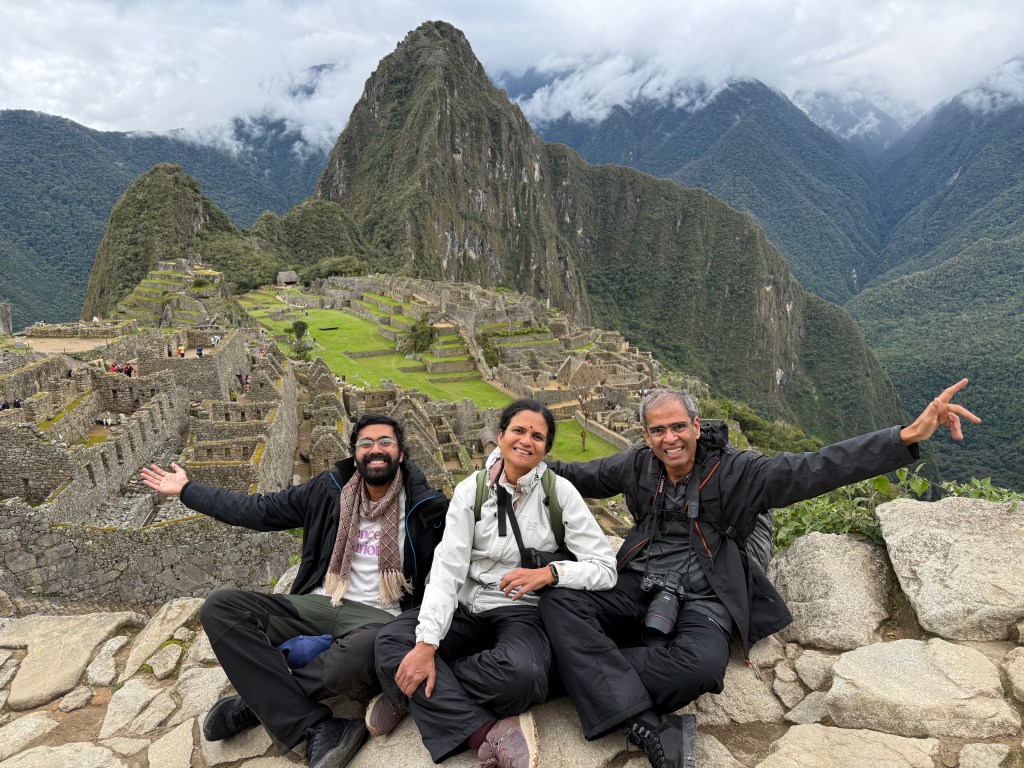
We took the 3pm bus to the top of the Machu Picchu mountain. We hired a guide who provided details of the history of Machu Picchu. Machu Picchu is a 15th-century Incan citadel in Peru, built around 1450 as a royal estate for Emperor Pachacuti. Located 2,430 meters above sea level, it features advanced, mortarless stone engineering. Abandoned roughly 100 years later during the Spanish Conquest, it was brought to international attention in 1911.
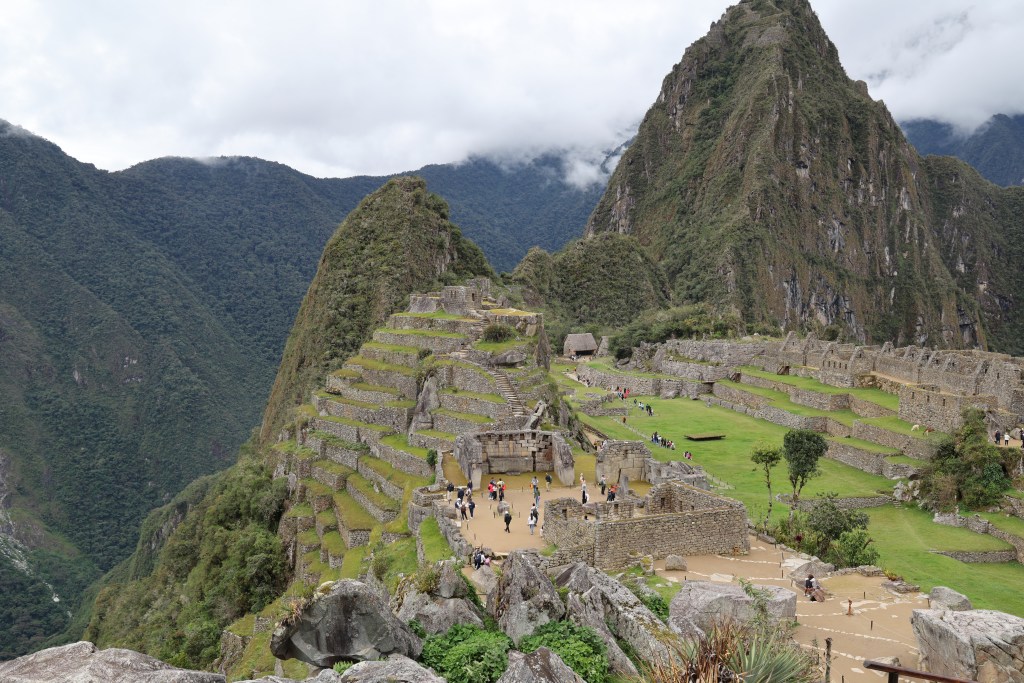
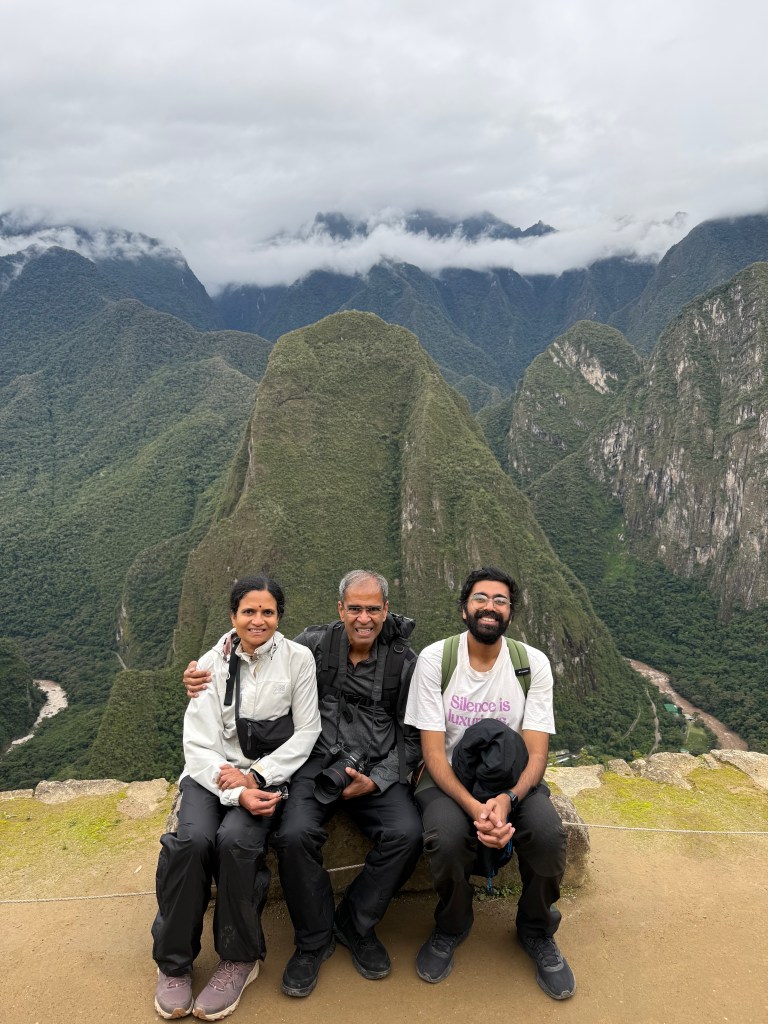
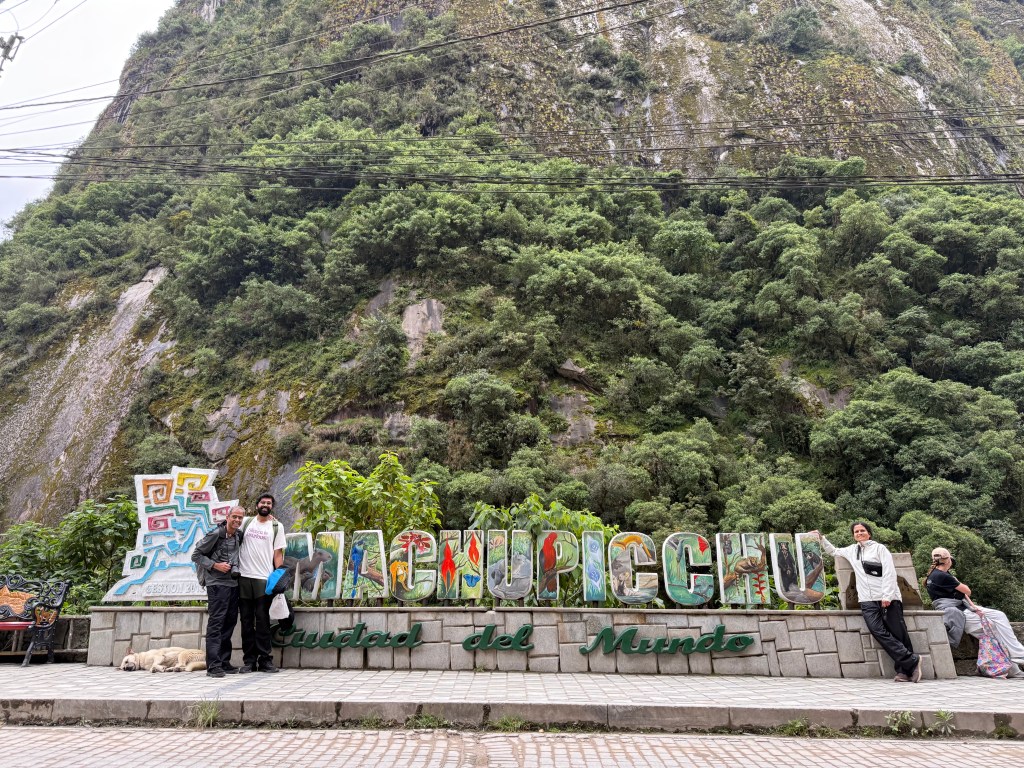
From Machu Picchu, we took the train back to Ollantaytambo and taxi from Ollantaytambo to Sacsayhuaman Inca Site. Sacsayhuaman, located above Cusco, is a massive 15th-century Inca fortress and ceremonial complex built under Emperor Pachacuti (1438–1471 CE) and finished by his successors. Famous for its zigzagging, mortar-less walls of colossal stones, it was a major religious and defensive site, later serving as a key battlefield during the Spanish conquest.
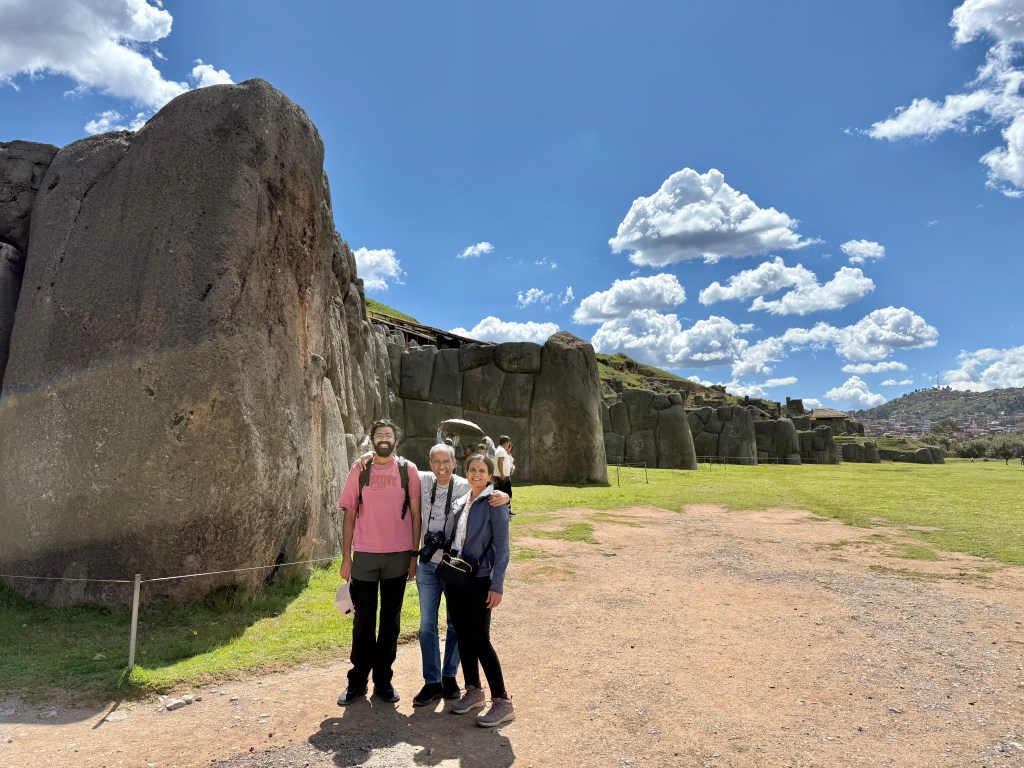
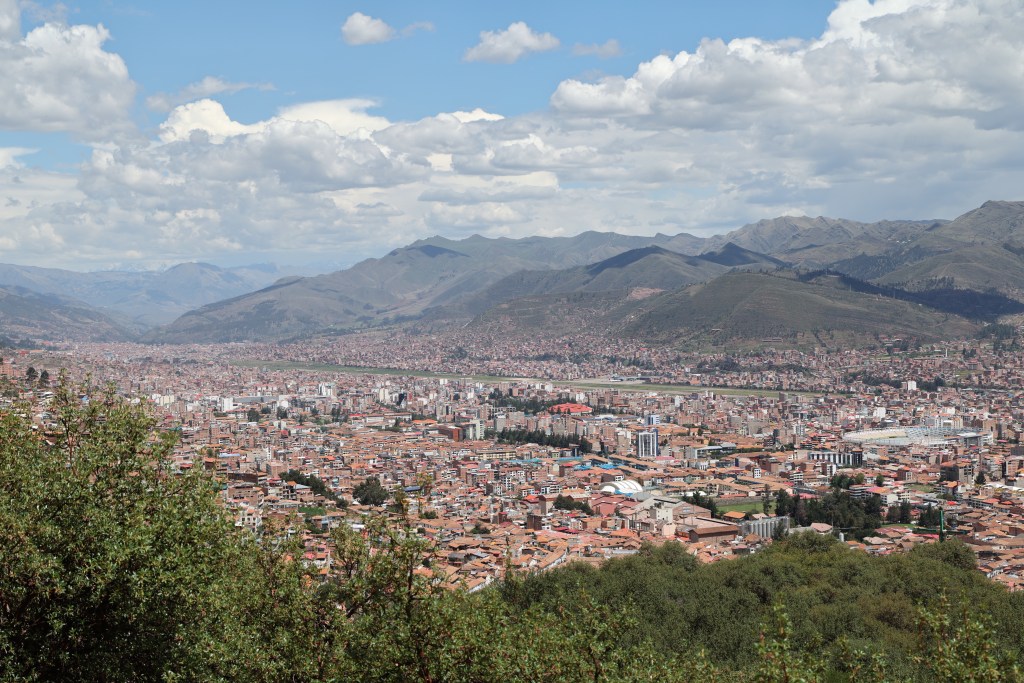
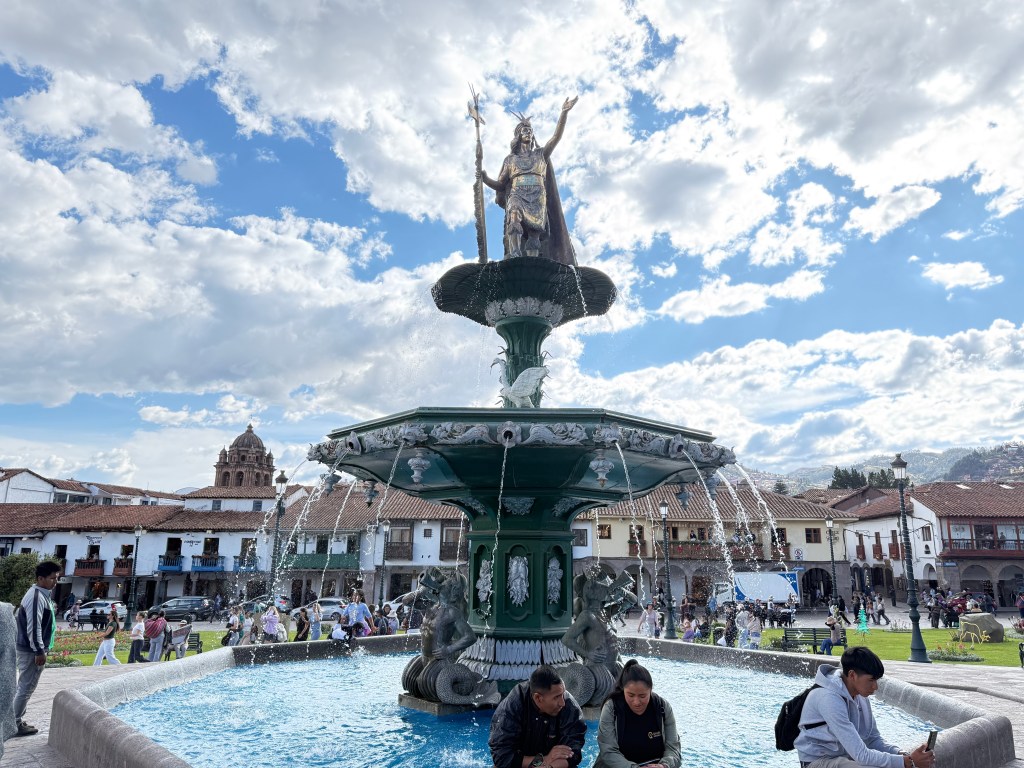
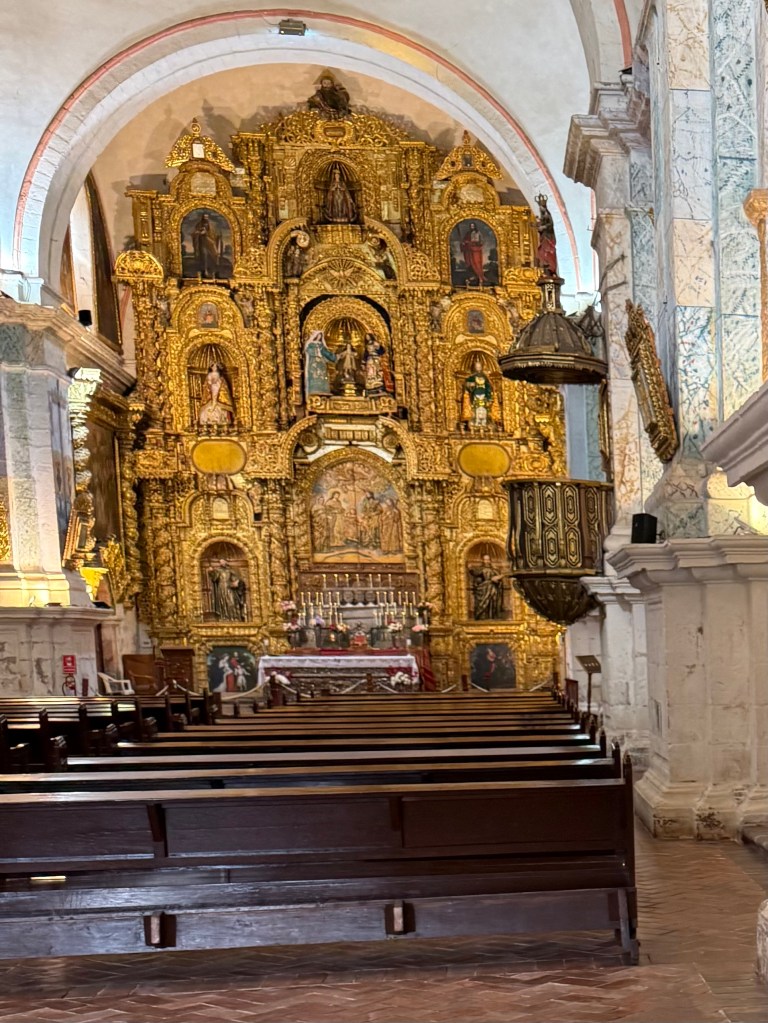
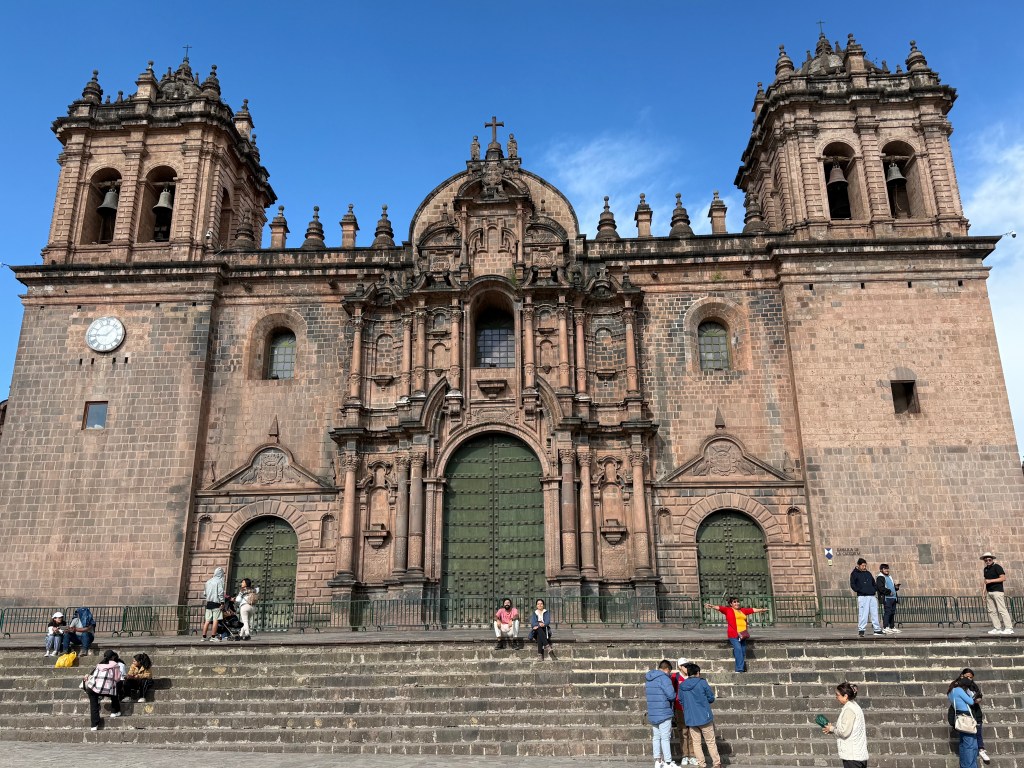
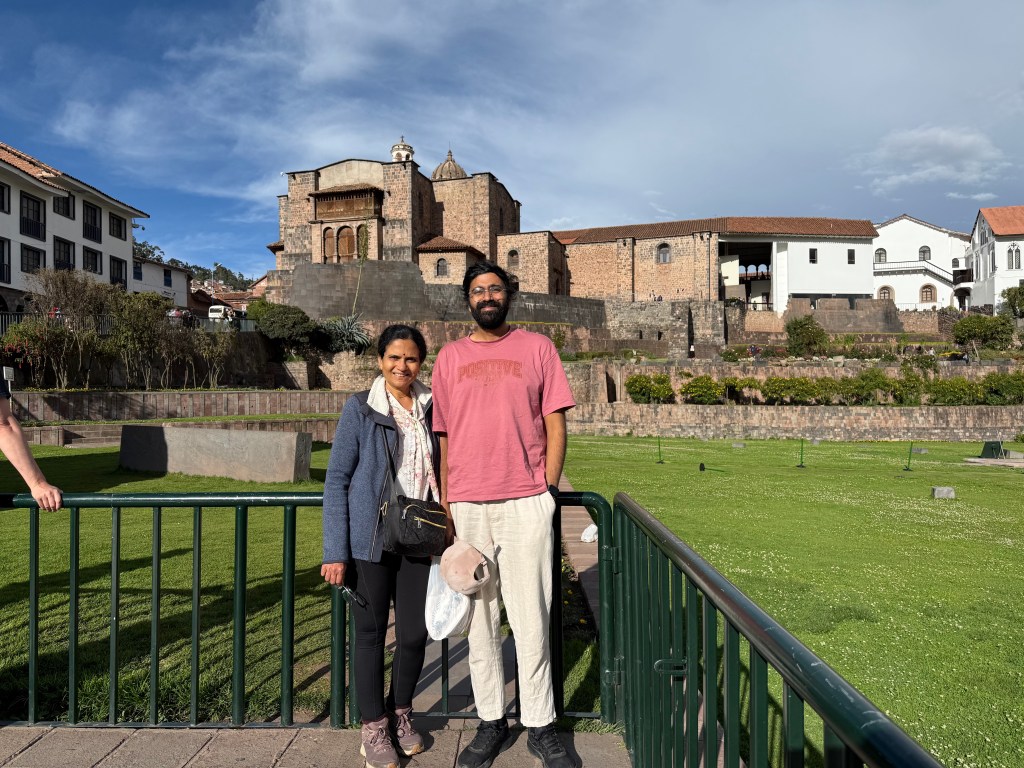
From Sacsayhuaman, we arrived back at Cusco, where we visited the main Plaza de armas, saw the Cusco Cathedral and visited in Qorikancha Museum. Cusco is at an altitude of about 3,300 meters and is recommended to have oxygen canisters here also.
The visit to Machu Picchu and various Inca sites on the way was very interesting and it was amazing to understand the engineering expertise of the Incas.
 My Travels - by Sivamani