A visit to Japan had been on our bucket list for some time. We visited Japan towards the end of March 2025, which is the recommended time to view the Cherry Blossoms in full bloom. We covered Tokyo, Osaka, Kyoto and the Mt. Fuji area. Overall we spent 12 days exploring Japan’s nature, history and culture. Japan has a very rich and complex history, consisting of wars, religion, art and culture. What impressed me most was the friendliness of the Japanese people.
For travelling within cities, we highly recommend using the subway, which we found to be quite convenient. We used the Shinkansen (bullet train) for inter-city travel. For exploring the Mt. Fuji area, we hired a car from Narita airport, which was quite helpful.
One point to note is that in many places, only cash is accepted (e.g. street food stands, temple entry tickets), so it would be advisable to keep some cash handy.
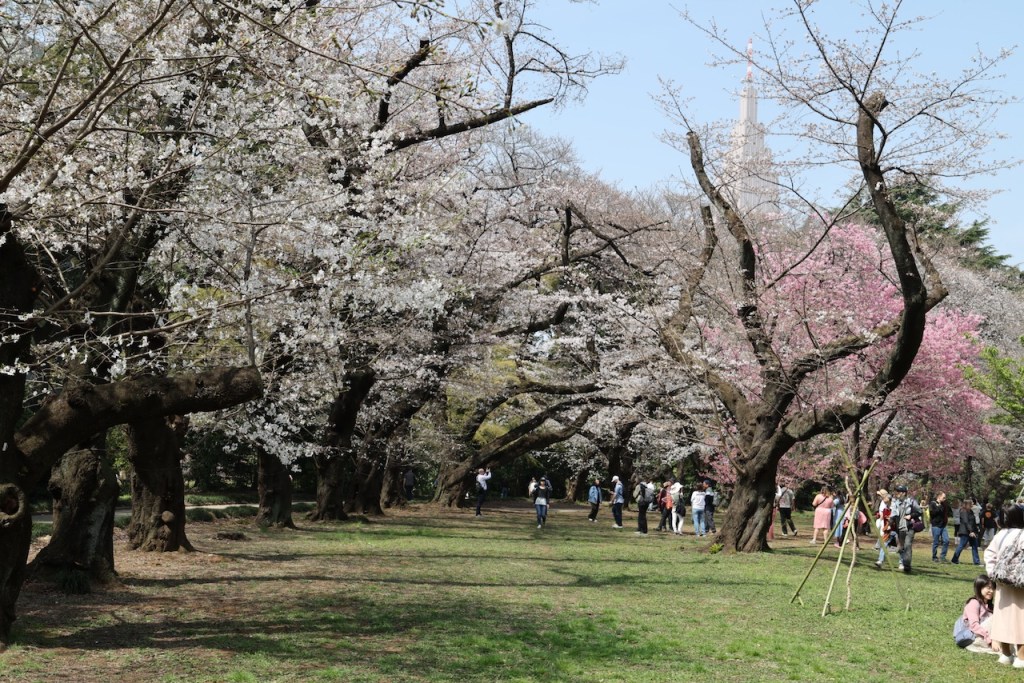
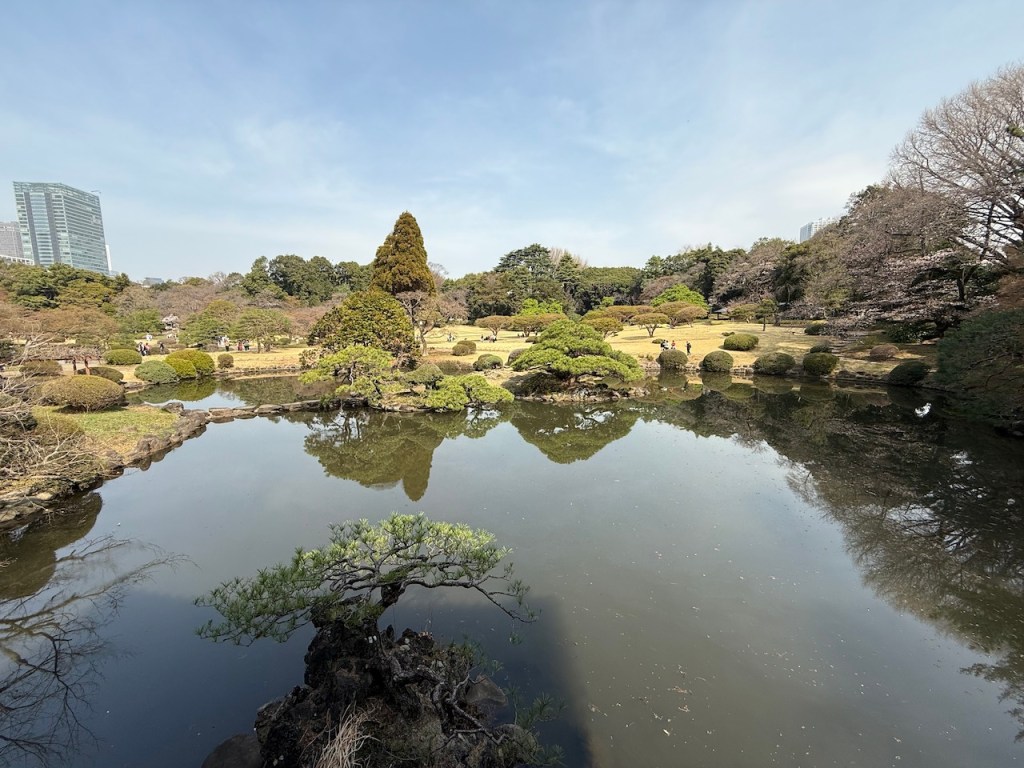
We started our first day with a visit to Shinjuku Gyoen National Garden. There’s an entry fee of JY500. There was a large crowd, particularly in the Cherry Blossom areas. The garden is quite large and takes about a couple of hours to explore fully. For nature lovers, this is a must visit place.
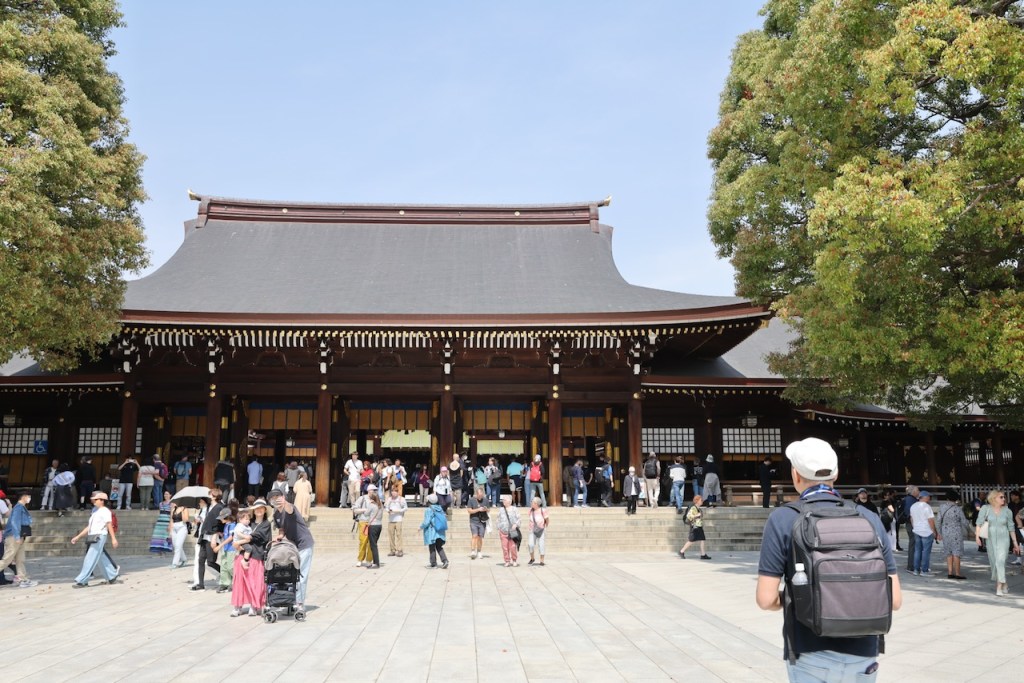
Our next visit was to the Meiji Shrine, which is about 25 minutes walk from the Gyoen Gardens. The Meiji shrine is dedicated to Emperor Meiji, and was inaugurated in 1920.
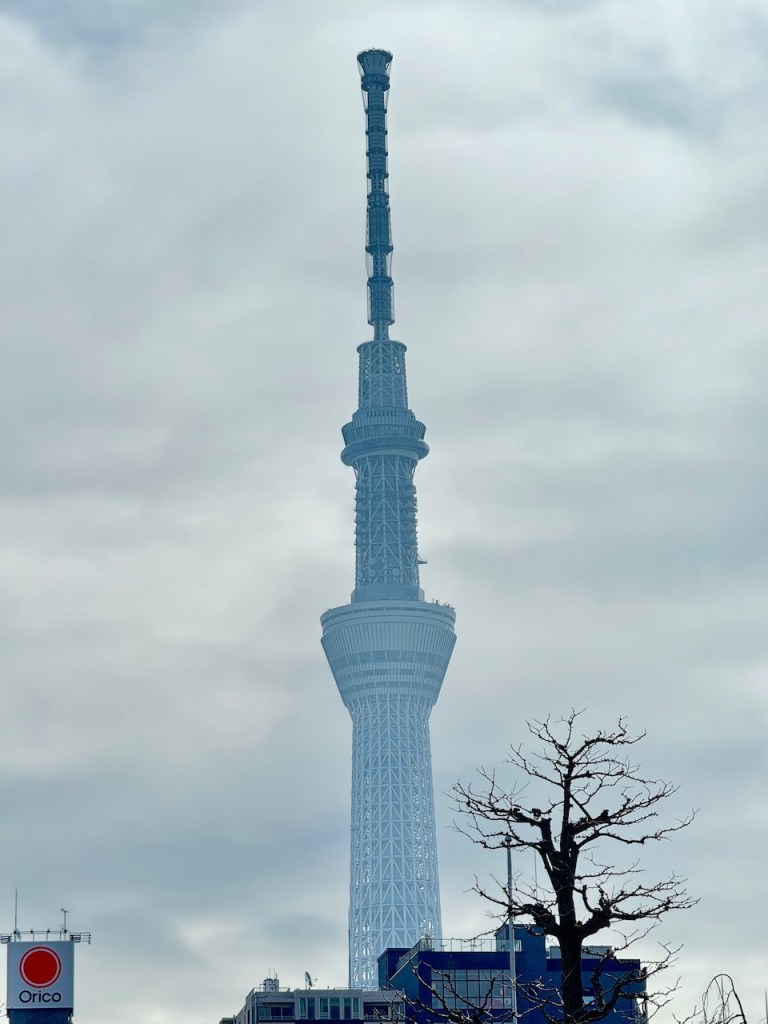
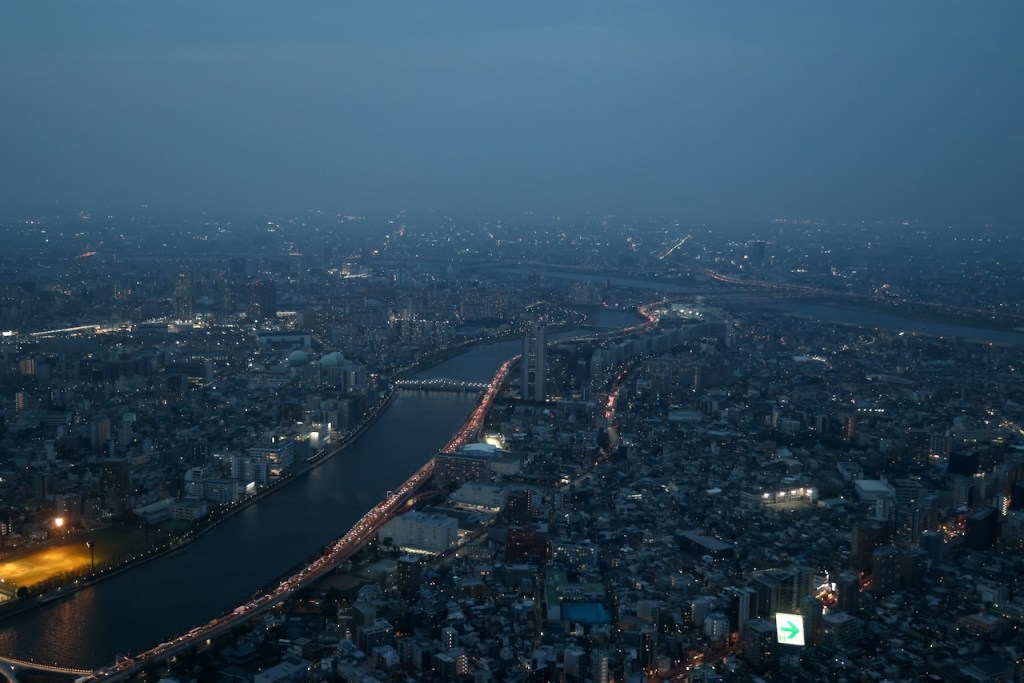
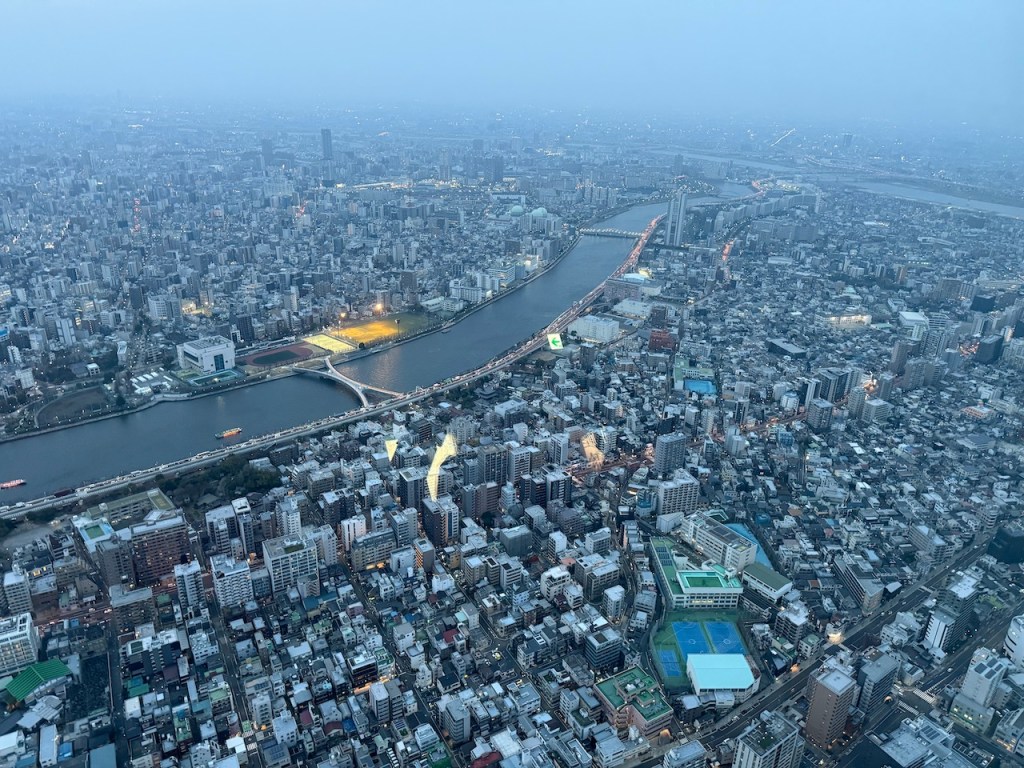
Our last visit of the day was to the Tokyo Skytree. The view of Tokyo from the top was super. We visited around 5pm, so we could see the city both before and after sunset.
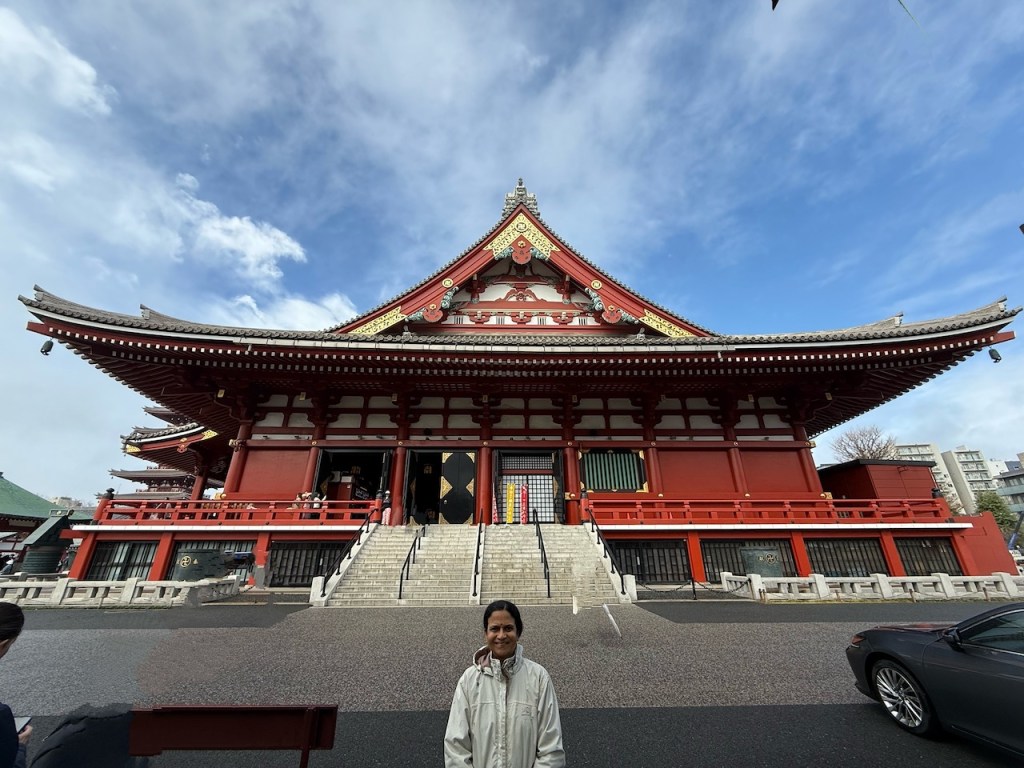
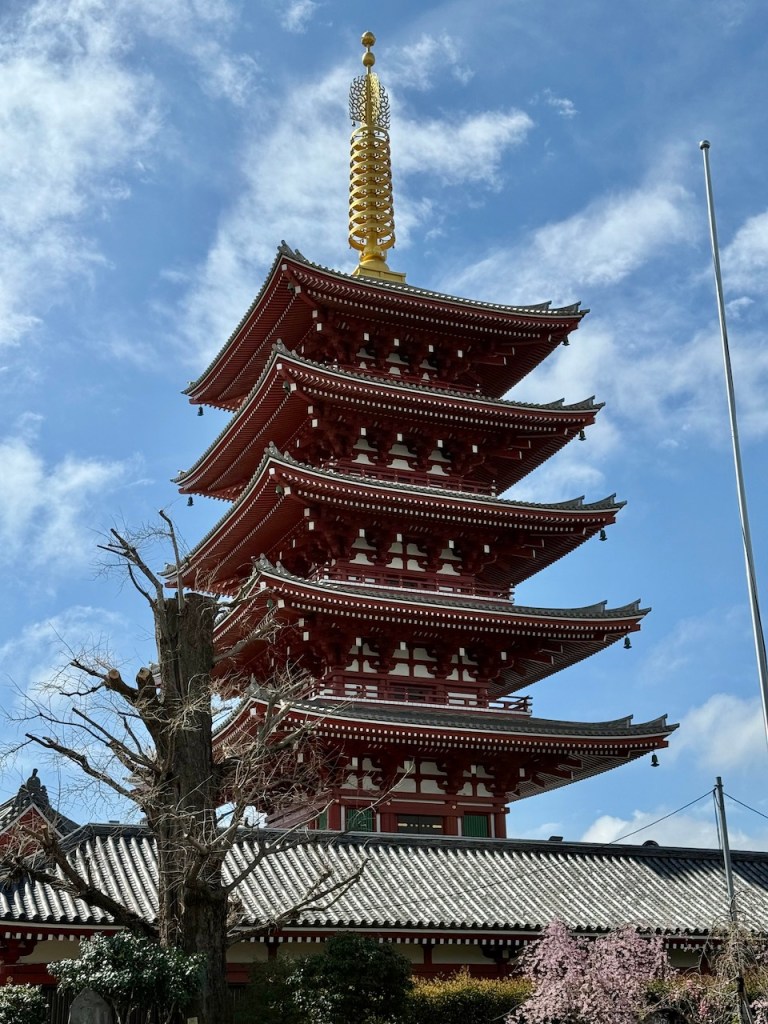
On day 2 we started by visiting the Sensoji Buddhist shrine. The temple was first founded in the 7th century AD, dedicated to Buddha. The temple complex is vast, with a main hall, a five story Pagoda and multiple smaller shrines and statues nearby. Apparently this is a widely visited shrine, with about 30 million visitors annually.
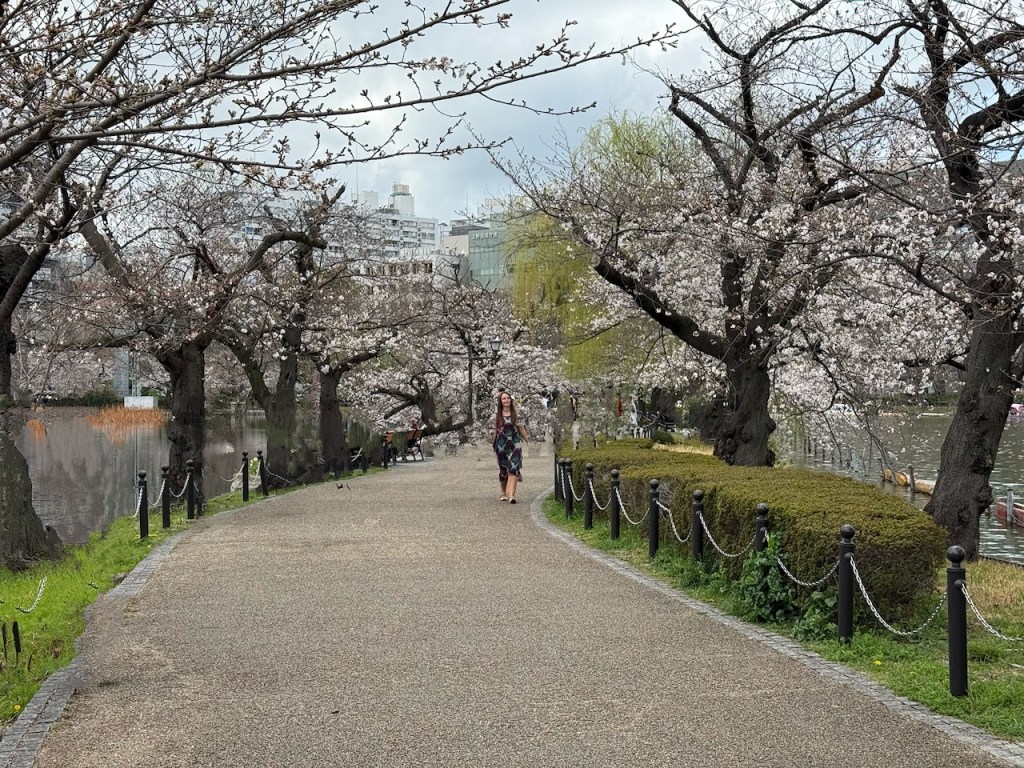
From Sensoji, we visited the Ueno Park, which has multiple attractions, e.g. a beautiful park with a lake, a couple of shrines, a couple of museums, a Zoo and lots of eateries. A small challenge is the need to climb a lot of stairs, though there is an elevator near the Royal museum (east of the park).
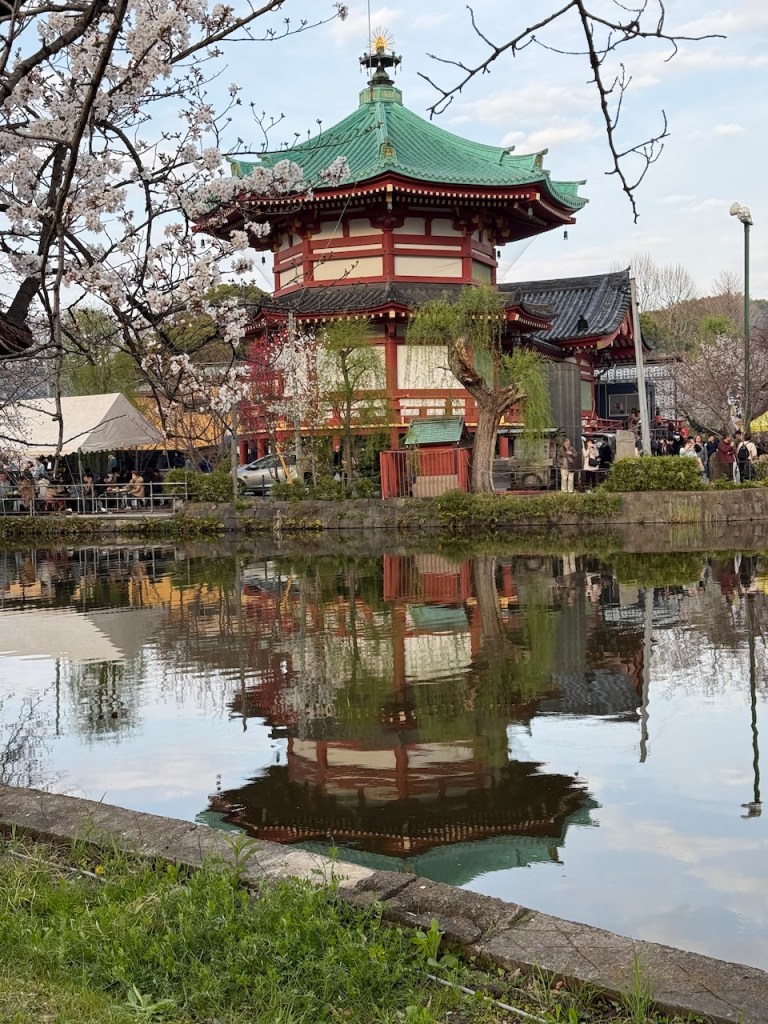
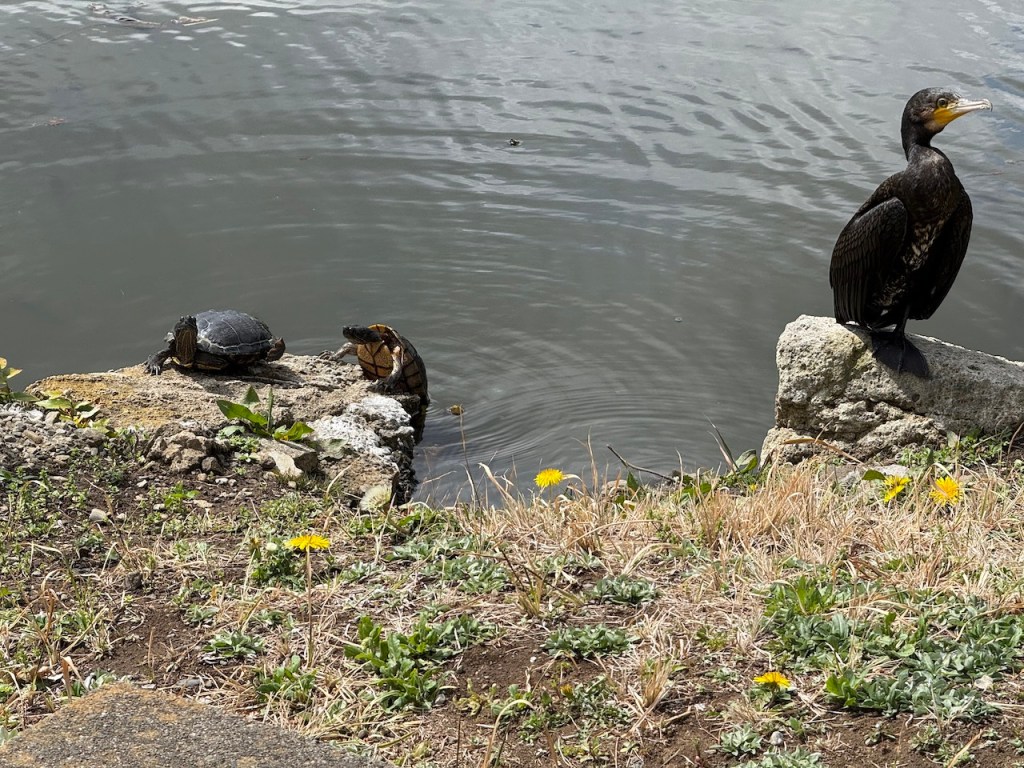
The Shinobazu Pond is located towards the South of Ueno Park, and has a lot of bird life. The walk around the pond is beautiful. There is a small shrine in the middle of the pond.
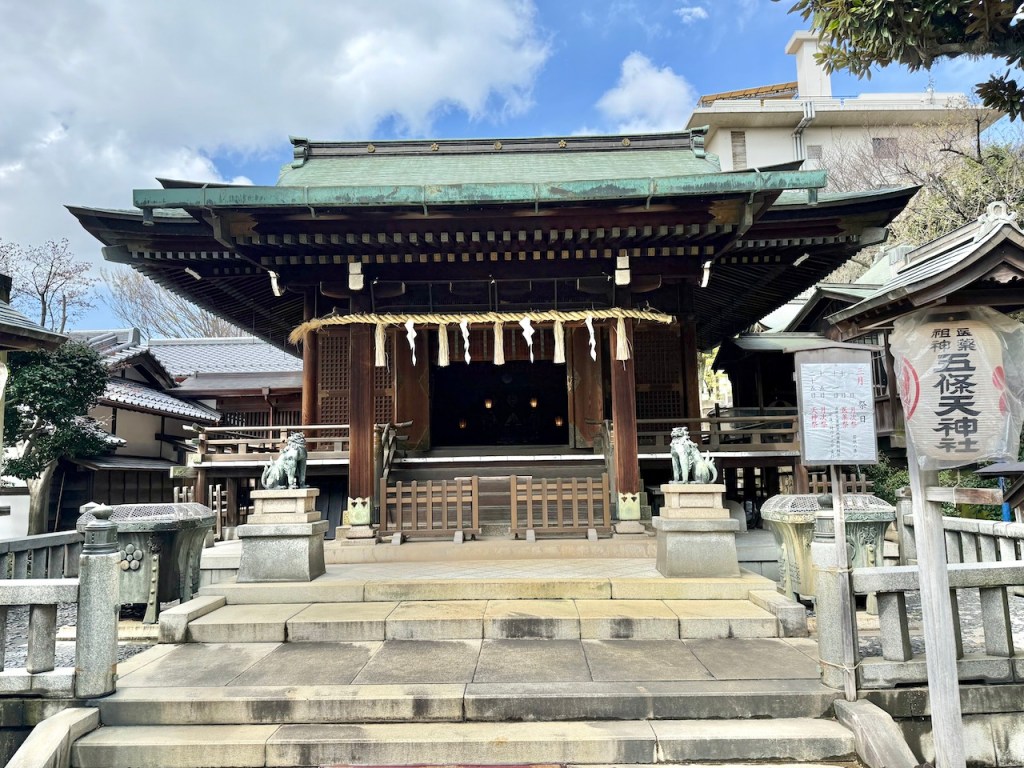
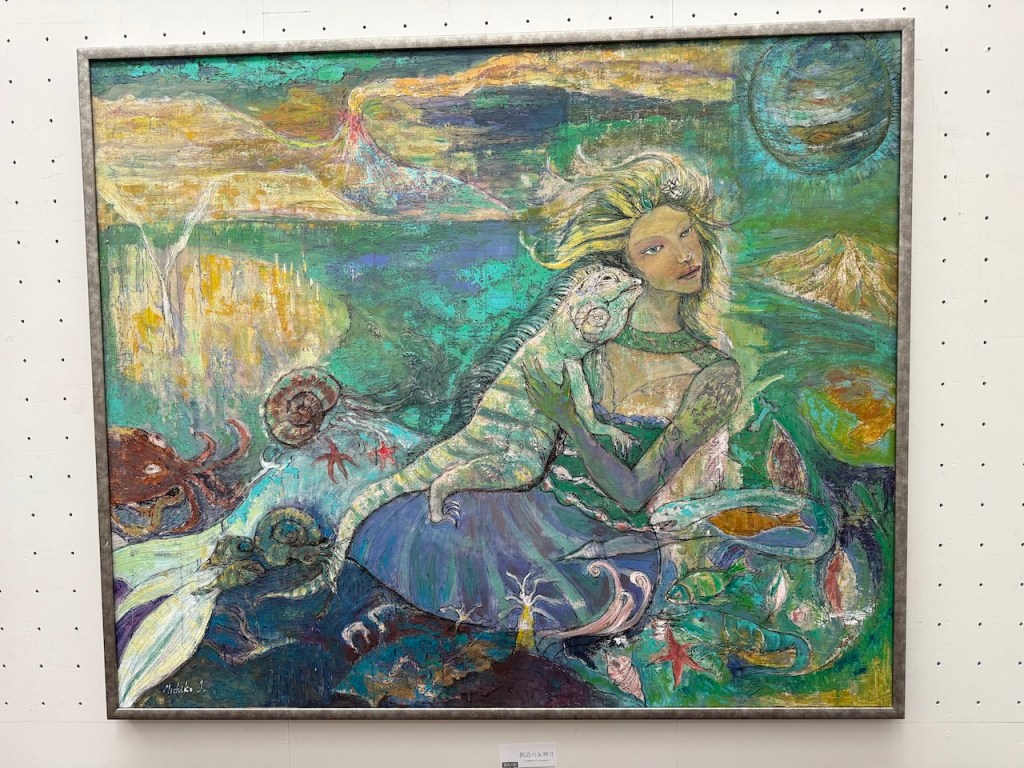
Towards the north of Ueno Park, is the Tokyo Metropolitan Art Museum, which has some really great paintings. Surely worth a visit for art lovers.
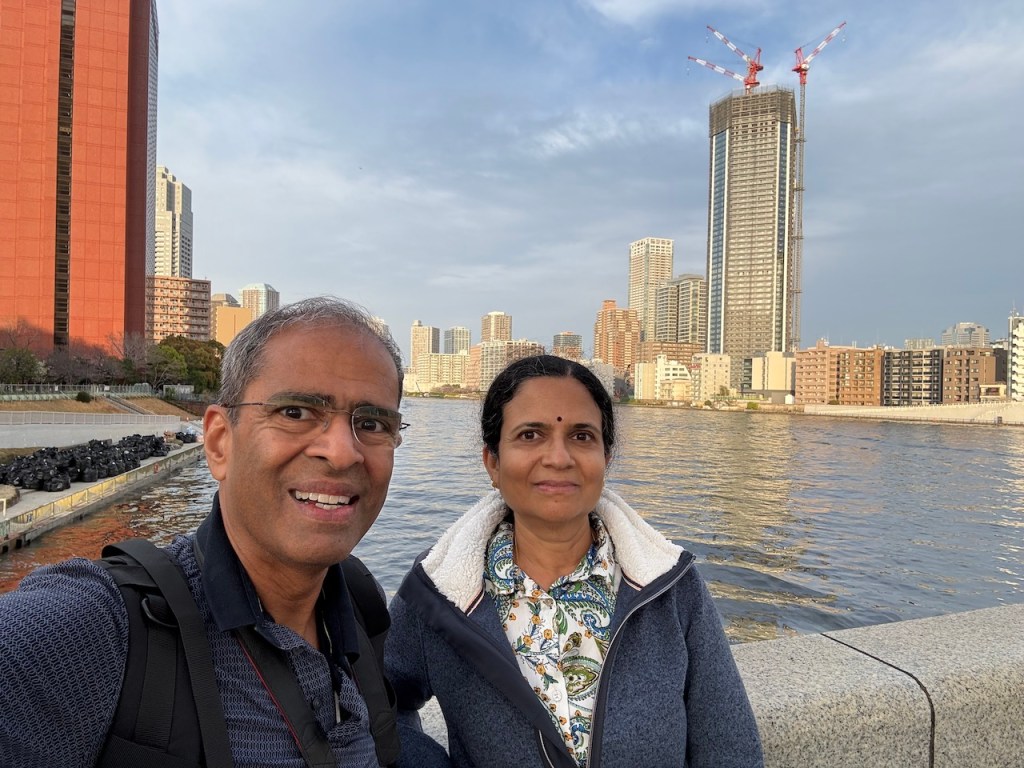
In the afternoon, we visited the Tsukiji Outer Market and explored nearby areas, including the Kachidoki Bridge. The Tsukiji market is essentially a huge fish market with a lot of fish eataries (not suitable for vegetarians like me).
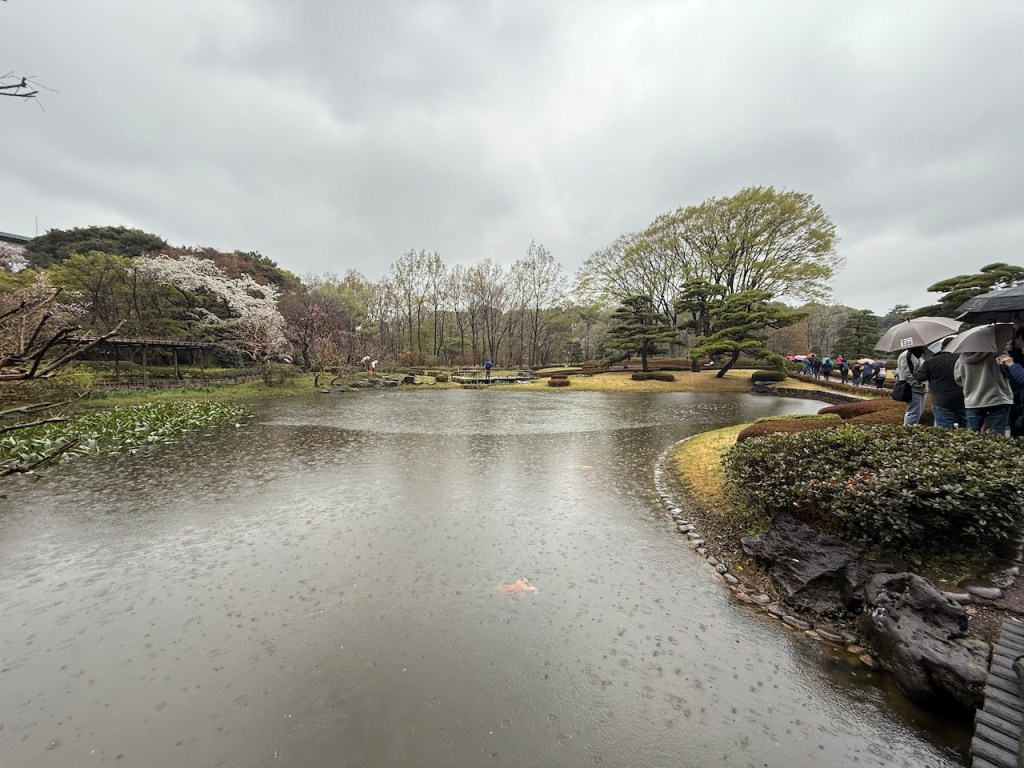
Day 3 started with a visit to the Tokyo Imperial Palace. Tour of the palace interior is closed in the last week of March. The gardens were lovely, with lots of cherry blossoms and mini forests. On the west side of the Imperial palace, there is the lovely Chidoriga-fuchi Park.
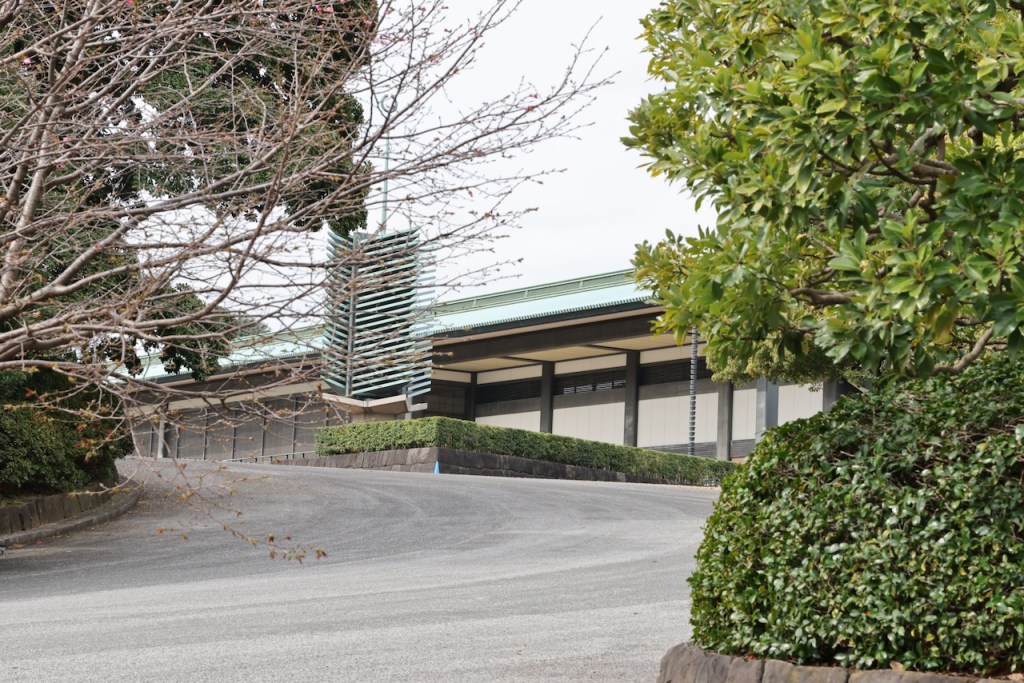
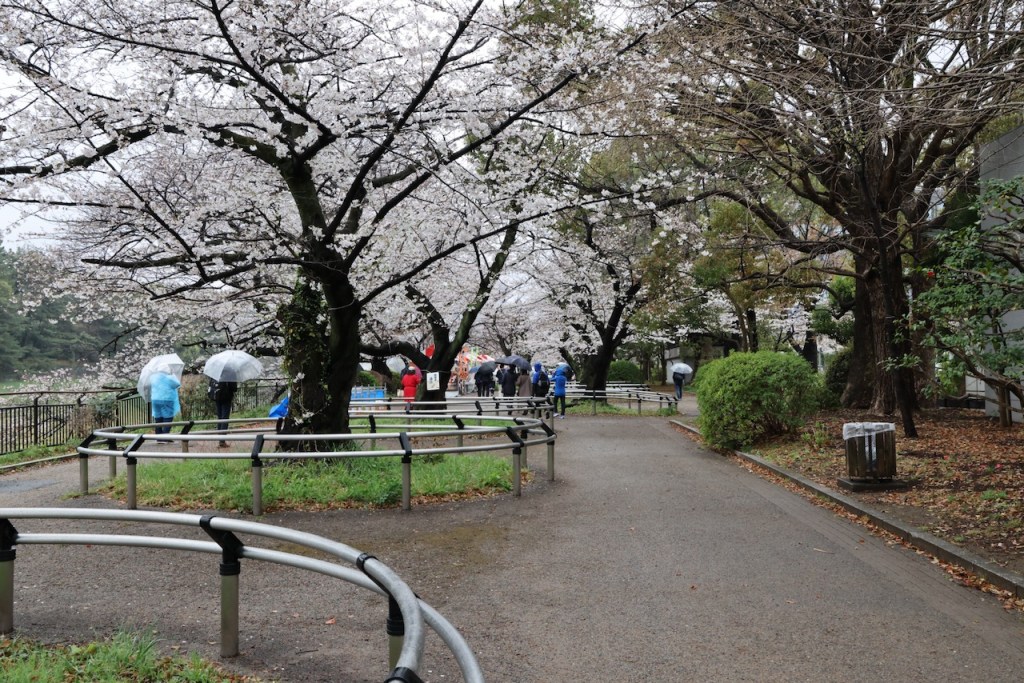
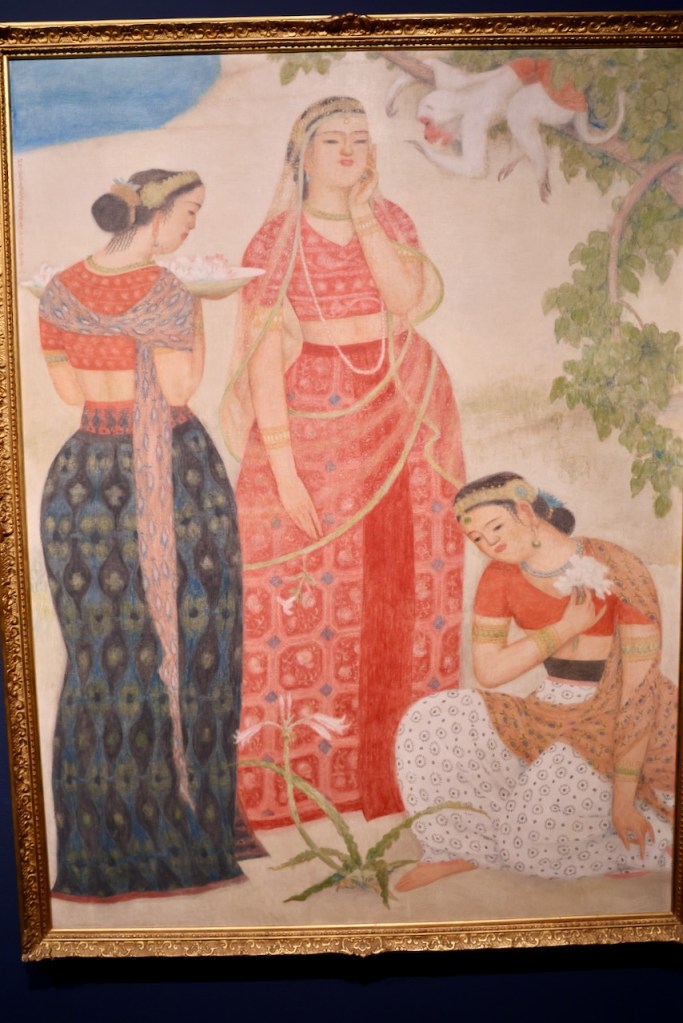
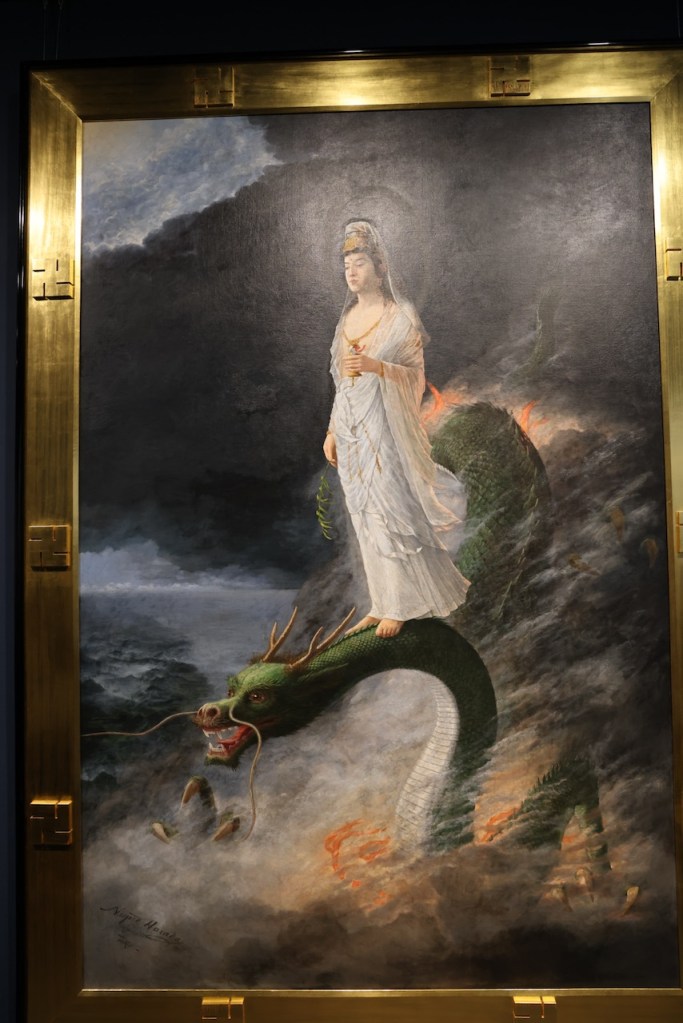
North of the Tokyo Imperial Palace is the National Museum of Modern Art Tokyo, which has lovely paintings mainly from the 20th century.
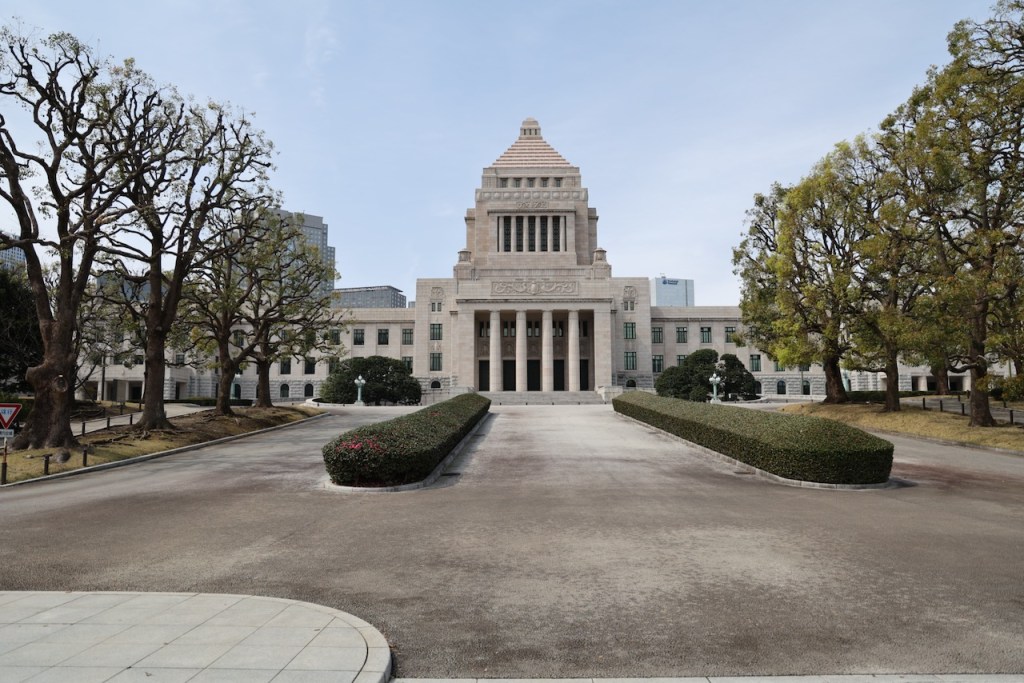
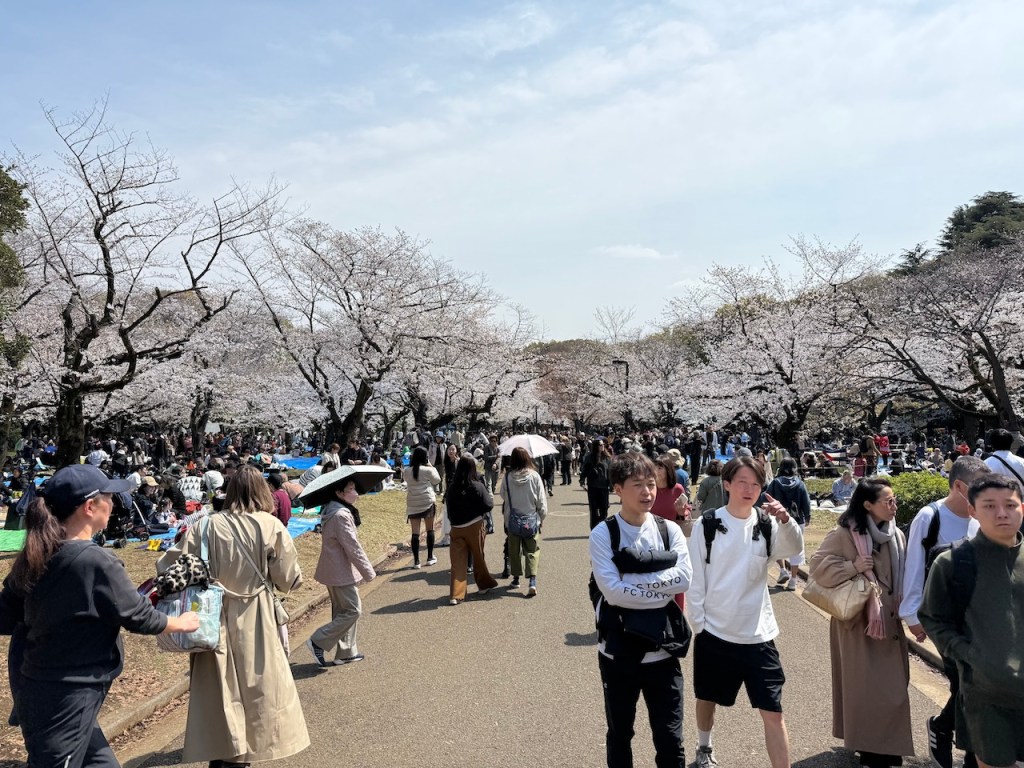
On day 4, we first visited the Japanese Diet (parliament). Visitors aren’t allowed inside. From there we visited the Yoyogi Park, which was wonderful to walk around.
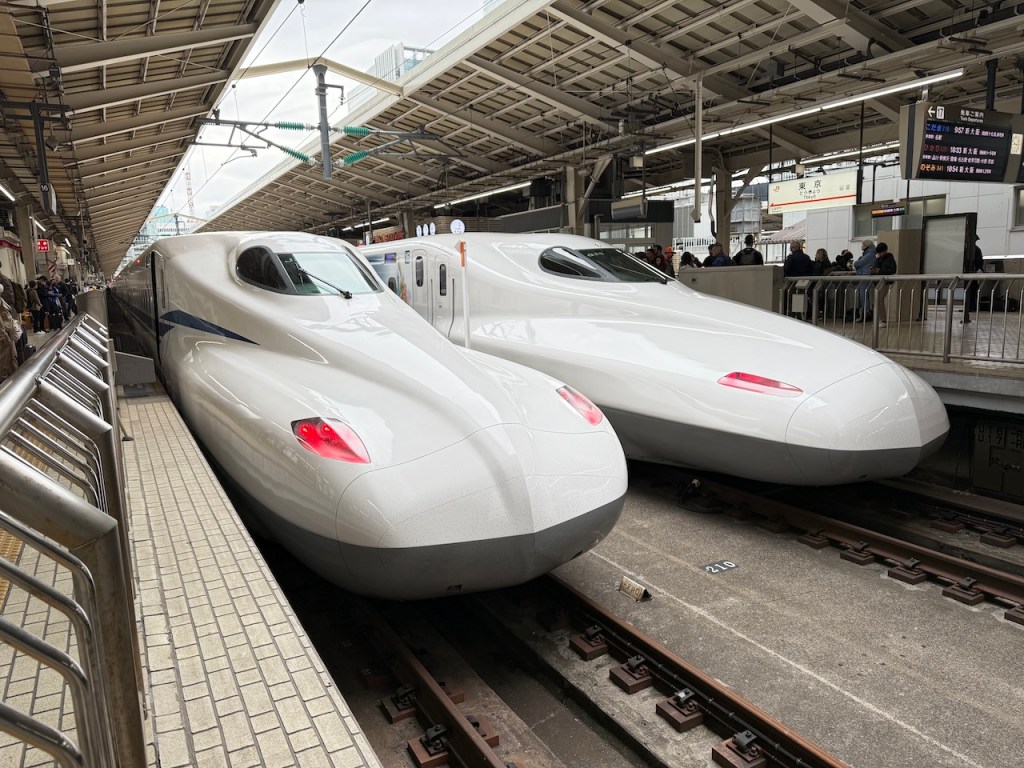
On day 5, we took the Shinkansen to Osaka. We booked the Shinkansen tickets via the Klook app, which I found quite helpful.
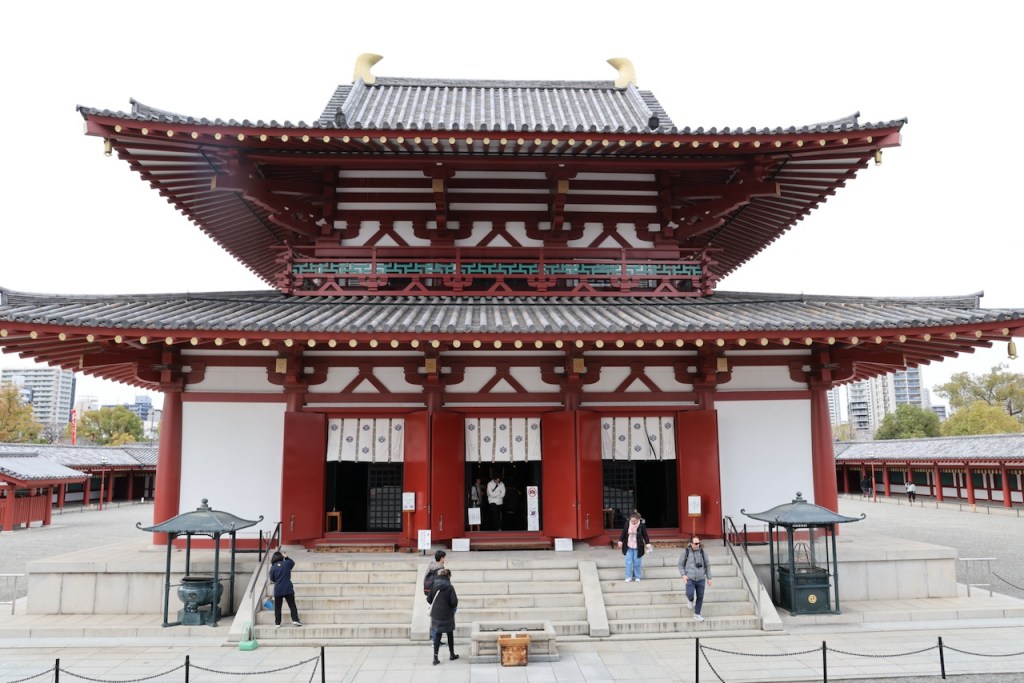
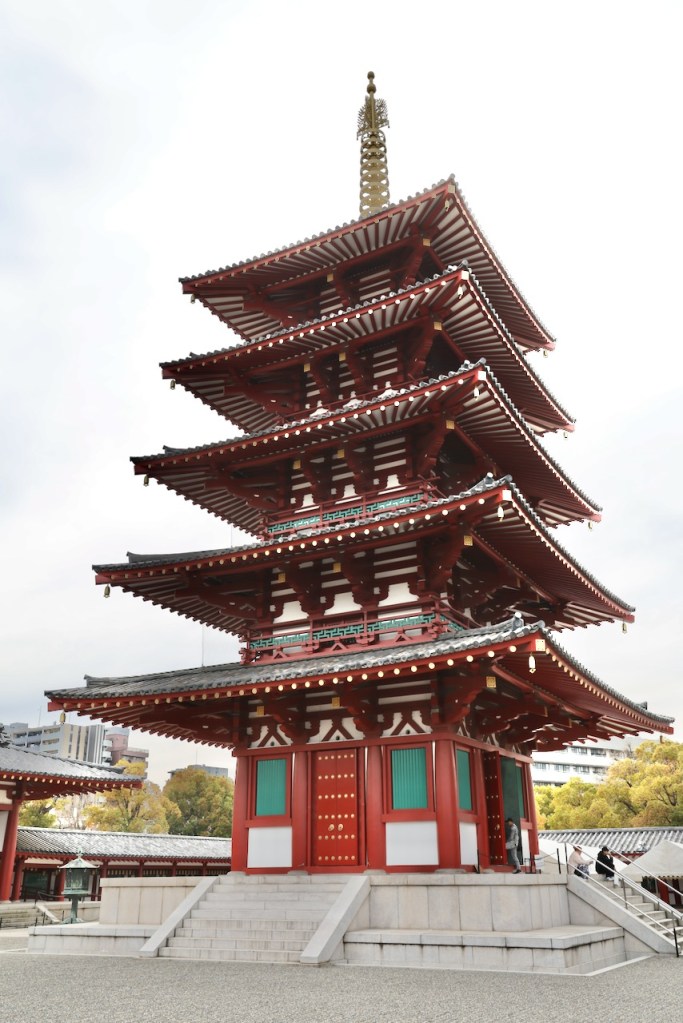
Day 5 afternoon commenced with a visit to the Shitennō-ji temple, which was founded in the 6th century AD. It is said to be Japan’s oldest temple, founded by Prince Shotoku Taishi, who played a leading role in introducing Buddhism to Japan.
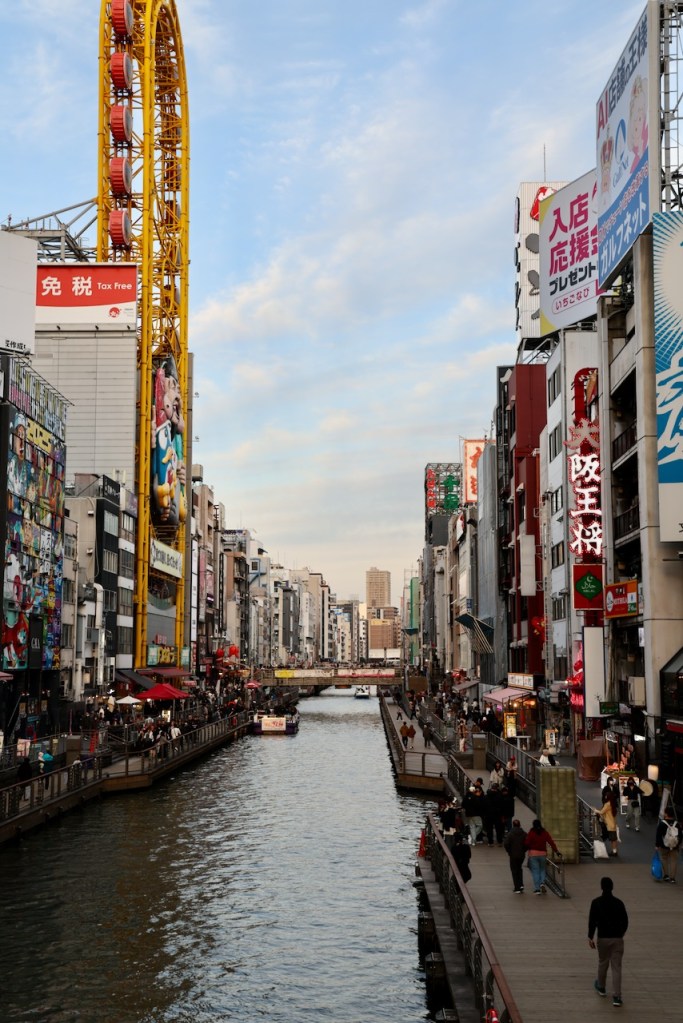
From Shitennō-ji, we walked to Dotonbori, a famous shopping neighbourhood in Osaka. Dotonbori was extremely lively, with lots of tourists. There are multiple attractions, e.g. Ferris Wheel, boat trip on the river.
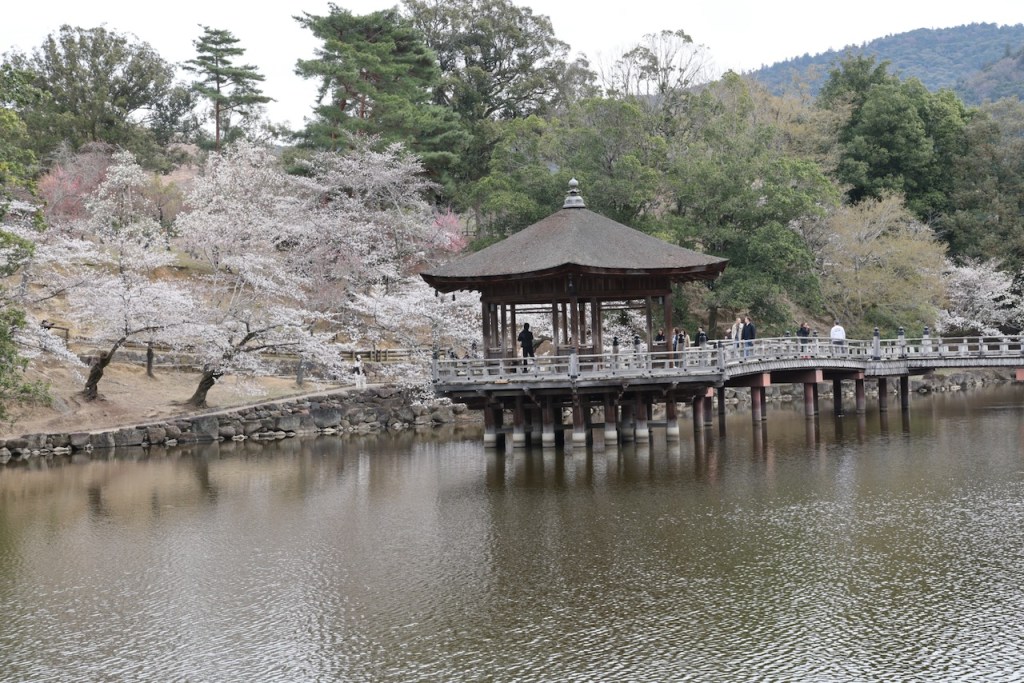
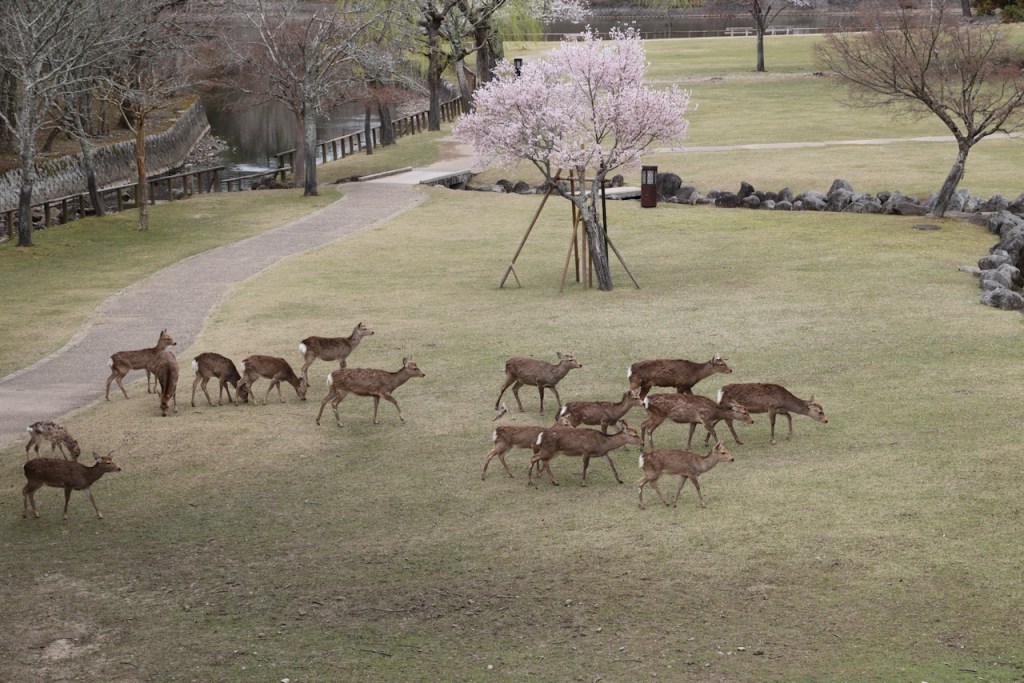
On day 6, we took an inter-city train to Nara. Nara Park is lovely, and has a lot of deer. There are a couple of lovely gardens, a museum and a 8th century temple, Todai-ji. It takes 2-3 hours to cover the major points of interest within Nara Park.
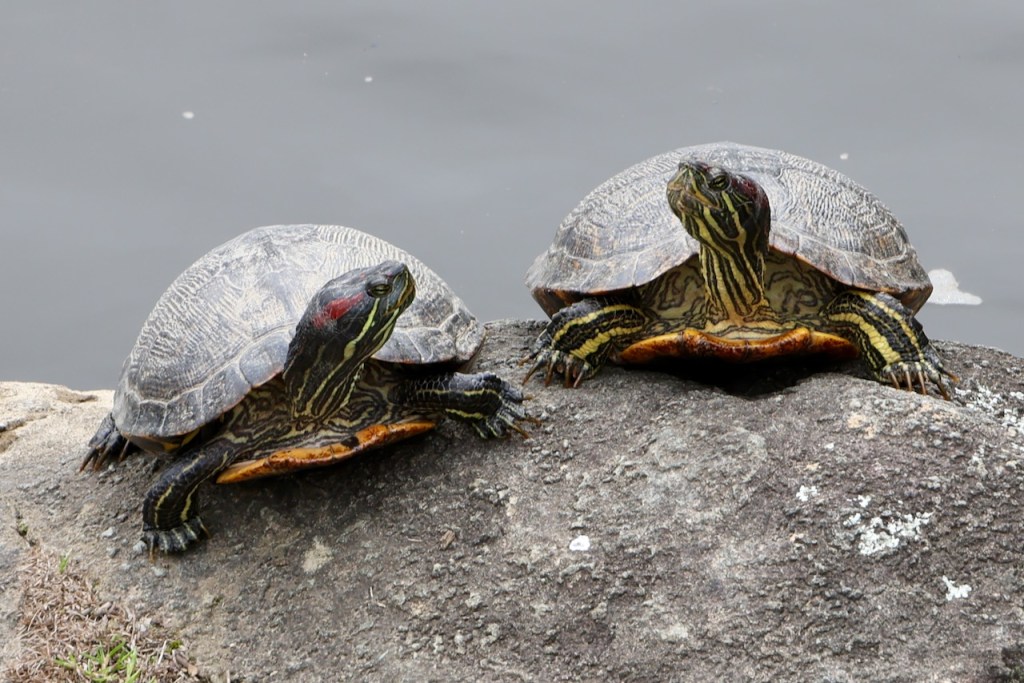
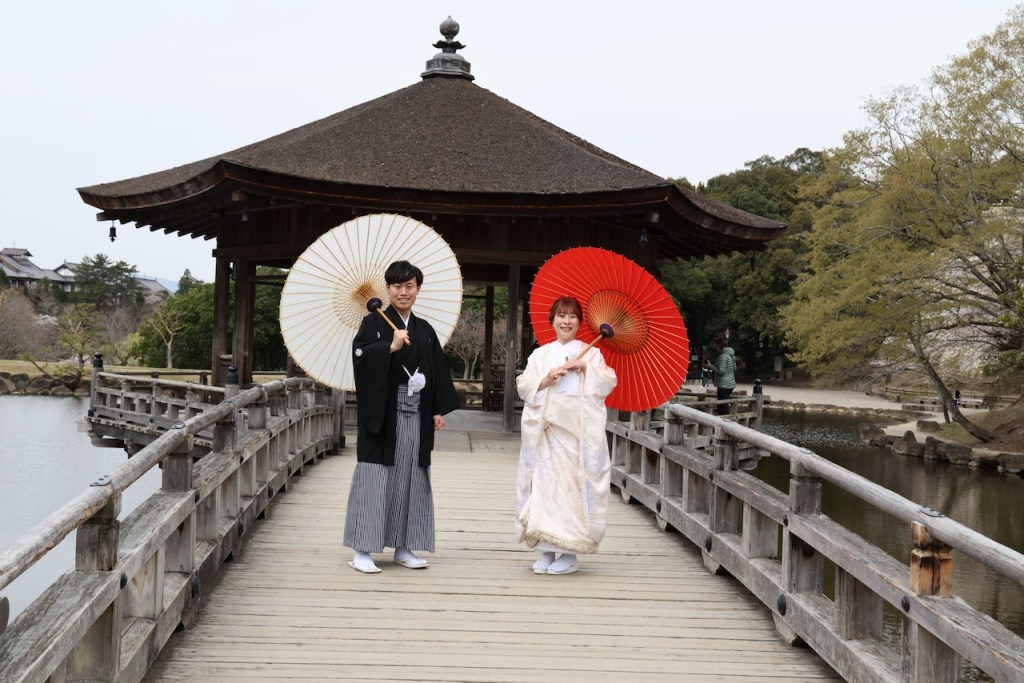
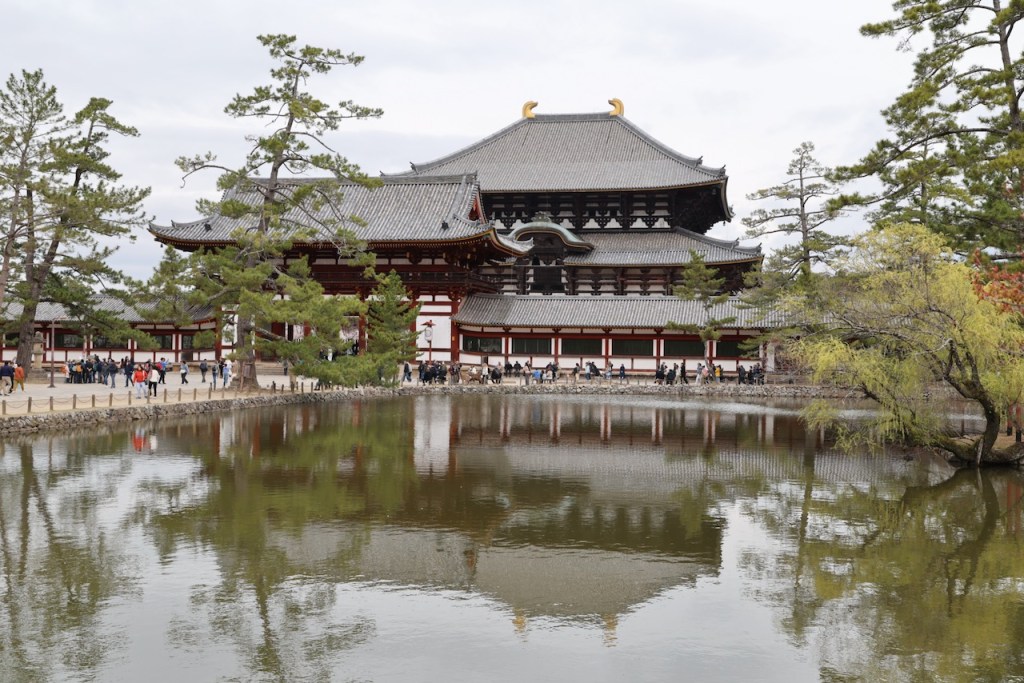
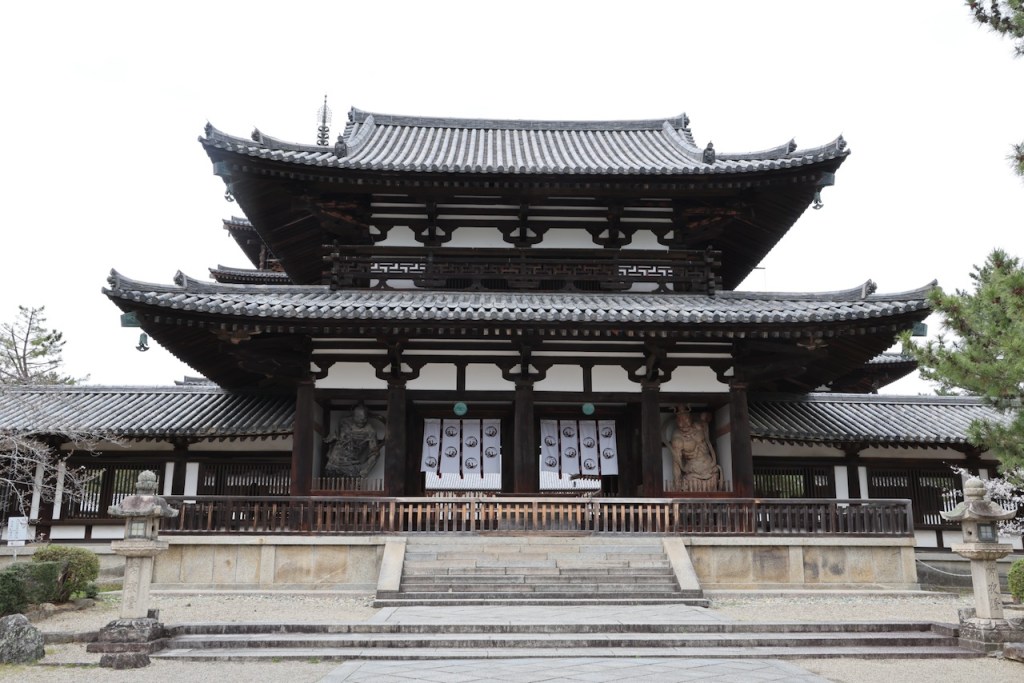
From Nara Park, we took another inter-city train to Horyu-ji, which is home to the 7th century buddhist temple also founded by Prince Shōtoku.
On day 7, we started by visiting the Osaka castle. The castle is very pretty, and the gardens around the castle are worth exploring. Adjacent to the Osaka Castle complex is the Osaka museum of history, which provides valuable information about the history of Osaka.
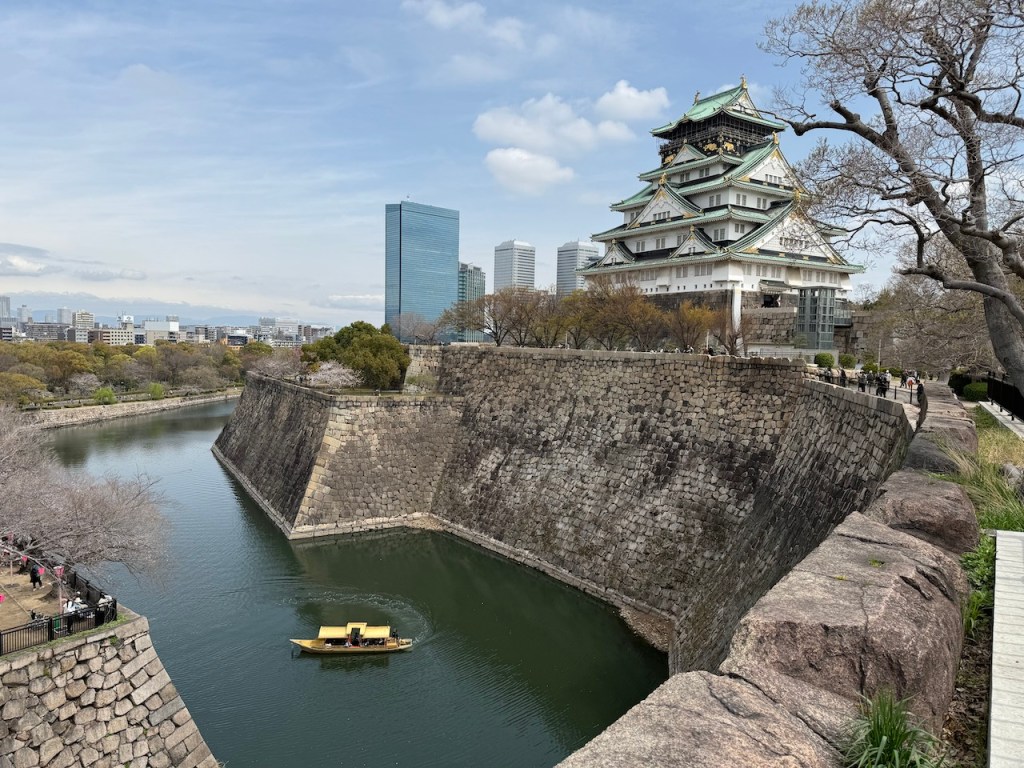
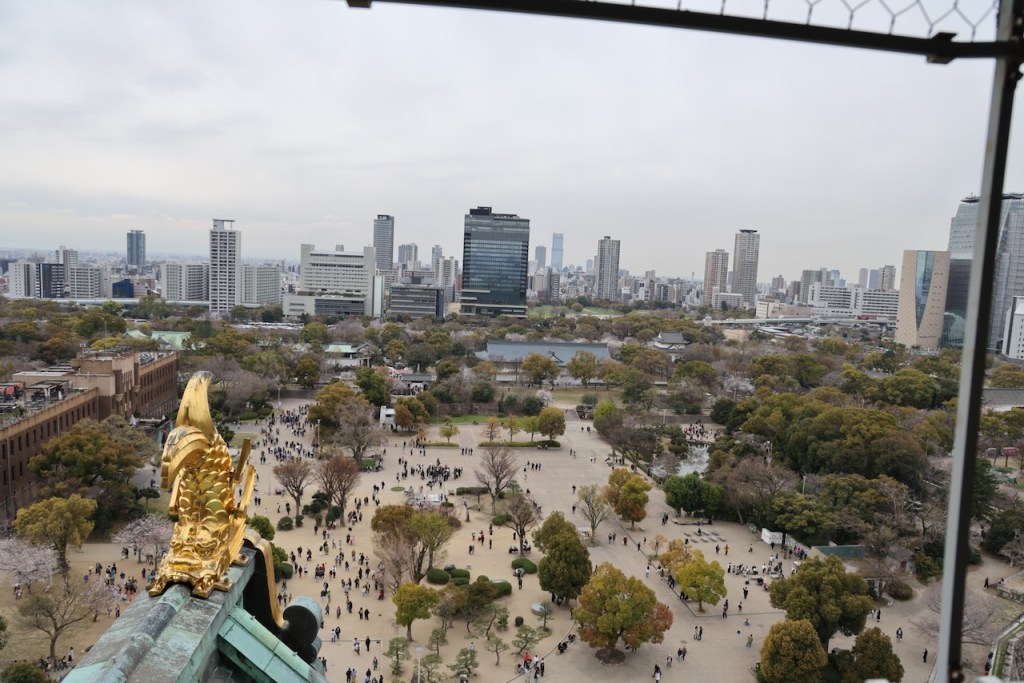
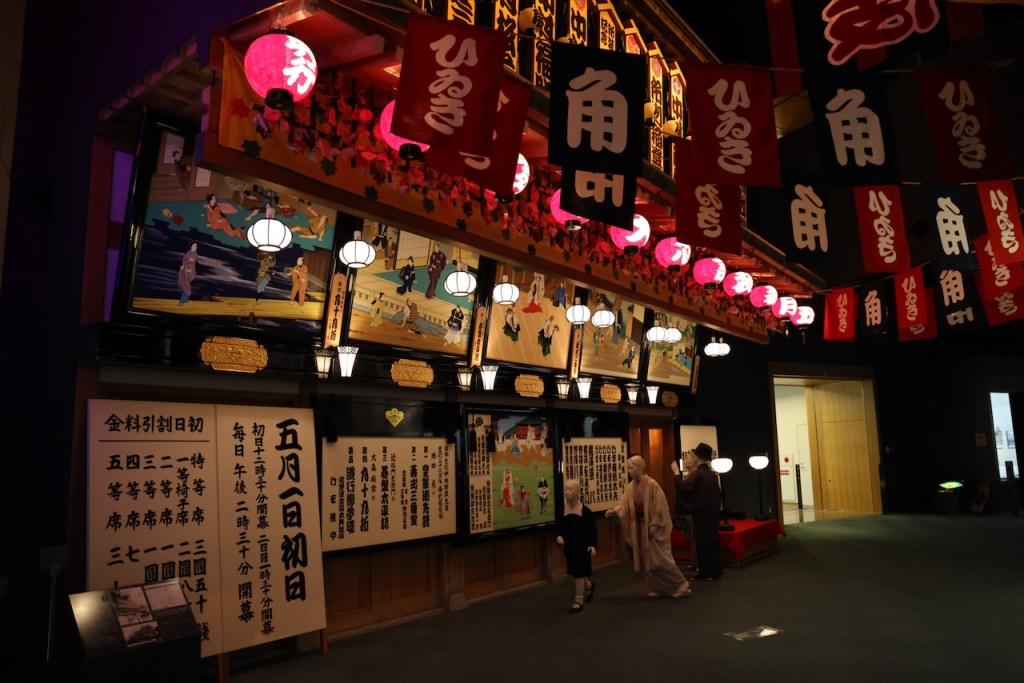
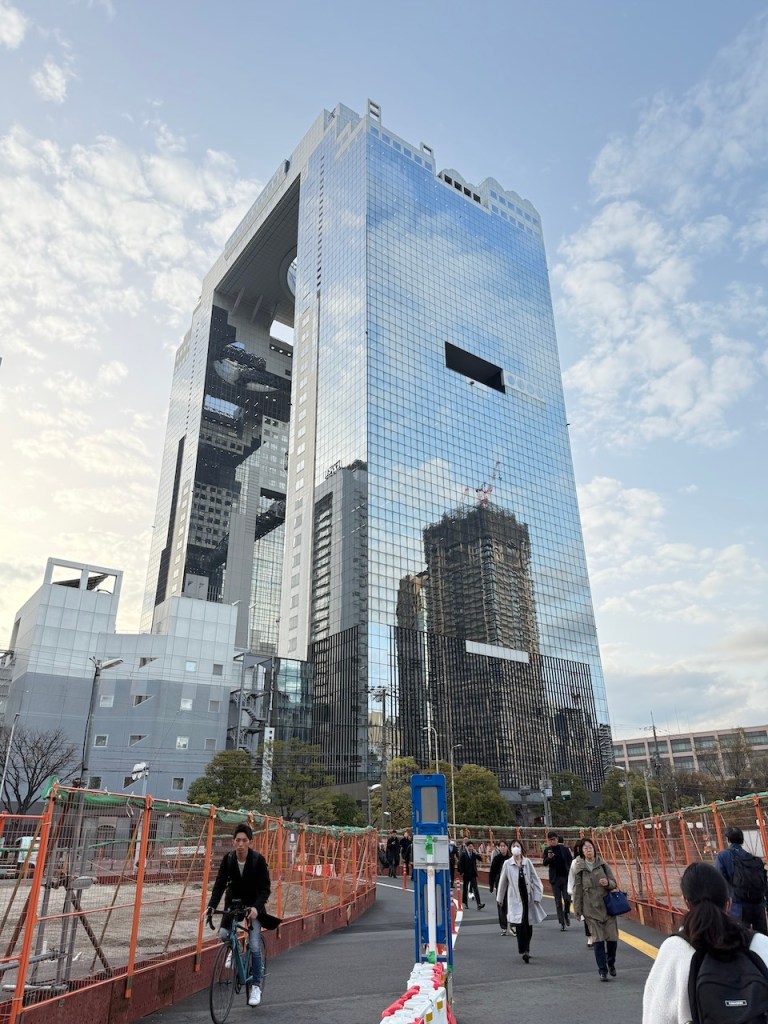
In the evening of day 7, we visited the Umeda Building, which is famous for the views of the city from the top floor.
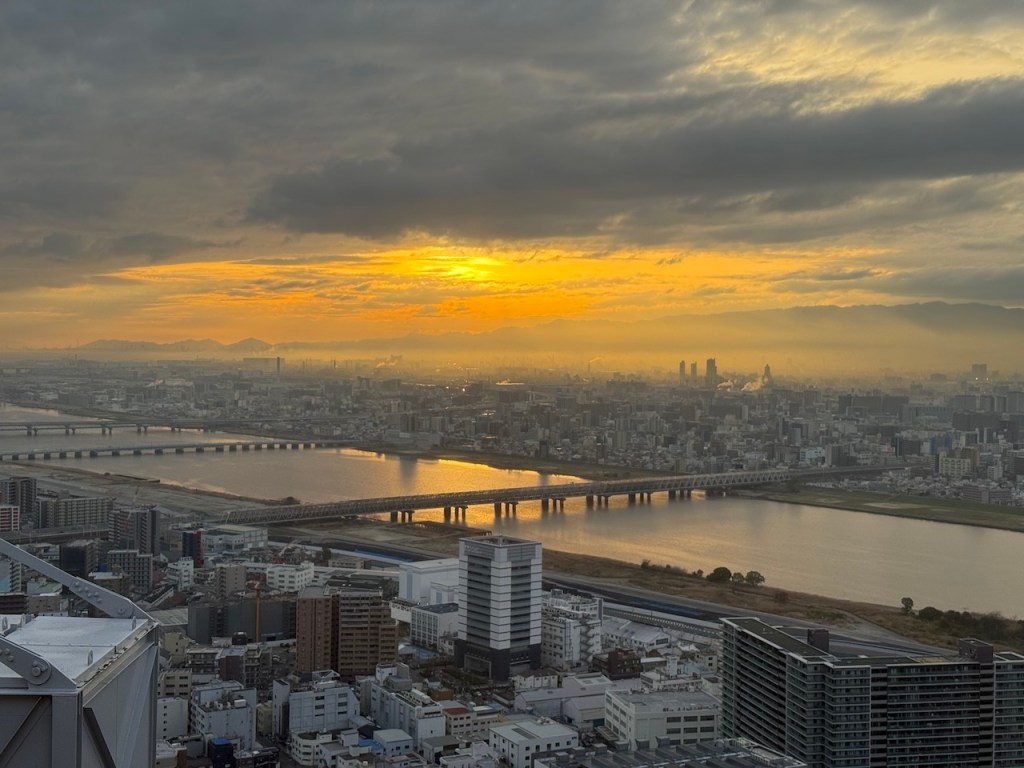
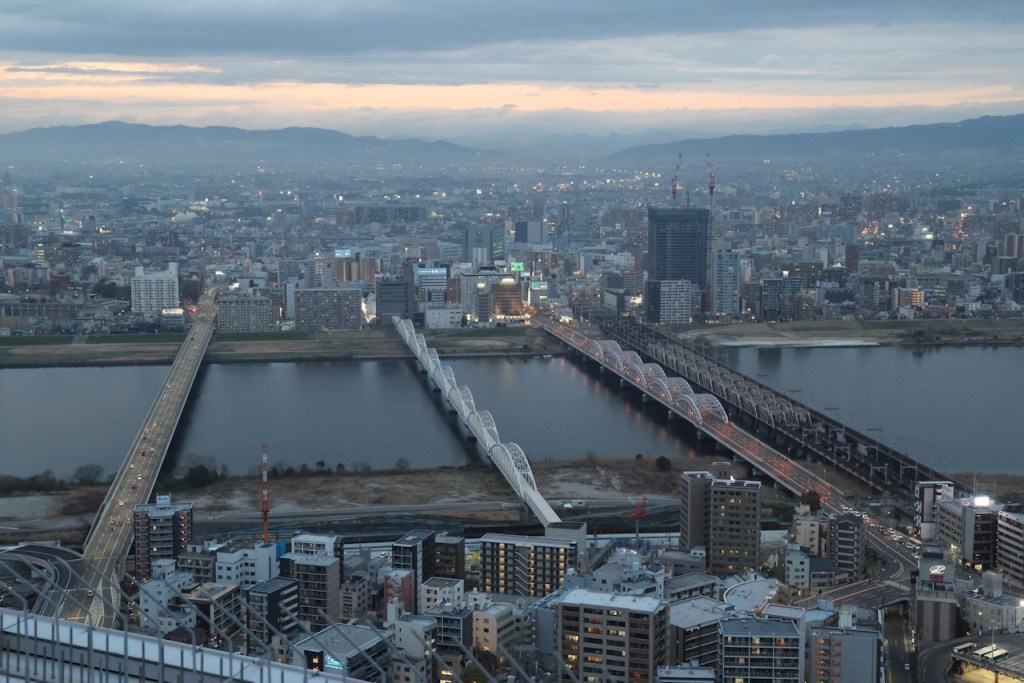
On day 8, we took the Shinkansen to Kyoto, which is a 15 minute train ride from Osaka.
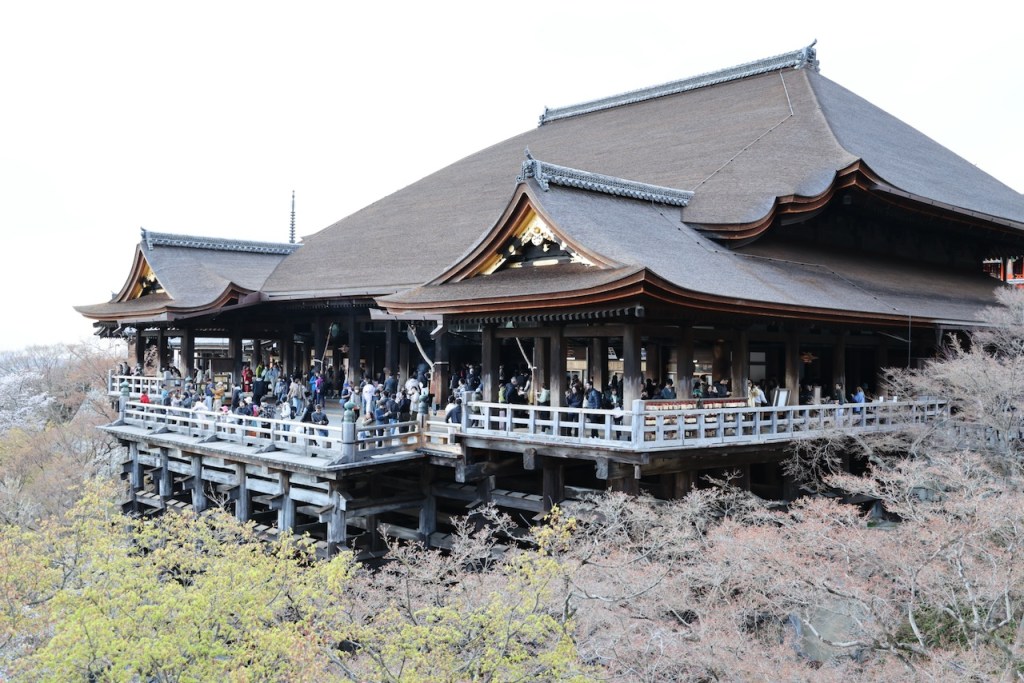
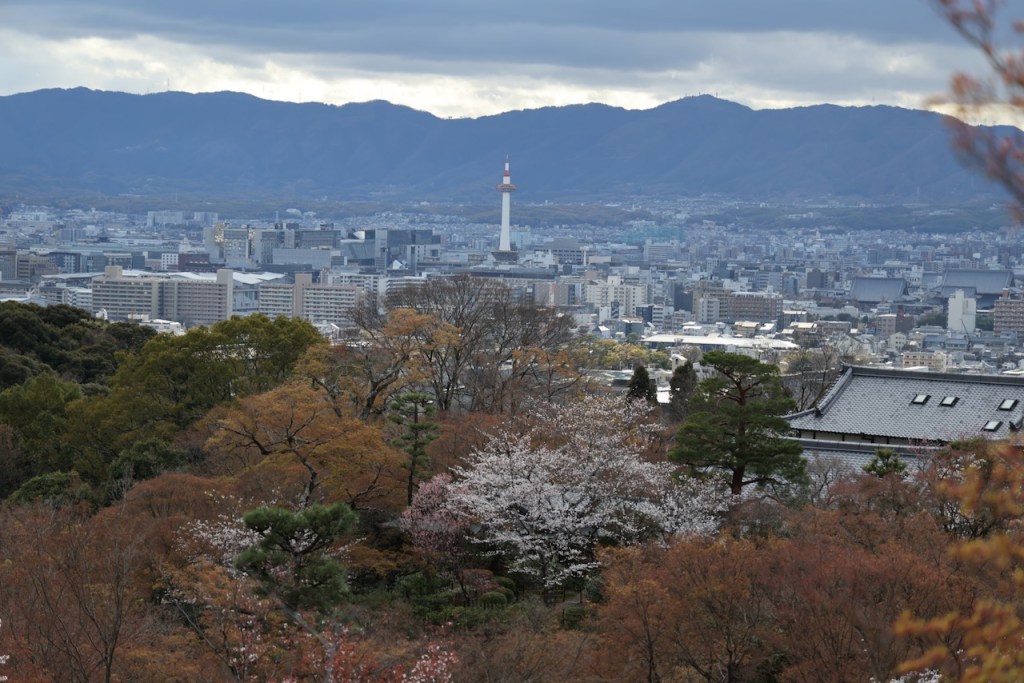
In the afternoon, we visited two famous buddhist shrines, Fushimi Inari Taisha shrine and the Kiyomizu-dera Zuigudo Temple. The views of Kyoto city from Kiyomizu-dera Zuigudo Temple were great.
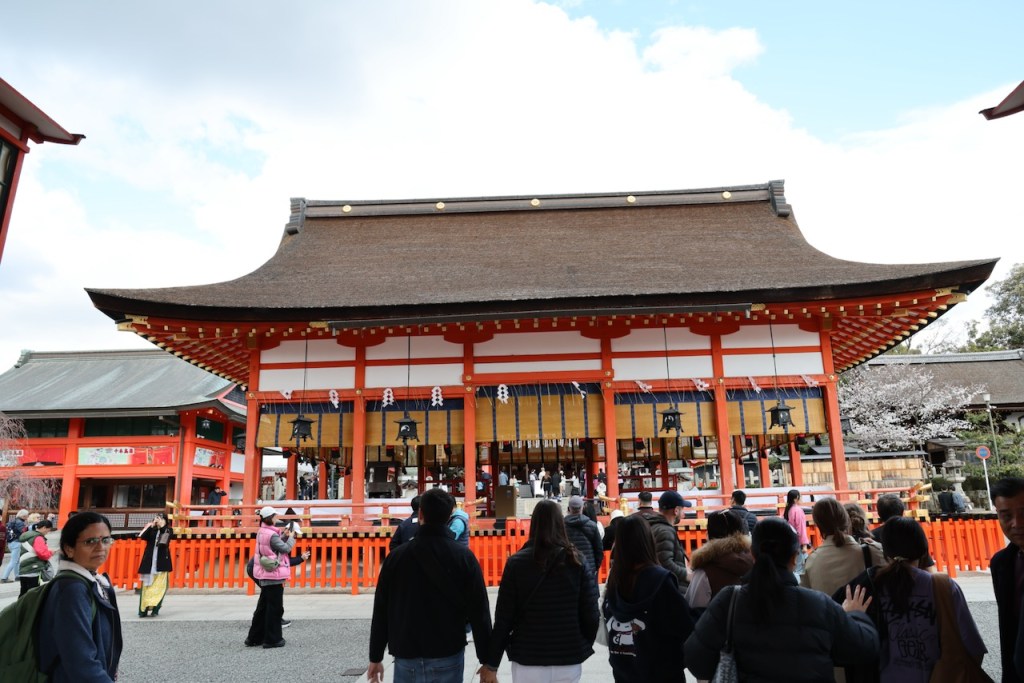
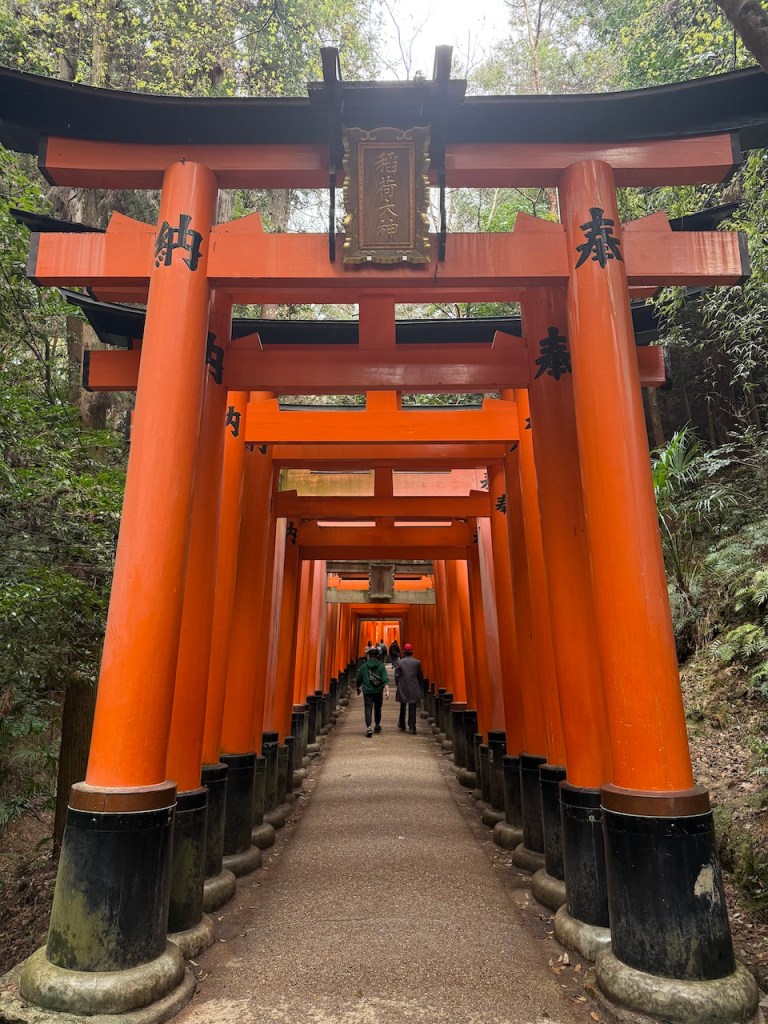
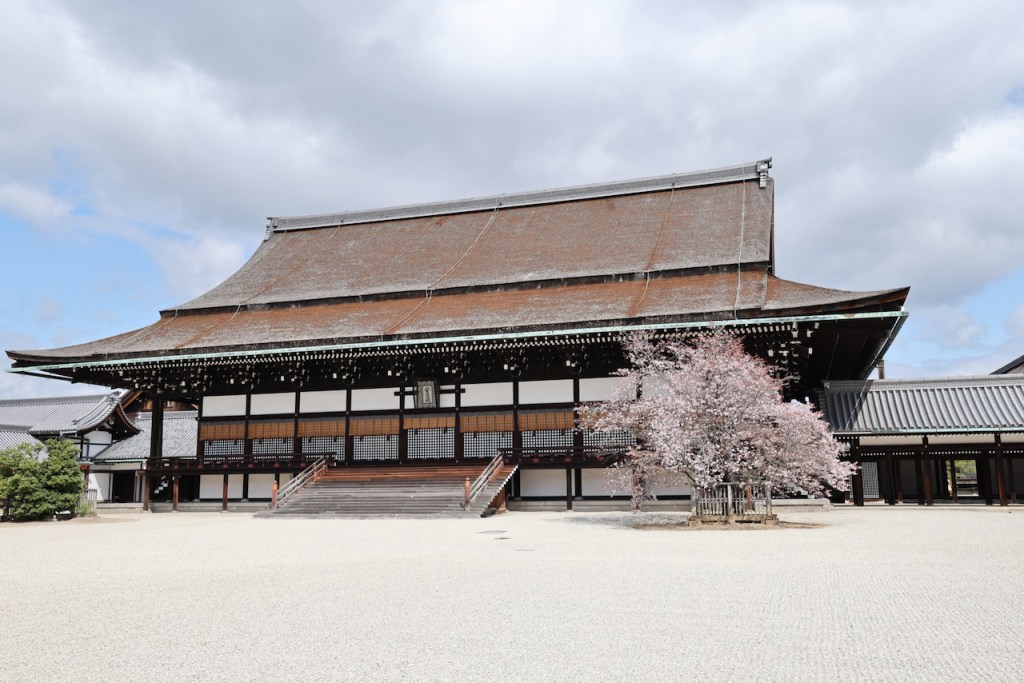
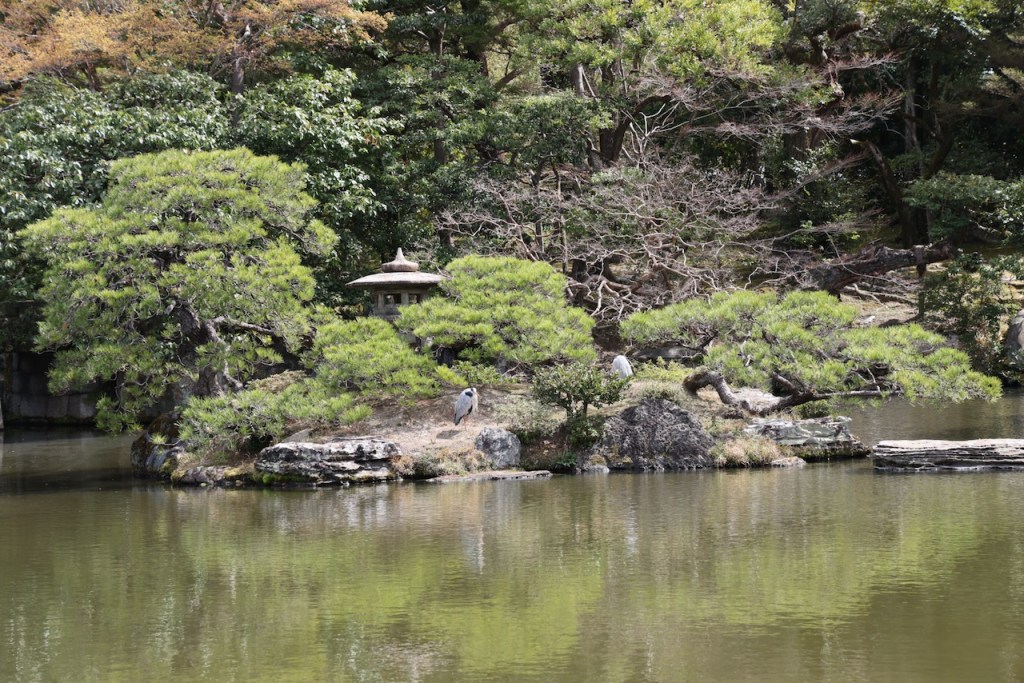
On day 9, we started with a guided tour of the Kyoto imperial palace. The guided tour was in English, and provided valuable information about the history of the palace and the rulers.
After the tour of the palace, we visited the Kinkaku-ji temple, which is plated with gold leaves and looks stunningly pretty. The history of this temple is quite interesting. It was constructed in the late 14th century.
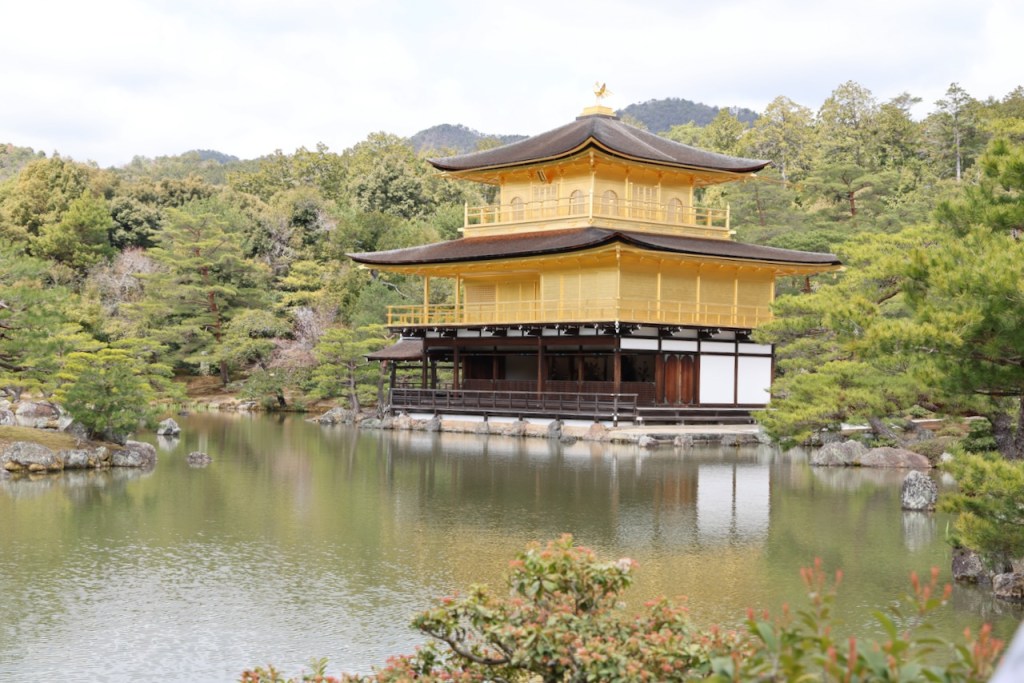
On the 9th day afternoon, we visited the Arashiyama park, which has great views the river, mountains and forests.
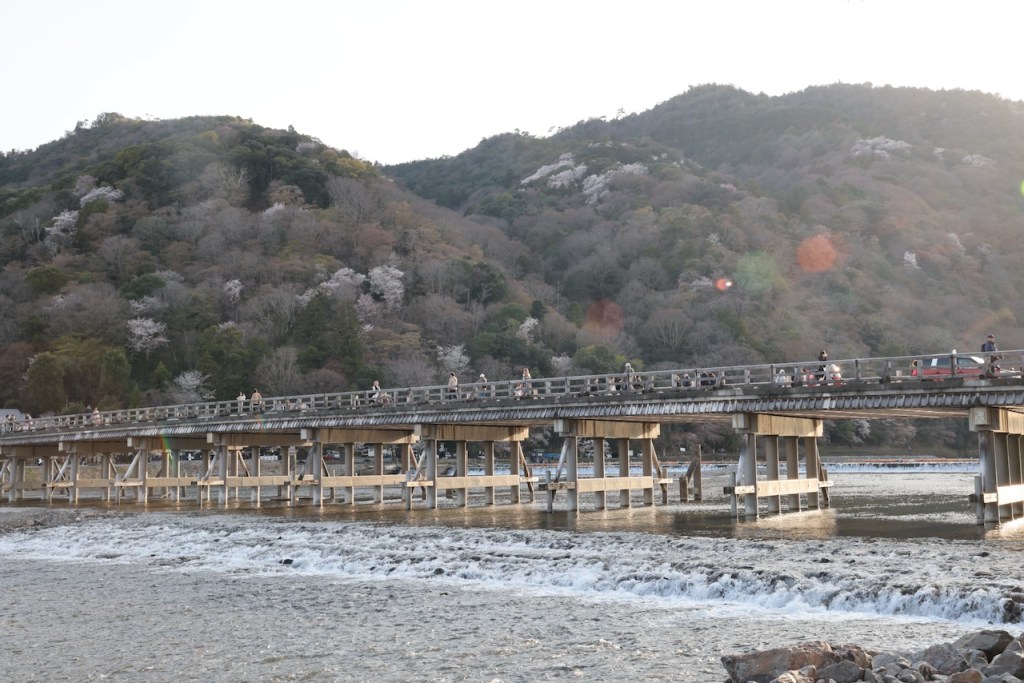
On day 10, we took the Shinkansen from Kyoto to Tokyo, from where we rented a car and drove to Mt. Fuji. We had a good sighting of Mt. Fuji from the bullet train and later from our hotel.
On day 11, we started with a visit to the Chureito Pagoda, which is on top of a hill with good views of the surrounding areas. Unfortunately the morning was cloudy and we couldn’t see Mt. Fuji from the Pagoda.
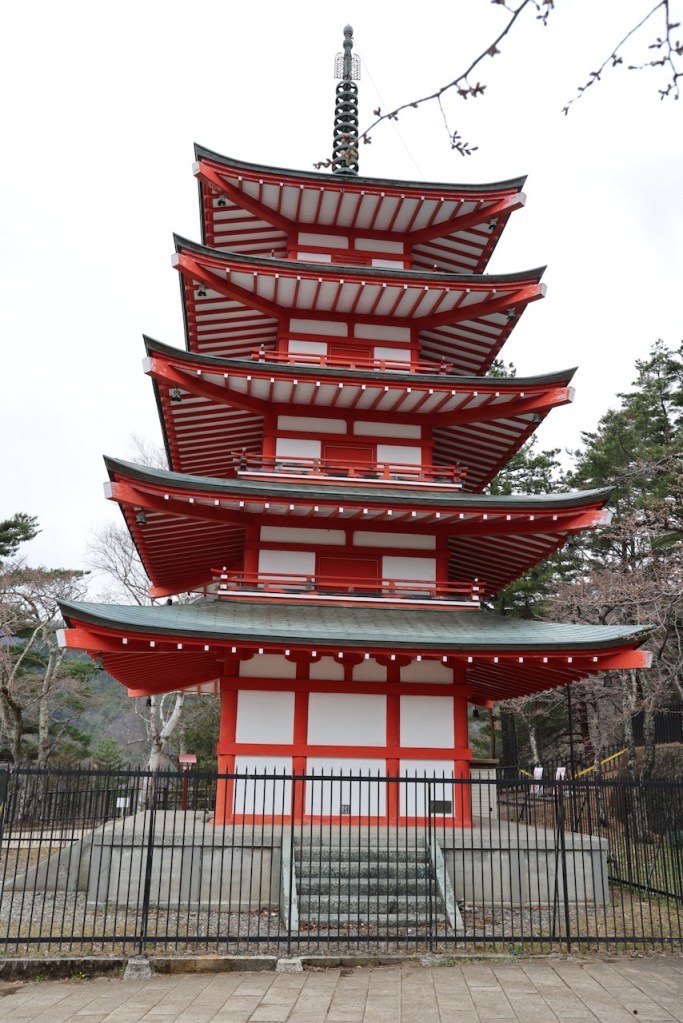
Later in the morning, we drove to Mishima Skywalk. While the views were very nice, Mt. Fuji continued to be covered in clouds.
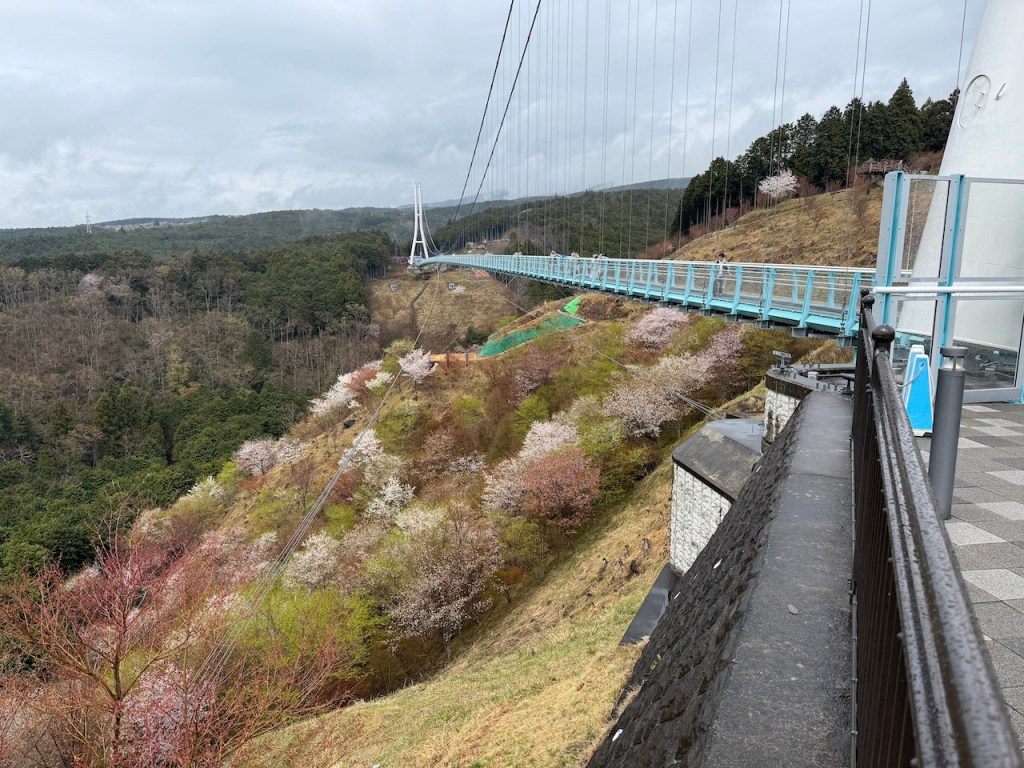
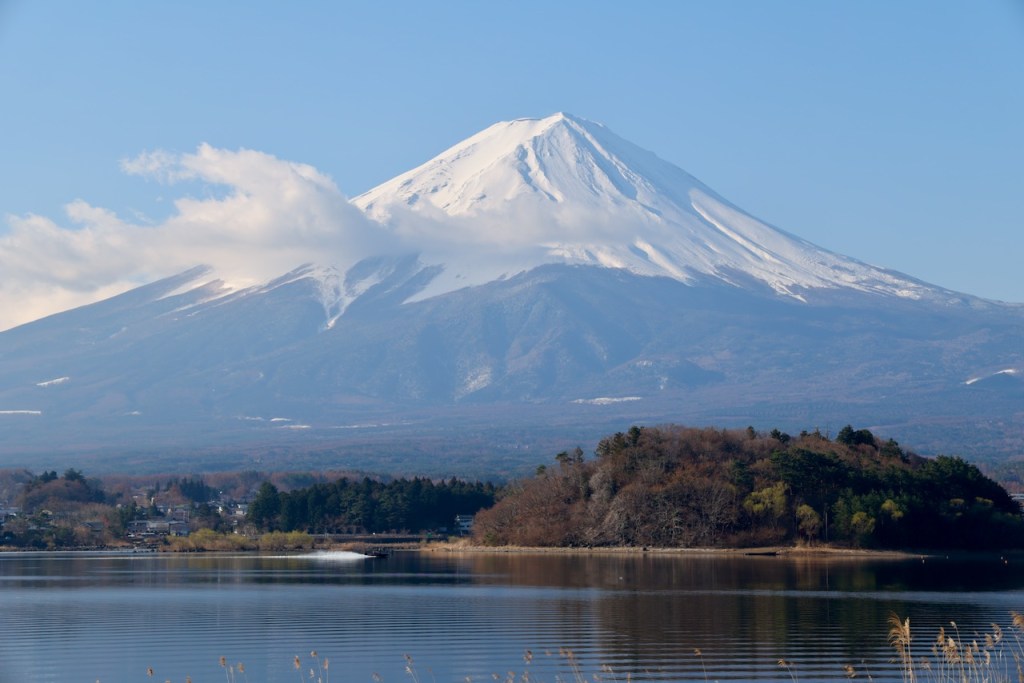
The sky cleared up in the afternoon, and we took the ropeway. From top of the ropeway, we had great views of Mt. Fuji and Lake Kawaguchi. Later in the evening, we visited Oshino Hakkai, which has very pretty lakes with nice views of Mt. Fuji.
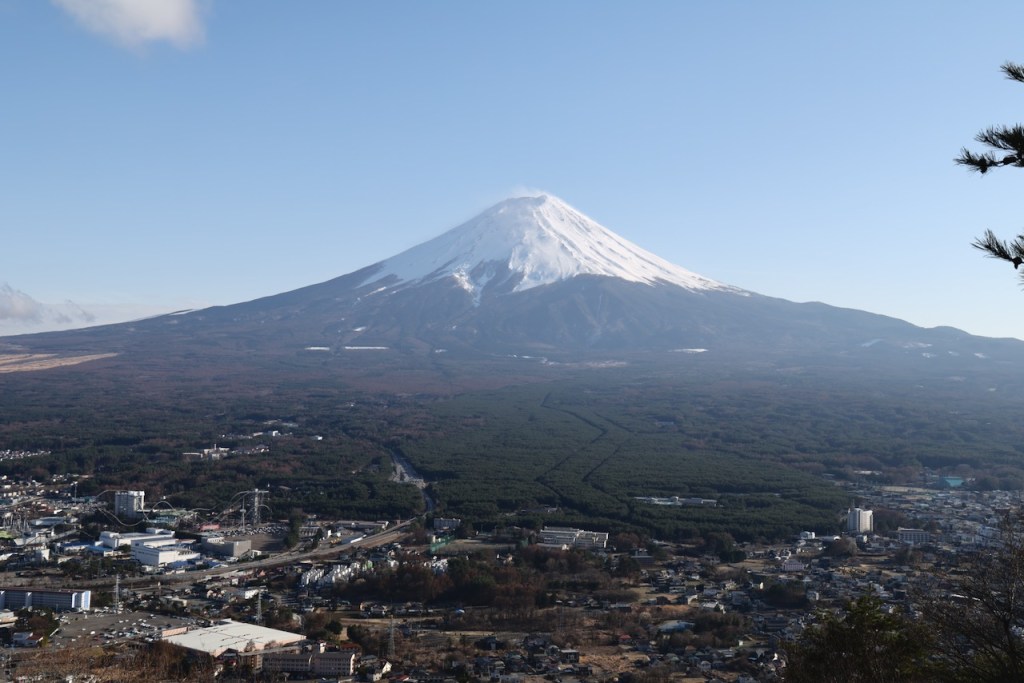
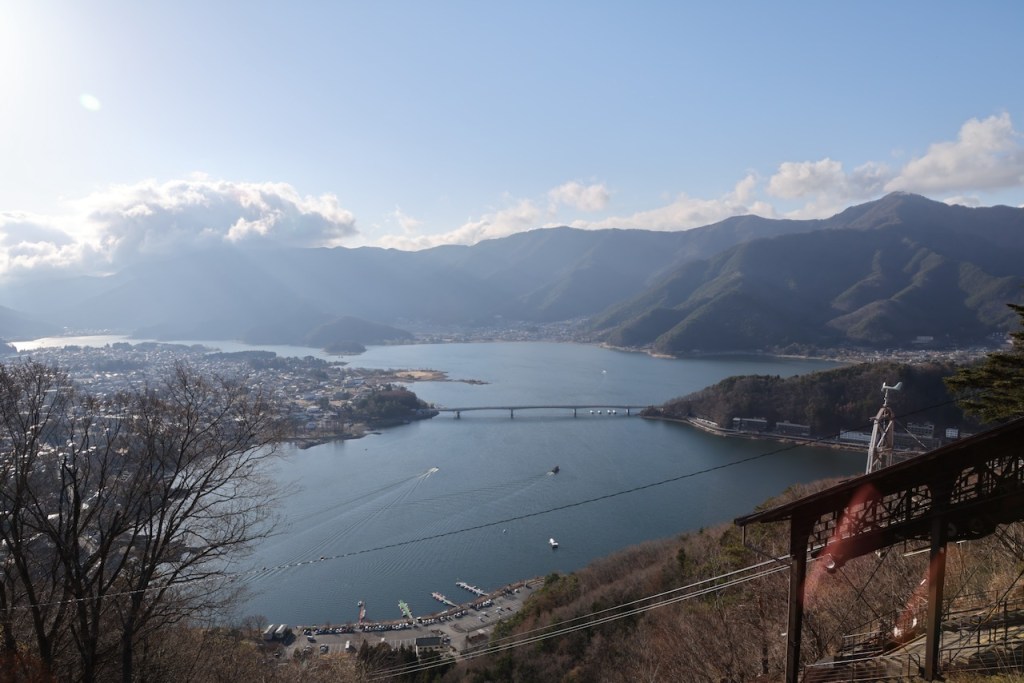
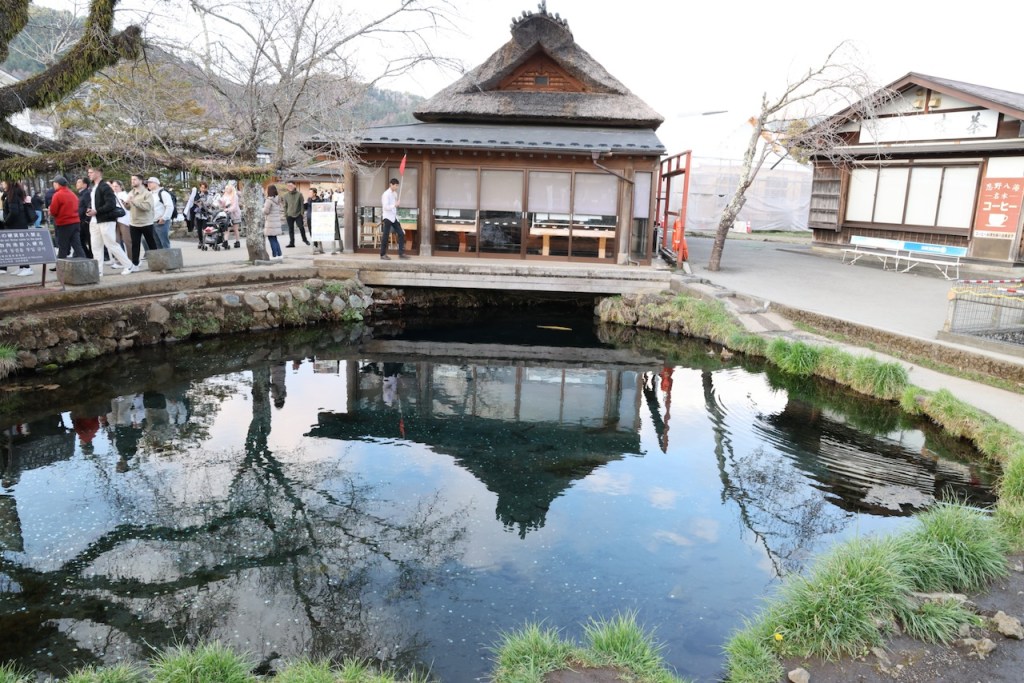
Day 12, our last day in Japan, started with amazing views of Mt. Fuji and Lake Kawaguchi from Oishi Park and also from Lake Saiko.
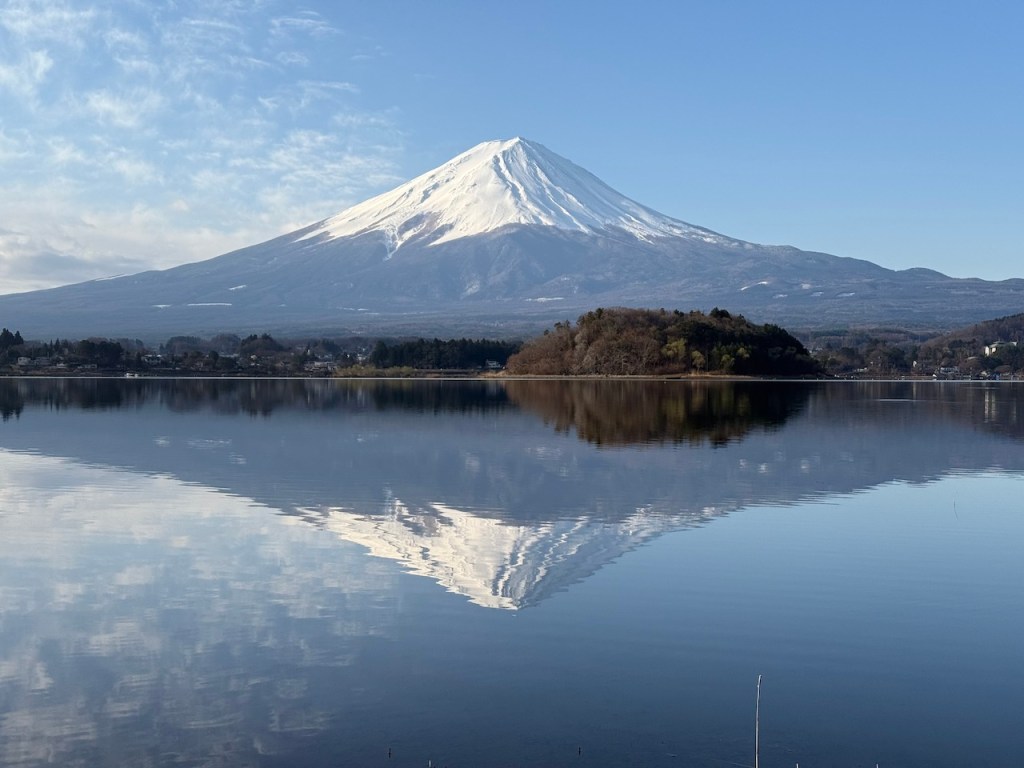
The twelve days in Japan passed super quickly, with a great immersive experience into the nature, history and culture of Japan.
 My Travels - by Sivamani