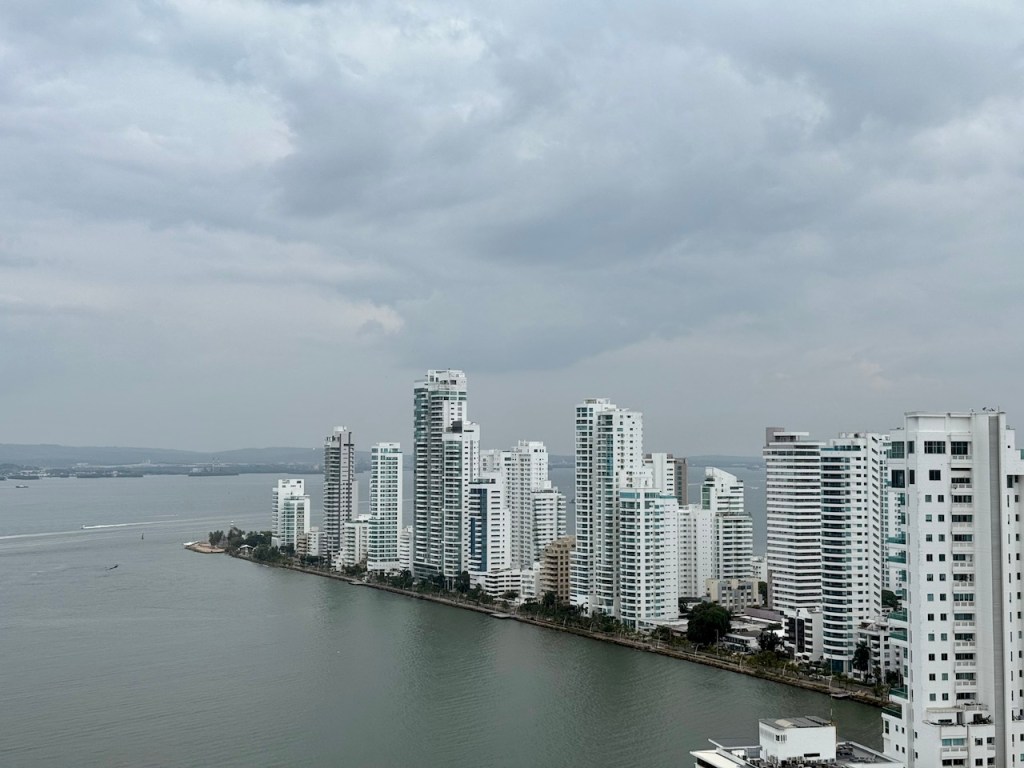
We flew from Bogota to Cartagena. We booked an apartment in Bocagrande, which is a very nice locality with pretty beaches and lovely walks. The apartment we stayed in had lovely views of the Caribbean Sea as well as the skyscrapers in Bocagrande.
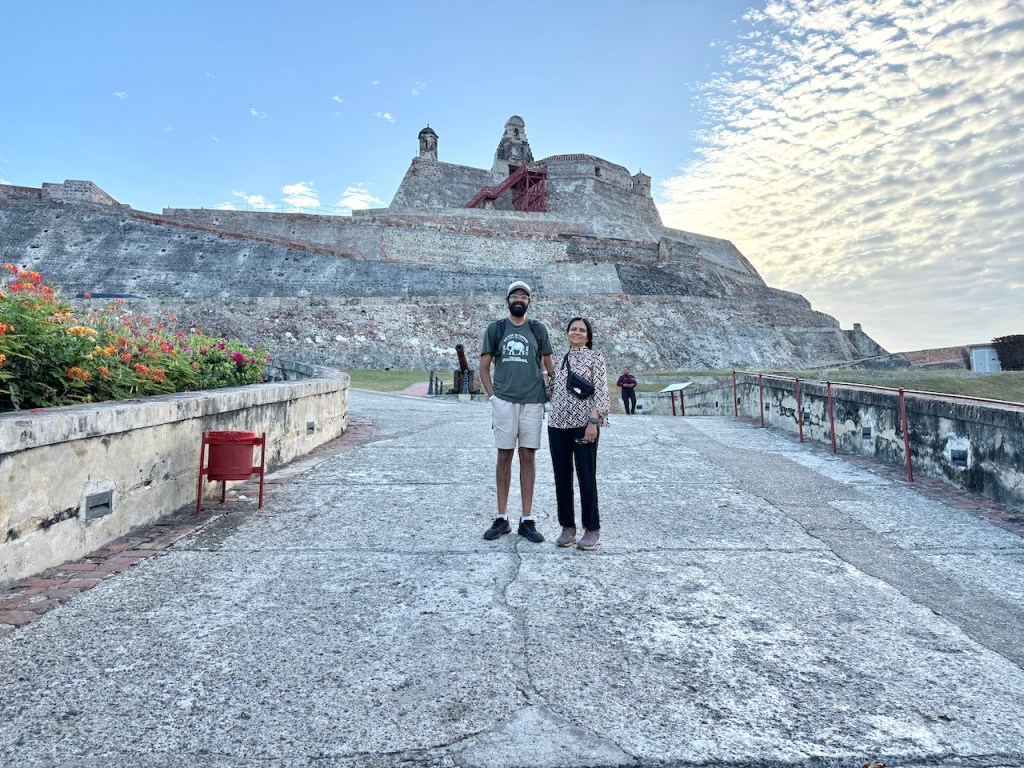
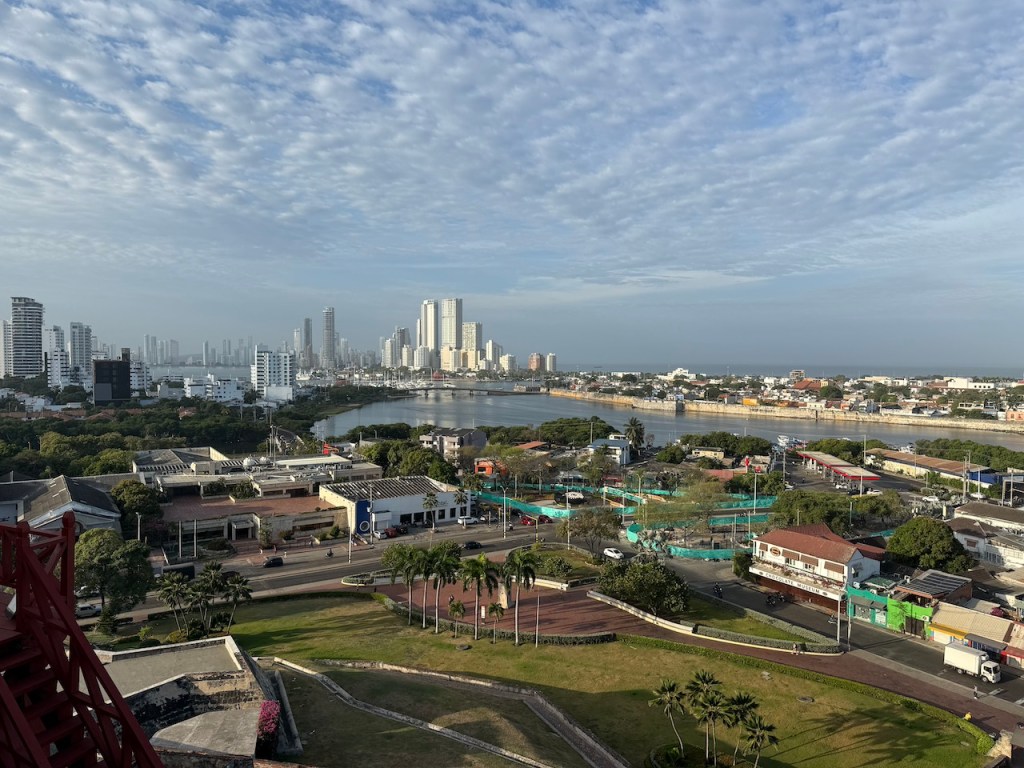
On our first morning, we first visited the Castle of San Felipe. The Castillo San Felipe de Barajas, is a massive 17th-century Spanish fortress on San Lázaro hill, designed to protect maritime trade from invaders. Constructed starting in 1657 and expanded over time, it is the largest Spanish military structure in the Americas, featuring complex underground tunnels. The fort successfully repelled numerous attacks, most notably in 1741 when Spanish forces held off a massive British fleet commanded by Edward Vernon. The views of the city and the sea were great. Walking in the tunnels was quite an experience too.
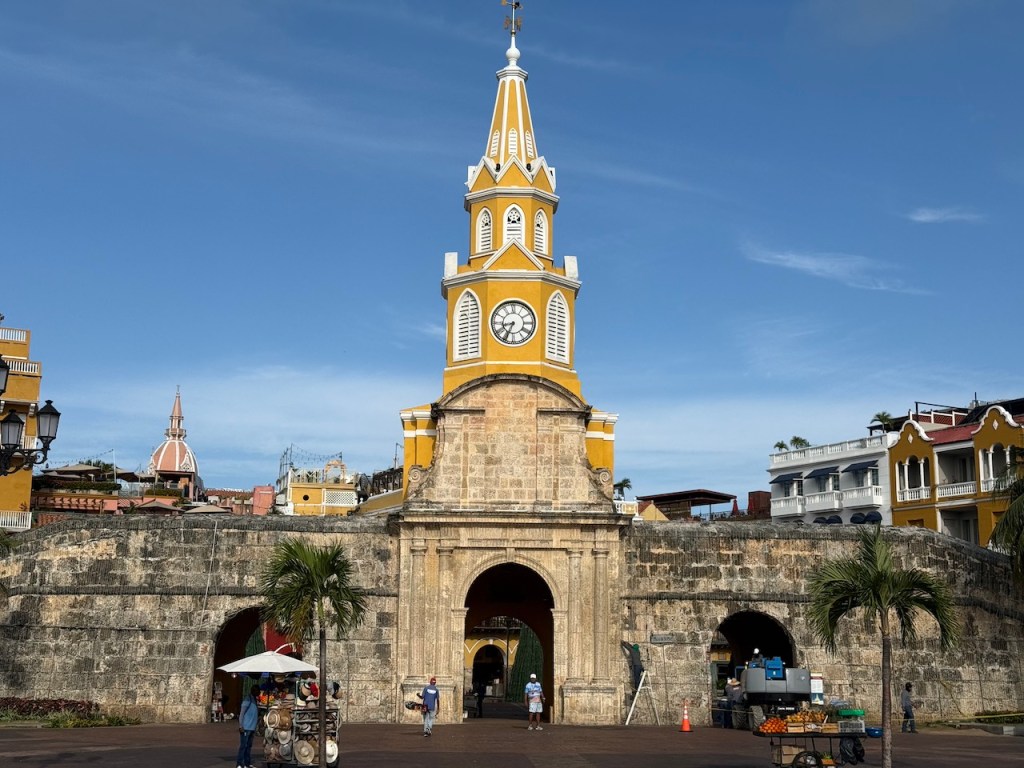
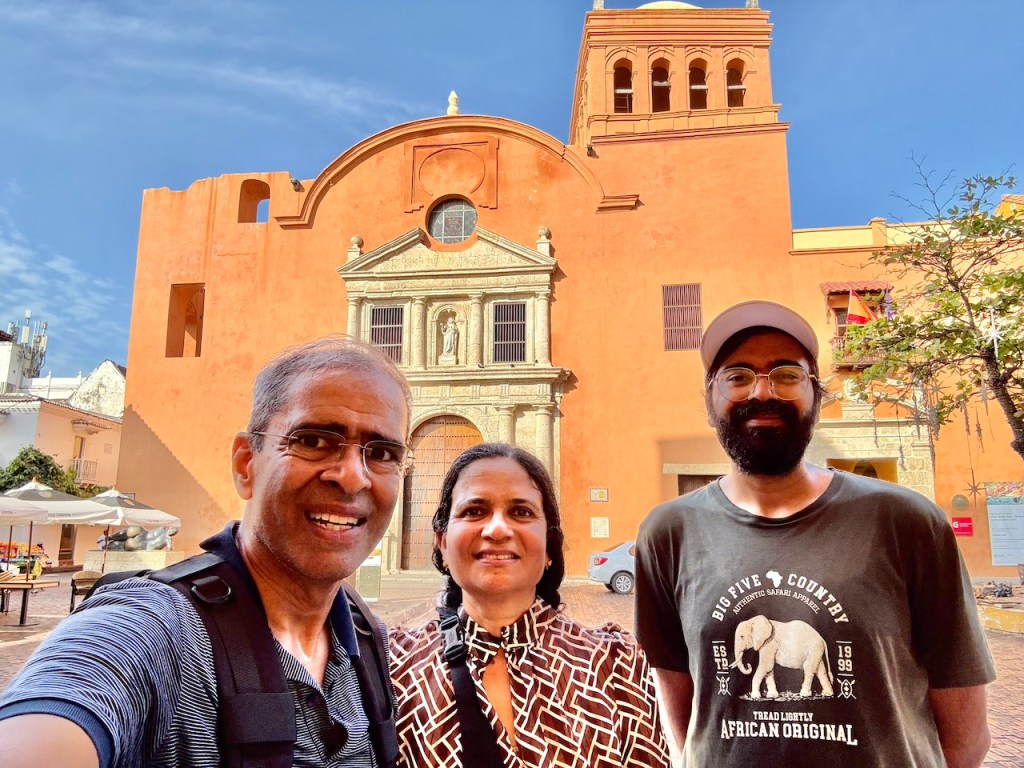
Later in the morning we visited the Clock Tower and Plaza de Santo Domingo.
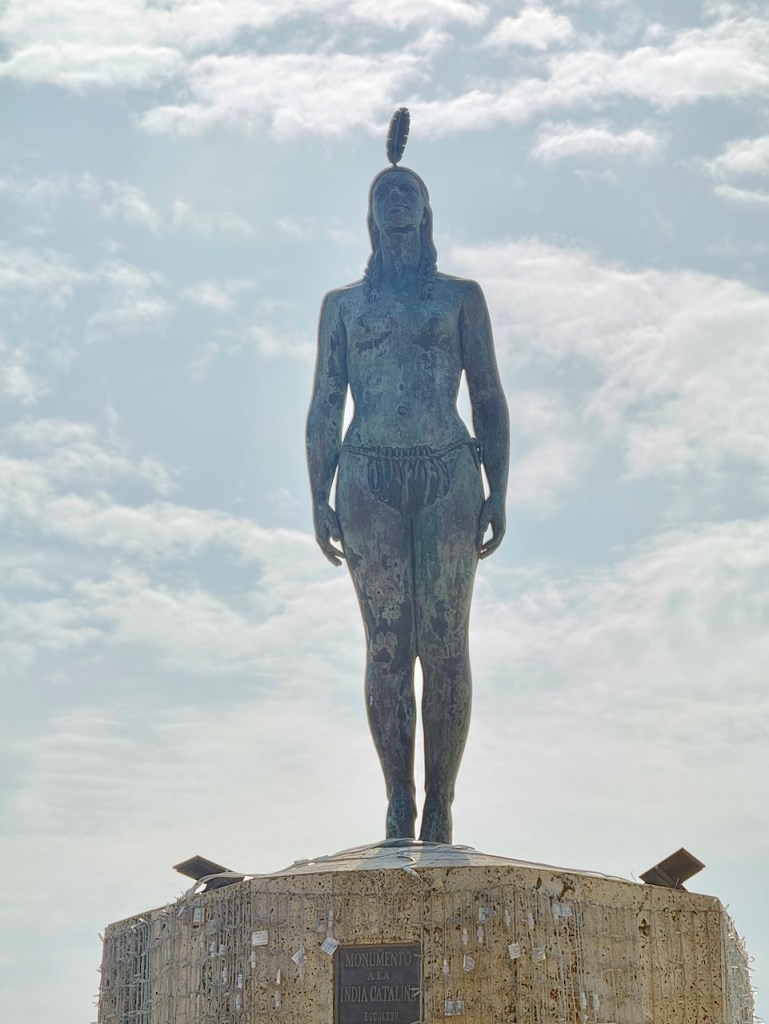
Then we took an Uber to see the statue of India Catalina monument. It’s a bronze statue created by Eladio Gil Zambrana, inaugurated in 1974 to honor the indigenous woman who served as a crucial translator for Spanish conquistador Pedro de Heredia in 1533. India Catalina (her Spanish name) was an indigenous woman from the Galerazamba region, captured around 1509 by Diego de Nicuesa. After being enslaved in Santo Domingo and learning Spanish, she was brought back in 1533 by Pedro de Heredia to act as an interpreter and mediator between the Spanish and local tribes. India Catalina is honored for her role as a bridge between cultures and in attempting to reduce bloodshed.
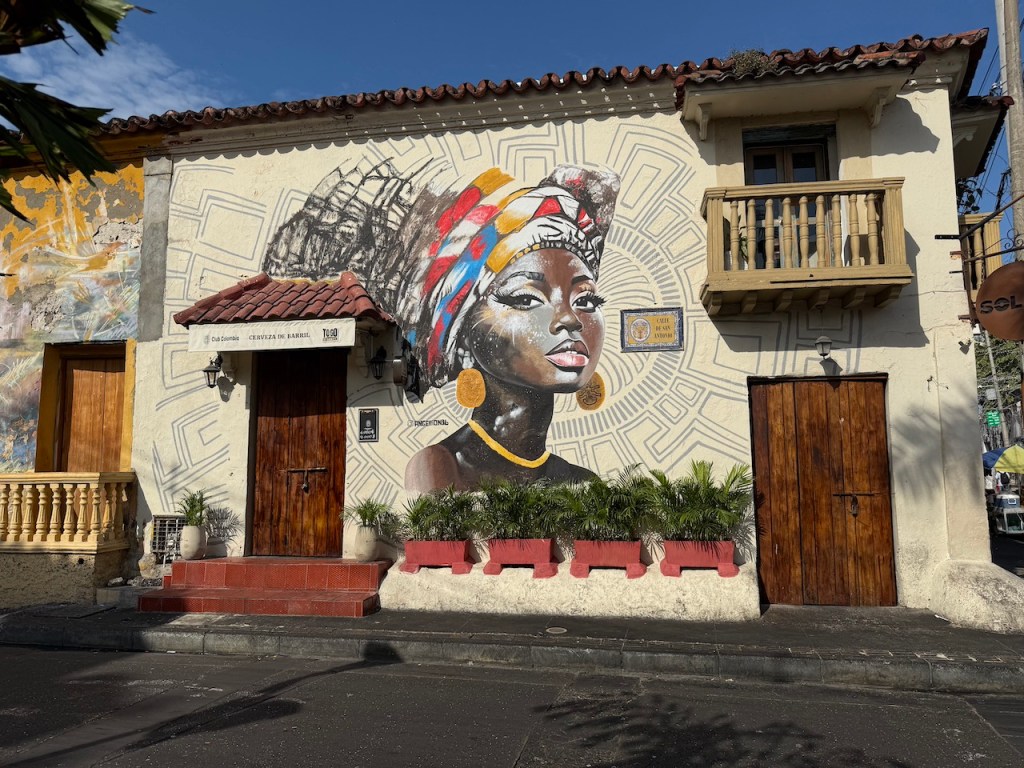
We saw some pretty Murals in the Plaza de la Trinidad.
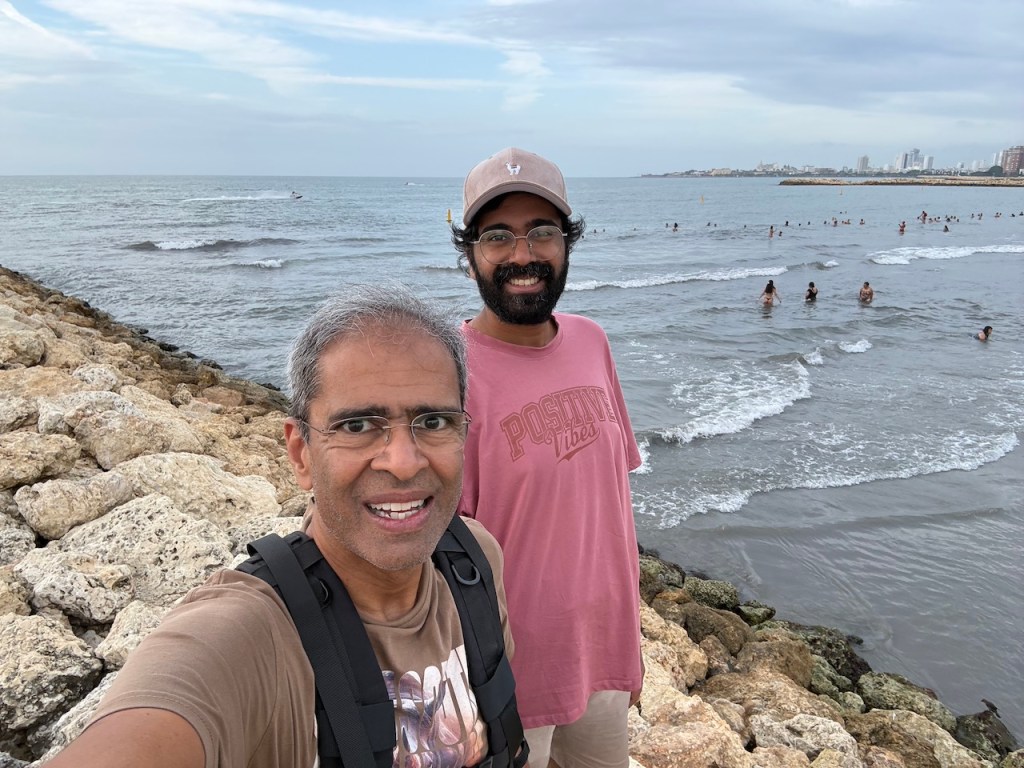
In the evening we explored the pretty beaches on Bocagrande.
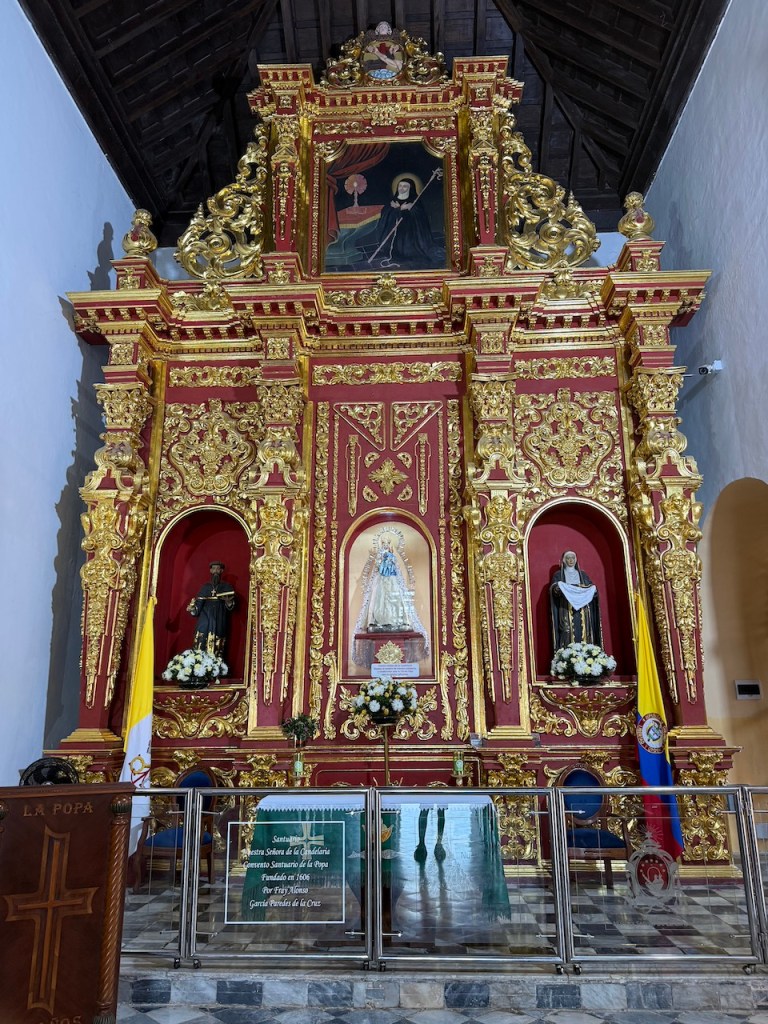
The second morning we took an Uber to visit the Convent of Santa Cruz de la Popa. The Convent of Santa Cruz de la Popa, founded in 1607 on Cartagena’s highest hill by Augustinian friar Alonso de la Cruz Paredes, is a historic, fort-like monastery known for its stunning city views and the Virgen de la Candelaria. Originally a wooden chapel, it replaced a pagan shrine, becoming a vital military and religious site. There were a lot of eagles, vultures, iguanas and even some Pelicans flying around the hill. One of the top attractions in Cartagena (entrance fees to be paid only in cash).
Our next visit was to the Fortress of Cartagena. The Murallas de Cartagena are a massive 11-kilometer stone fortification system in Colombia, built between 1586 and 1796 to protect the Spanish port city from pirates, thieves, and foreign invaders. Designed by engineers like Bautista Antonelli, these UNESCO-listed walls and bastions are the most comprehensive in South America.
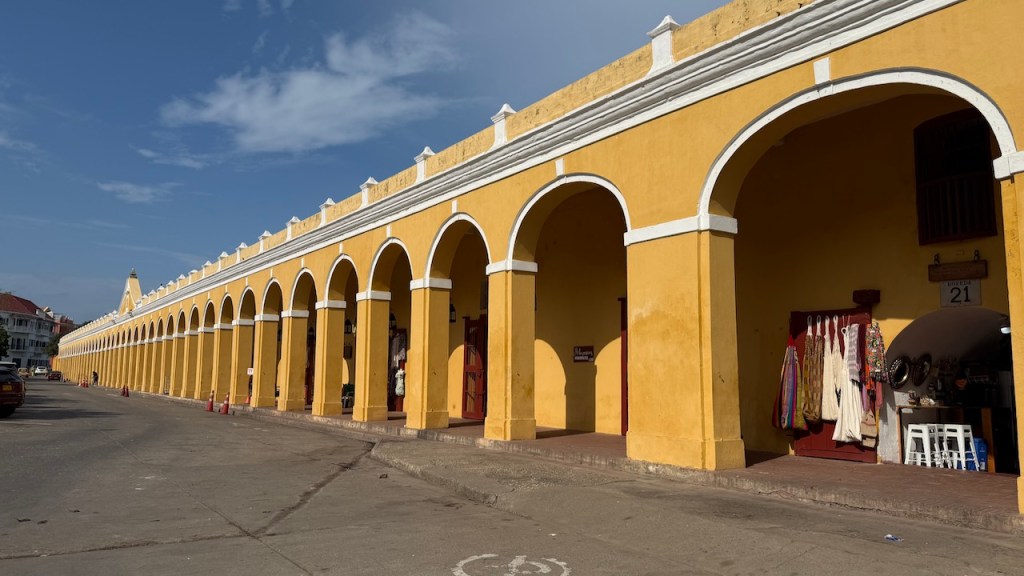
Next to the Fortress are “Las Bóvedas in Cartagena” a historic complex of 23 rooms and 47 arches built between 1792 and 1798 by a Spanish engineer. Originally constructed as a military storage, arsenal, and barracks within the walled city, they later served as dungeons during the independence wars. Today, they are a vibrant artisan market.
We spend the evening walking along the sea in Bocagrande.
Overall the trip to Cartagena was a good experience.
 My Travels - by Sivamani