From Mexico City we flew to Cancun. We spend 5 days on the east coast of Mexico. We hired a car at Cancun Airport and drove to Chichen Itza.
Chichen Itza was a premier Maya city-state in Mexico’s Yucatán Peninsula that flourished from roughly 600 to 1200 AD. Acting as a major political, economic, and religious hub, it saw a unique fusion of Maya and Toltec cultures, reaching its zenith in the 11th century before declining around 1450. The city began around 435–455 AD, gaining power due to its location near cenotes (natural sinkholes used for water and rituals). Early construction, known as “Chichen Viejo,” showed strong Puuc Maya styles. The city expanded, featuring iconic structures like El Castillo (Temple of Kukulcán) and the Great Ball Court. It became a cosmopolitan center, likely influenced by the arrival of Toltec warriors from Central Mexico, which introduced new architectural styles and intensified ritual practices.
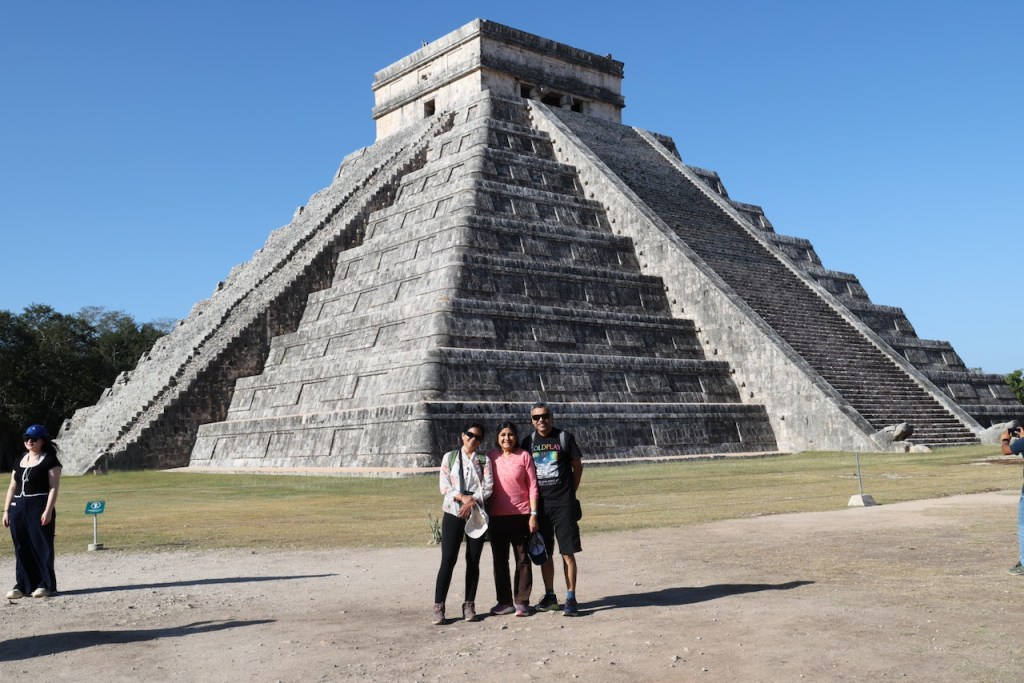
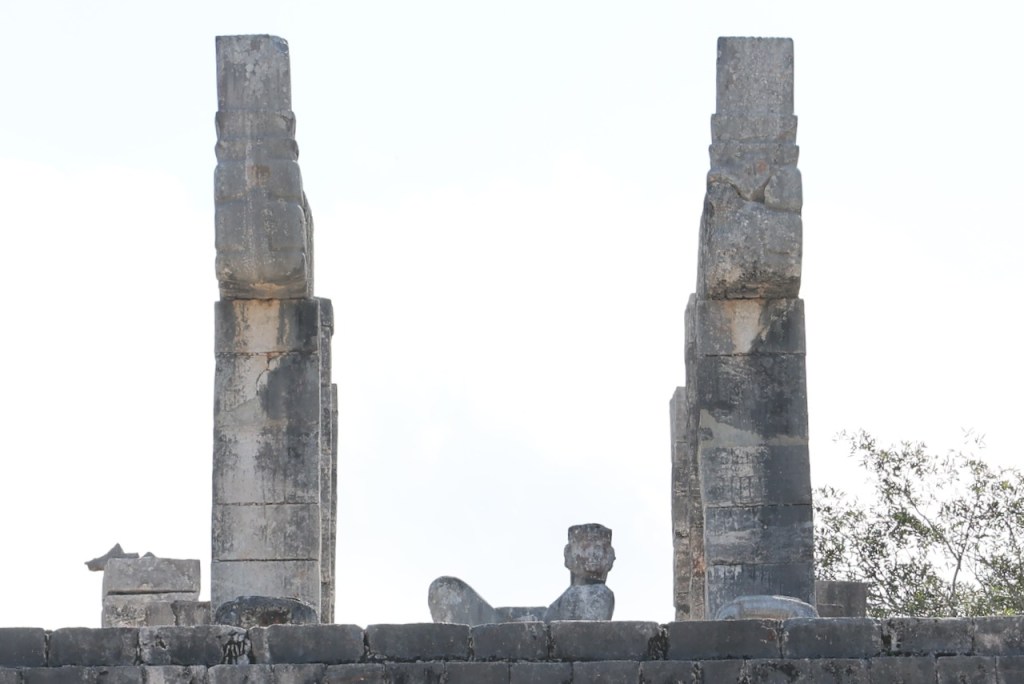
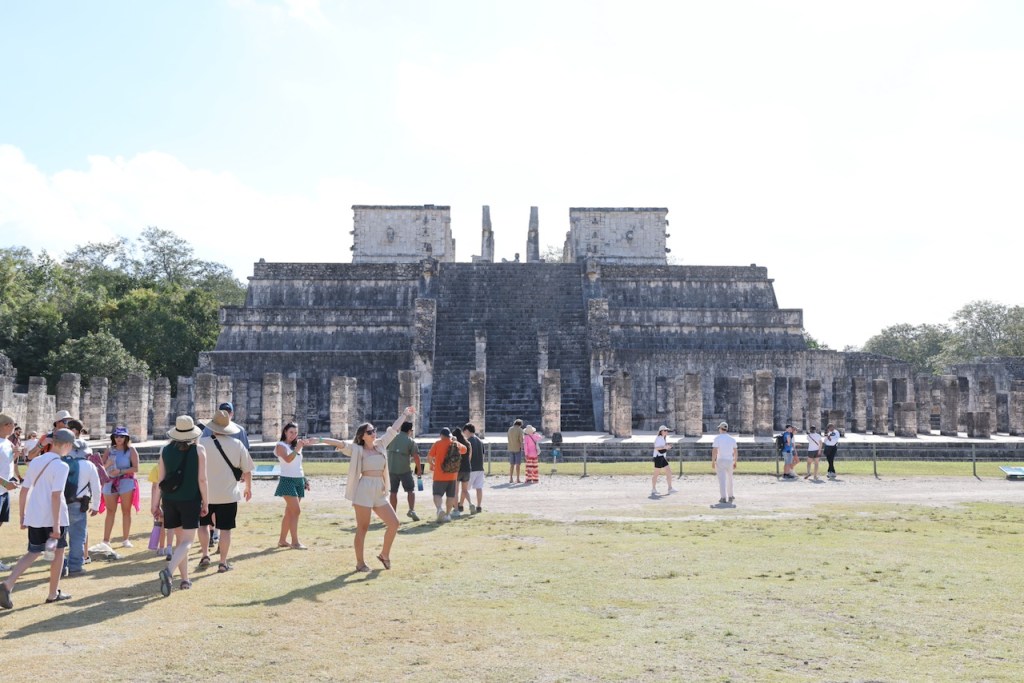
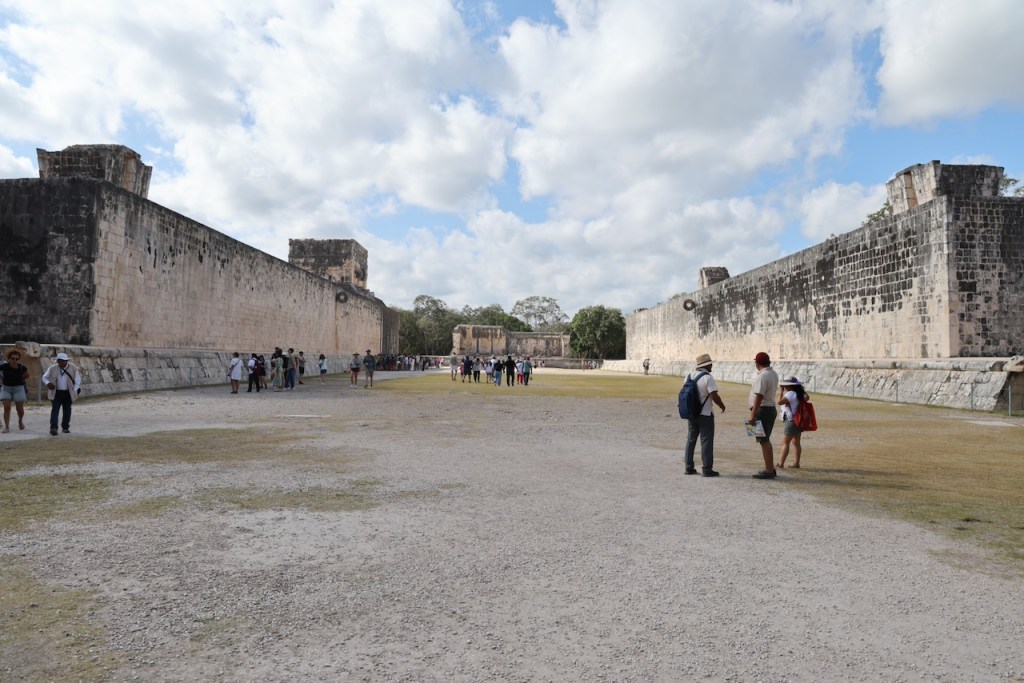
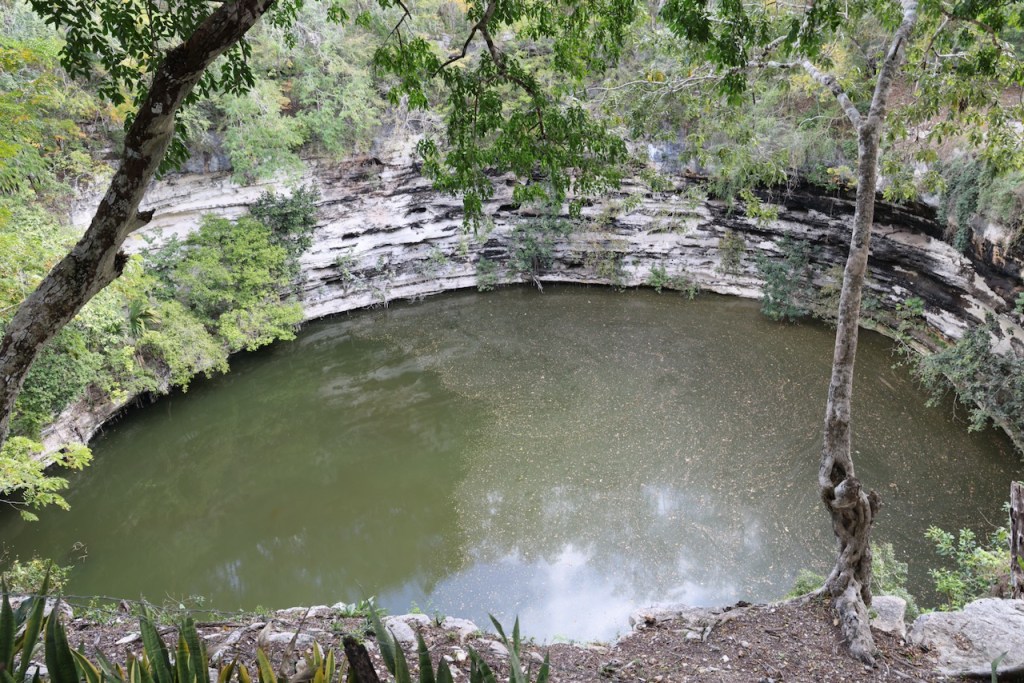
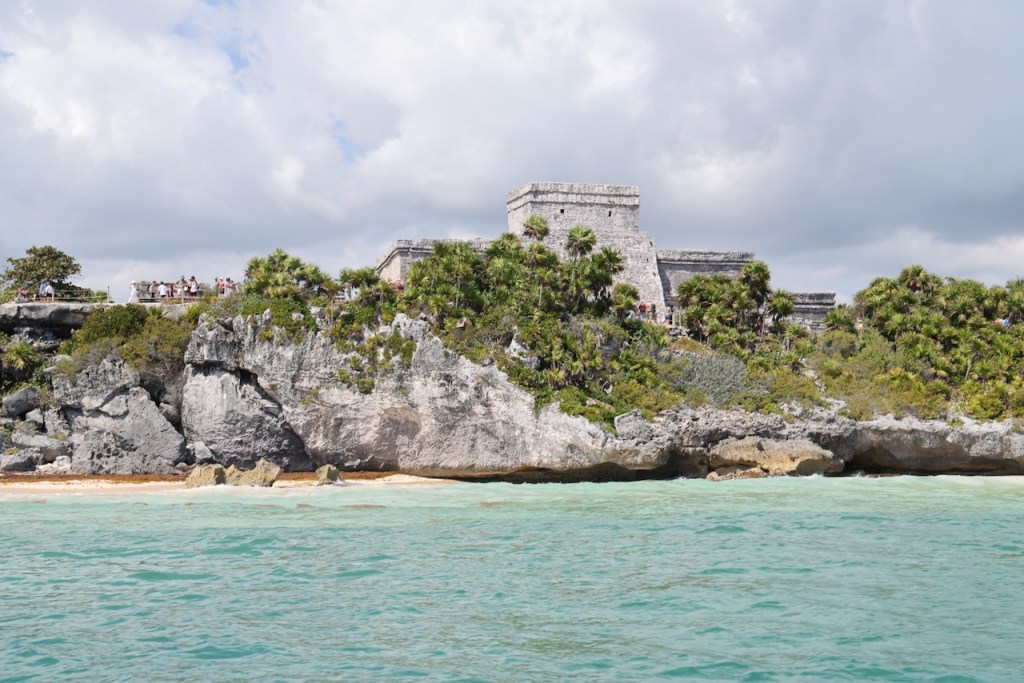
From Chichen Itza we drove to Playa del Carmen, which is about halfway between Cancun and Tulum. On our second day, we drove to Tulum and visited the Ruins. Tulum was a prominent Mayan port city on the Yucatán Peninsula, thriving between the 13th and 15th centuries as a crucial coastal trading hub for jade, turquoise, and honey. Perched on 12-meter cliffs, it is the only Mayan settlement built directly on the Caribbean coast, serving both religious, defensive, and navigational purposes.
The ruins include El Castillo (The Castle), a prominent pyramid, and the Temple of the Frescoes, which was used for tracking the sun and conducting rituals.
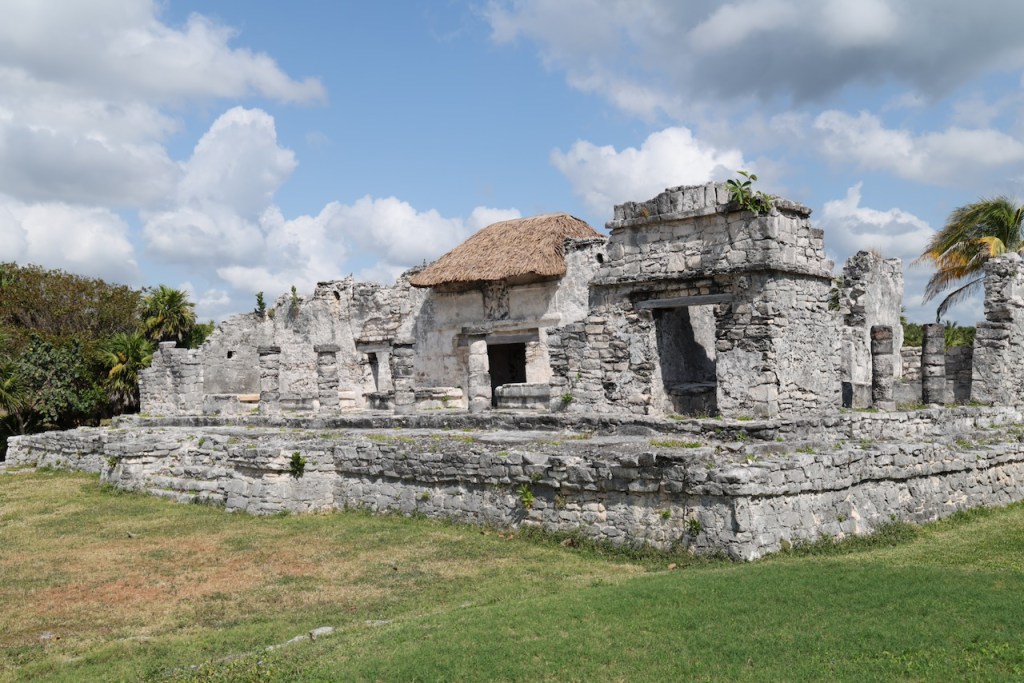
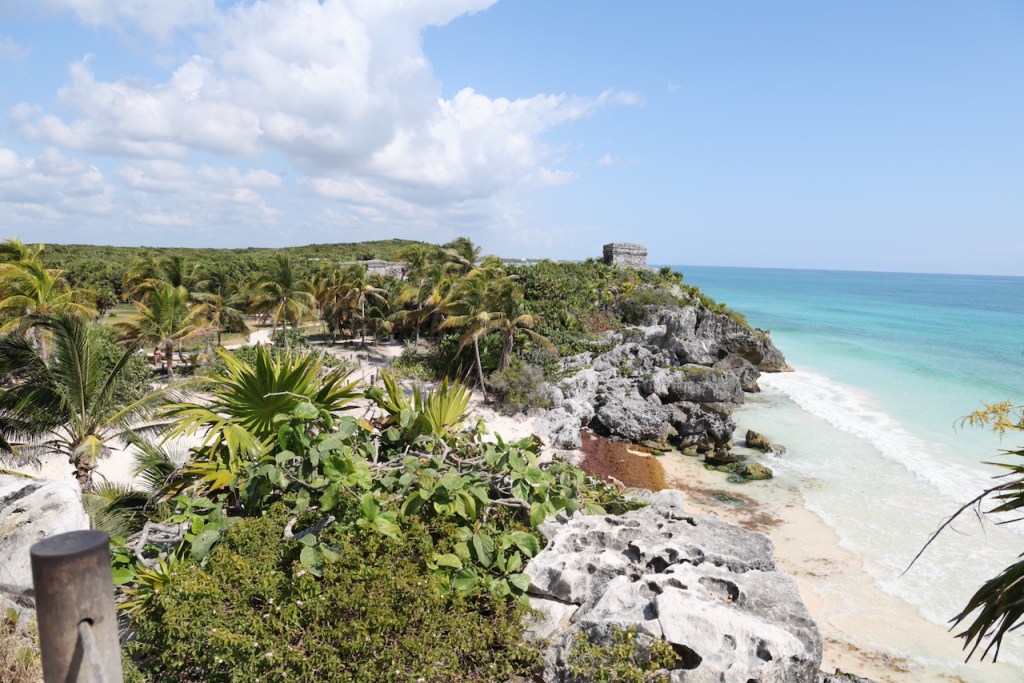
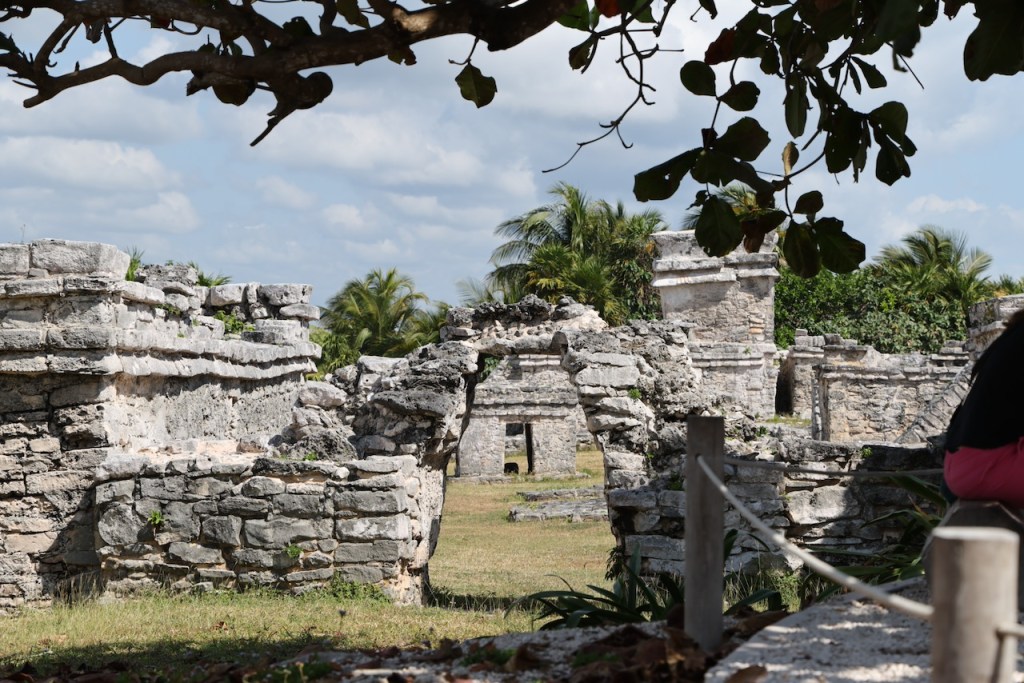
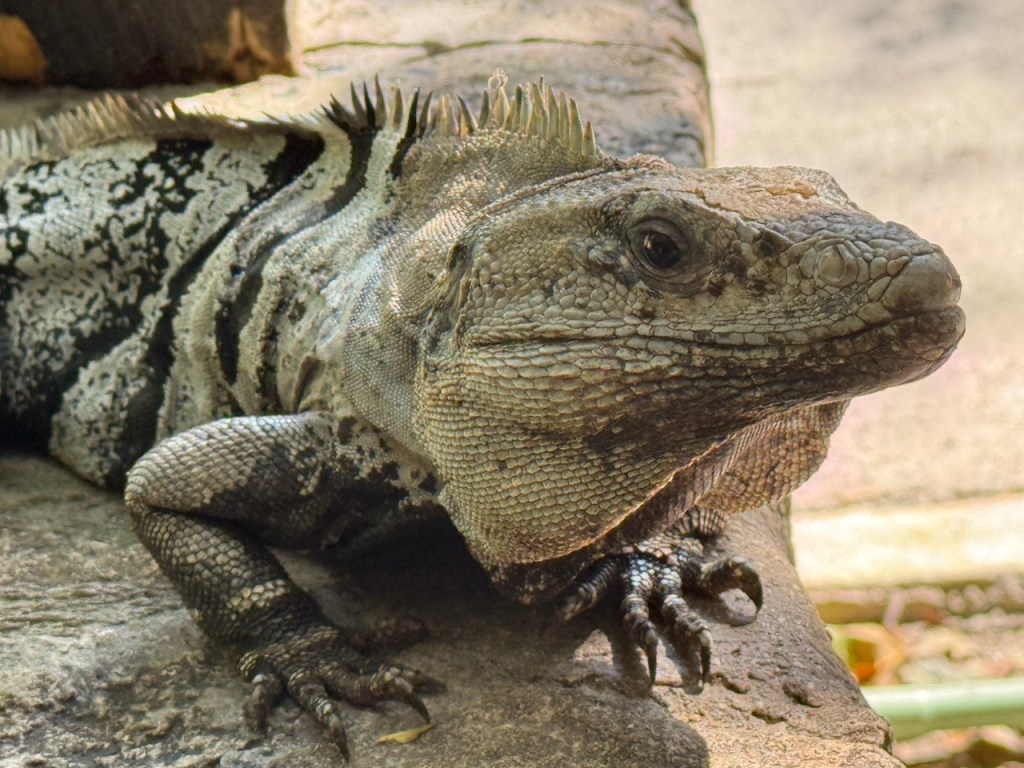
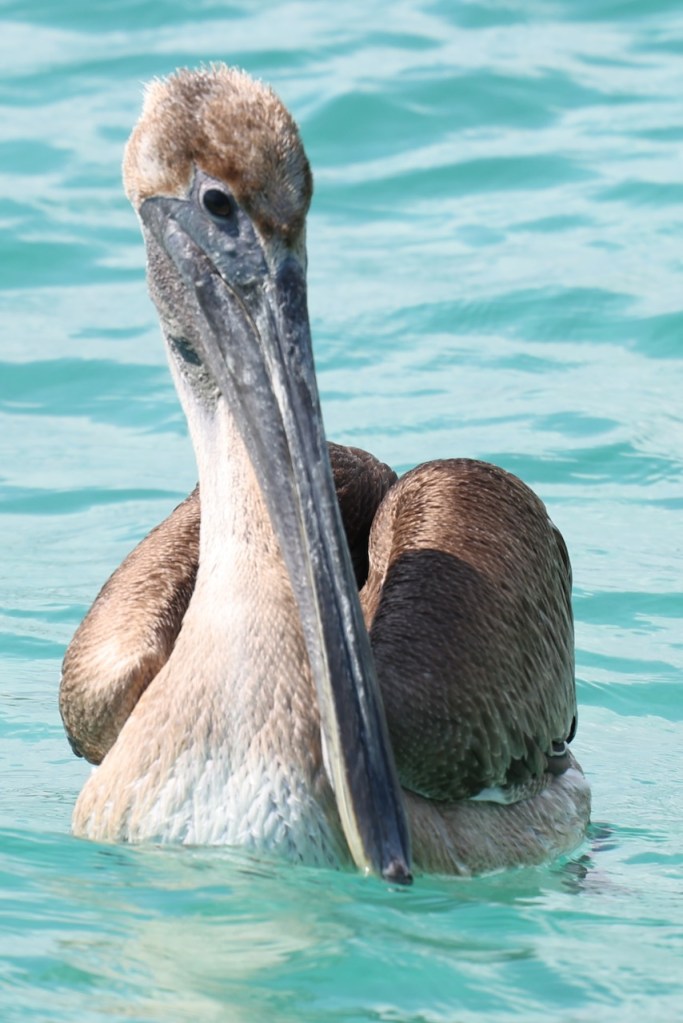
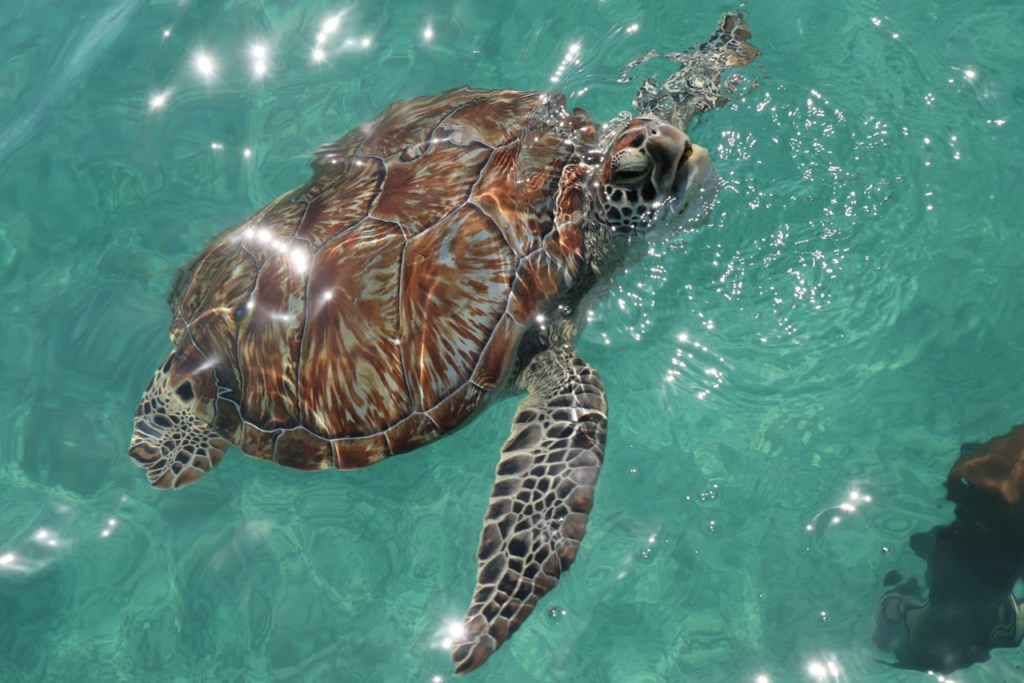
After a guided tour of the Ruins, we took a boat ride from the Santa Fe beach. We had good sightings of the Castle, and also saw Turtles, Pelicans, Monterey etc.
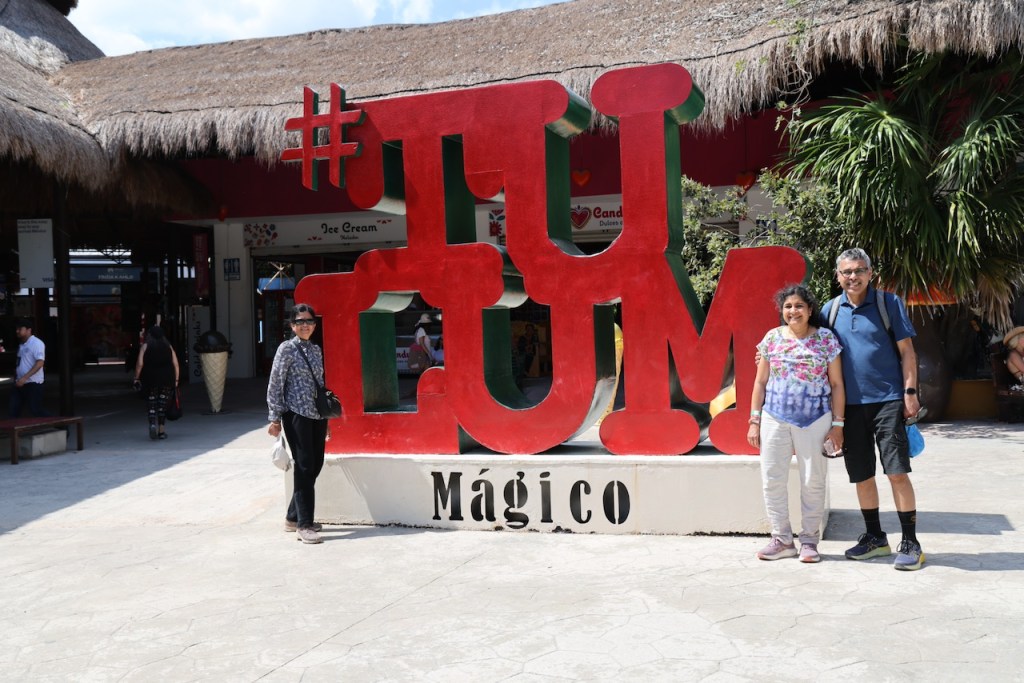
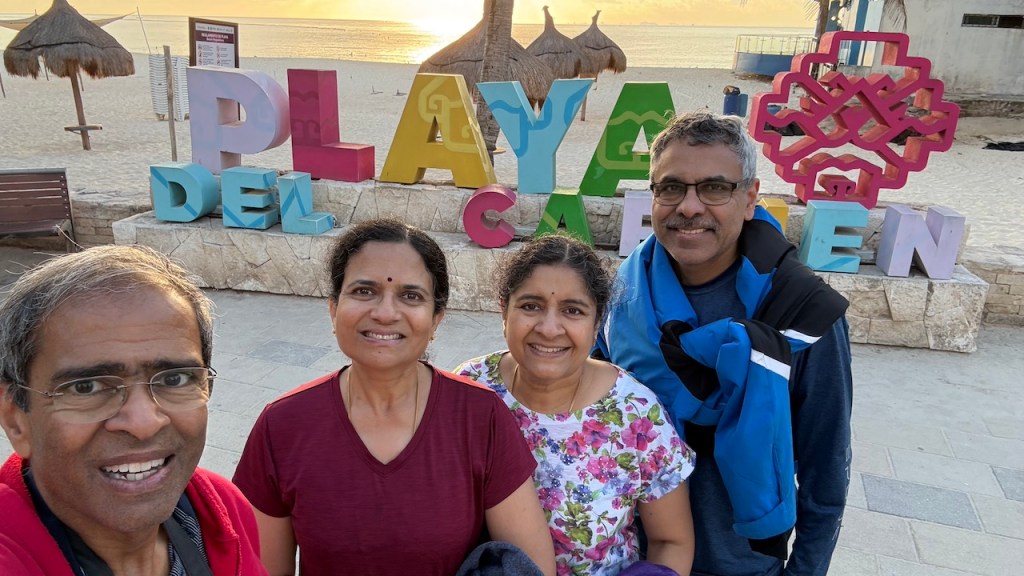
On our third day, we explored Carmen Beach. We also walked along the pedestrian street, which was full of souvenirs shops.
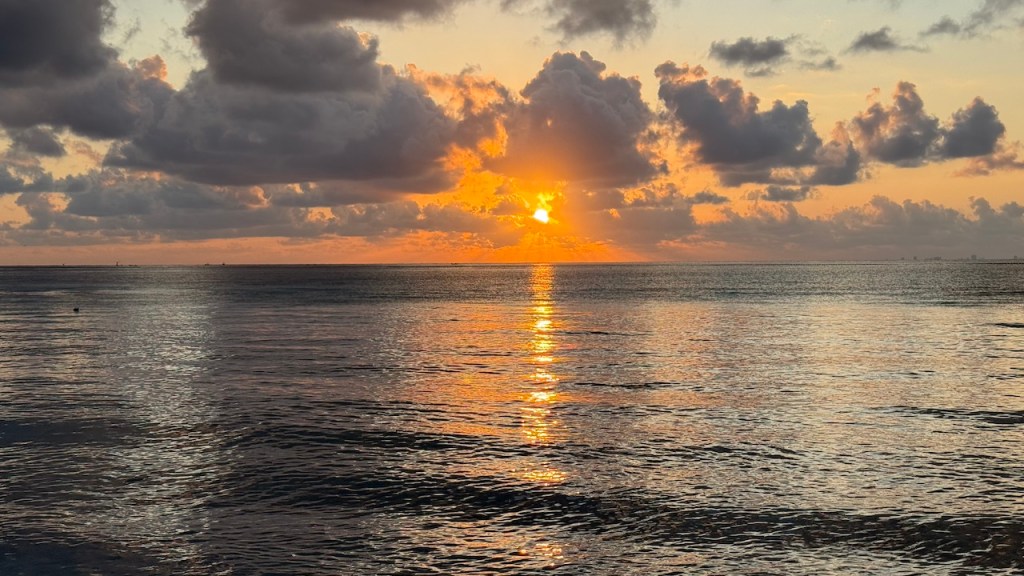
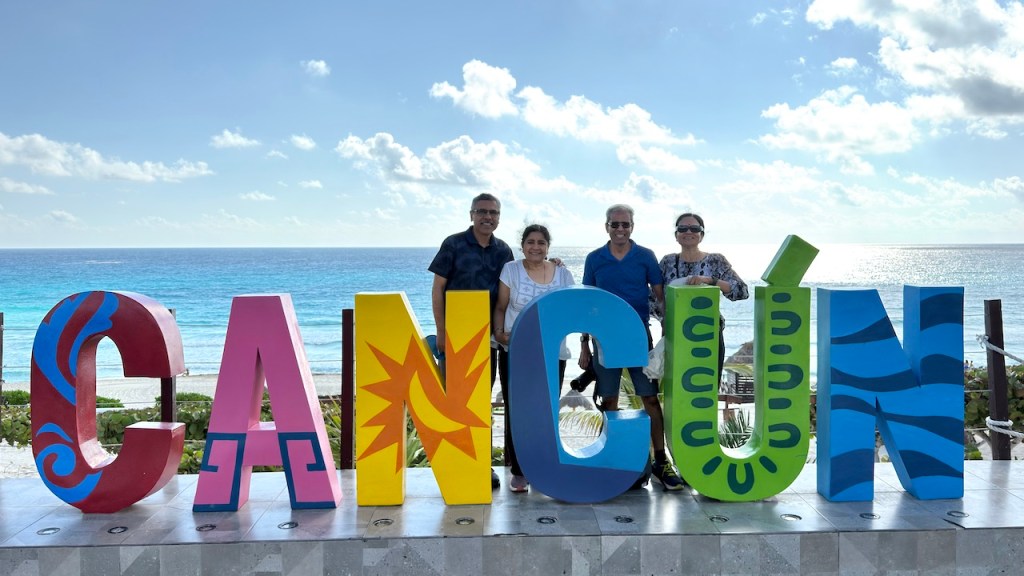
On our fourth day we visited Cancun, starting with the Dolphin’s beach.
From there, we visited the ruins of El Rey. El Rey Ruins (Las Ruinas del Rey) in Cancun is an archaeological site with 47 structures dating back to the Late Postclassic (1200–1500 CE). Originally a Maya maritime trade, fishing, and salt-extraction hub, it was discovered in 1923, and later named for a stone mask resembling a “king”.
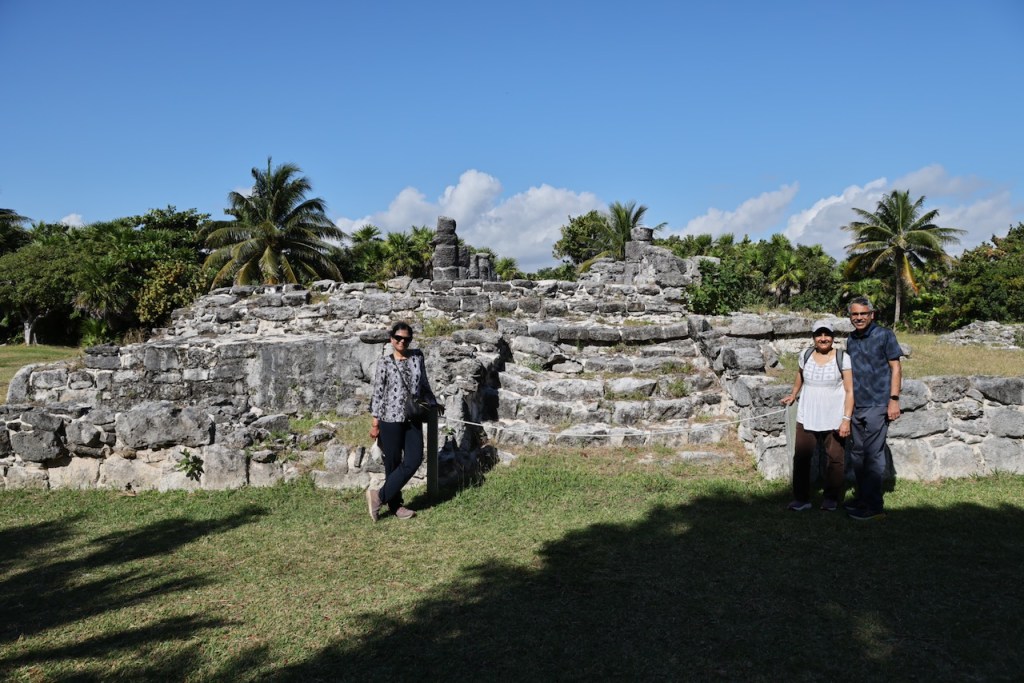
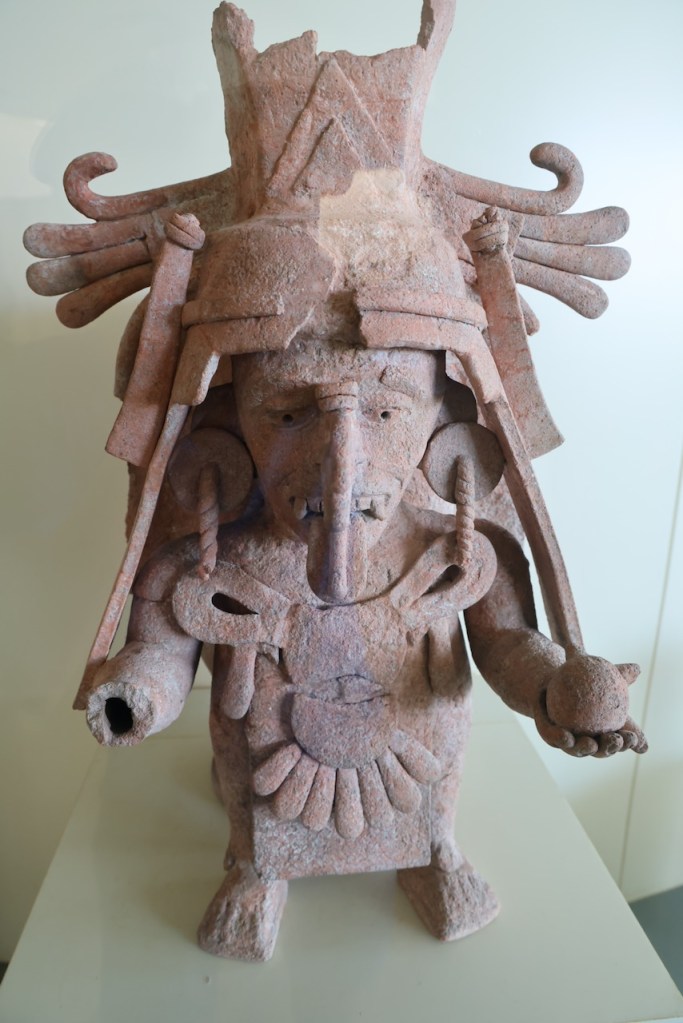
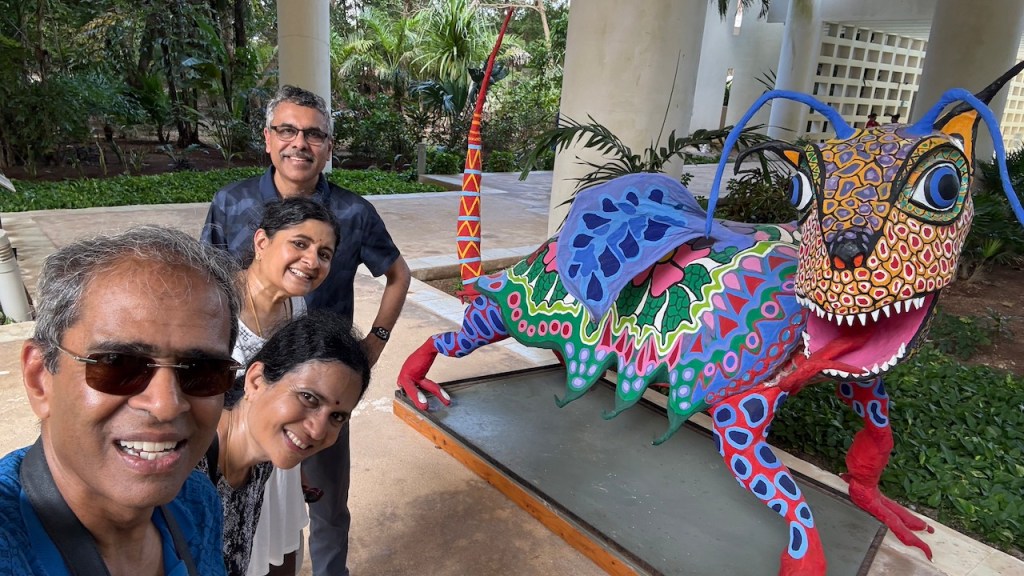
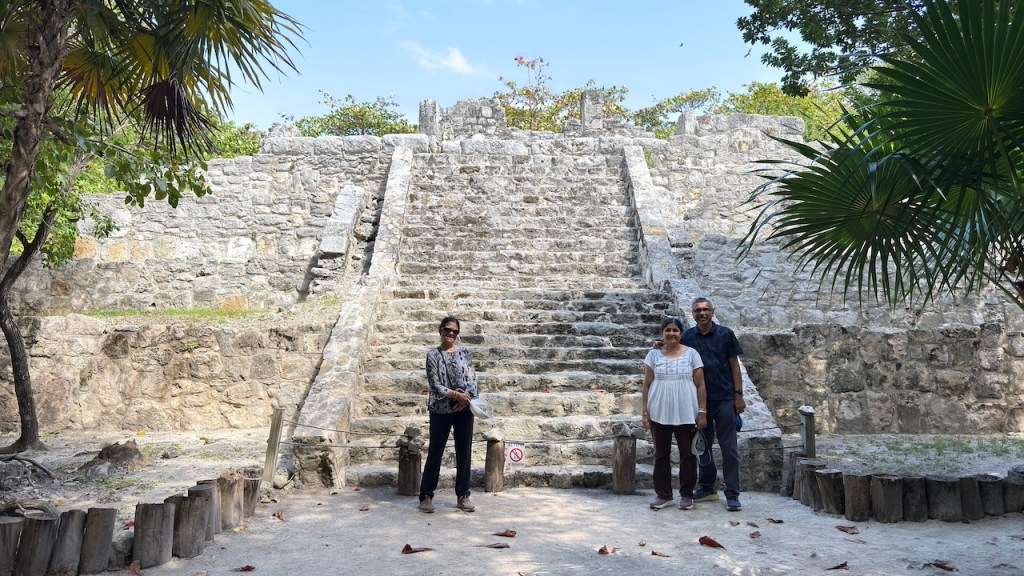
Our last point of visit was the Maya Museum in Cancun. The Maya Museum of Cancun, opened in 2012, designed by architect Alberto García Lascurain. It houses one of Mexico’s most significant collections of Maya art, including artifacts from Palenque, Chichen Itza, and the San Miguelito archeological site, which is part of the museum grounds. The museum showcases Mayan history, featuring over 350 artefacts. The museum is situated within the San Miguelito archaeological zone, which was first surveyed in the 1950s and contains remnants of pre-Hispanic temples and homes dating from 1250 to 1550 AD.
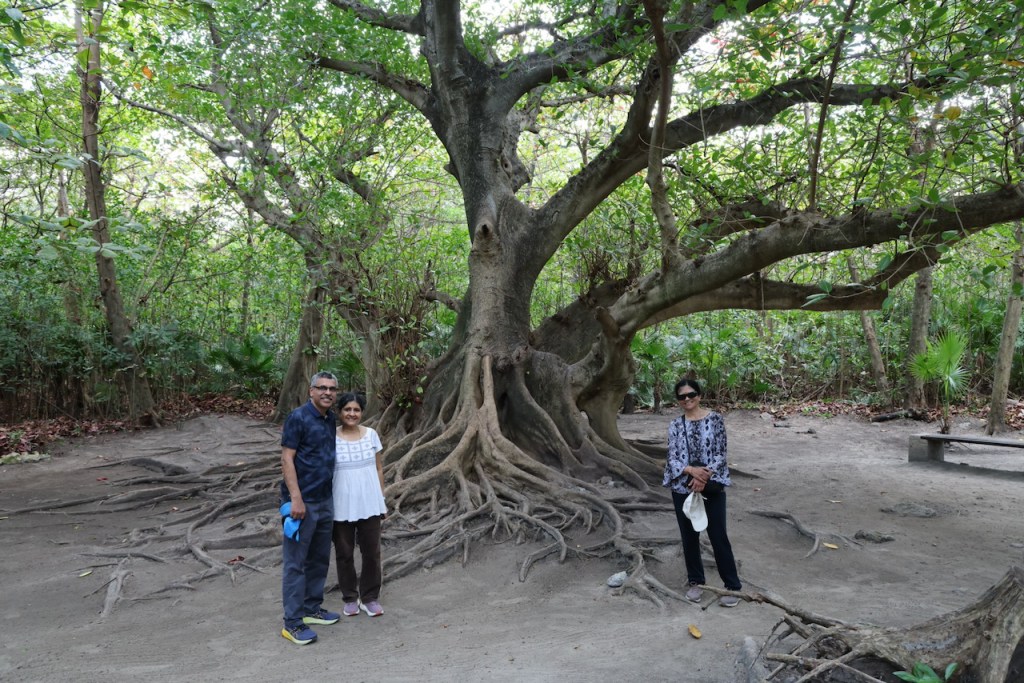
After seven weeks, and six countries, we returned back home. The trip to Latin America was awesome, with history, culture and amazing natural sceneries.
 My Travels - by Sivamani